Augusta University
Augusta University ranked among top colleges in the US
In this year’s Niche rankings, Augusta University earned a B+ and landed in the top 20% percent of colleges in the United States.




In this year’s Niche rankings, Augusta University earned a B+ and landed in the top 20% percent of colleges in the United States.
In this year’s Niche rankings, Augusta University earned a B+ and landed in the top 20% percent of colleges in the United States.

Following approval by the USG Board of Regents, Augusta University’s School of Public Health is preparing to launch its first undergraduate degree program.








John Ryan Honored with FBI Director's Community Leadership Award
Student Health Center Celebrates Relocation
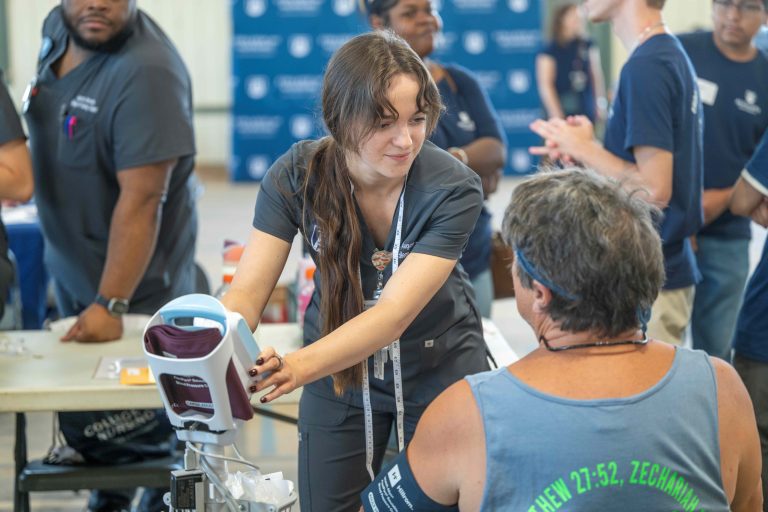
Costa Layman Health Fair celebrates 20 years

The book is designed for current instructors of public administration, political science and social science.

“This hospital will change lives,” said Augusta University President Russell T. Keen during the grand opening of the Wellstar Columbia County Medical Center.

“This is a very good example of interdisciplinary work at hand,” says Natalia Cantet, PhD.

“Quantization is a mathematical method, nothing to do with quantum computing. But these two we are trying to mix together,” says Arni S.R. Srinivasa Rao, PhD.

“There’s no better place to hold this hearing than right here in Augusta. Right here at the Georgia Cyber Center on Augusta University’s campus,” says U.S. Rep. Rick W. Allen.