 Augusta University
 Staff
Staff“The goal is not to replace caregivers. It’s to help people with dementia stay more confident and independent while giving families greater reassurance," says Ladan Kian.
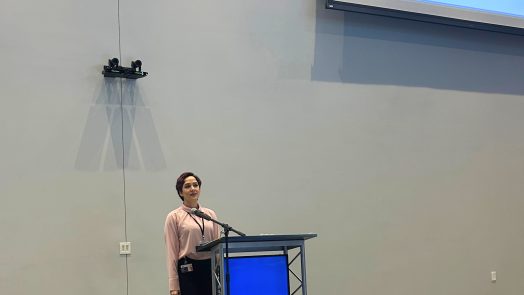

“The goal is not to replace caregivers. It’s to help people with dementia stay more confident and independent while giving families greater reassurance," says Ladan Kian.
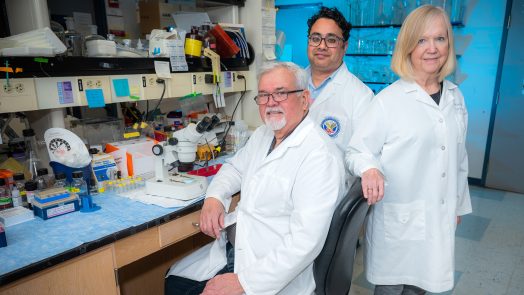
Researchers who previously linked a cholesterol-processing pathway to retinal damage in premature infants have extended their work to diabetic retinopathy.

"Our study moves the field forward by identifying which sequences in a host protein cause CD8+ T cell mediated aberrant autoreactivity in CVD," says Payel Roy, PhD.

In this year’s Niche rankings, Augusta University earned a B+ and landed in the top 20% percent of colleges in the United States.

Allan and Ursula Soto have committed $1 million to support the Kisner Foundation & Friends Pediatric Development, Behavioral Health & Wellness Center at Wellstar Golisano CHOG.
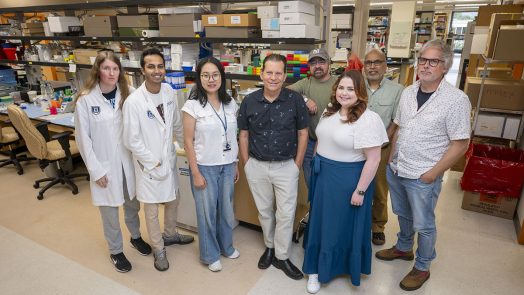
A gene linked to heart disease risk may actually serve as one of the body's strongest natural defenses against coronary artery disease, according to new research from MCG.
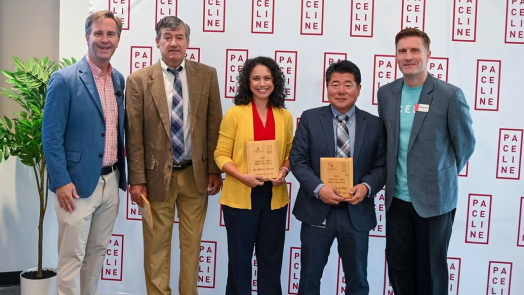
"I thought that my story would offer hope to other cancer patients and cancer survivors because I've learned a lot about treatment options," says Steven Coughlin, PhD.
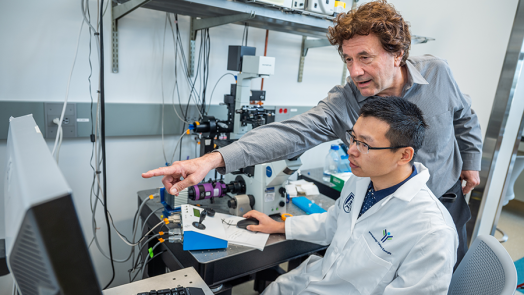
The new study shows key similarities between atherosclerosis and established autoimmune diseases like Multiple Sclerosis, Type 1 Diabetes and Rheumatoid Arthritis.

“SGA Dental Partners understands that supporting dental education is ultimately a commitment to healthier communities across Georgia,” says Theresa Gonzales, DMD.
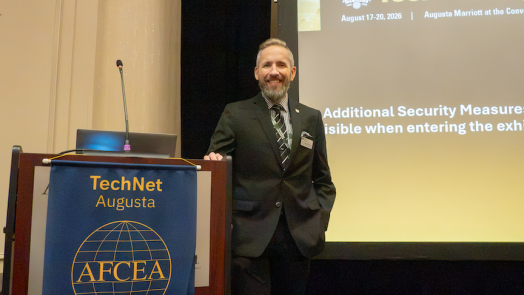
Augusta University faculty, staff and students joined government, military, academic and industry leaders at TechNet Augusta 2026, one of the nation’s premier defense technology conferences.
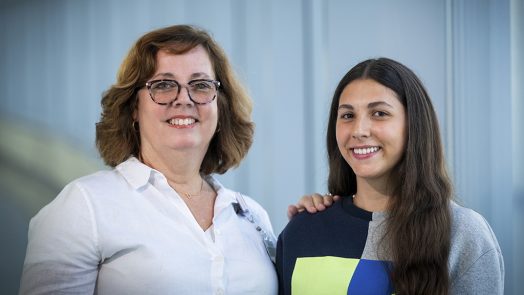
“We’re trying to offer more healthcare access to diabetes screening and early detection. So early detection is really the key,” says assistant professor Lynn Glenn, PhD.
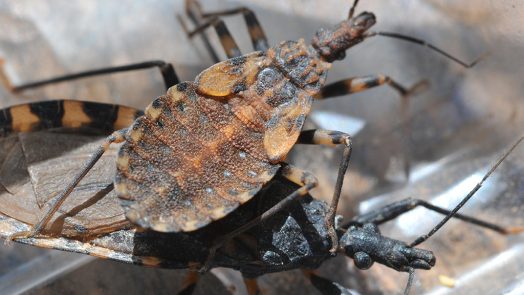
Trypanosoma cruzi, also known as Chagas disease, is found predominantly in Latin America with 240,000 to 350,000 infected individuals in the United States.
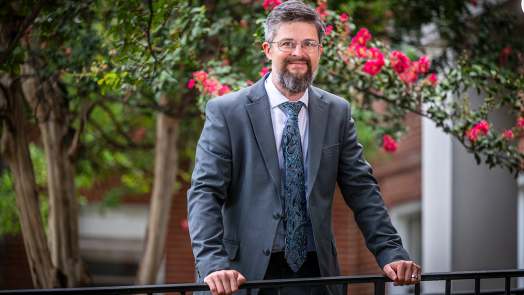
Matthew W. Johnson comes to MCG after more than two decades at Johns Hopkins University, where he was a pioneering member of the institution's psychedelic research program.

SCCS received a $2M grant from the National Science Foundation under the Artificial Intelligence and Cybersecurity Education Innovation and Scholarship for Service Program.
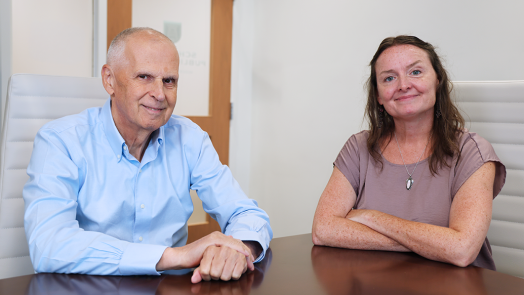
“It's a very timely topic because two or three years ago, it was not very commonly considered or recognized that there is this huge problem with wasted research," says E. Andrew Balas, PhD.
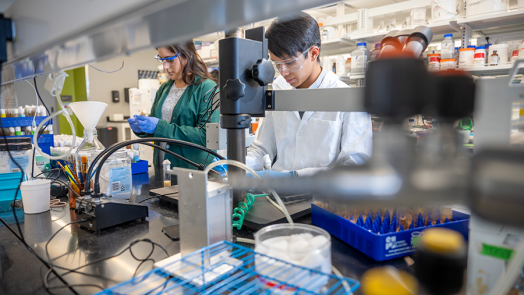
Four students from multiple health sciences colleges have each been awarded $2,000 scholarships from the Augusta University Faculty Club (AUFC).
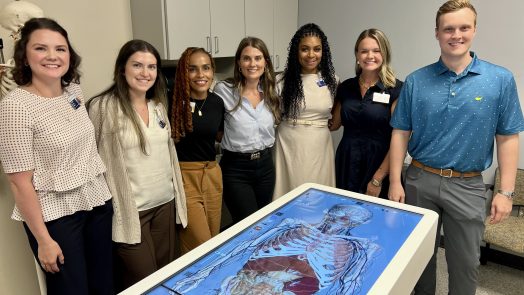
The College of Nursing stands out amongst other anesthesia programs due to its two available Anatomage Tables; a state-of-the-art anatomy table and program.

Grateful patient gives back to educate and assist others with movement disorders.

"I think this paper provides some talking points that may facilitate moving forward with needed policy dialogues and actions,” says Biplab Datta, PhD.
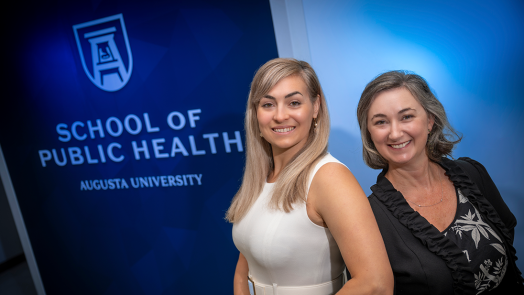
“This is a very good example of interdisciplinary work at hand," says Natalia Cantet, PhD.
 Tim Rausch
 Milledge Austin
 Jaylon Brooks
 Jennifer Hilliard Scott
 Hannah Litteer
 Denise Parrish
 Morgan Hayes
 Miguelangelo Hernandez
 Felicia Baskett
 Nina Sligar