 Augusta University
 Miguelangelo Hernandez
“We’re trying to offer more healthcare access to diabetes screening and early detection. So early detection is really the key,” says assistant professor Lynn Glenn, PhD.
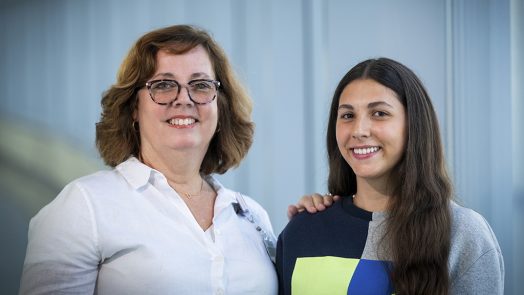

“We’re trying to offer more healthcare access to diabetes screening and early detection. So early detection is really the key,” says assistant professor Lynn Glenn, PhD.
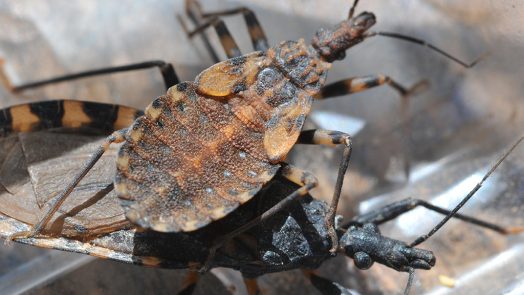
Trypanosoma cruzi, also known as Chagas disease, is found predominantly in Latin America with 240,000 to 350,000 infected individuals in the United States.
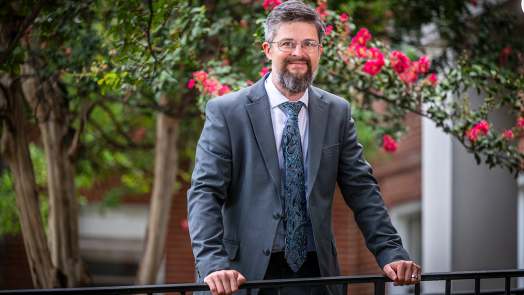
Matthew W. Johnson comes to MCG after more than two decades at Johns Hopkins University, where he was a pioneering member of the institution's psychedelic research program.

SCCS received a $2M grant from the National Science Foundation under the Artificial Intelligence and Cybersecurity Education Innovation and Scholarship for Service Program.
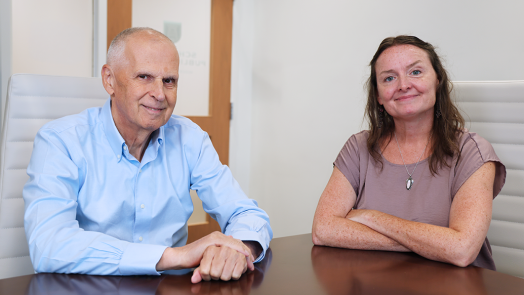
“It's a very timely topic because two or three years ago, it was not very commonly considered or recognized that there is this huge problem with wasted research," says E. Andrew Balas, PhD.
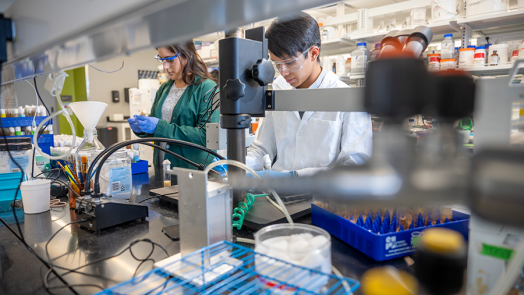
Four students from multiple health sciences colleges have each been awarded $2,000 scholarships from the Augusta University Faculty Club (AUFC).
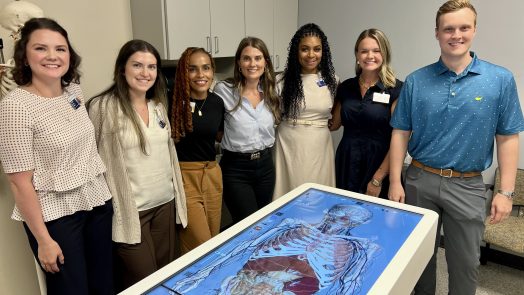
The College of Nursing stands out amongst other anesthesia programs due to its two available Anatomage Tables; a state-of-the-art anatomy table and program.

Grateful patient gives back to educate and assist others with movement disorders.

"I think this paper provides some talking points that may facilitate moving forward with needed policy dialogues and actions,” says Biplab Datta, PhD.
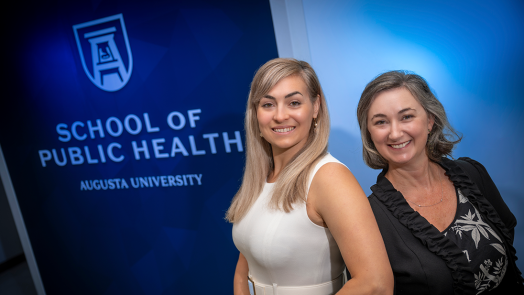
“This is a very good example of interdisciplinary work at hand," says Natalia Cantet, PhD.
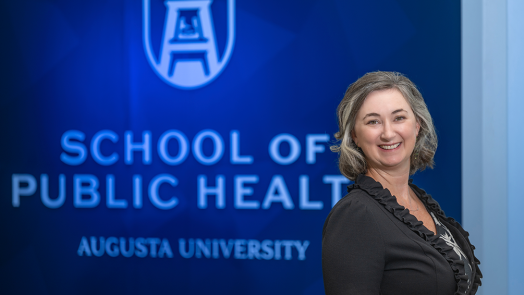
Funded by the Patient-Centered Outcomes Research Institute, the project aims to improve how individuals with intellectual and/or developmental disabilities (IDD), including autism, are included in research.
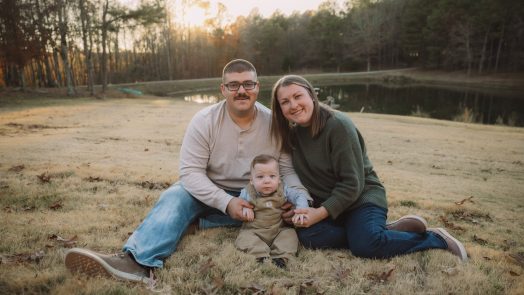
Wellstar MCG Health recently became the first hospital in Georgia to offer in-house risk assessment testing for severe preeclampsia.
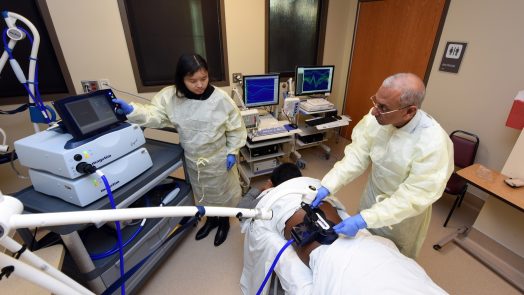
Satish Rao, MD, and his team developed a method called translumbosacral anorectal magnetic stimulation, or TAMS, to study specific nerves without needles.
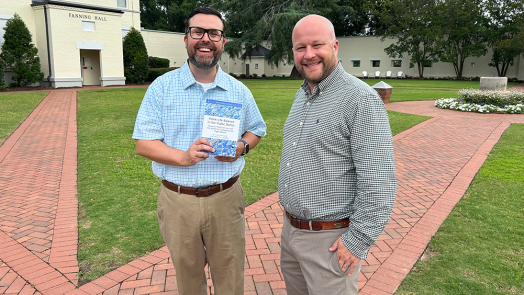
“There is such a thing as work-life balance. We can have this relationship where we can do what we need to do at work and what we need to do in life," says Wesley Meares, PhD.
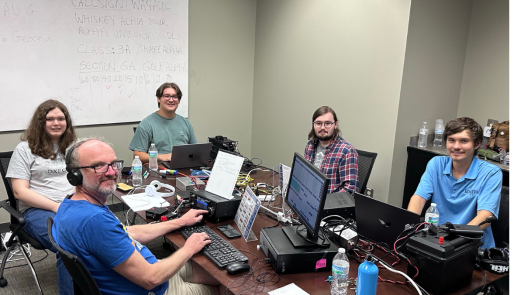
Amateur radio continues to connect people without relying on the internet or cellular networks.
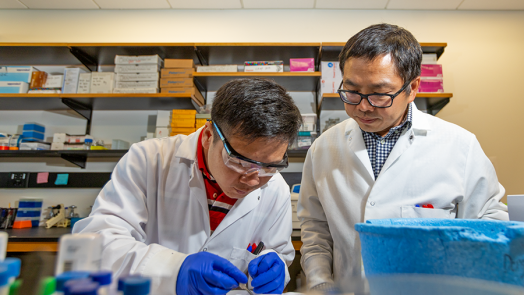
"This gene is well known in one field, but now we’re seeing it’s also important in cardiovascular cells," says Kunzhe Dong, PhD.
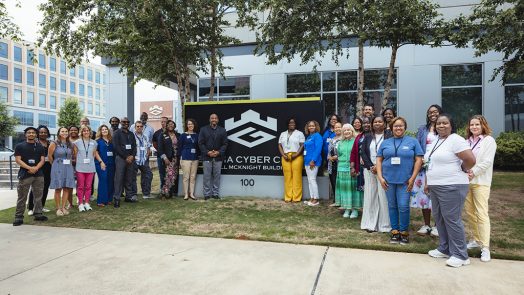
CTAE and IT teachers are often the first to spark a student's interest in a potential career path. A single lesson can inspire a student to pursue a future in cybersecurity.
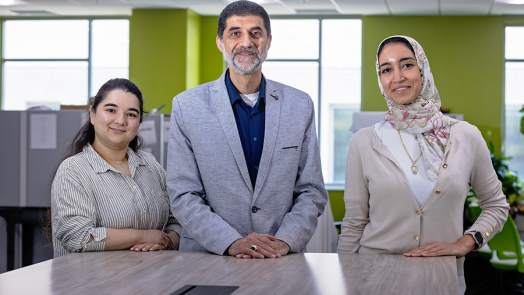
“This study highlights the major role of CD8+ T cells in atherosclerosis and their potential impact on cardiovascular diseases,” says Hossam Abdelsamed, PhD.
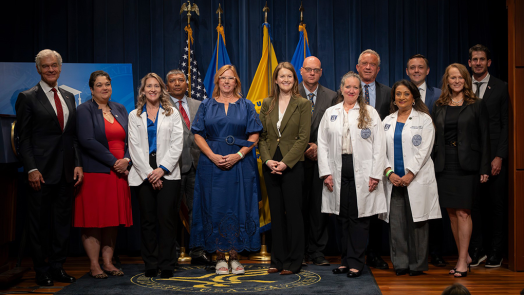
“I appreciate our academic affairs team and their rapid and thoughtful response to make these additions to our curriculum,” says MCG Dean David Hess, MD.
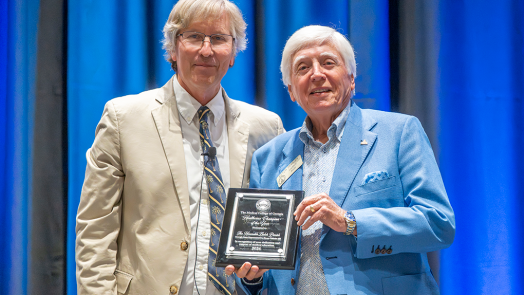
“He understands that investing in medical education, research, and physician training is ultimately an investment in the health of every Georgian,” says David Hess, MD.
 Jennifer Hilliard Scott
 Felicia Baskett
 Hannah Litteer
 Jaylon Brooks
 Nina Sligar
 Denise Parrish
 Stacey Eidson
 Tim Rausch
 Paige Tucker
 Milledge Austin
 Joshua Duffy