 Augusta University

 Bakija Parks
The process of choosing a major, preparing for a career or navigating college can feel overwhelming for many students, and academic advising plays a key role in helping students stay on track and move confidently toward graduation.
Augusta University students are assigned an adviser through the Academic Advisement Center and are required to meet with their adviser once each semester. These meetings provide students with the information they need to plan for and register for the upcoming semester. Advisers are available through scheduled appointments and also have walk-in hours for questions.
Kirsten Ceron, interim director of Academic Advisement, said advising is designed to support students from their first day on campus through commencement. Academic advising not only helps students plan courses but also ensures students feel included, supported and confident in their academic path.
“Research shows that academic advising has a positive impact on student retention,” said Ceron. “It helps keep students connected and engaged with the university and increases their sense of belonging.”
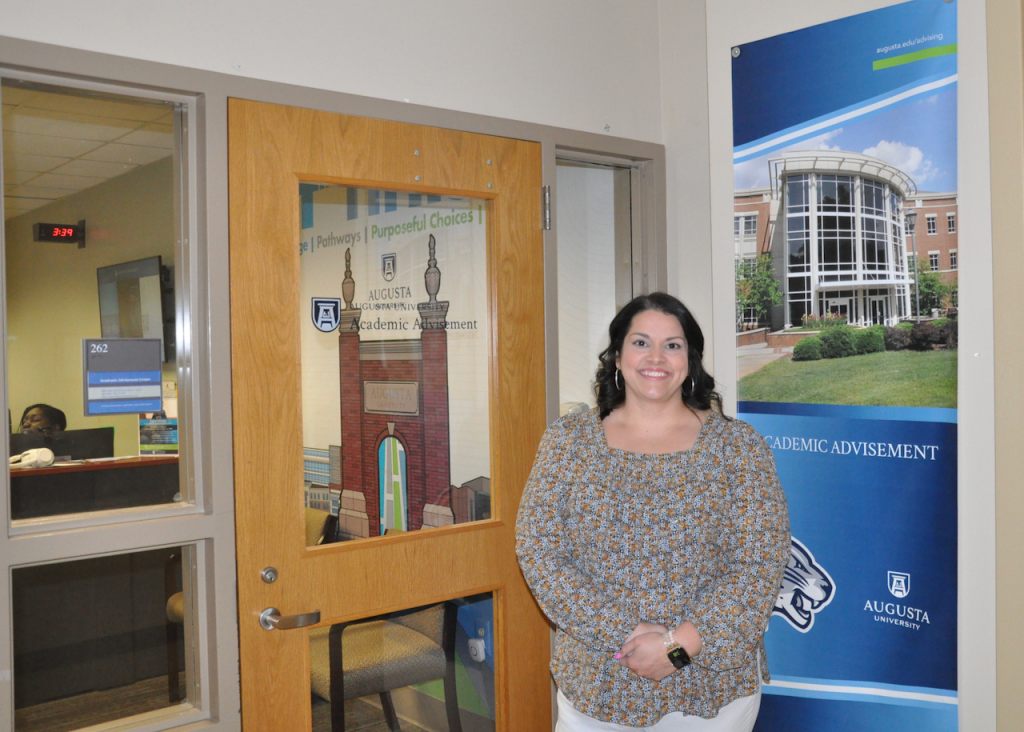
Ceron believes that a sense of connection is important as students adjust to the expectations of college life. Advisers ensure students understand degree requirements, discuss academic goals and challenges and introduce opportunities that align with their goals. Those conversations allow advisers to not only support students academically, but also to help them prepare for life after graduation.
Ceron also stated advising at AU is meant to be a collaborative process. Not only do academic advisers work with students, but with faculty and peer advisers to ensure students receive clear guidance. During advising meetings, students often discuss academic progress, course options and academic goals.
“While advisers offer expertise and direction, they do not make decisions for students. Instead, advisers help students understand their options and university policies so they can make informed choices about their education,” she said.
Recommended tools like JagTrax, the university’s degree planning system, help students visualize their progress toward graduation and understand any remaining degree requirements. The system tracks a student’s first course through graduation and provides advisers with the information needed to offer personalized guidance.
Advising provides students with reassurance during uncertain moments beyond course registration and degree planning. Whether a student is reconsidering a major, struggling academically or preparing for graduation, consistent guidance helps reduce the feeling of being overwhelmed and builds confidence. For many students, having someone who understands university policies and expectations makes navigating college feel more manageable.
“As students move on, academic advising remains a consistent source of guidance and support,” Ceron said. “By maintaining regular communication with their advisers, students are better equipped to stay on track academically while feeling connected to the university community.”
Alongside professional advisers, peer advisers also play a major role in supporting students. Peer advising offers students additional support through shared experiences. Because peer advisers are also navigating their own academic journeys, they are able to connect with their peers in a way that feels relatable. They help create an environment where students feel comfortable asking any questions, and they work alongside professional advisers to make sure students feel included, informed and confident as they move through their academic journey.
Peer advisers also help students prepare for meetings with assigned advisers and with questions concerning scheduling and degree requirements. Sometimes students need assistance understanding their options and determining next steps. The goal is for students to leave meetings with peer advisers feeling more prepared and confident in their academic journey. Both professional advisers and peer advisers work together to create a strong support system that helps students feel guided.
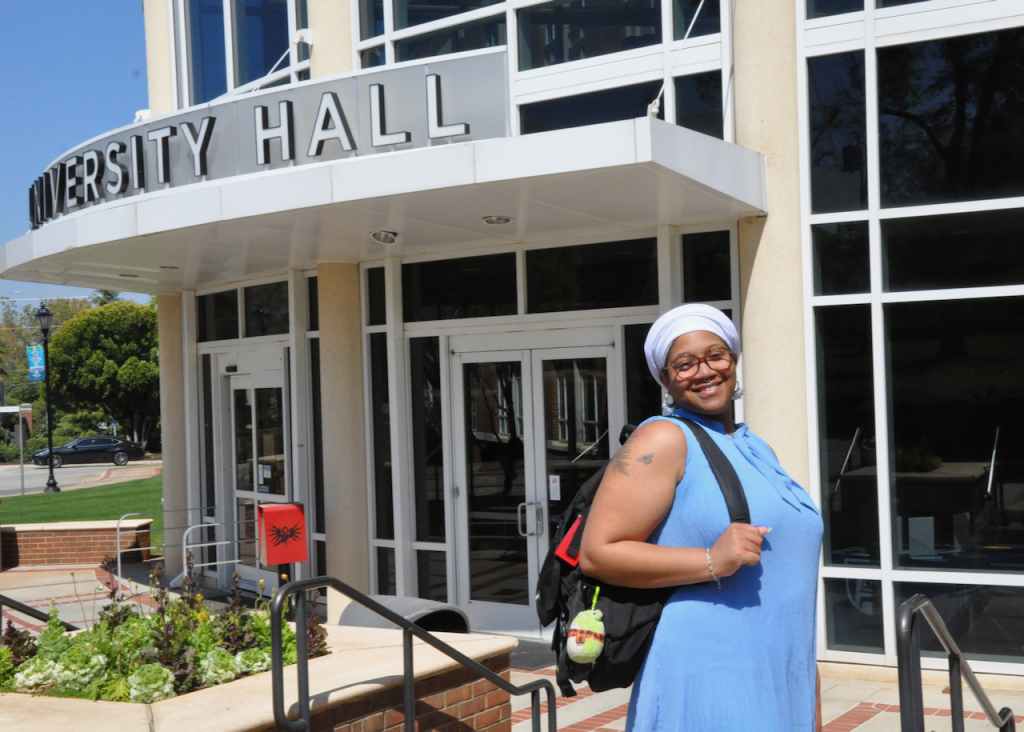
Wynter Ross, a fourth-year student double majoring in biology and health, society, and policy, and peer advisers at Augusta University, shared that being an adviser while also a student allows them to connect with other students on a more personal level.
“I am them, just a few years in the future,” Ross said. “Why wouldn’t I want to help my younger self?”
Ross said they take their role seriously and described peer advising as an opportunity to help students feel comfortable and receive support in the same way many students need that support starting out at AU.
Ross encourages students to seek guidance when they need it, emphasizing that support systems are in place to help ensure long-term success.
“Community is so important, and a university is a place that’s supposed to foster that,” Ross said. “Inaction is still a decision. Being unsure doesn’t mean you’re stuck – it’s the beginning of finding your way.”


 Jennifer Hilliard Scott
![Participants listen and engage during the Connected for Life Open-House event. [Aaron Smith/Augusta University]](https://jagwire.augusta.edu/wp-content/uploads/sites/15/2026/10/DSC_9186-332x249.jpg)
 Aaron Smith
 Haley Crain
 Paige Tucker