Augusta University
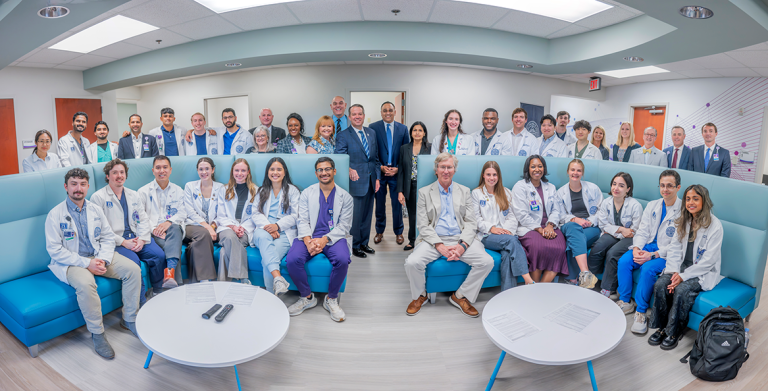
AU provost kicks off academic year announcing new cohort of Provost Fellows
“Innovation does not happen in a silo; it only happens through collaboration, shared ideas and a willingness to think differently,” says Maggy G. Tomova, PhD.


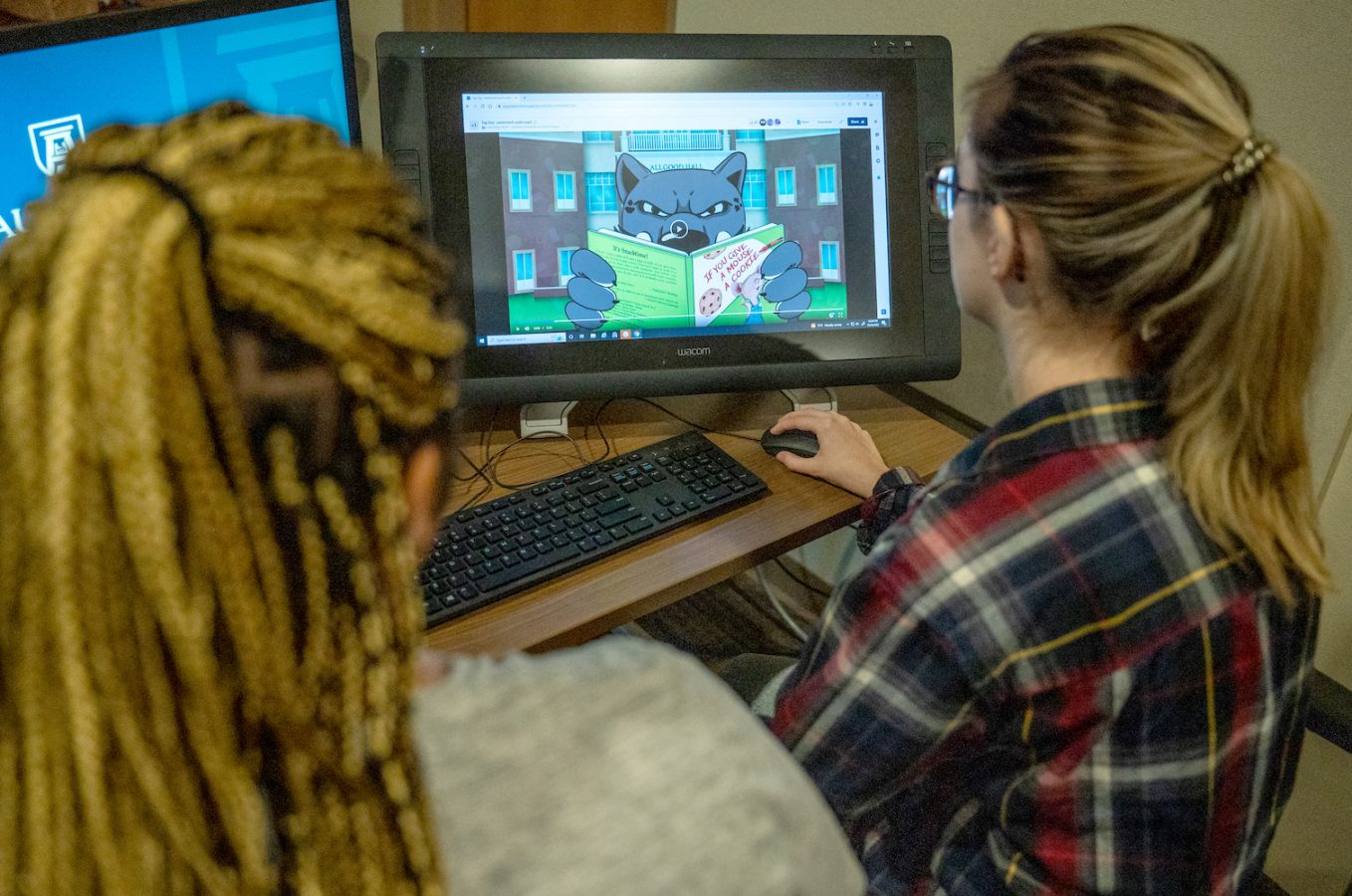
“Innovation does not happen in a silo; it only happens through collaboration, shared ideas and a willingness to think differently,” says Maggy G. Tomova, PhD.
“Innovation does not happen in a silo; it only happens through collaboration, shared ideas and a willingness to think differently,” says Maggy G. Tomova, PhD.
“Innovation does not happen in a silo; it only happens through collaboration, shared ideas and a willingness to think differently,” says Maggy G. Tomova, PhD.




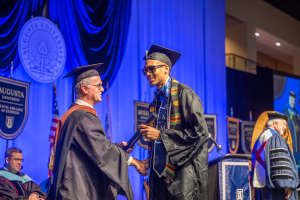



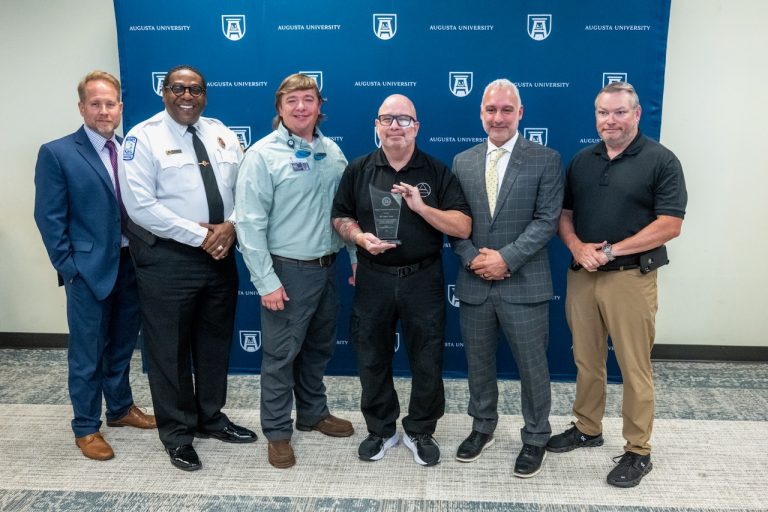
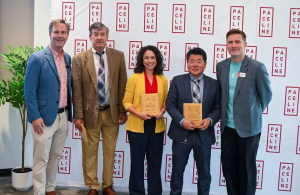
John Ryan Honored with FBI Director's Community Leadership Award
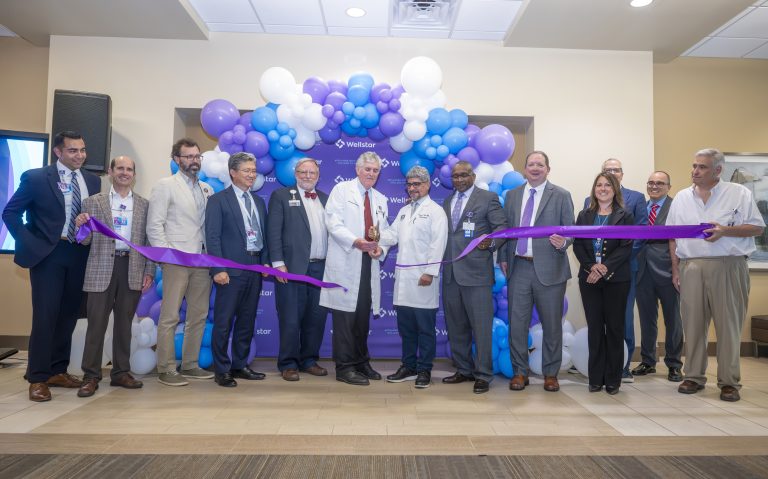
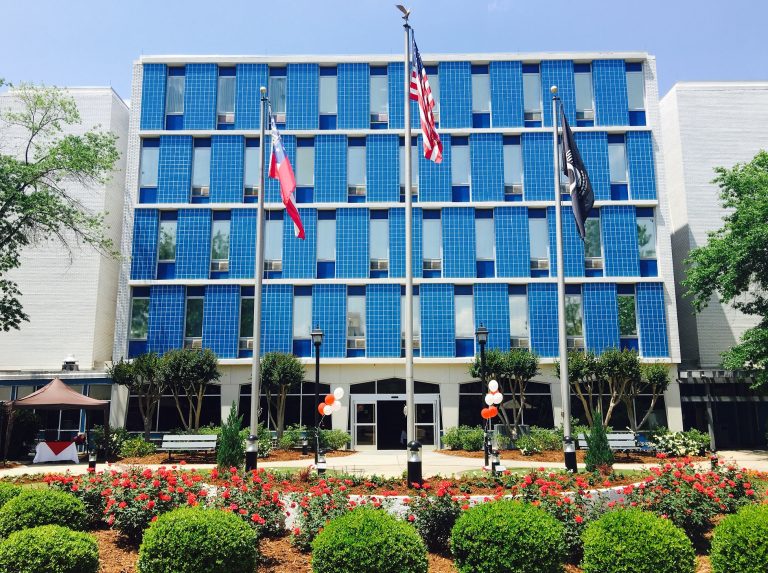
Student Health Center Celebrates Relocation
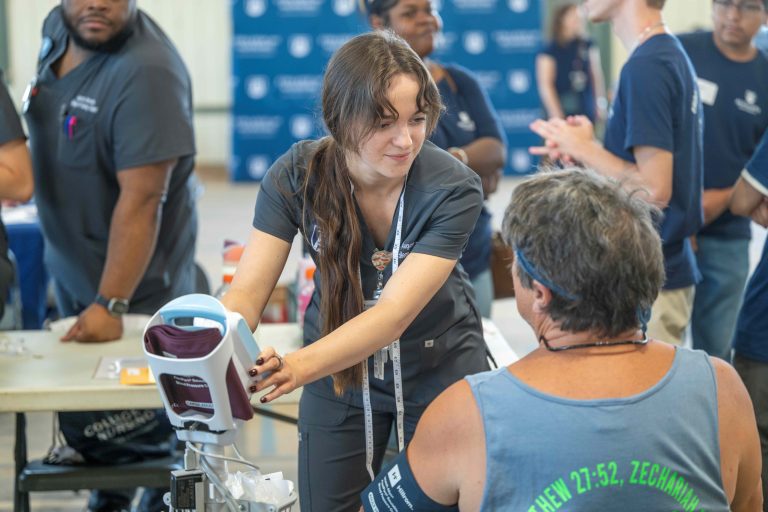
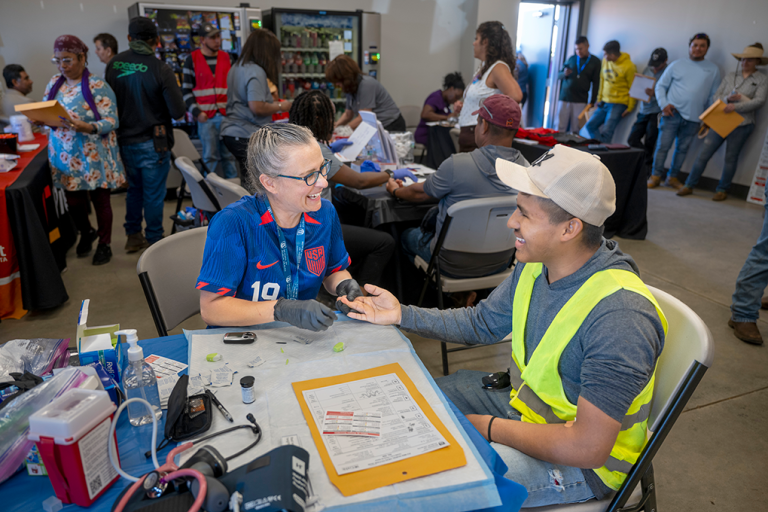
Costa Layman Health Fair celebrates 20 years
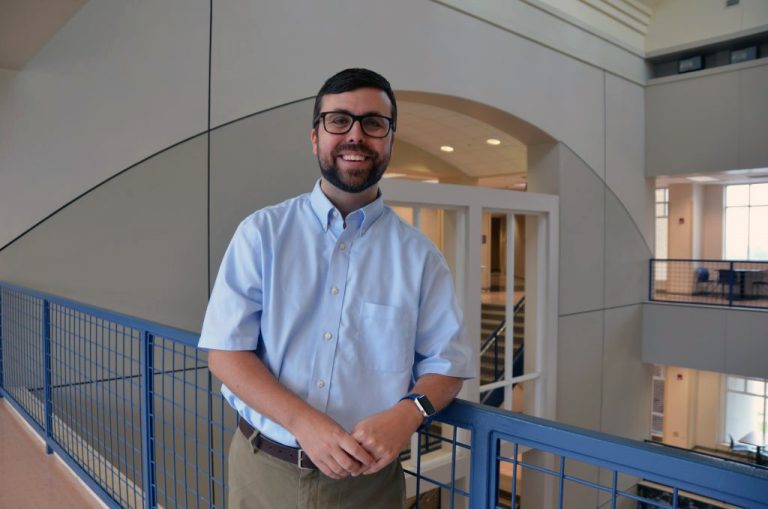
The book is designed for current instructors of public administration, political science and social science.

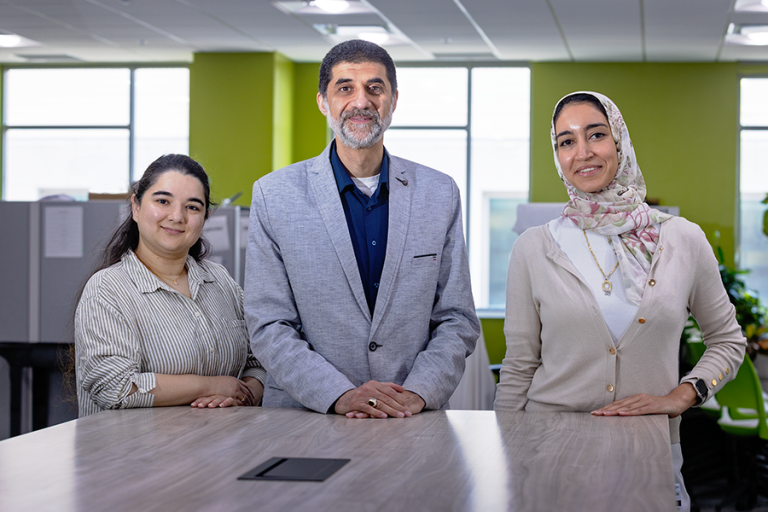
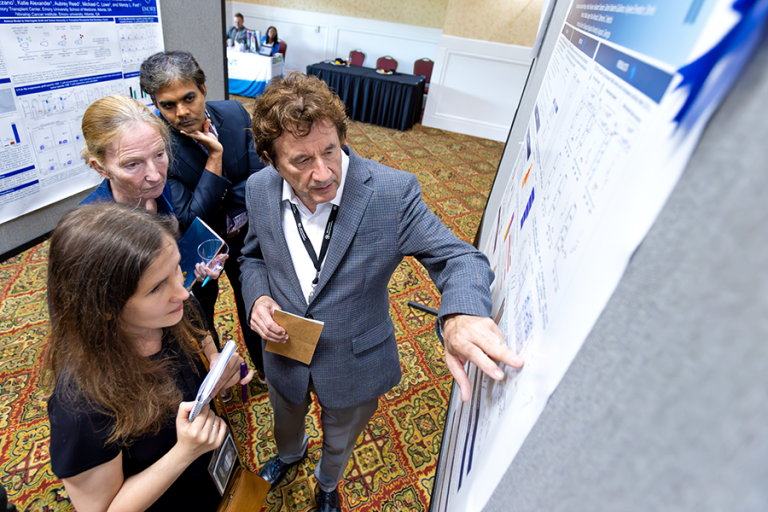
“Quantization is a mathematical method, nothing to do with quantum computing. But these two we are trying to mix together,” says Arni S.R. Srinivasa Rao, PhD.
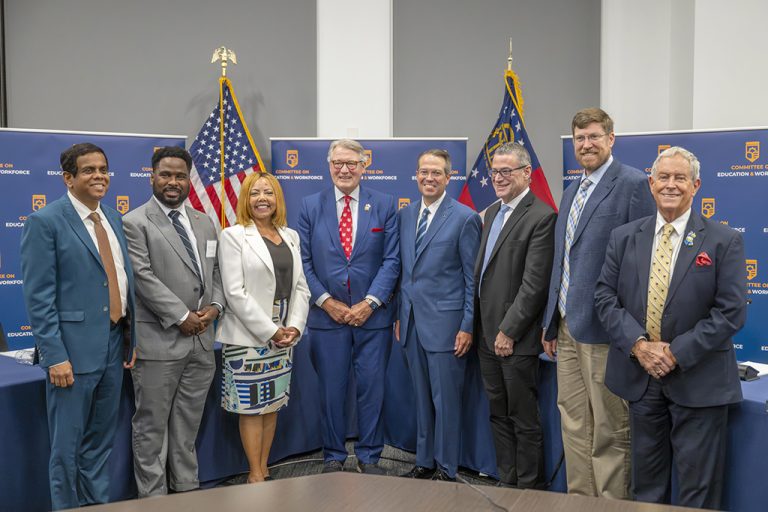
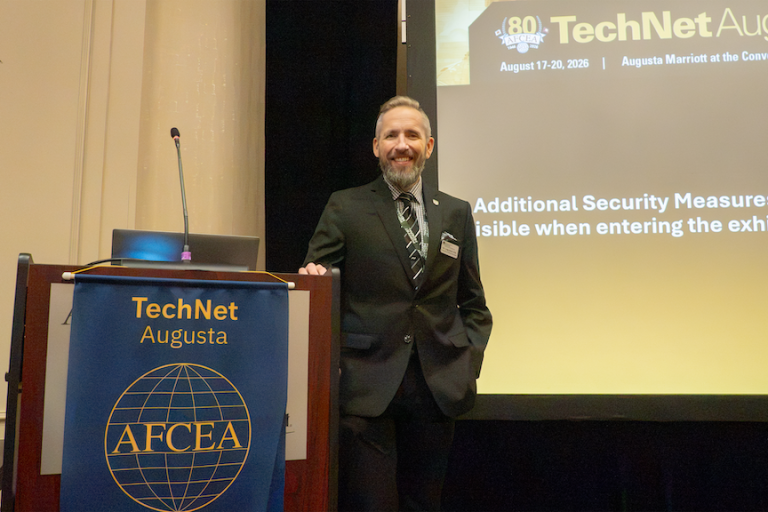
“There’s no better place to hold this hearing than right here in Augusta. Right here at the Georgia Cyber Center on Augusta University’s campus,” says U.S. Rep. Rick W. Allen.

“The grandparents are so focused on taking care of these kids, and any bit of information or resource they can get, they will take it and apply it at home,” says Mike Patton.

The HUB’s annual Back-to-School Celebration helped local students prepare for the new school year with free backpacks, books and family activities.