 Augusta University
 Aaron Smith
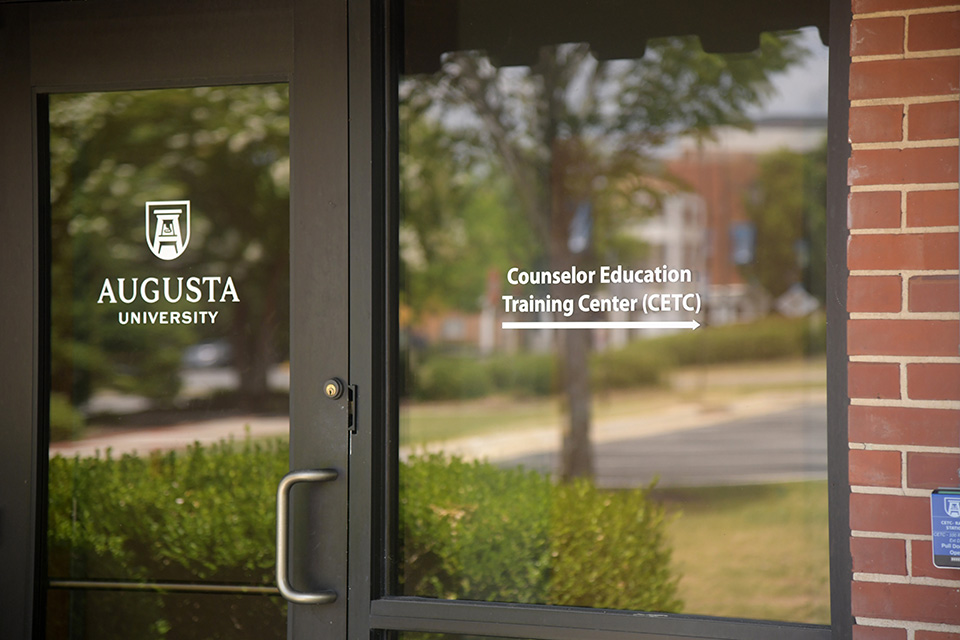
On Aug. 31, the Counselor Education Training Center (CETC) in the College of Education and Human Development’s Department of Research, Counseling and Curriculum will open a new chapter of training, counseling and community support at Augusta University.
For more than three decades, the counselor education program has prepared future mental health professionals. Now, with renewed institutional support and a sustainable operational model, the CETC is poised to fully realize a vision first established in 1991 – providing hands-on clinical training for graduate counseling students while expanding access to mental health services in the community.
Located on Patrol Drive on the Summerville Campus, the CETC serves as both a training hub and a future resource for individuals seeking counseling support. For Alicia Brown Becton, PhD, chair of the Department of Research, Counseling, and Curriculum, the center represents years of planning and collaboration across the university.
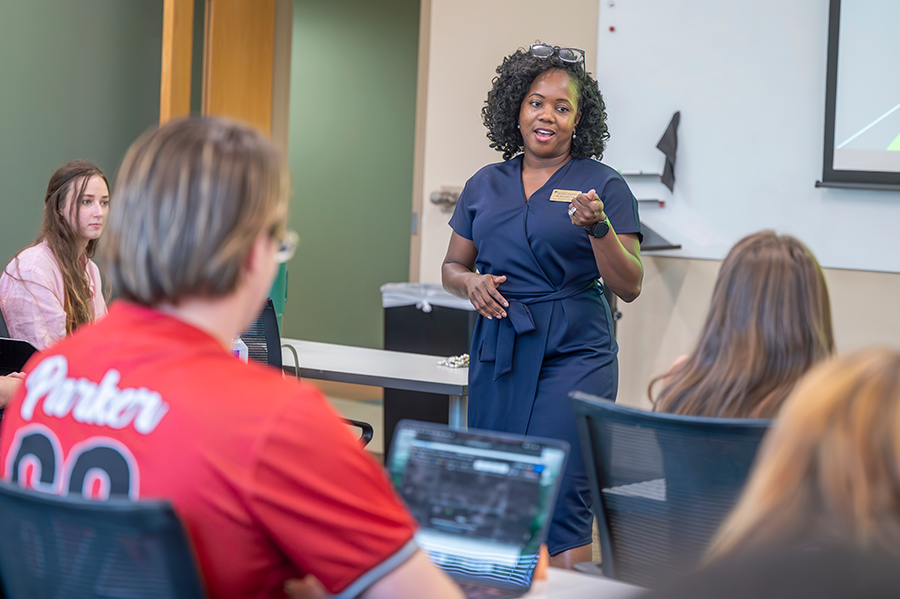
“With the support of leadership, administrators, deans, the provost, and the president – this facility is now positioned to operate successfully with a sustainable plan in place,” Becton said. “Our vision is for the CETC to become more than a counseling clinic. We see it as a hub for counseling, parent education, professional training, telehealth innovation, prevention and meaningful collaboration across the Augusta community.”
That sustainable plan has been built over the past year by Bayo Onabule, EdS, who is an assistant professor in COEHD and clinical coordinator of the CETC. Since stepping into the role in August 2025, Onabule has focused on laying the foundation necessary for the center’s long-term success.
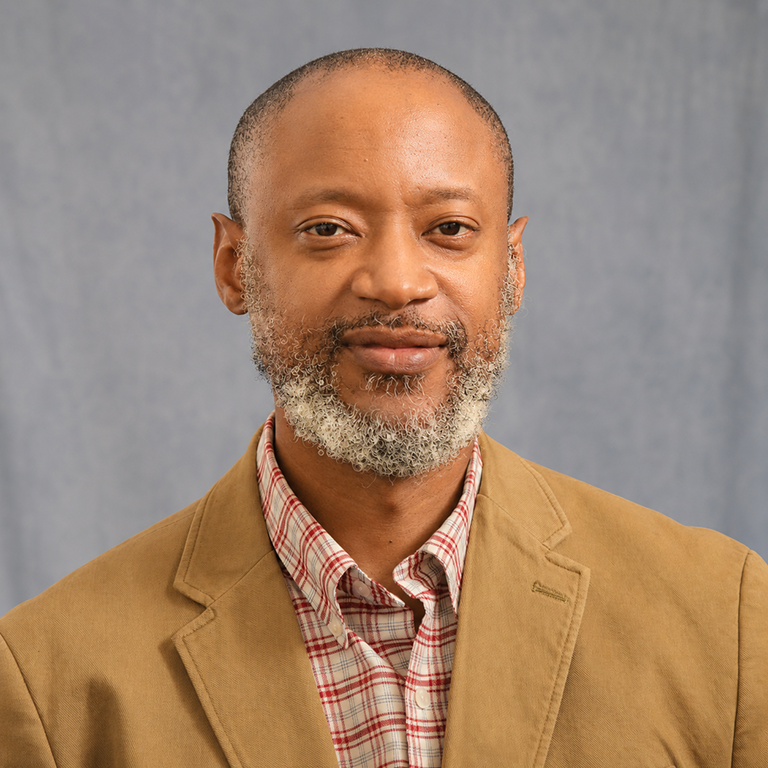
“As clinical coordinator, I’ve been working tirelessly to connect with campus and community partners to create protocol and procedure manuals and processes for the interns who will be joining us,” Onabule said.
Those efforts include establishing referral pathways with Student Counseling and Psychological Services (SCAPS) and Student Health Services. This ensures students can connect with the appropriate level of care while also creating meaningful clinical experiences for graduate counseling students.
At its core, the CETC is an educational facility designed to support students in AU’s Master of Education in Counselor Education program, particularly those pursuing the community mental health track.
“The primary focus is the training that will be provided to graduate students in the counselor education program,” Onabule said. “We hope to provide them with clinical supervision while helping them develop their attending skills and learn professional ethics.”
While student training remains the primary mission, the CETC also plans to provide counseling services to AU students and, eventually, the broader Central Savannah River Area.
Services will initially focus on mental health counseling and individual therapy. Over time, the center expects to expand offerings to include group and relational counseling services for couples and families.
“Students, faculty, staff and Augusta residents who may not be affiliated with the university will all be able to utilize our services to receive mental health counseling,” said Onabule.
For Becton, creating an environment where individuals feel comfortable is also just as important as providing the care that they need.
“Seeking counseling should be viewed as an act of strength. We want the CETC to be a welcoming place where students and community members feel respected, heard and empowered to address challenges before they become crises,” said Becton.
Partnerships will play a critical role in connecting clients with the center. SCAPS and Student Health Services are expected to serve as key referral partners, helping identify individuals who could benefit from CETC services. In addition, the center is building relationships with community organizations and providers throughout the region, creating a network of referrals and support designed to meet growing mental health needs.
The CETC’s development also created opportunities for undergraduate students to gain meaningful professional experience. Tanika Chevalier is a psychology major on the pre-med track who serves as an undergraduate intern through the Jags On-Campus Internship Program.
She has played an active role in designing educational materials, supporting administrative operations and developing an application system intended to streamline the selection and onboarding of graduate student interns.

“It’s fun overall for me,” Chevalier said. “I get to learn about the administrative process and make it easier for future interns.”
The experience has also reinforced her long-term career goals. Chevalier plans to attend medical school and become a psychiatrist. She says she’s inspired in part by the compassionate, person-centered approach she has observed at the CETC.
“I want to be that psychiatrist where I can do more than just give them care,” she said. “I can be that person they can turn to. Instead of asking, ‘What’s wrong with you?’ it’s more about asking, ‘What’s important to you?'”
Chevalier believes that perspective resonates strongly with students seeking support from peers and professionals who understand their experiences.
“Sometimes the most important part for a student is somebody who’s actively going through the same thing as you,” she said. “Having someone who understands what you’re experiencing can make a difference.”
As the CETC prepares to fully launch services, university leaders see it as more than a counseling clinic. It is an investment in student success, workforce development and community well-being.
For the students, faculty and community members who will ultimately benefit, the reopening of the Counselor Education Training Center marks the beginning of a new chapter built on education, access and compassion.

 Jennifer Hilliard Scott
 Stephanie Hill
 Miguelangelo Hernandez
 Hannah Litteer