 Augusta University

 Felicia Baskett
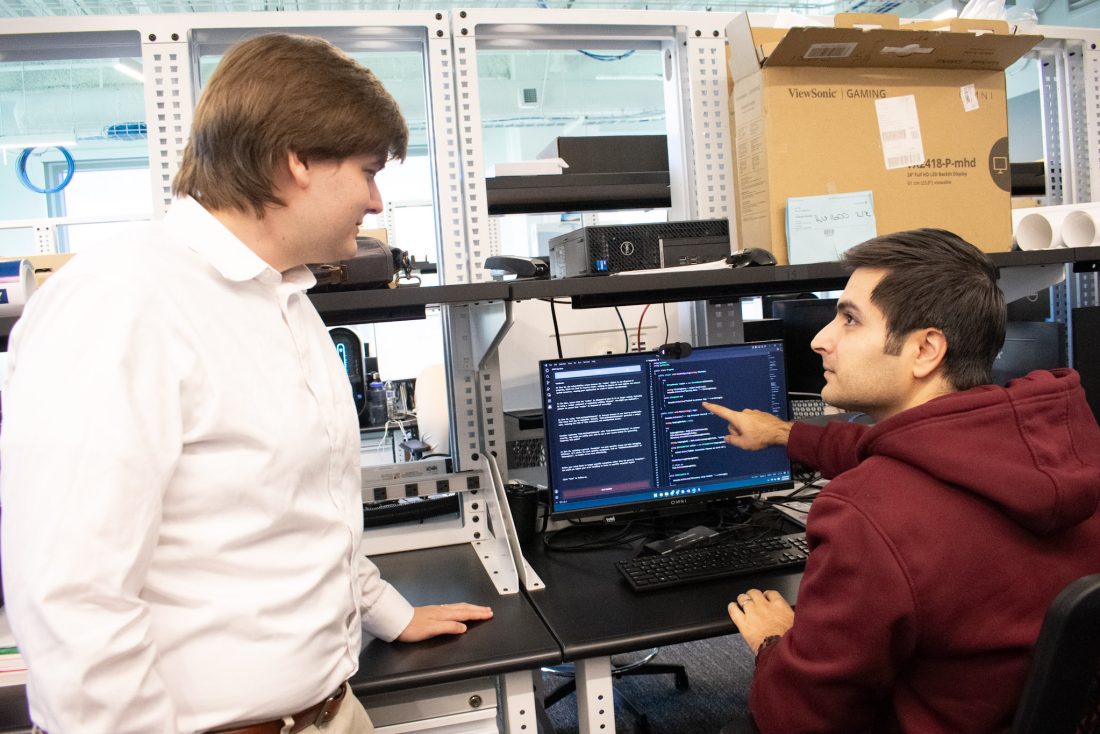
When students learning software engineering make a mistake, they often receive feedback from multiple sources, including failed tests, security alerts and code-quality reports. Understanding that feedback requires more than identifying what went wrong, students have to understand why it happened and apply those insights to improve their future work.
Augusta University researchers are collaborating with two universities to help students bridge that gap through Software Engineering (SE) Tutor, a new artificial intelligence-supported learning tool being developed through a five-year, $2 million collaborative grant from the U.S. National Science Foundation. Gursimran Walia, PhD, professor, associate dean of academic affairs, and director of graduate studies at Augusta University’s School of Computer and Cyber Sciences, serves as AU’s principal investigator. He is joined by PIs Jeffrey Carver, PhD, of the University of Alabama, and Lucas Cordova, PhD, of Willamette University.
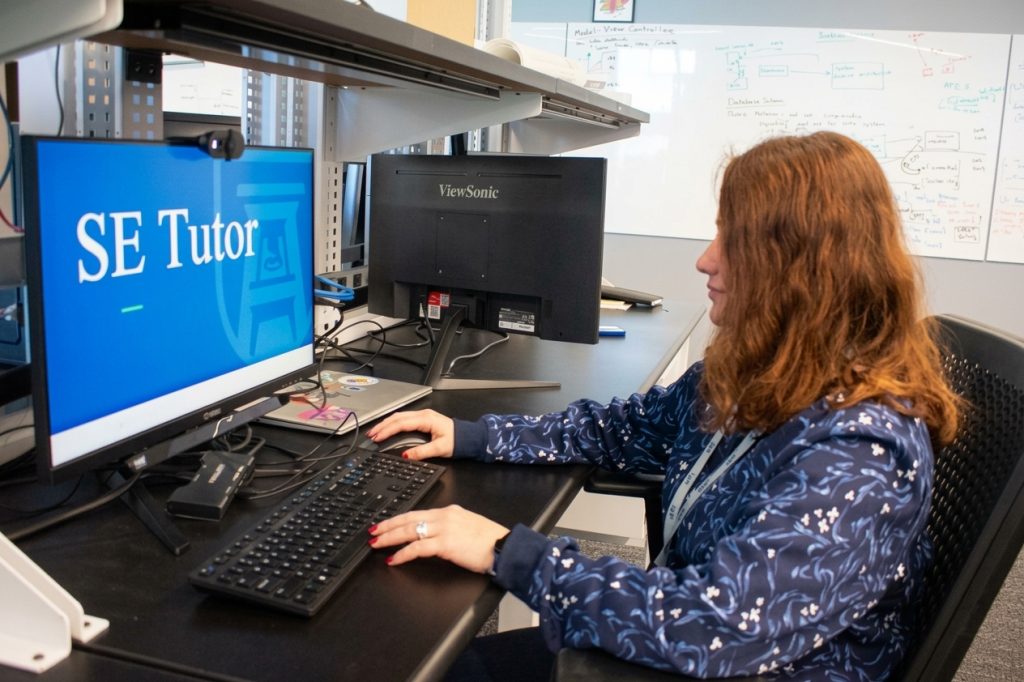
The project will develop SE Tutor, which will use generative AI to translate technical feedback into guided questions that coach students through a problem. When a security tool detects a potential issue with user input, the tutor would prompt students to consider how this issue could lead to software vulnerabilities and what design choices would prevent similar problems in the future.
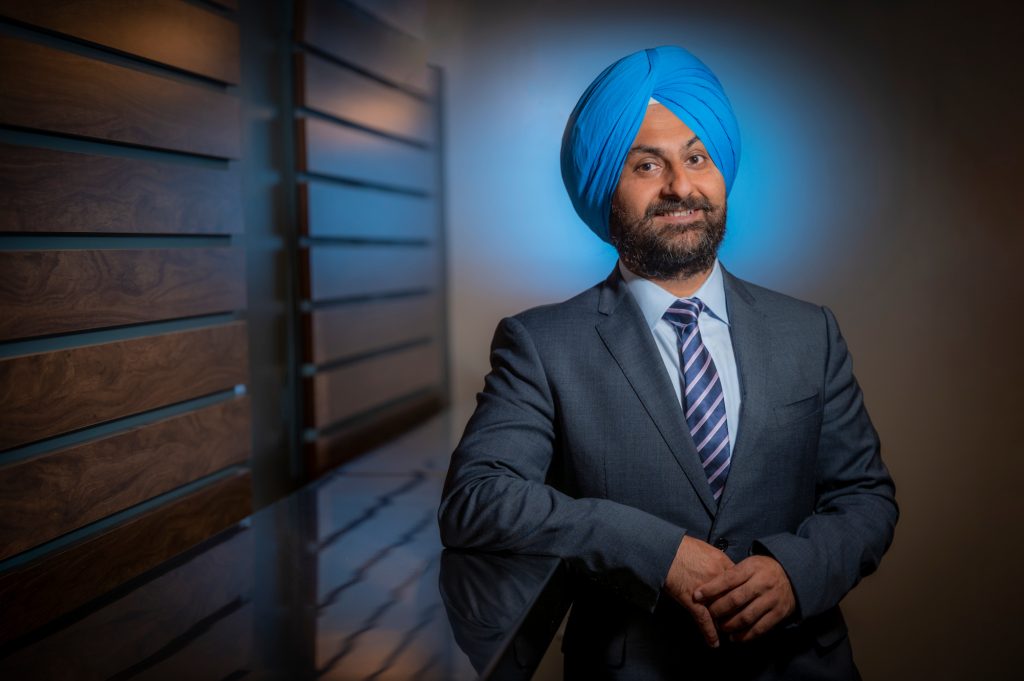
“When students encounter a problem in their code, we want them to understand why it happened and how to approach similar problems in the future,” Walia said. “SE Tutor will provide guidance as they work through that process. Our hope is that students gain the confidence and problem-solving skills to evaluate their own work, make thoughtful software decisions and apply what they learn in future courses and their careers.”
Unlike a general-purpose AI chatbot that can provide a complete solution, SE Tutor is designed to keep students actively involved in the reasoning process. For example, if a tool identifies a potential security problem, the tutor might ask students to consider what could happen if a user enters unexpected information or how they could test whether their program handles that information safely. Students can then investigate, make changes and evaluate their results.
The project aims to reach more than 2,000 students and engage more than 50 faculty members across the three participating universities.
The project will also create research opportunities for undergraduate and graduate students across the partner institutions, allowing them to contribute to the design, development and study of an AI-supported learning platform. Faculty workshops across the three campuses will help educators integrate SE Tutor into their courses, connect it with tools they already use and develop assignments that support and assess student learning.
“This award reflects our School’s continued leadership in computing education research, AI-supported learning environments, and externally funded educational innovation,” said Alexander Schwarzmann, PhD, dean of the School of Computer and Cyber Sciences.
The project team plans to make SE Tutor available as open-source software, along with free training materials and workshop recordings. Educators will also be able to share resources and ways they have incorporated the tool into their courses, helping expand its use beyond the three partner institutions.

 Jennifer Hilliard Scott
 Jamison Guice
 Milledge Austin
 Miguelangelo Hernandez