 Augusta University
 Aaron Smith
Augusta University’s Online EdD in Educational Innovation prepares higher education professionals to lead institutional change and improve student success.
As colleges and universities navigate changing student needs and evolving technology, the need for visionary leaders has never been greater. Augusta University’s Online Doctor of Education (EdD) in Educational Innovation with a concentration in Higher Education aims to prepare those leaders by equipping working professionals with the tools to drive meaningful change across higher institutions.
Built for educators and professionals who want to expand their impact while continuing their careers, the three-year online program combines leadership development, practitioner-focused research and real-world problem solving.
Rooted in the Carnegie Project on the Education Doctorate (CPED) model, the cohort-based program emphasizes culturally responsive leadership, social justice and evidence-based innovation.
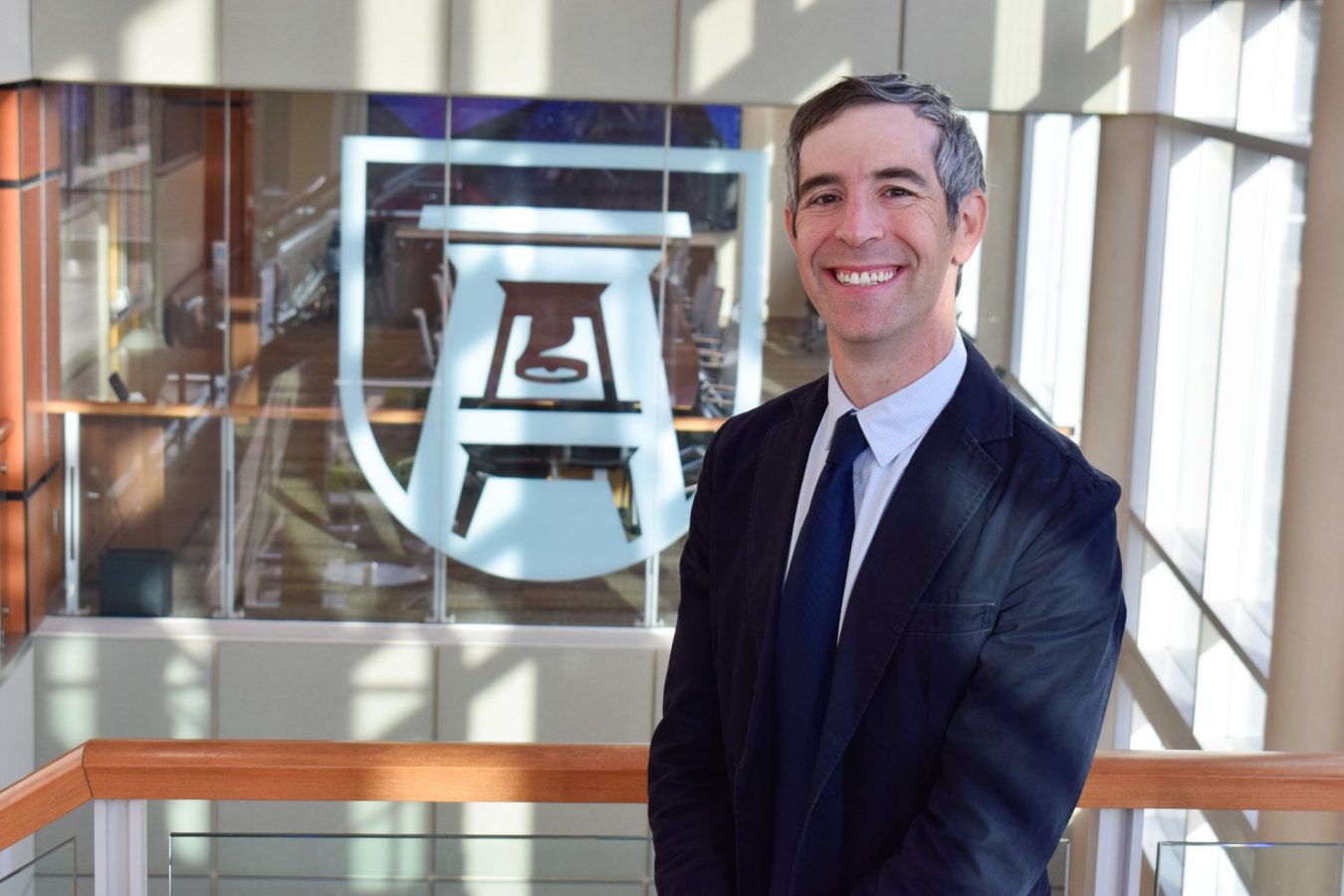
“This track is designed for anyone who is interested in taking on leadership roles in higher education and for those interested in working collaboratively with like-minded individuals to help navigate the complex issues facing higher education in the 21st century,” said Rory Tannebaum, PhD, chair of the Department of Teaching & Leading in the College of Education and Human Development. “Students gain the ability to understand and navigate those complex issues while learning to apply thoughtful, proven strategies to the real-world challenges that colleges and universities consistently face.”
Unlike traditional doctoral programs that often prepare students primarily for academic research careers, the EdD concentration is built for professionals who intend to remain in practice. Students learn to apply research directly to the organizations they serve, developing solutions that can improve student success, strengthen institutional effectiveness and address complex educational challenges.
Tannebaum attributed the program’s distinctiveness to its emphasis on practitioner-oriented learning and the expertise of its faculty in higher education leadership.
“What sets this track apart is its dedicated faculty whose expertise is in higher education leadership and a curriculum designed specifically for scholar-practitioners who want to learn essential theories and how to apply them to real-world issues in higher education,” he said. “The curriculum was intentionally designed to prepare students through a combination of scholarly and practical application activities, exposing them to the nuances of working within higher education and helping them collaboratively solve complex problems grounded in theory and real-world experiences.”
Flexibility is central to the program’s design. Courses are available primarily online through asynchronous instruction, allowing students to balance doctoral study with professional and personal commitments. Optional synchronous sessions provide additional opportunities for collaboration, discussion and engagement with faculty and peers.
The cohort model further distinguishes the program. Rather than moving through coursework independently, students develop relationships with a small group of fellow professionals who advance through the curriculum together. Tannebaum noted this structure creates a supportive learning community while fostering professional networks that often extend beyond graduation.
“The cohort experience provides significant value beyond the classroom,” he said. “The model allows students to build a network of like-minded scholar-practitioners interested in serving in leadership positions across higher education.”
Ultimately, the program is designed for professionals who have big ideas about the future of higher education and want the knowledge, credentials and leadership skills to bring those ideas to life. Whether their goals include leading academic programs, shaping institutional policy, advancing student success initiatives or pursuing executive leadership roles, graduates will leave prepared to make a lasting impact across higher education and beyond.
“Students should pursue this degree as a means to create meaningful change both within their careers and the broader higher education community,” Tannebaum said. “This degree will lead to countless opportunities for students to both enter into and advance within higher education.”
Applications for the spring cohort are due Sept. 15.

 Miguelangelo Hernandez
 Staff
Staff
 Haley Crain