 Augusta University
 Felicia Baskett
Students experimented with artificial intelligence and future cyber professionals discovered the power of coding during Augusta University’s School of Computer and Cyber Sciences’ VICEROY Kids Coding Camp.
More than 60 students from across the region participated in the free weeklong camp, where they learned about coding, robotics, cybersecurity, cyber ethics and online safety through hands-on activities designed to make technology engaging and accessible.
From elementary and middle school students learning to code for the first time to college students and alumni returning as mentors, SCCS is helping build the next generation of cyber talent.

“We’re trying to introduce them to computational thinking as a way to bring them into programming,” said Michael Nowatkowski, PhD, a professor at the School of Computer and Cyber Sciences. “One of the things that is important for kids that early to understand is that there are pathways for them to learn more about programming.”
The camp is funded through the VICEROY program, a congressional initiative established under the John S. McCain National Defense Authorization Act for Fiscal Year 2019 to strengthen the nation’s cybersecurity workforce by supporting Cyber Institutes at institutions of higher education. The School of Computer and Cyber Sciences receives VICEROY funding to provide educational opportunities like the free Kids Coding Camp, introducing students to coding, robotics and cybersecurity at an early age.
[Photos by Felicia Baskett/Augusta University]
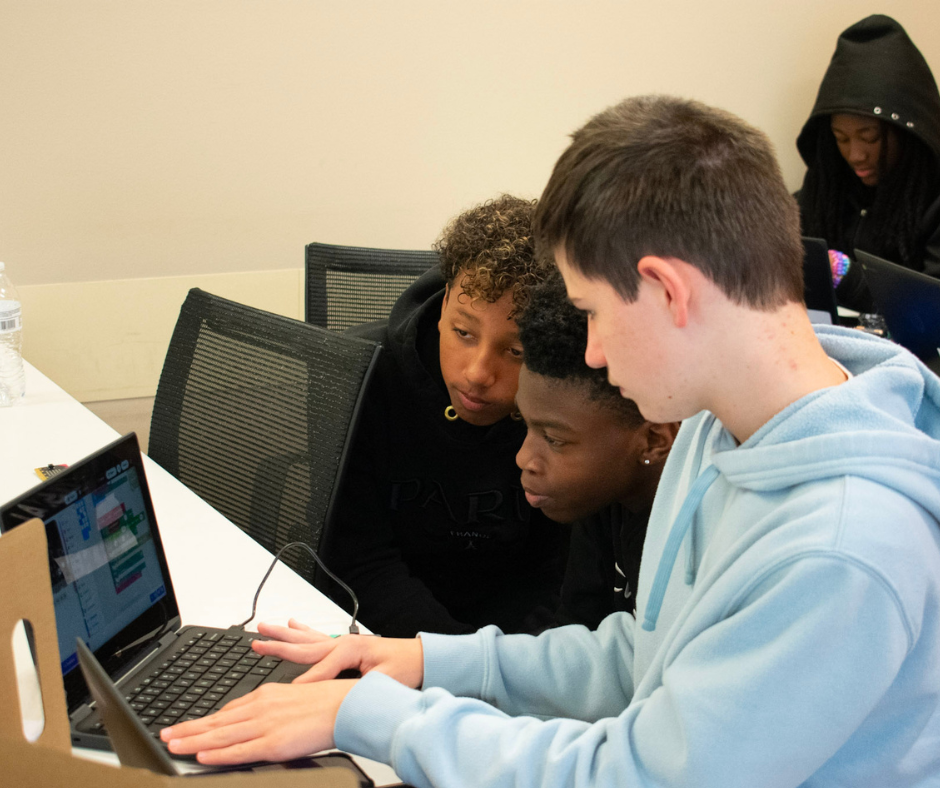
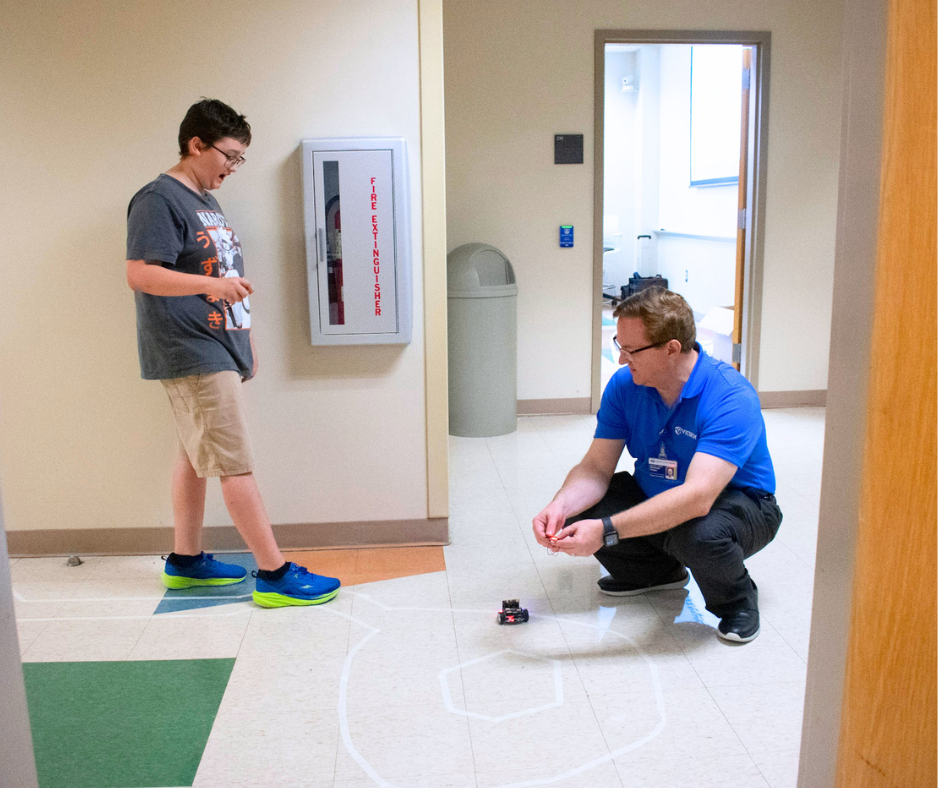
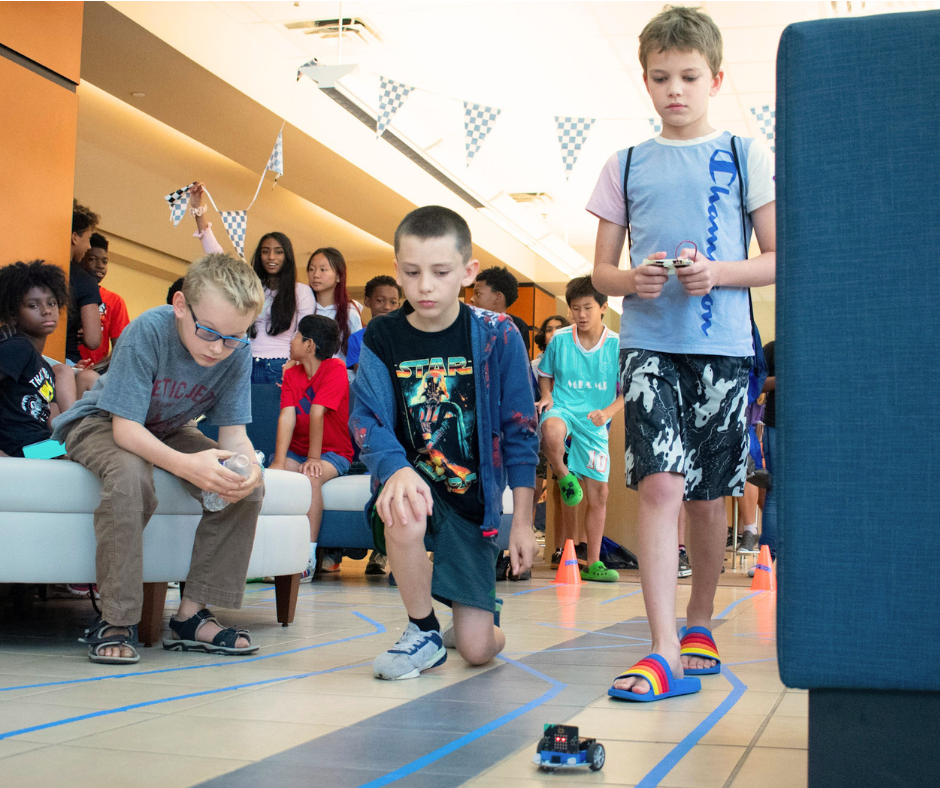
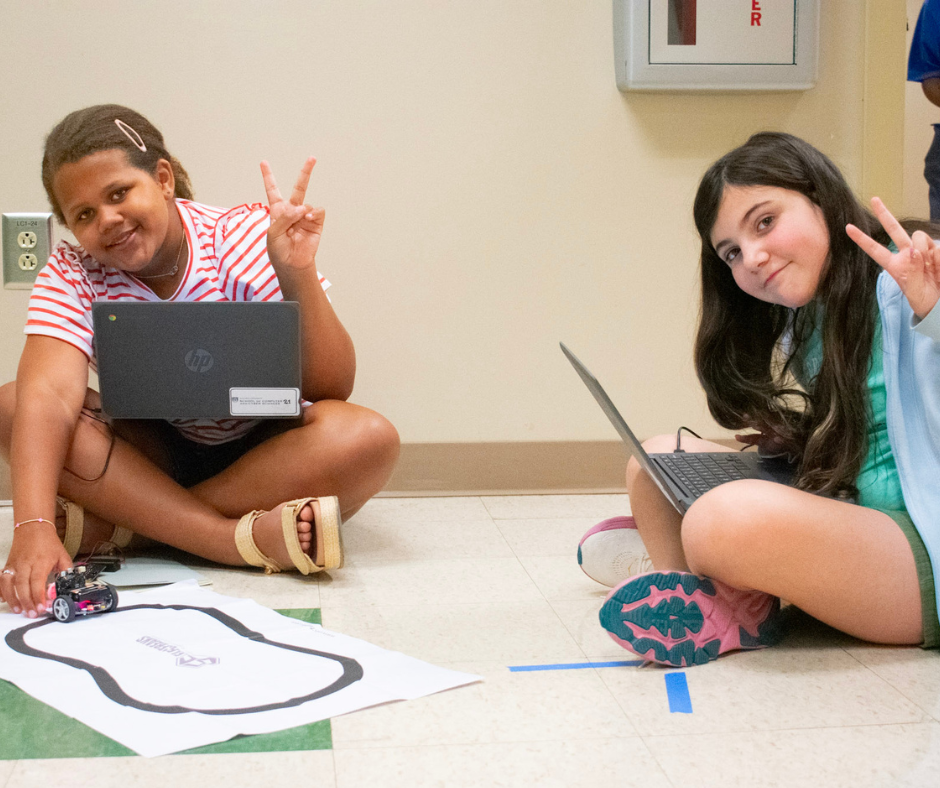
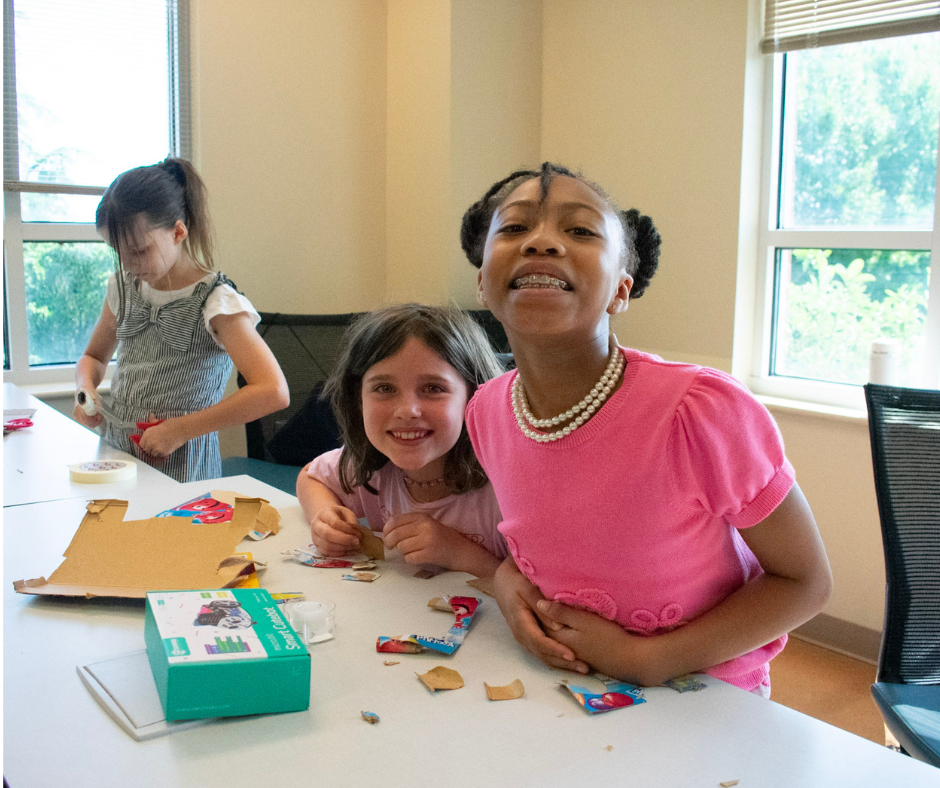
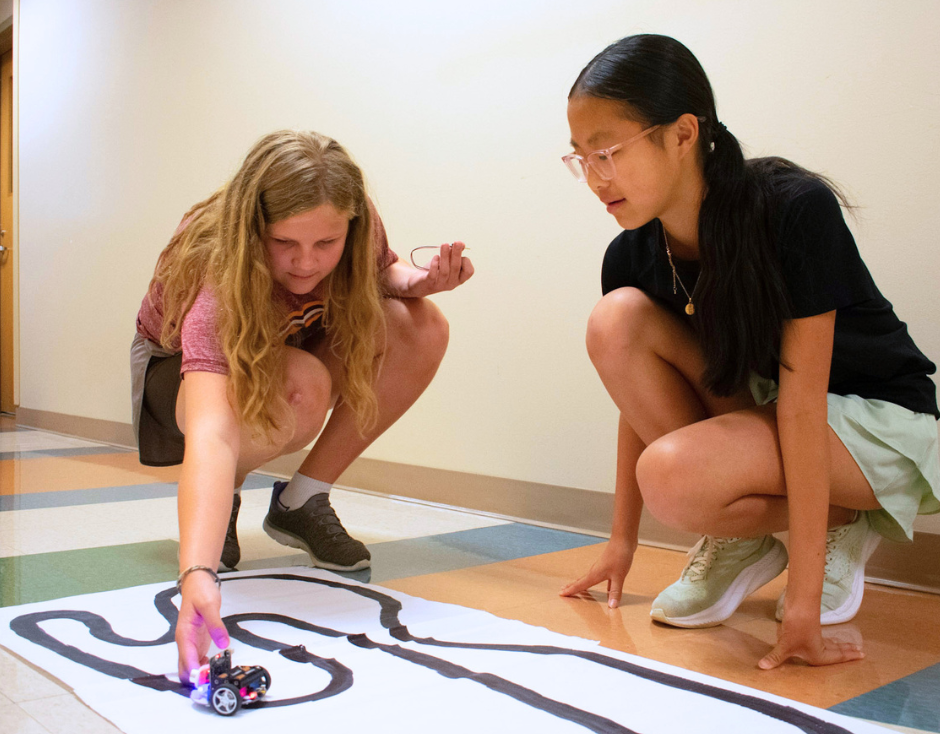
Throughout the week, campers programmed Micro:bits, learned Python, experimented with AI projects and put their coding skills to the test by designing and racing Cutebots. While the lessons focused on coding and cybersecurity concepts, organizers said the broader goal is helping students develop problem-solving skills and understand the opportunities available within technology fields.
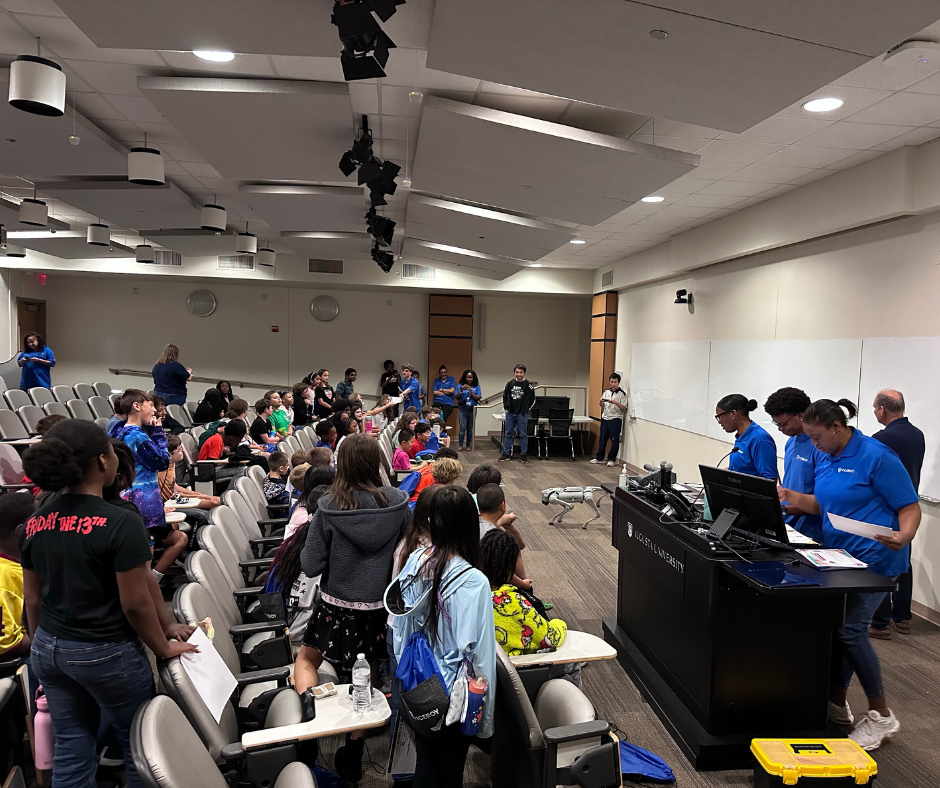
Campers also got a glimpse into the advanced research at SCCS when doctoral students Jiaping Liao, Zihao Mo and Shuaizheng Lu visited the camp with a robotic dog demonstration. The presentation allowed students to see robots race across classroom floors while giving them an opportunity to see how coding, AI and robotics come together in real-world applications.
The camp’s mentors are proof of the impact early exposure to technology can have.
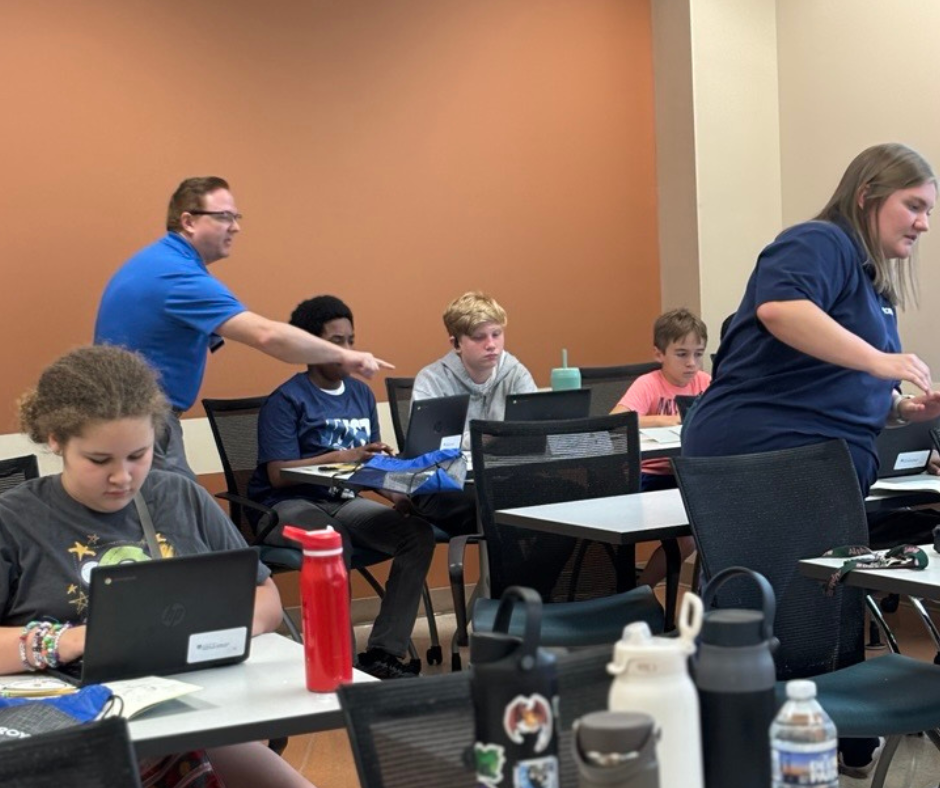
Madeleine White, a junior in SCCS’ Cyber Operations program, said her own interest in computer science began through programs similar to VICEROY Kids Coding Camp.
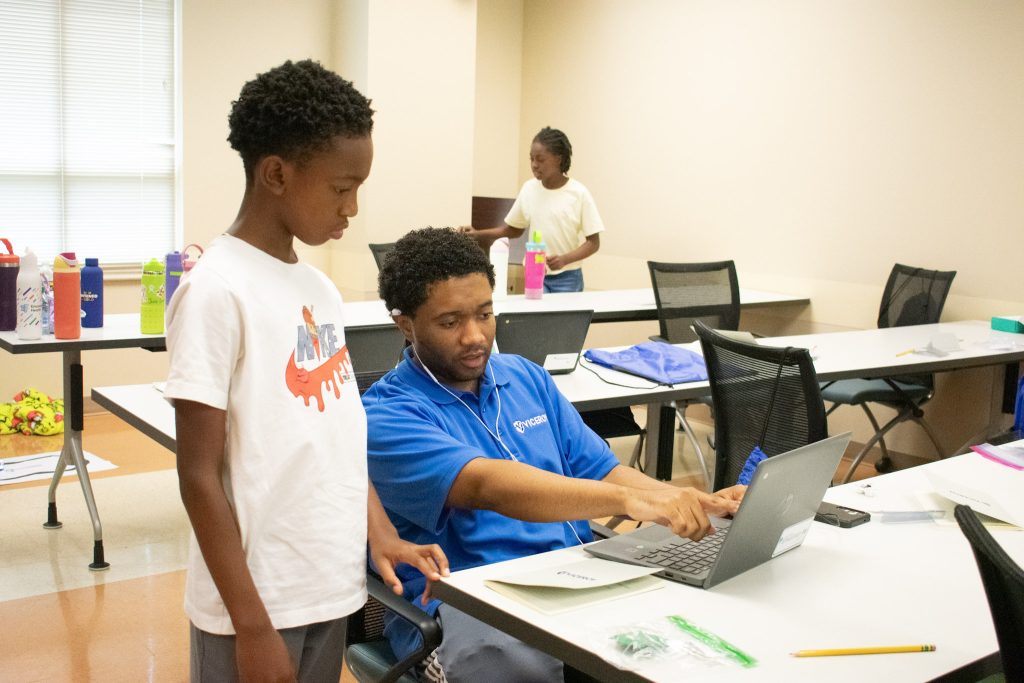
[Felicia Baskett/Augusta University]
“I got into computer science through camps like this,” said White. “I was involved in coding programs in high school, and that’s how I was introduced to coding. Having the opportunity to come back and give that same experience to younger students is really rewarding.”
The most rewarding moments for White come when students realize technology is more than just coding and that it’s a chance to be creative.
“I love seeing everything click,” she said. “I love watching them have fun with the robots and realize they can use their creativity to create something great, whether that’s a game, a robot or an AI project.”
The same full-circle experience resonates with Gabriel Horton, an AU alumnus who earned both his bachelor’s degree in cybersecurity and master’s degree in information security management., Horton returned for his second year as a camp mentor.
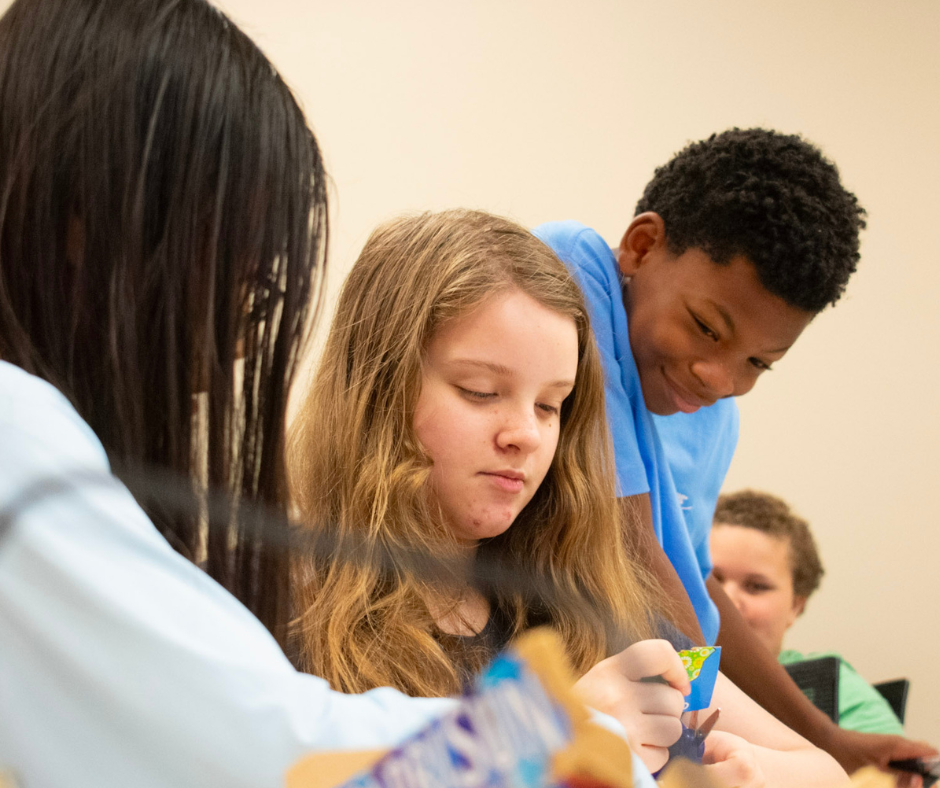
[Felicia Baskett/Augusta University]
“Helping these kids get an understanding of computer science is important,” Horton said. “Even though it’s block coding, it’s a huge step forward.”
Campers like Elijah Walker are already imagining where those skills could take them.
“Sometimes I think about the future and imagine myself coding or creating a robot,” he said.


 Jennifer Hilliard Scott
![Participants listen and engage during the Connected for Life Open-House event. [Aaron Smith/Augusta University]](https://jagwire.augusta.edu/wp-content/uploads/sites/15/2026/10/DSC_9186-332x249.jpg)
 Aaron Smith
 Paige Tucker
 Valerie Emerick