Augusta University
Leading psychedelic researcher joins MCG to advance mental healthcare
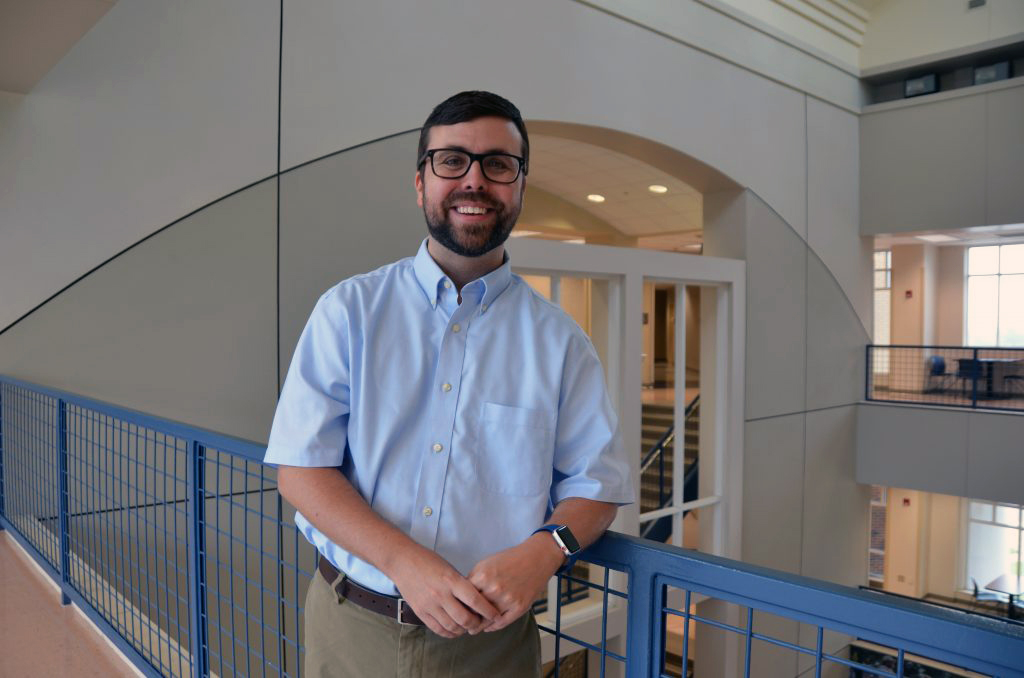
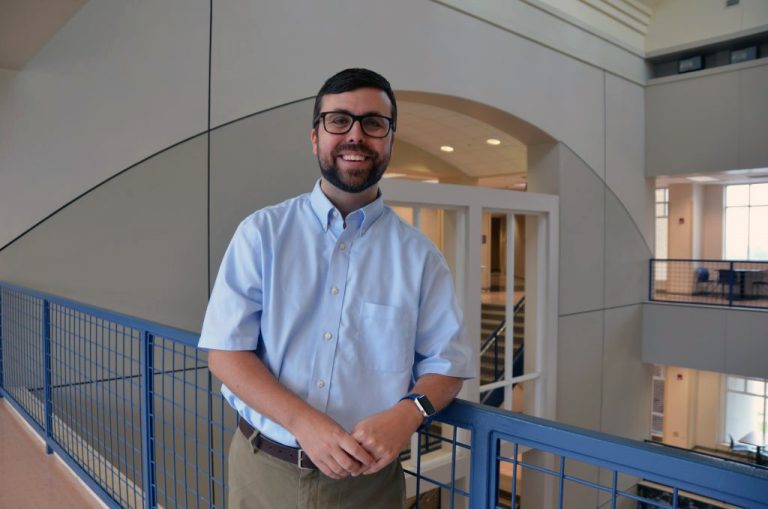
Matthew W. Johnson comes to MCG after more than two decades at Johns Hopkins University, where he was a pioneering member of the institution’s psychedelic research program.




Matthew W. Johnson comes to MCG after more than two decades at Johns Hopkins University, where he was a pioneering member of the institution’s psychedelic research program.
Matthew W. Johnson comes to MCG after more than two decades at Johns Hopkins University, where he was a pioneering member of the institution’s psychedelic research program.
Matthew W. Johnson comes to MCG after more than two decades at Johns Hopkins University, where he was a pioneering member of the institution’s psychedelic research program.








John Ryan Honored with FBI Director's Community Leadership Award
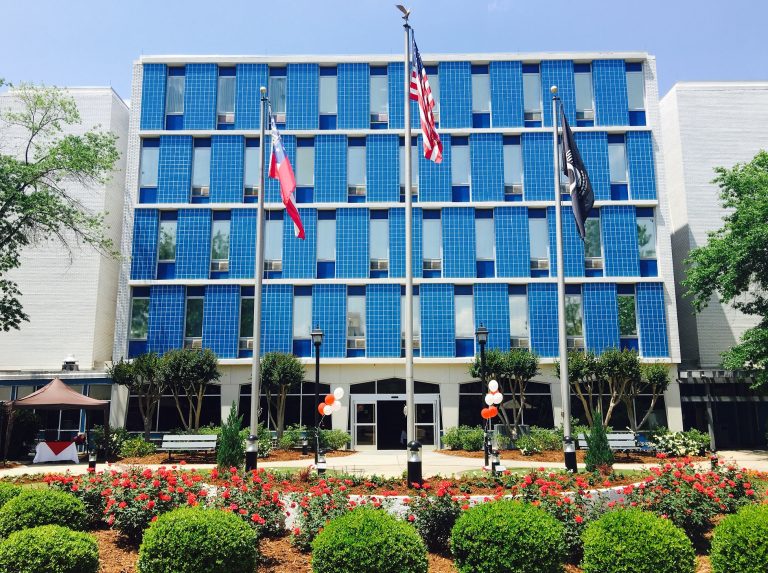
Student Health Center Celebrates Relocation
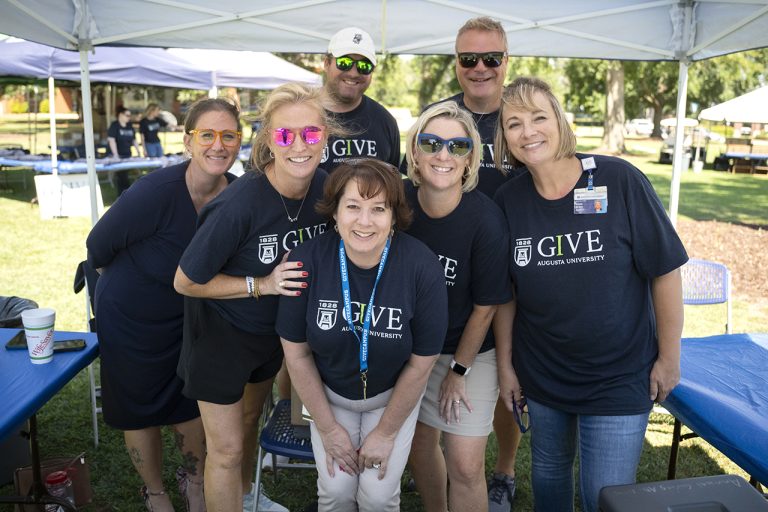
Costa Layman Health Fair celebrates 20 years
The book is designed for current instructors of public administration, political science and social science.
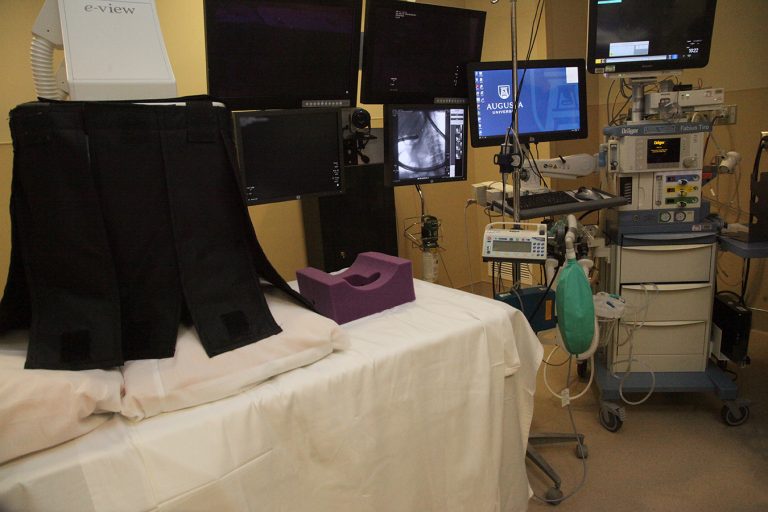
In a Grand Rounds presentation earlier this month, a gastroenterologist shared that doctors could save the lives of enough patients to fill Yankee Stadium five times over if they could increase colorectal cancer screening rates.

Augusta University’s Dr. Darrell Thompson was elected vice president of the Georgia Board of Nursing in January after being appointed to the board by the governor last year.
Preview the upcoming replacement to PAWS, the intranet site currently used by both university and health system employees.
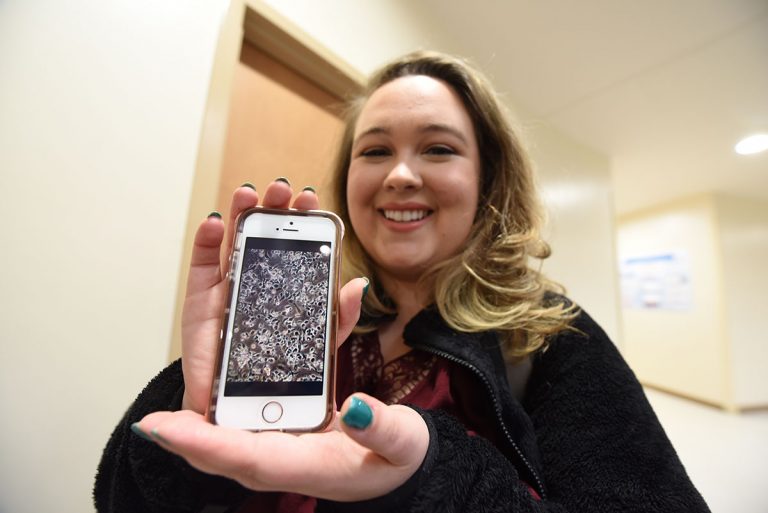
A close faculty mentor and more than two years of research experiments led one Augusta University student to a breakthrough.