Augusta University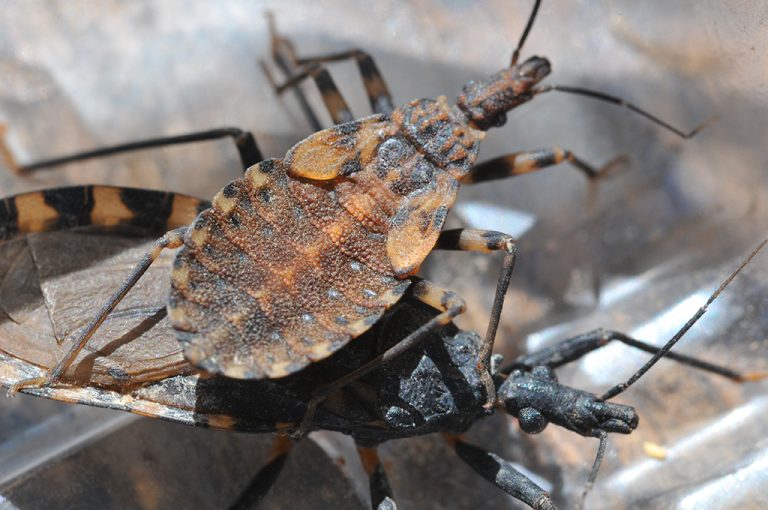
Vazquez explores answers with research focused on Chagas disease
Trypanosoma cruzi, also known as Chagas disease, is found predominantly in Latin America with 240,000 to 350,000 infected individuals in the United States.




Trypanosoma cruzi, also known as Chagas disease, is found predominantly in Latin America with 240,000 to 350,000 infected individuals in the United States.
Trypanosoma cruzi, also known as Chagas disease, is found predominantly in Latin America with 240,000 to 350,000 infected individuals in the United States.
Trypanosoma cruzi, also known as Chagas disease, is found predominantly in Latin America with 240,000 to 350,000 infected individuals in the United States.








John Ryan Honored with FBI Director's Community Leadership Award
Student Health Center Celebrates Relocation
Costa Layman Health Fair celebrates 20 years

The book is designed for current instructors of public administration, political science and social science.

From developing some of the first oral contraceptives to pioneering telemedicine technologies for faster stroke intervention, doctors at Augusta University and its historic Medical College of Georgia have long been recognized as leaders in discovery, innovation and patient care.

“When people don’t have access to medical care and they can’t afford transportation, those situations truly impact the health of the community.”

In 2016, Augusta University unveiled its inaugural quality enhancement plan, Learning by Doing, bringing students and faculty together.

“I definitely see the importance of regional hospitals. When communities lose regional hospitals, communities die.”