Augusta University
 Miguelangelo Hernandez
A medical emergency two years ago involving someone Jose Vazquez, MD, knows jumpstarted research into a tropical disease that affects an estimated six to seven million people worldwide.
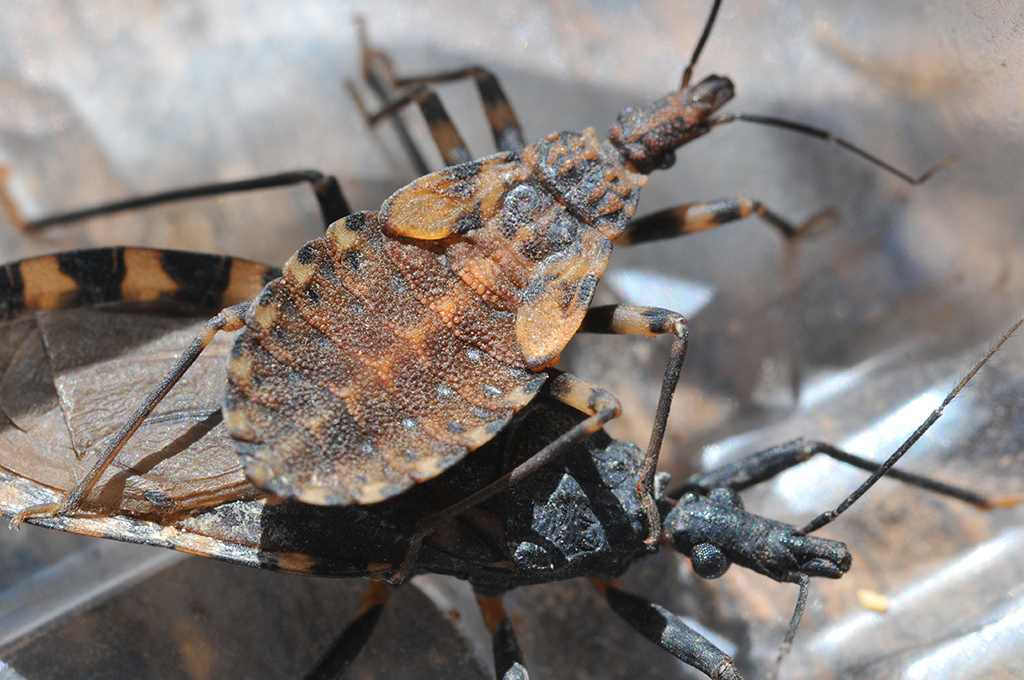
Trypanosoma cruzi, also known as Chagas disease, is found predominantly in Latin America with 240,000 to 350,000 infected individuals in the United States.
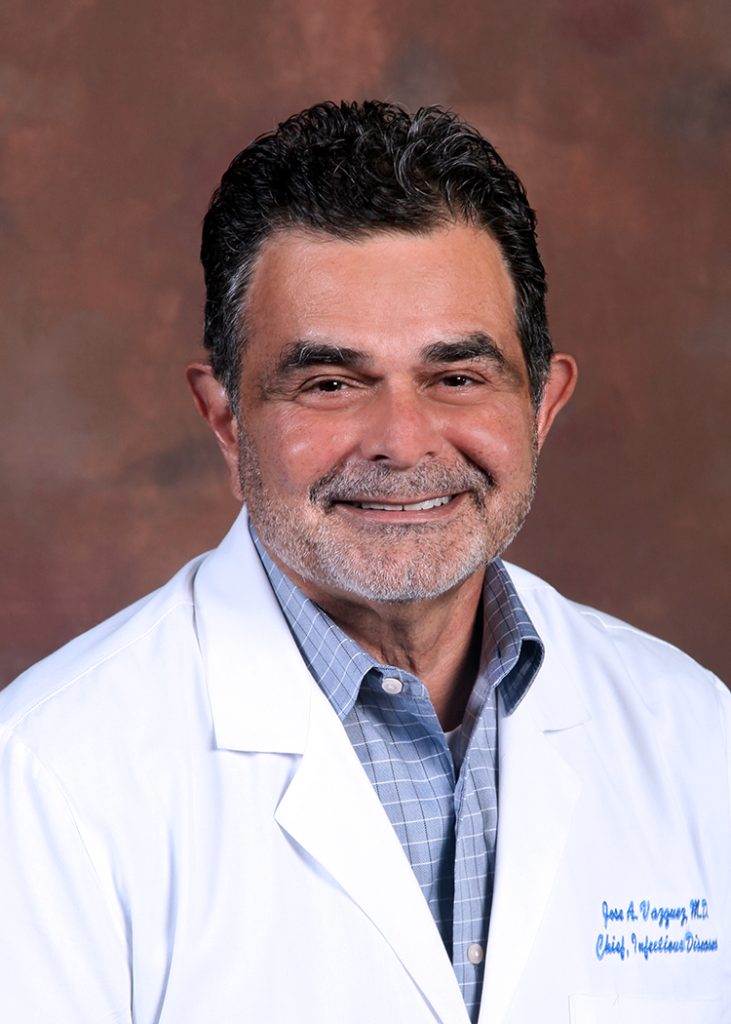
Vazquez, who is division chief and professor of medicine of infectious diseases with the Medical College of Georgia at Augusta University, said the “kissing bug” attacks the esophagus and gastrointestinal tract to weaken them. The disease can lead to heart attacks, cardiac arrhythmias, congestive heart failure and pulmonary edema.
“My gardener is from El Salvador and he was admitted to the hospital in cardiac arrest, and he ended up with severe heart disease. After a complete work up, we found out that he actually had Chagas Disease with severe cardiomyopathy,” Vazquez said. “He was eventually treated for T. cruzii infection and now has a pacemaker and defibrillator. He was actually back to work within a few weeks of the episode.”
Upon learning where he was from, Vazquez instructed the gentleman to call home and tell his family to get tested. All his relatives were positive and were treated.
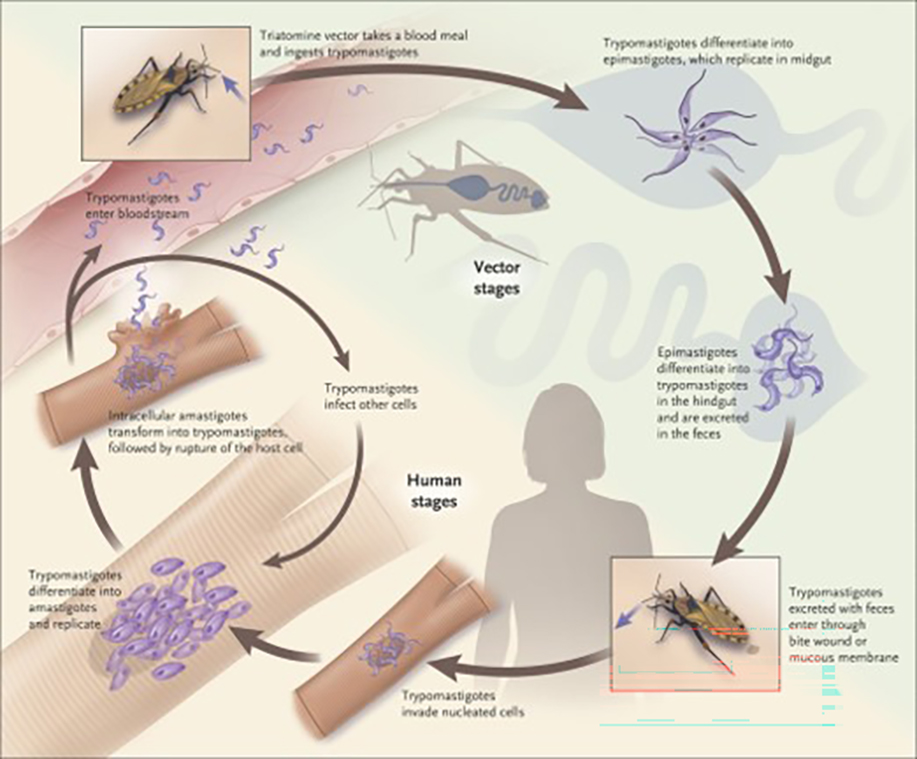
Chagas, which affects children and adults, is asymptomatic in 70% of cases. Most bugs deposit infected feces near a bite wound and the trypomastigotes enter there or intact mucous membranes. Transmission can also happen congenitally (mother to fetus), through blood transfusion and organ/stem cell transplant, orally through contaminated food or beverages or in laboratory accidents.
Vazquez and his team have participated in the Costa Layman Health Fair for the past two decades testing for HIV with the Ryan White Program. This year, he thought it would be good idea to test the farmworkers to see what the prevalence rate of Chagas is in that population since most are from Mexico and several Latin American countries.
“It’s called a seroprevalence study, meaning our goal was to see what percent of individuals working on the farm are positive for the Chagas antibodies. With the help of the Nursing Schhol, we were able to obtain 155 blood specimens the week before the health fair and 15 came back positive,” Vazquez said. “That’s almost a 10% rate of positivity in these patients. We followed up with electrocardiograms and echocardiograms on those patients, and I think there was one that had an abnormality that might have some kind of cardiac issues. It is important to note that a recent study from Columbia and Greenville, South Carolina, noted a positivity rate of 2-3%.”
Vazquez credits this year’s blood testing and treatment to grants he received from the Augusta University College of Nursing and MCG’s Department of Medicine.
Vazquez said among those affected, many were from southern Mexico and Guatemala. He explained that the results help in two ways: identifying which patients are positive and starting the process of getting the medication for them and increasing awareness of this infection in the CSRA. Most of the farmworkers do not have insurance, so multiple treatment options are being explored.
The next step will be to notify the South Carolina Department of Public Health now that they know members of their population are positive. Anyone coming in from Latin America with cardiac disease or problems with esophageal disease should be screened for Chagas.
“The more that I started looking at it and then knowing what our population was at Costa Layman and where they come from, I said that would be a population to study to see what our seroprevalence rate is,” Vazquez said. “Again, the reason why I’m doing it is twofold: One is if they’re positive, so we can treat them and maybe prevent these complications. Number two, the seropositivity is somebody coming in from El Salvador has got cardiac disease. We’re going to do an antibody test for this. Our study was carried out prospectively so we can prepare for the future.”

 Haley Crain
 Jennifer Hilliard Scott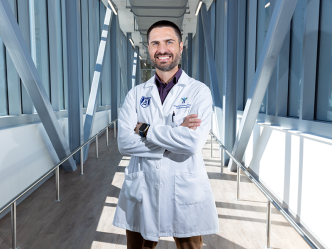
 Milledge Austin