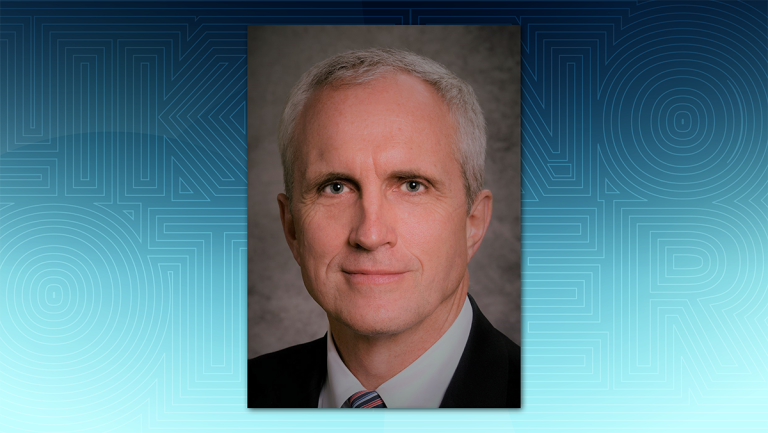
“Many adults with ID are going to require services and support. They’re likely going to require housing support, employment support and many of them are food insecure. I think policymakers at both the state and federal level need to know about this because, regardless of whether or not our policymakers support Medicaid expansion, many people with ID are also going to need adequate health care coverage because the vast majority of people with intellectual disability are not employed,” said Teal Benevides, PhD, assistant professor at the Institute of Public and Preventative Health at Augusta University.
 Augusta University