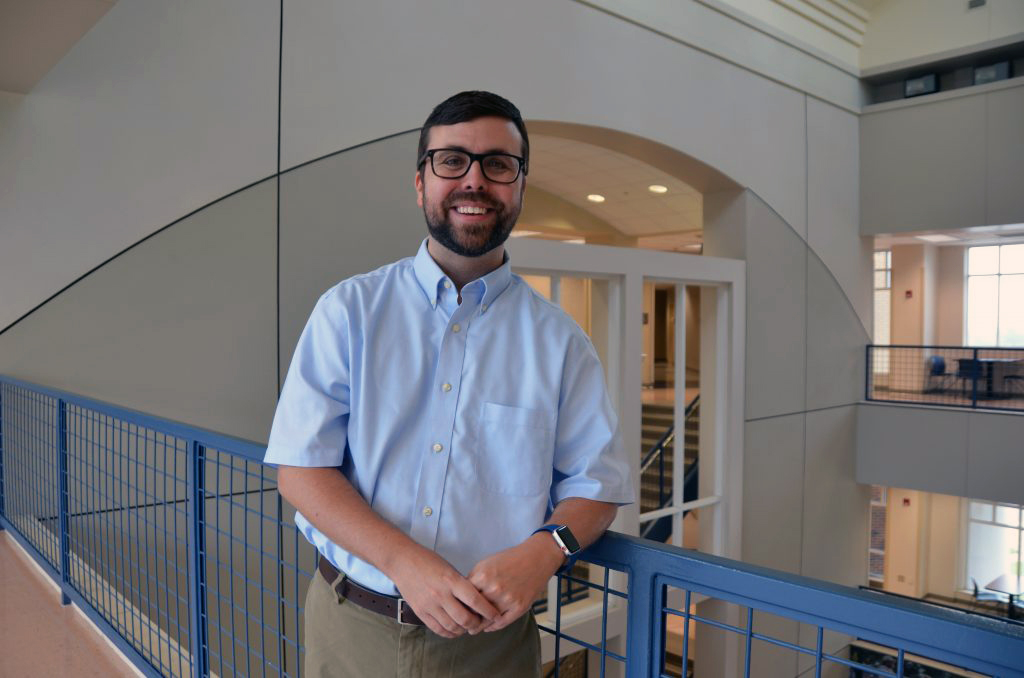
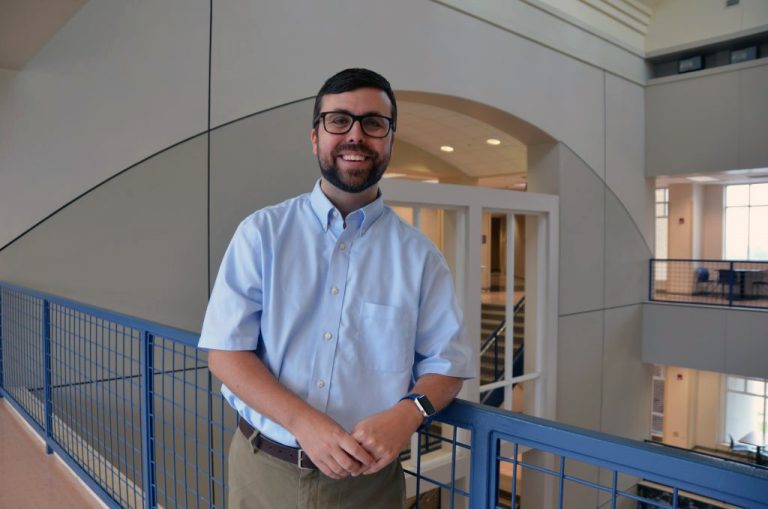
COEHD Teacher Preparation Programs earn top marks in reading instruction
The national recognition comes at a critical moment. Data shows two out of every five fourth graders – around 1.4 million students – are unable to read at a basic level.

Augusta University plans to expand its animation program to include an additional 21 faculty members in the Department of Art and Design, which will make it possible to attract about 400 more animation students in the coming years.

The national recognition comes at a critical moment. Data shows two out of every five fourth graders – around 1.4 million students – are unable to read at a basic level.

The national recognition comes at a critical moment. Data shows two out of every five fourth graders – around 1.4 million students – are unable to read at a basic level.


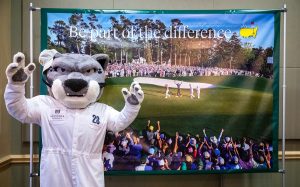
The annual Pancakes and Partnership Awards celebrates AU faculty, staff, students and community partners collaborating and strengthening community engagement.


TUNE IN


STAY INFORMED
Jag Mobile is a one-stop virtual location for all need-to-know information and a centralized resource for other apps. This will include news and alerts, department updates, emergency information, health resources, student updates and more.
Stay connected and download “Jag Mobile by AU” today!
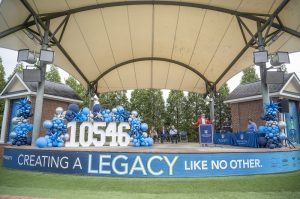
The annual event was held Sept. 7 on the Summerville Campus.

The book is designed for current instructors of public administration, political science and social science.

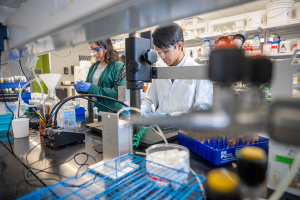
AU is one of only 12 chapters nationally to be earn both the “Outstanding” designation, as well as receive a Green Chemistry Award from the American Chemical Society.

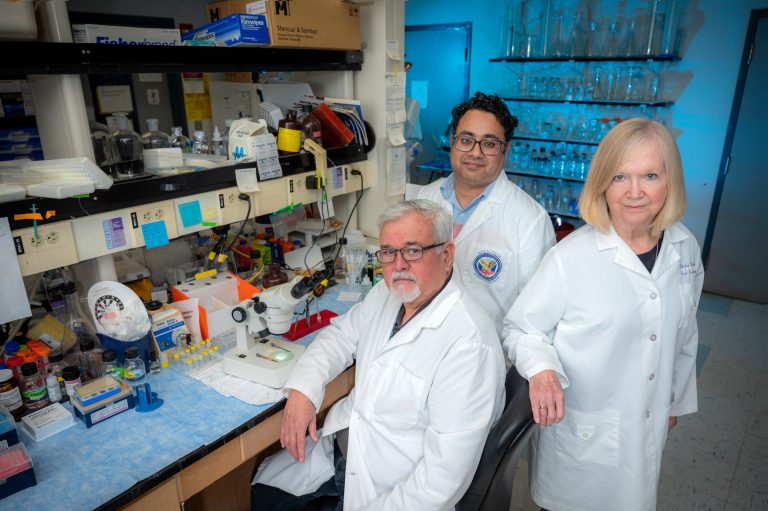
An Augusta University researcher is partnering with the University of California San Diego to unravel the complexities of Staphylococcus aureus vaccine failures.

Faculty, staff and students from Augusta University can volunteer at Junior Achievement Discovery Center to help middle students learn valuable life skills, such as financial literacy and career readiness.

This significant investment was primarily aimed at bolstering areas where the university expects to see the most growth in core classes that first- and second-year students need to progress toward their degree, but the funding will also support all areas of enrollment growth through increasing student support in areas.