 Augusta University
 Toni Baker
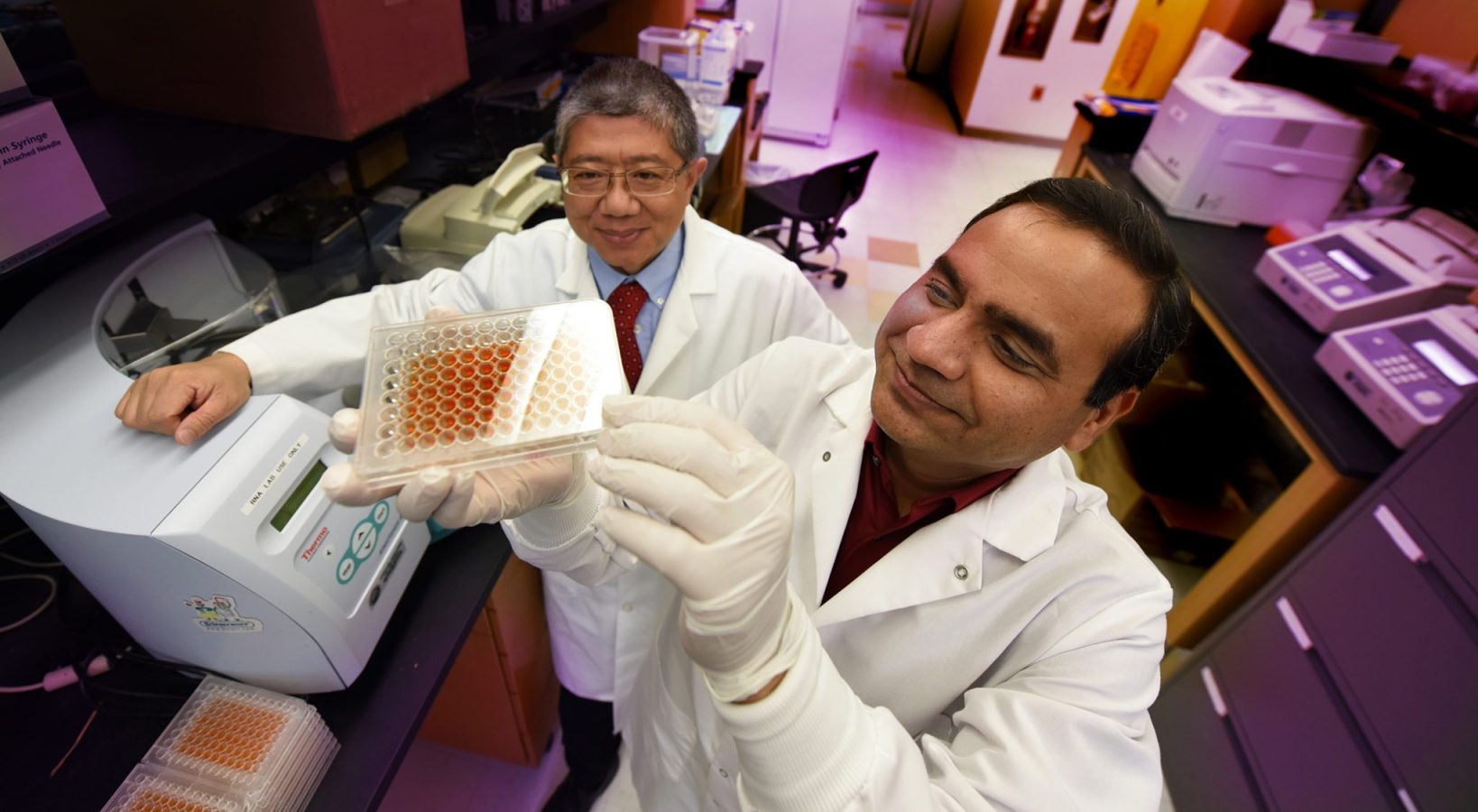
The TEDDY study’s international research team has identified the new gene regions in young people who have already developed type 1 diabetes or who have started making antibodies against their insulin-producing cells, often a precursor state to the...

 Denise Parrish
The third annual Eye Ball, a fundraiser for the James and Jean Culver Vision Discovery Institute at Augusta University, will be held at 6 p.m. Feb. 24 at the Ritz-Carlton at Reynolds Plantation in Greensboro, Georgia.
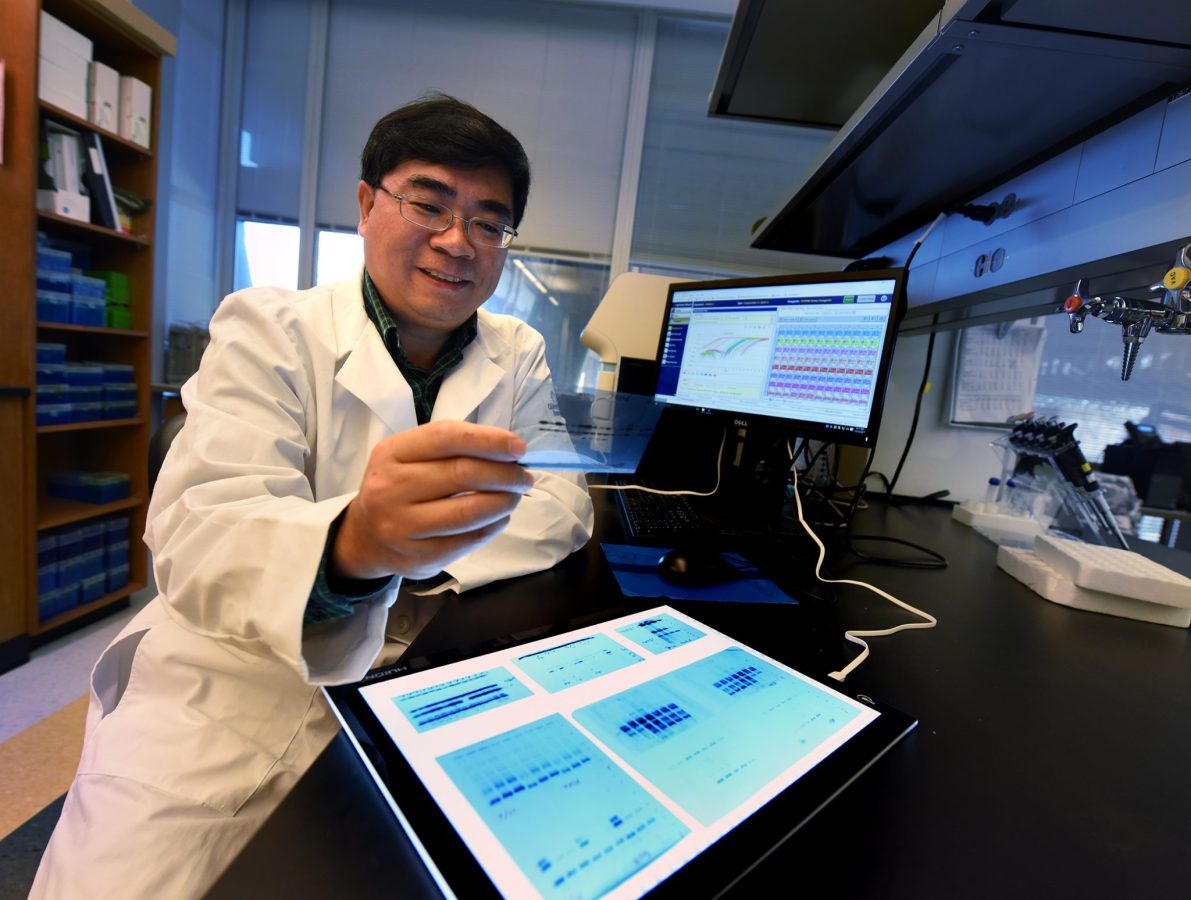
A Medical College of Georgia research team has emerging evidence that a little-known gene may have a big role in keeping our Paneth cells – and us – healthy and active.

 Sara Carney
AUGUSTA, Ga. – Anxiety disorders are estimated to affect approximately 30 percent of people in the United States. Despite this prevalence, access to care can be a challenge. Many to seek help from their primary care provider rather than a mental...
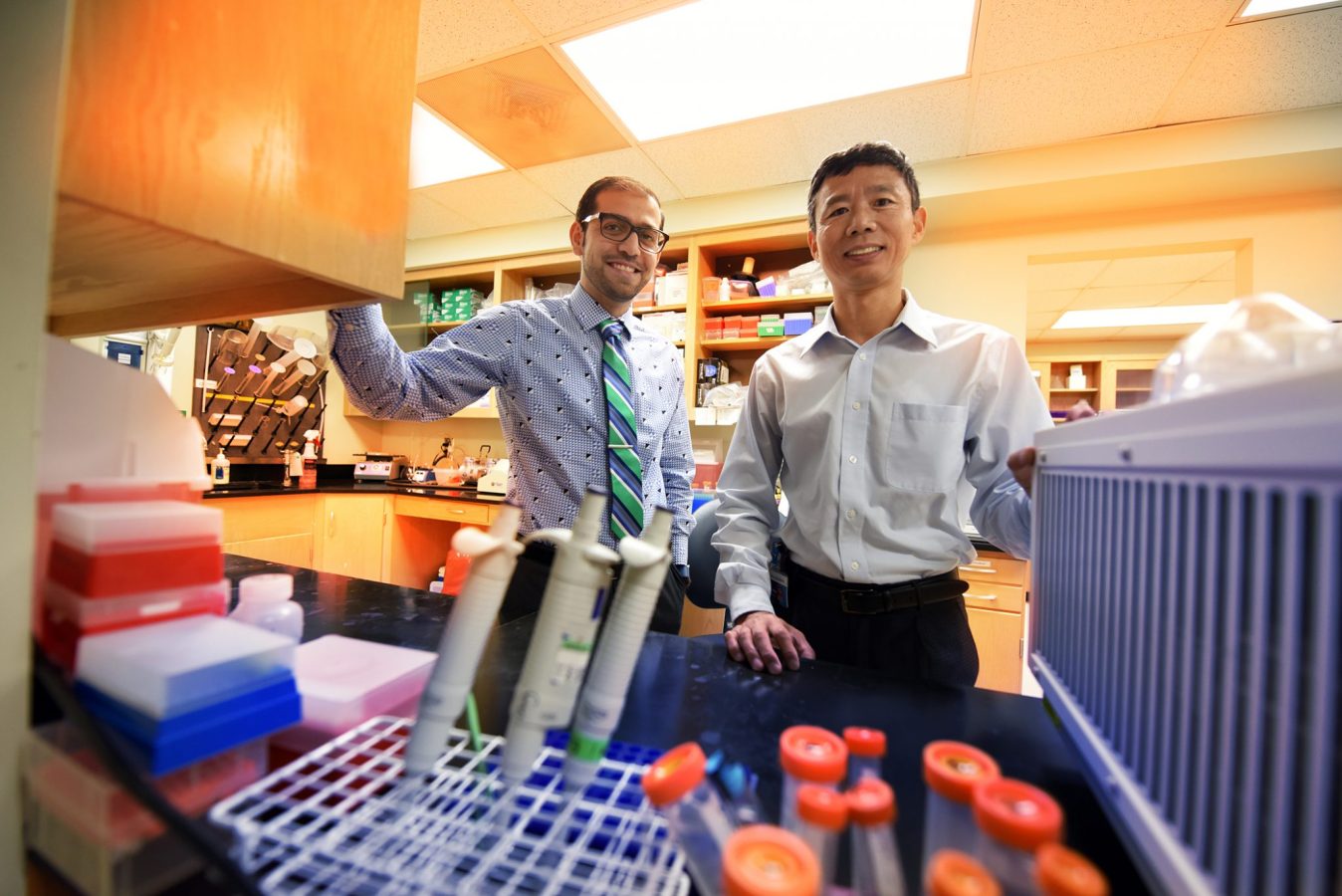
In just months, high-doses of vitamin D has been found to reduce arterial stiffness in young, overweight or obese African-Americans.
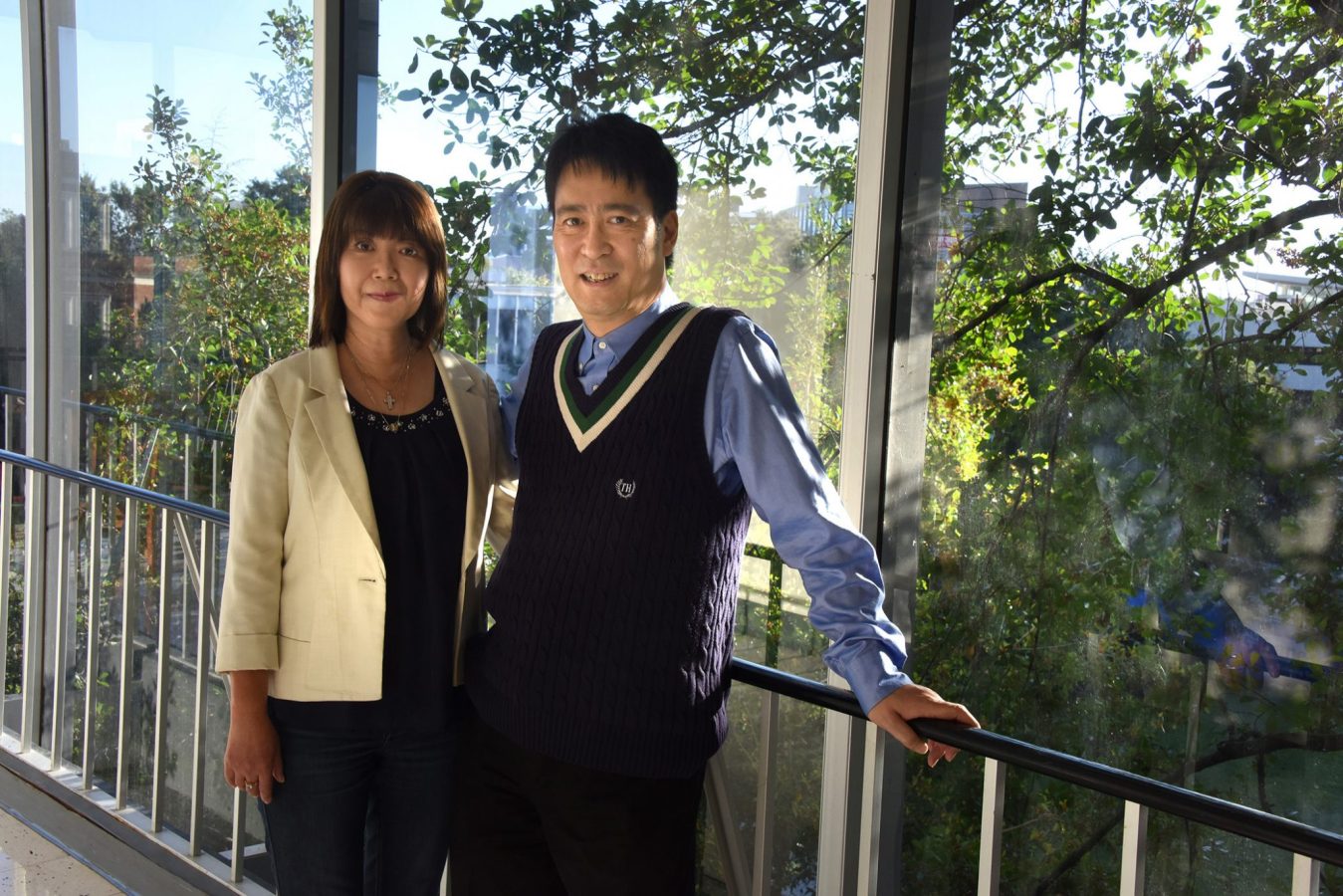
It’s a metal we worry thieves will steal from our air conditioners or power lines, but inside our bodies too much copper can result in a much larger loss.

 Chris Curry
What started out as a fun football game at a South Carolina elementary school has brought family and friends together to support a child battling an aggressive brain cancer.
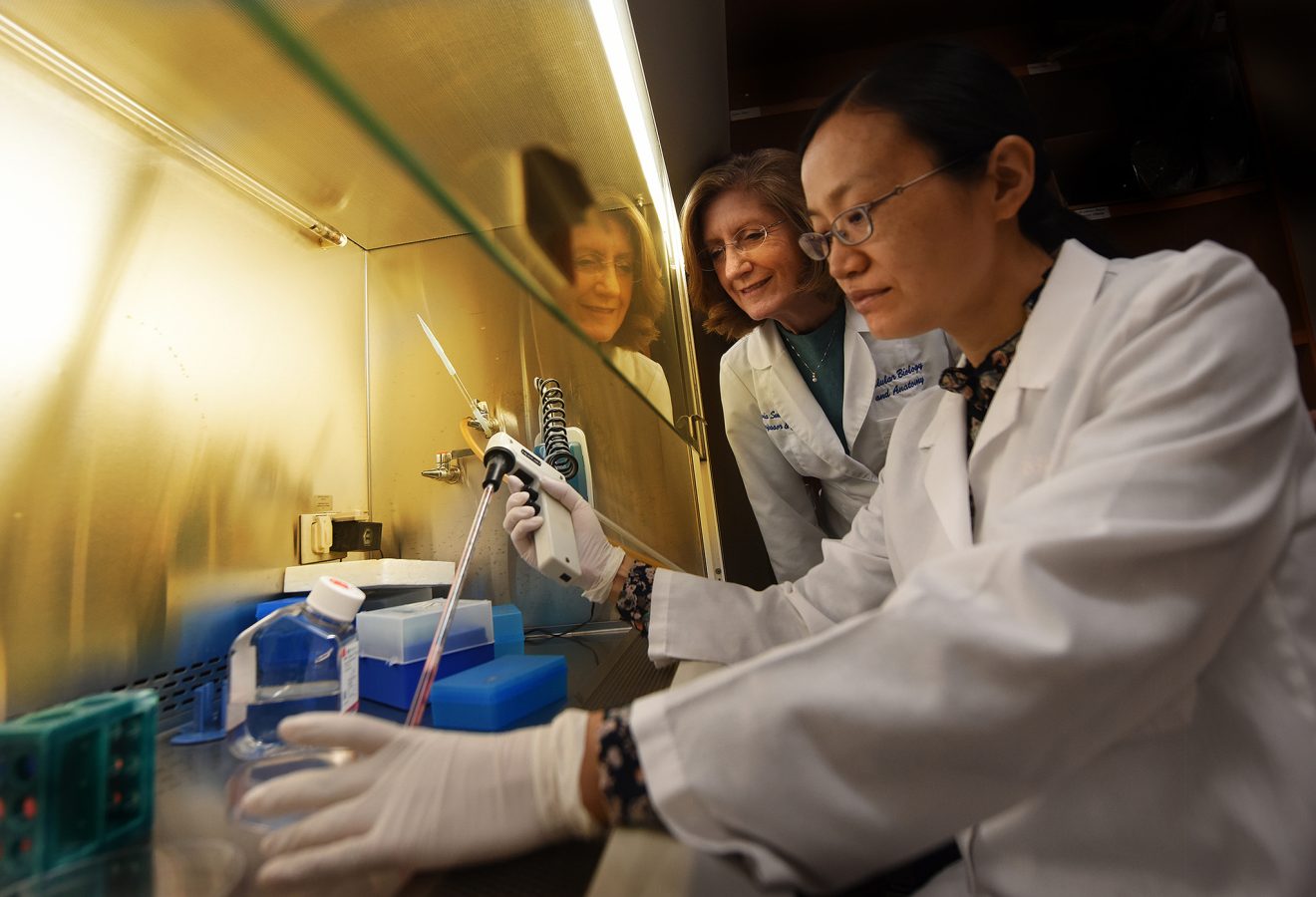
Scientists have shown that a medicine prescribed for severe pain can help preserve vision in a model of severe, blinding retinal degeneration. Now they want to know more about how it works.

A decade of data indicates the HPV vaccine is safe and effective long term, researchers report.

 Jennifer Hilliard Scott
Dr. Arni S.R. Srinivasa Rao, a mathematical modeler in the Department of Population Health Sciences at the Medical College of Georgia at Augusta University, is the leading coeditor of two new volumes of the Handbook of Statistics series. Rao edited...
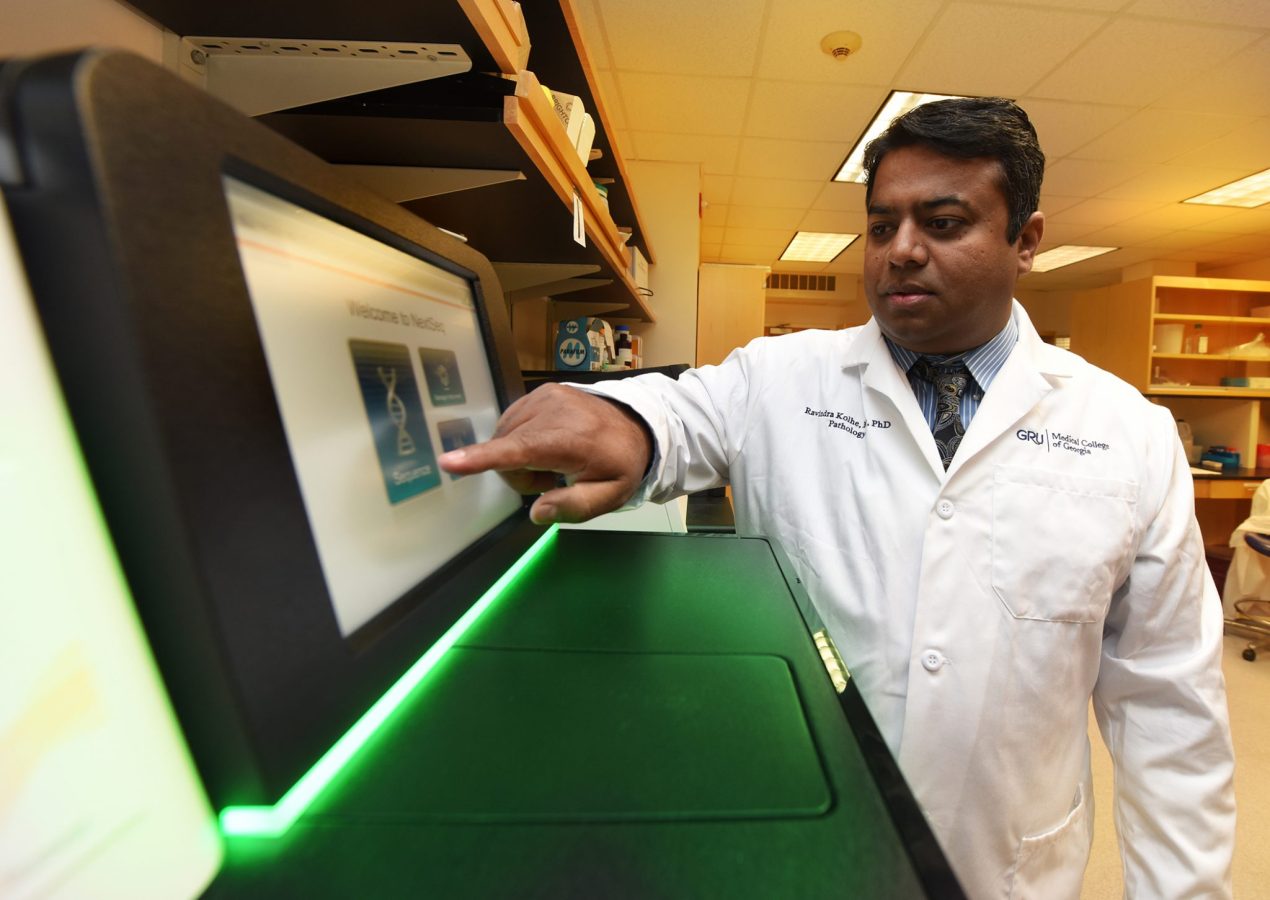
Patients diagnosed with the most common form of leukemia who also have high levels of an enzyme known to suppress the immune system are most likely to die early, researchers say. High levels of this enzyme, indoleamine 2,3 dioxygenase, or IDO, at...

Dr. Jennifer E. Miller, an assistant professor of medical ethics and population health at New York University and president of Bioethics International, will speak at Augusta University Wednesday, Dec. 6. Her public talk, Ethics, Transparency and...

Cooperative group trial helping leukemia patients #url#
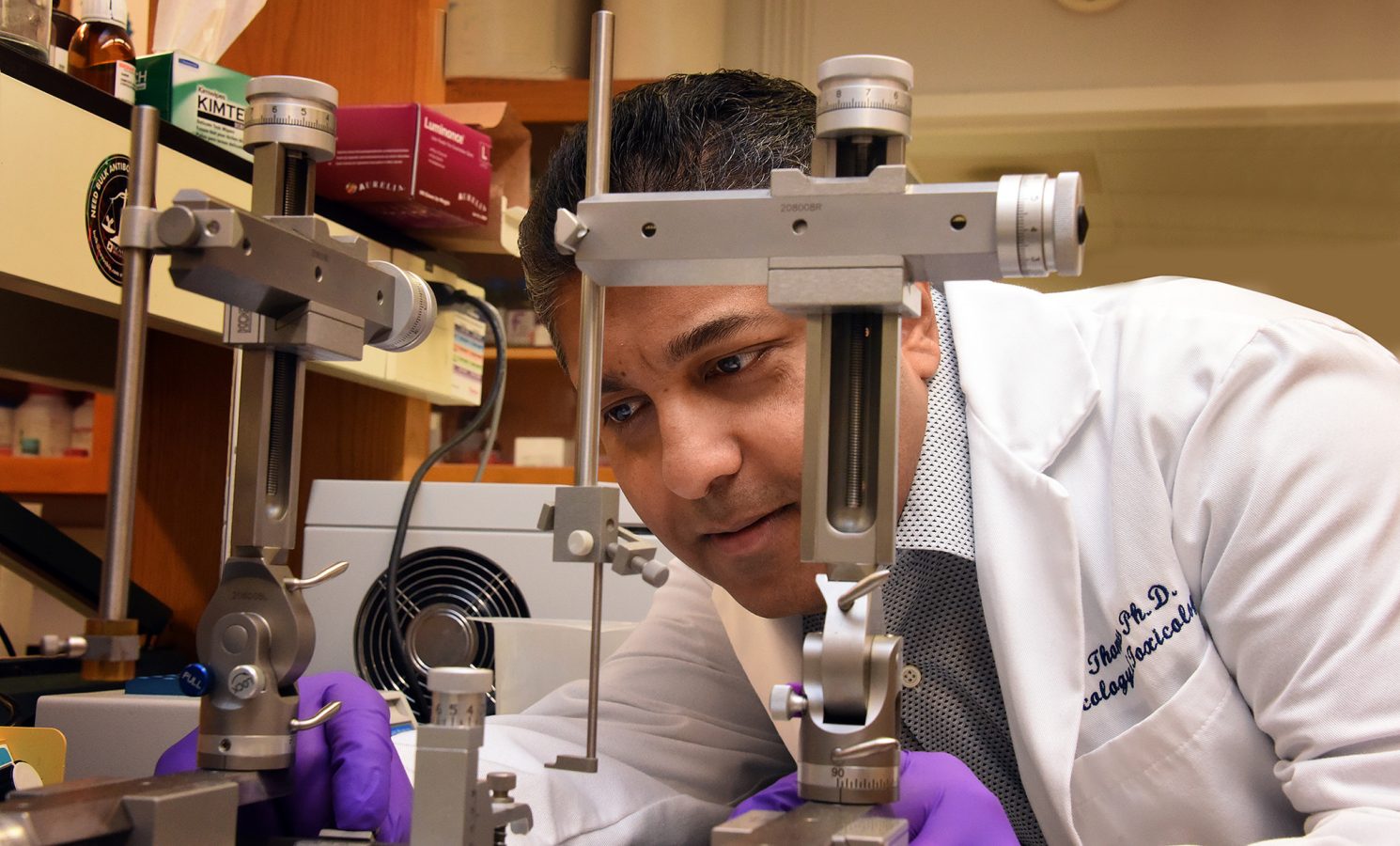
Oxidative stress plays a big role in the brain cell loss that occurs in Parkinson’s disease. Now scientists have their sights on a protein that inhibits one of the body’s natural protections against it. The blocker is Bach1, a protein and...
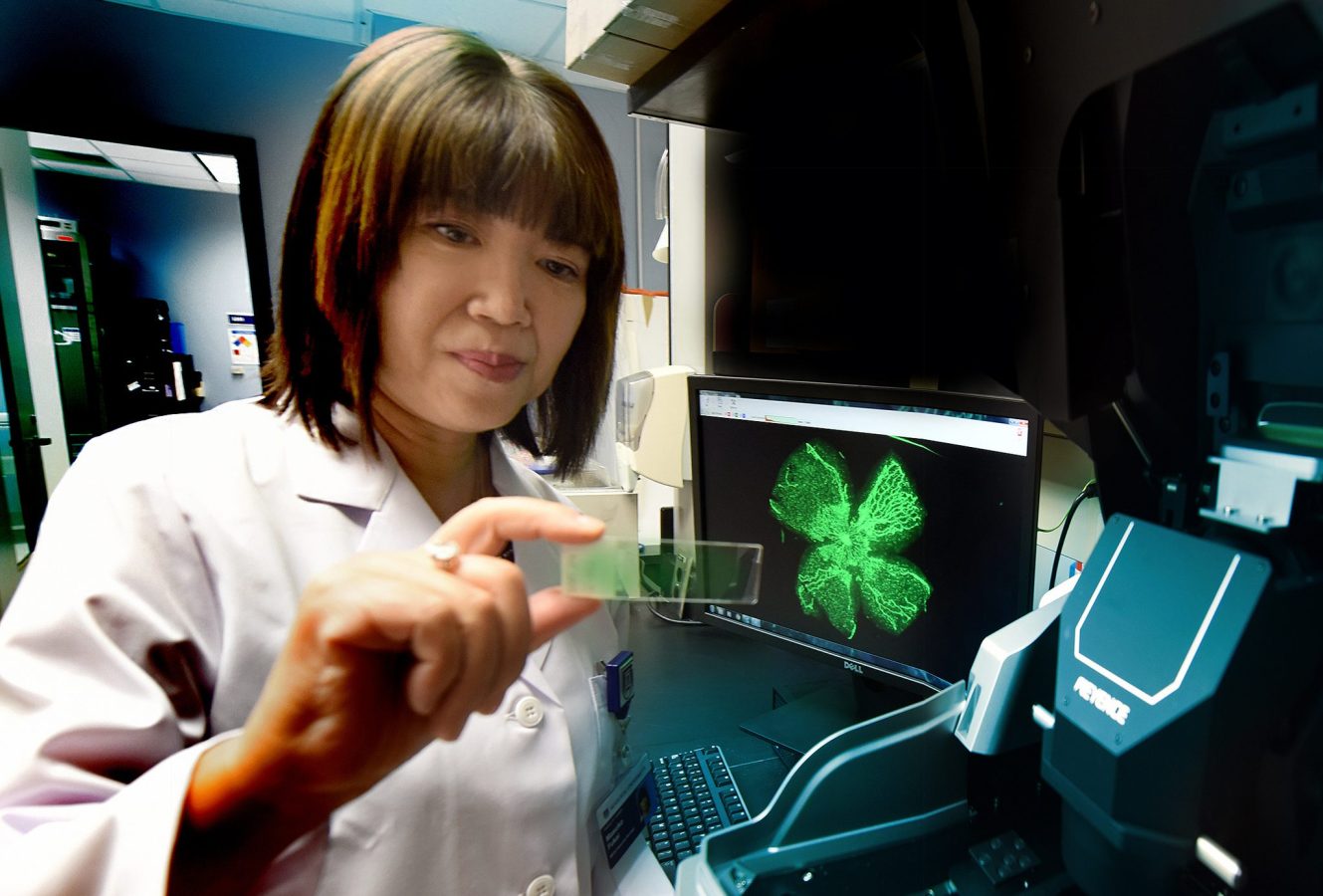
A key enzyme that helps our proteins fold and function properly may also be a good therapeutic target to improve blood vessel health in diseases like diabetes and atherosclerosis, scientists say. The enzyme is protein disulfide isomerase, or PDI...
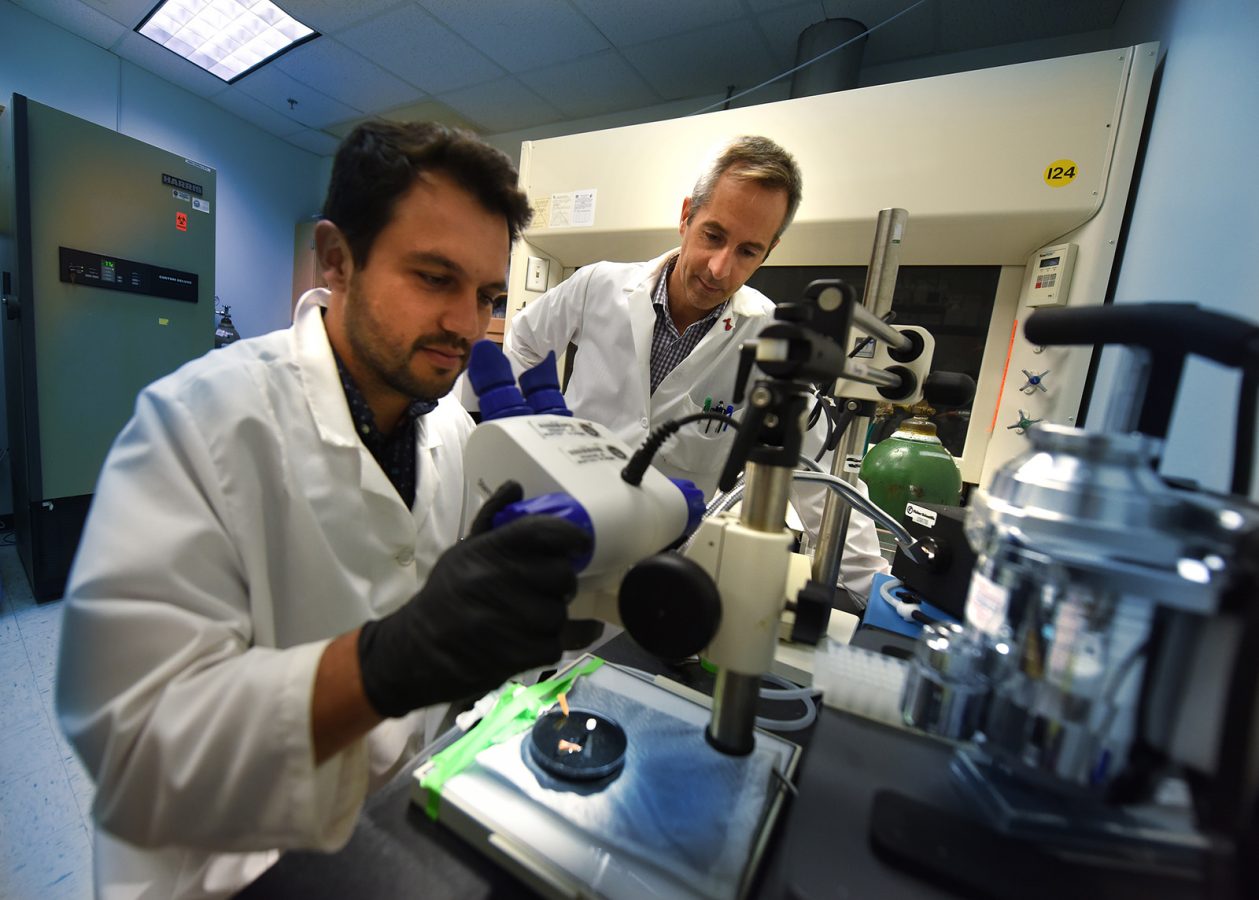
We know that too much body fat is generally bad for our cardiovascular system, and now scientists are learning more about how too little fat yields some of the same damage. Their goals include determining whether leptin replacement therapy for...
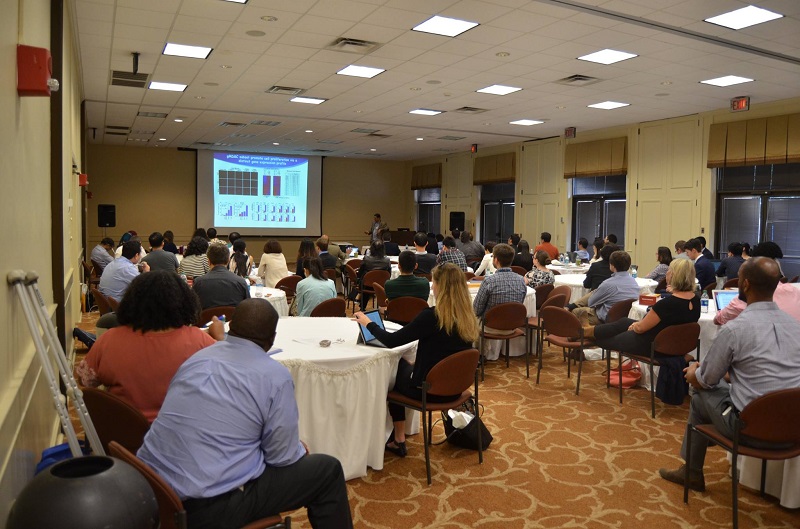
While competition can be healthy, it is collaboration among researchers that is more likely to be the key to finding new treatments, therapies and a cure for cancer.
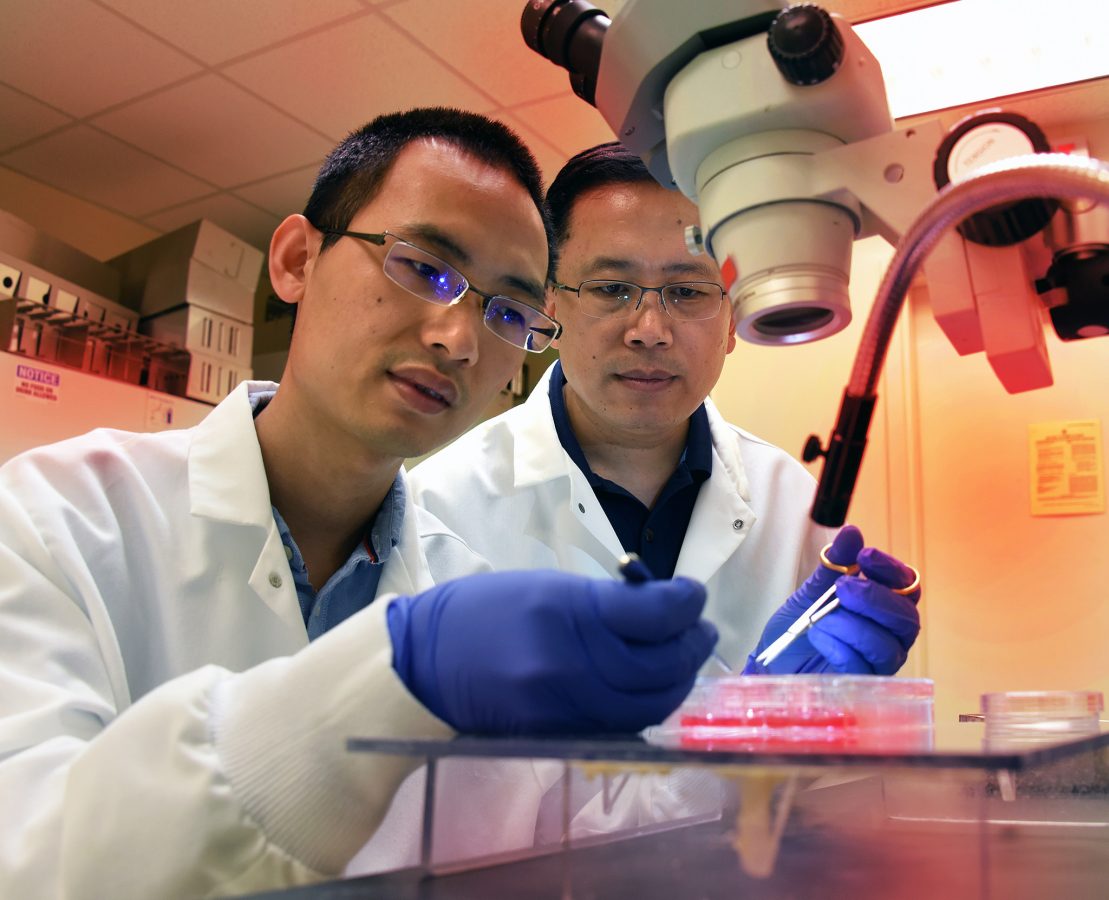
In oxygen-compromising conditions like diabetes, the body grows new blood vessels to help, but the result is often leaky, dysfunctional vessels that make bad matters worse. Now scientists have identified a new target for reducing that dysfunctional...

A study of otherwise healthy adolescents showed that those who consumed the least vitamin K1– found in spinach, cabbage, iceberg lettuce and olive oil – were at 3.3 times greater risk for an unhealthy enlargement of the major pumping chamber of...
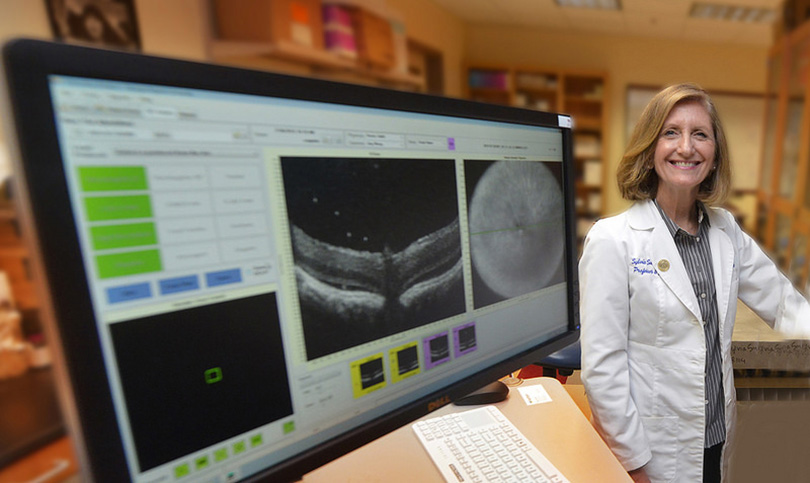
Dr. Sylvia Smith, co-director of the James and Jean Culver Vision Discovery Institute, was awarded a $300,000 grant to further study retinitis pigmentosa.