Augusta University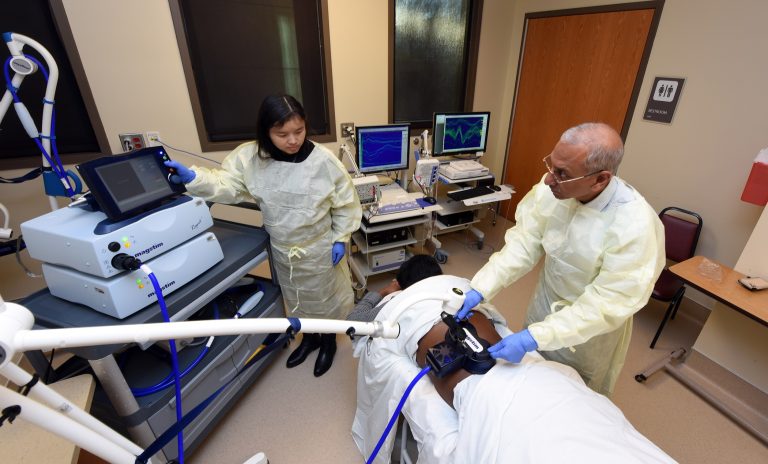
A breakthrough solution: targeting nerve damage with magnetic stimulation
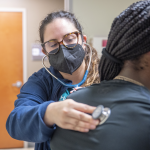
Sarish Rao, MD, and his team developed a method called translumbosacral anorectal magnetic stimulation, or TAMS, to study specific nerves without needles.


Sarish Rao, MD, and his team developed a method called translumbosacral anorectal magnetic stimulation, or TAMS, to study specific nerves without needles.
Sarish Rao, MD, and his team developed a method called translumbosacral anorectal magnetic stimulation, or TAMS, to study specific nerves without needles.
Sarish Rao, MD, and his team developed a method called translumbosacral anorectal magnetic stimulation, or TAMS, to study specific nerves without needles.




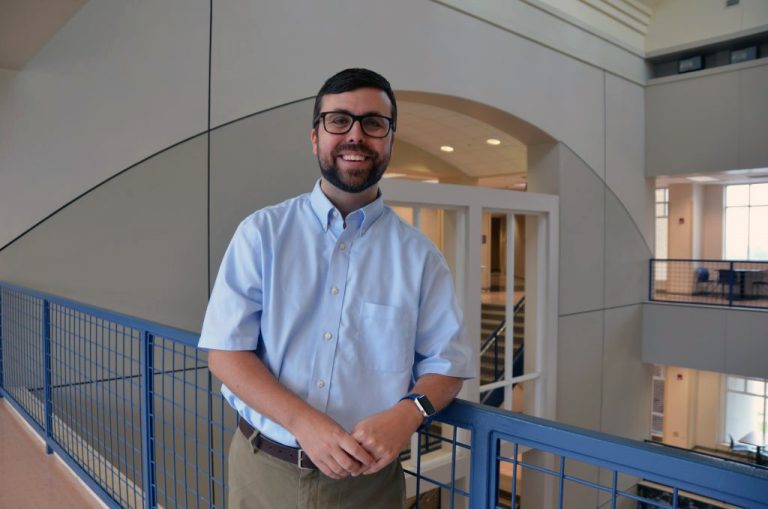
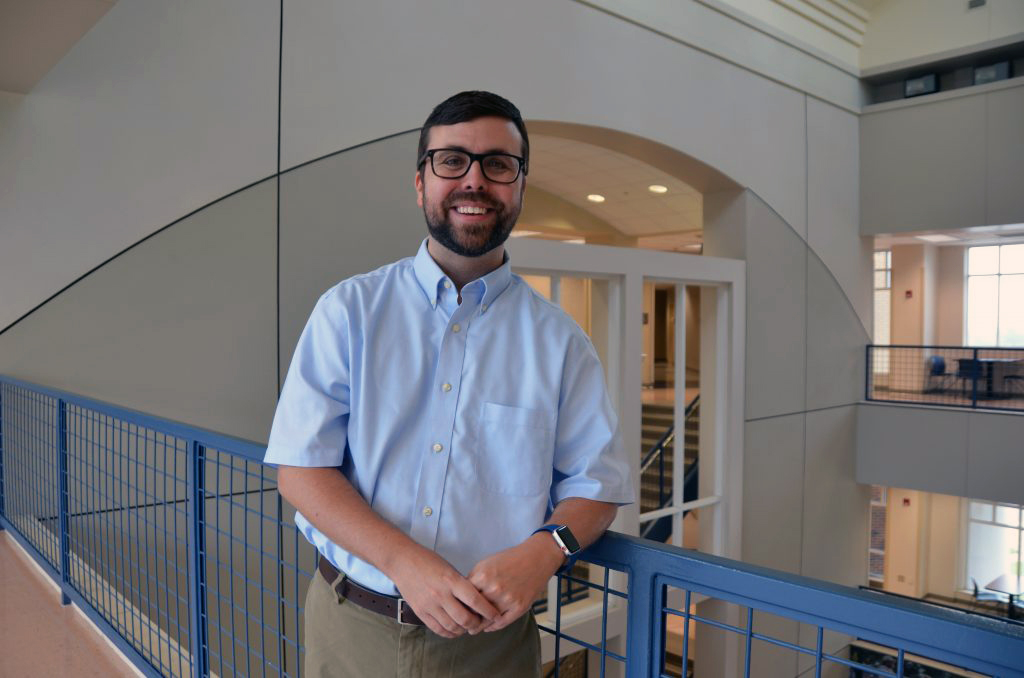
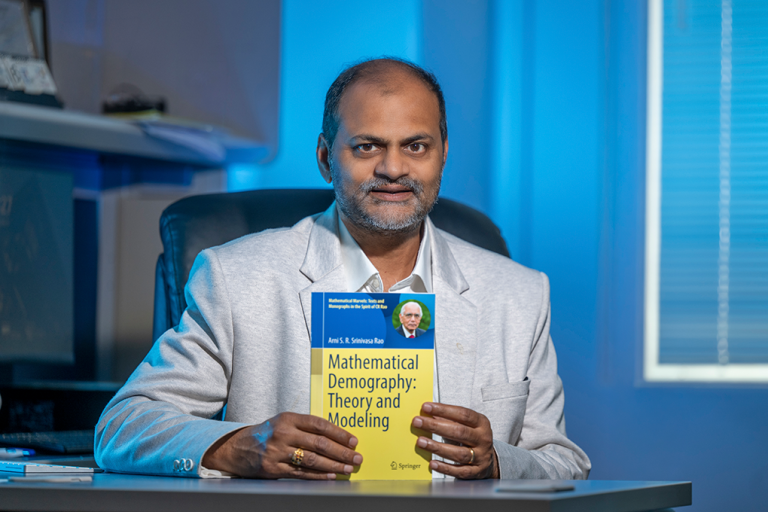
The book is designed for current instructors of public administration, political science and social science.
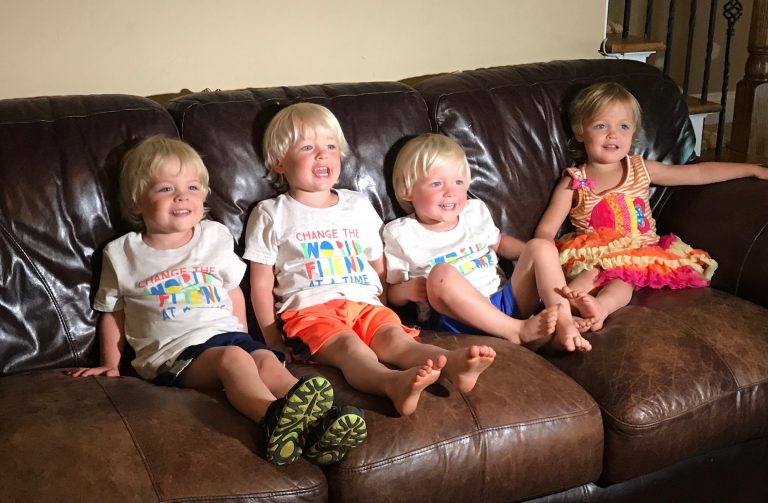
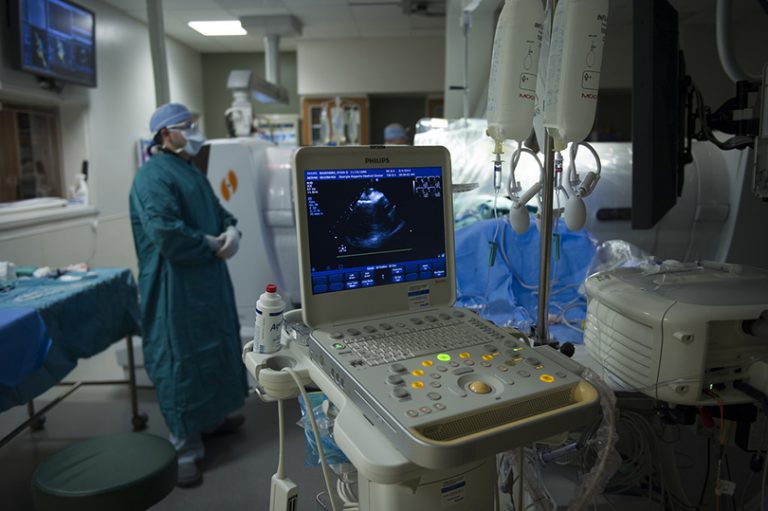
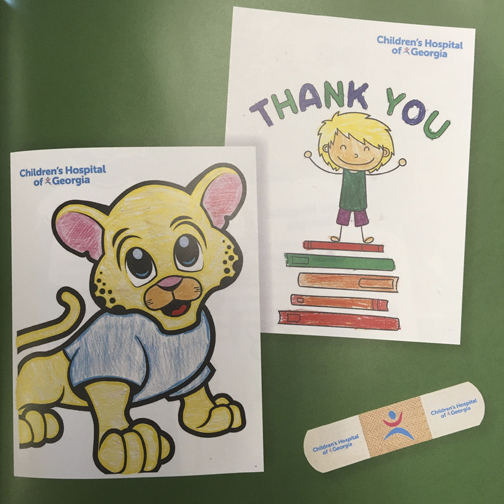
Matt and Julianne Kirkland’s quadruplets were born two months early. In recognition of Neonatal Intensive Care Awareness Month in September, find out what life has been like for the family with four toddlers since they left the Children’s Hospital of Georgia NICU in 2015.

From 8 a.m. Tuesday, Oct. 9 through 1 p.m. Wednesday, Oct. 10, the gravel lot off Goss Lane behind the Harrison Commons, Lot 10, and the Student Center lot, Lot 3, will be used for those participating in the Board of Regents meeting.

Enjoy food, music and dance at the annual Mid-Autumn Festival and Confucius Institute Day celebration.
Correcting unhealthy molecular shifts as we age can result in healthier bone formation.