 Augusta University
 Toni Baker
Starting with early childhood, otherwise healthy Black people show signs of slightly diminished heart muscle strength and a slightly higher blood pressure than their white counterparts, possibly putting them on a course for early development of...
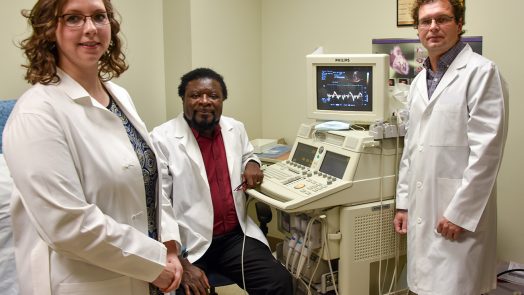

Starting with early childhood, otherwise healthy Black people show signs of slightly diminished heart muscle strength and a slightly higher blood pressure than their white counterparts, possibly putting them on a course for early development of...

The American Cancer Society and Pfizer have awarded over $399,000 to the Georgia Cancer Center as part of a grant program focused on reducing racial disparities and helping optimize cancer outcomes for Black men and women.

The gift from the estate of the late Leon Bloom, founder of BioLab, Inc., creates the Leon and Dorothy Bloom Chair in Medical Research at the Medical College of Georgia.

Identifying more genetic mutations in an individual’s cancer enables more targeted treatment for patients. That includes finding mutations not previously associated with their cancer type, which opens the door to using drugs targeting those...
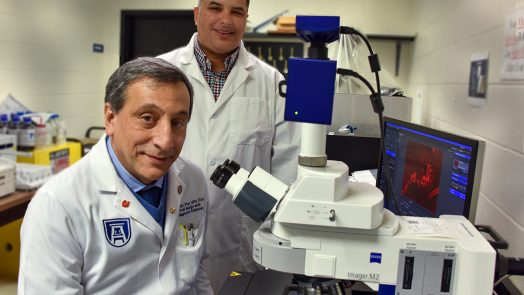
Researchers are trying to find ways to break the "positive feedback loop of tissue damage which leads to inflammation which leads to more tissue damage and more inflammation" in TBI's.

Beam me up: Construction milestone marked this week.
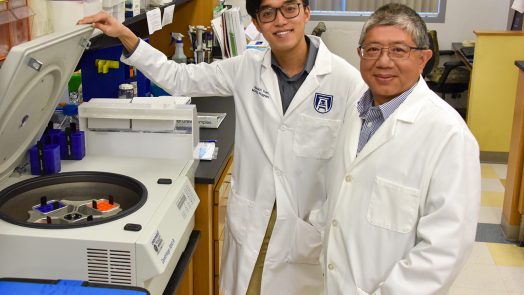
A new method that produces a better tumor profile is particularly adept at recognizing some of the most serious gliomas, the most common brain tumor type in adults.
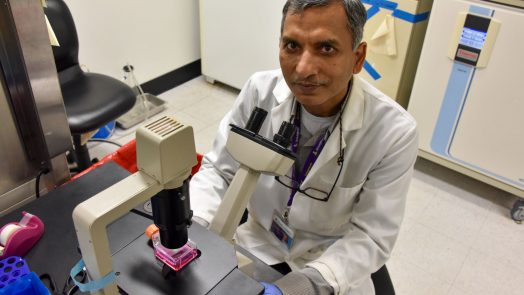
To build better vaccines, scientists want to know more about how our bodies make adequate numbers of effective, durable antibodies against the influenza virus.
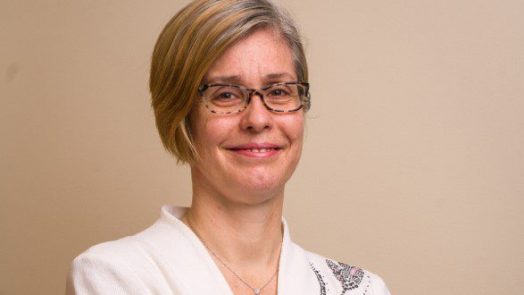
Dr. Caprice C. Greenberg, a renowned health services researcher and surgical oncologist, has been named chair of the Department of Surgery at the Medical College of Georgia at Augusta University.

Seven faculty members received awards for their excellence in research and teaching at Augusta University.
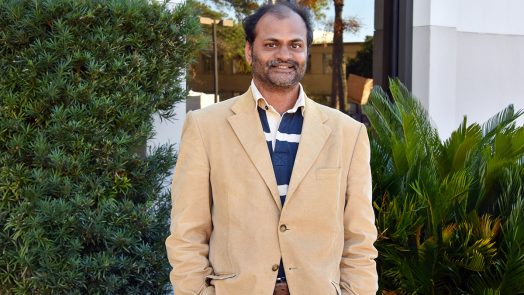
Dr. Arni Rao and his co-authors instead suggest more of a dynamic, moment in time approach using a model called the geometric mean. That model uses today’s number to predict tomorrow’s numbers.
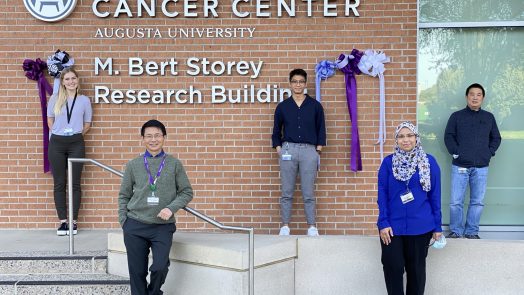
A group of scientists at the Georgia Cancer Center of Augusta University recently reported that CAR T cells can stay active longer and mediate tumor killing more effectively when STAT5, a key signaling molecule, is kept in an active form within CAR...
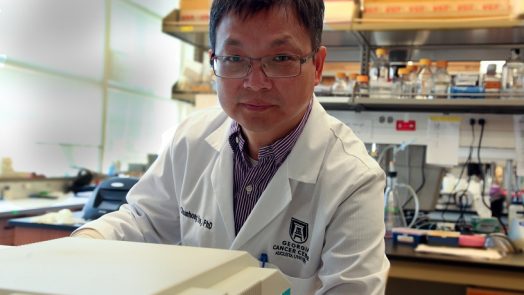
A key way radiation therapy and chemotherapy work is by making highly lethal double-strand breaks in the DNA of cancer cells.
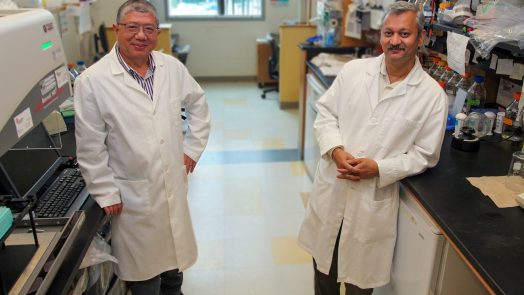
How well women with cervical cancer respond to treatment and survive correlates with the level of 10 proteins in their blood that also are associated with a “zombie” cell state called senescence, Medical College of Georgia scientists report.
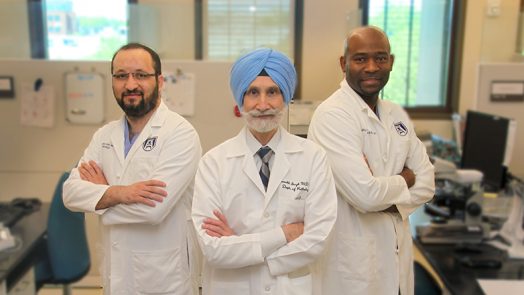
Results of standard laboratory tests performed on adult outpatients to provide an overall picture of their health are fairly consistent between those with obesity and their leaner counterparts, investigators report.
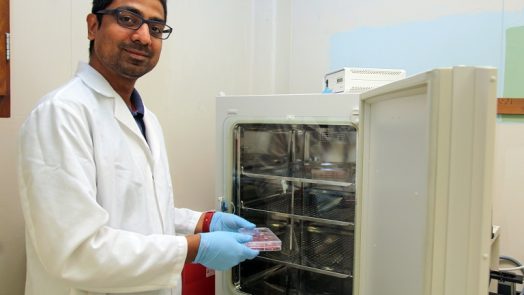
In the hours and days after a traumatic brain injury, inflammation inside the brain can accelerate to the point that more damage occurs, says a scientist working to better understand whether interventions like cannabinoids can improve patient...

High doses of vitamin C under study for treating COVID-19 may benefit some populations, but investigators exploring its potential in aging say key factors in effectiveness include levels of the natural transporter needed to get the vitamin inside...

Dr. Peter B. Rosenquist, executive vice chair of the Department of Psychiatry and Health Behavior at the Medical College of Georgia at Augusta University, has been named Leon Henri Charbonnier Endowed Chair in Psychiatry and Health Behavior.
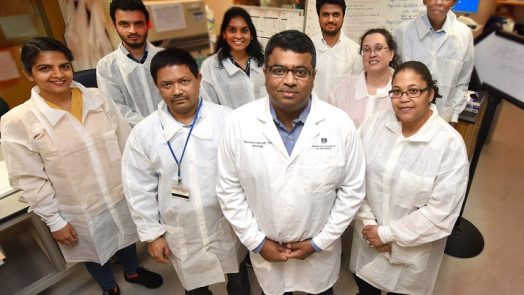
Fifteen hundred frontline workers are being recruited for a yearlong study to find what percentage are positive for the virus that causes COVID-19, what percentage become positive and whether the antibodies they produce protect them from reinfection.

A young cancer epidemiologist who has already helped identify hotspots for geographic, racial and ethnic disparities in breast cancer mortality in the United States is now looking at mammography screening rates in those hotspots.
 Staff
Staff Jennifer Hilliard Scott
 Denise Parrish
 Lisa Kaylor
 Chris Curry