 Augusta University

 Jennifer Hilliard Scott
Dr. Caprice C. Greenberg, a renowned health services researcher and surgical oncologist, has been named chair of the Department of Surgery at the Medical College of Georgia at Augusta University.

Dr. Arni Rao and his co-authors instead suggest more of a dynamic, moment in time approach using a model called the geometric mean. That model uses today’s number to predict tomorrow’s numbers.
 Toni Baker
A key way radiation therapy and chemotherapy work is by making highly lethal double-strand breaks in the DNA of cancer cells.
How well women with cervical cancer respond to treatment and survive correlates with the level of 10 proteins in their blood that also are associated with a “zombie” cell state called senescence, Medical College of Georgia scientists report.
Results of standard laboratory tests performed on adult outpatients to provide an overall picture of their health are fairly consistent between those with obesity and their leaner counterparts, investigators report.
In the hours and days after a traumatic brain injury, inflammation inside the brain can accelerate to the point that more damage occurs, says a scientist working to better understand whether interventions like cannabinoids can improve patient...
High doses of vitamin C under study for treating COVID-19 may benefit some populations, but investigators exploring its potential in aging say key factors in effectiveness include levels of the natural transporter needed to get the vitamin inside...

Dr. Peter B. Rosenquist, executive vice chair of the Department of Psychiatry and Health Behavior at the Medical College of Georgia at Augusta University, has been named Leon Henri Charbonnier Endowed Chair in Psychiatry and Health Behavior.
Fifteen hundred frontline workers are being recruited for a yearlong study to find what percentage are positive for the virus that causes COVID-19, what percentage become positive and whether the antibodies they produce protect them from reinfection.

A young cancer epidemiologist who has already helped identify hotspots for geographic, racial and ethnic disparities in breast cancer mortality in the United States is now looking at mammography screening rates in those hotspots.
One way CBD appears to reduce the “cytokine storm” that damages the lungs and kills many patients with COVID-19 is by enabling an increase in levels of a natural peptide called apelin.
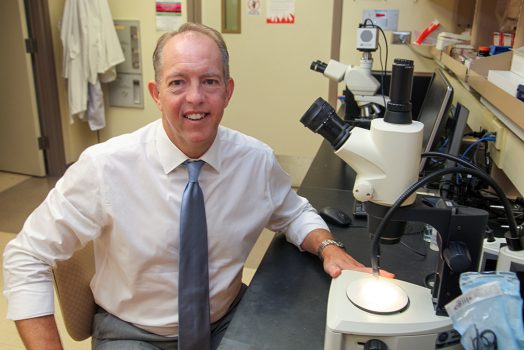
Dr. Mark Hamrick, bone and muscle biologist, federally funded investigator and honored educator and scientist, has been named senior associate dean for research at the Medical College of Georgia at Augusta University.
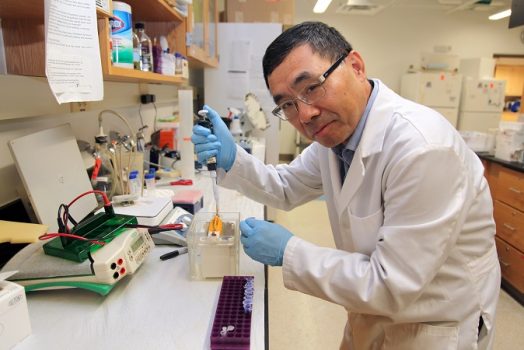
Dr. Guangyu Wu is dissecting the molecular homing that enables a nascent protein to ultimately find its way to the surface of a cell as a mature receptor type that helps us taste, smell and even regulate our mood and immunity.
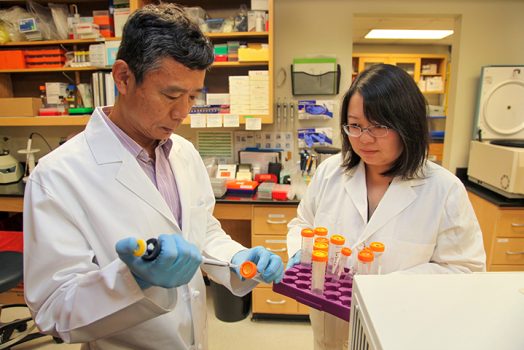
A “danger molecule” is higher in the blood of younger black adults than whites, females than males and increases with weight and age, researchers report.

Bria Carrithers, a fourth-year student at the Medical College of Georgia, is one of 24 medical students nationally to be selected for the American Society of Hematology Minority Medical Student Award Program.

The Pediatric Comprehensive Sickle Cell Program at the Medical College of Georgia is opening a new Telehealth Center to better serve pediatric patients across Georgia.
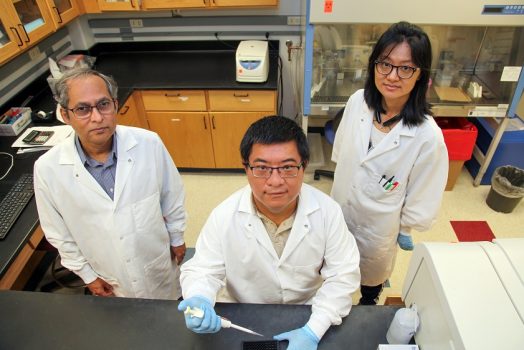
It’s called senescence, when stressed cells can no longer divide to make new cells, and it’s considered a factor in aging and in some diseases. Now scientists have some of the first evidence that at a younger age at least, senescent cells show up...
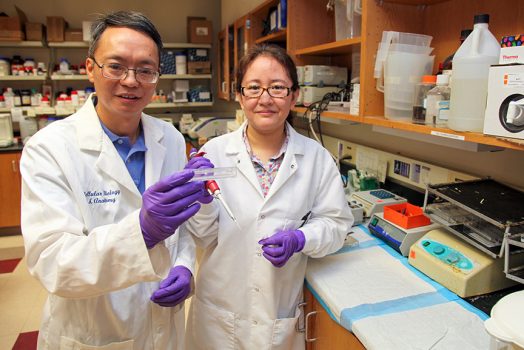
The kidneys often become bulky and dysfunctional in diabetes, and now scientists have found that one path to this damage dramatically reduces the kidney’s ability to clean up after itself.
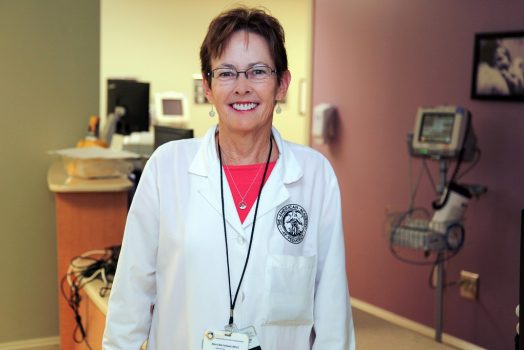
Dr. Alice Little Caldwell, associate professor of pediatrics at the Medical College of Georgia and director of the Newborn Nursery at Augusta University Health System, is the E-cigarette champion for the Georgia Chapter of the American Academy of...
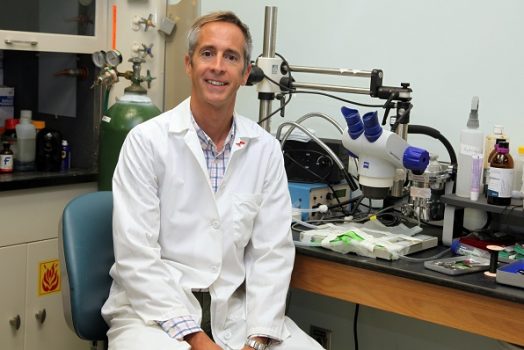
The newer generation of HIV drugs have turned the once-lethal infection into a chronic condition, and cardiovascular disease has emerged as the leading cause of death in these individuals.