 Augusta University
 Toni Baker
Augusta University has received a $1.5 million grant from the National Institutes of Health to help support the graduate education of future scientists whose focus is cardiometabolic diseases — like hypertension and diabetes — which...
A new study reinforces a close association between insomnia, more suicidal thoughts and actions and increased problems like anxiety and depression in people with schizophrenia, providing more evidence that keeping tabs on how patients are sleeping —...
Patients with a high number of genes most associated with pathways that lead to cell death in lung cancer are at increased risk of dying early from their disease, researchers report.

 Miguelangelo Hernandez
“A curious nature can either get you into trouble or annoy those around you. The trick is to find those along the way who encourage your inquisitiveness and foster an environment to fulfill the desire to know more."
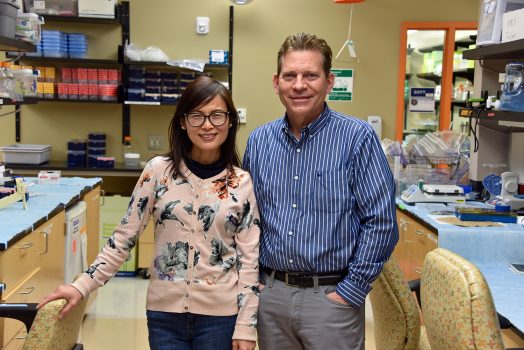
New gene editing technology, prime editing, snips only a single strand of the double-stranded DNA. CRISPR makes double-strand cuts, which can be lethal to cells, and produces unintended edits at both the work site as well as randomly across the...
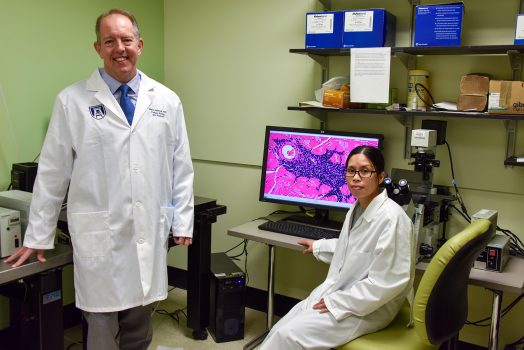
As the name implies, induced pluripotent stem cells can become any type of cell in our body, and scientists have evidence that when they prompt them to become muscle progenitor cells they can help restore the sometimes debilitating muscle loss that...

 Danielle Harris
Georgia Cancer Center researcher tackles clinical trial hesitancy in the Black community in the southeast.

CBD normalizes levels and function of two proteins - TREM2 and IL-33 - key to reducing the accumulation of beta-amyloid plaque, a hallmark of Alzheimer’s disease, and improves cognition as it also reduces levels of the immune protein IL-6...
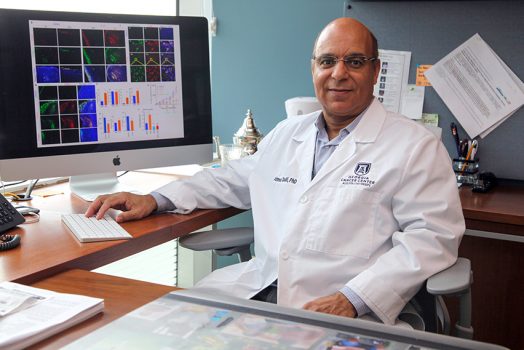
$1.8 million NCI grant enables exploration of cancer-fighting compound isolated from Moroccan fungus
MCG and Georgia Cancer Center scientists have early evidence that the peptide EnnA, isolated from a fungus living symbiotically with a flowering plant known for its penchant of trapping flies, could be a powerful opponent of aggressive triple...

Scientists want to know more about how an inexpensive, low-risk treatment may improve recovery from the most deadly type of stroke. Called remote ischemic conditioning, or RIC, it involves successive bouts of compressing then relaxing an arm or leg...

Young pregnant women, who appear to have fully recovered from an acute injury that reduced their kidney function, have higher rates of significant problems like preeclampsia and low birthweight babies. MCG scientists are working to better...
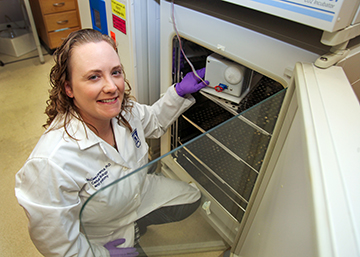
The skeleton’s ability to adapt to mechanical loading — the forces put on bone by both gravity and muscle in response to movement — is critical to bone health, and circumstances like spaceflight or a spinal cord injury can interfere, says Dr. Meghan...

Chronic stress that changes the function of a tiny group of neurons known to be important to energy homeostasis in the body as well prompting us to pick up a fork when we are hungry may contribute to depression.

Starting with early childhood, otherwise healthy Black people show signs of slightly diminished heart muscle strength and a slightly higher blood pressure than their white counterparts, possibly putting them on a course for early development of...

 Jennifer Hilliard Scott
The gift from the estate of the late Leon Bloom, founder of BioLab, Inc., creates the Leon and Dorothy Bloom Chair in Medical Research at the Medical College of Georgia.
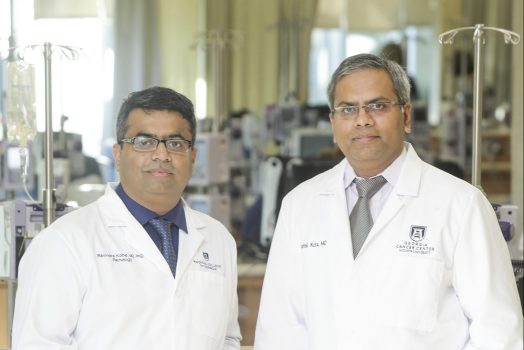
Identifying more genetic mutations in an individual’s cancer enables more targeted treatment for patients. That includes finding mutations not previously associated with their cancer type, which opens the door to using drugs targeting those...
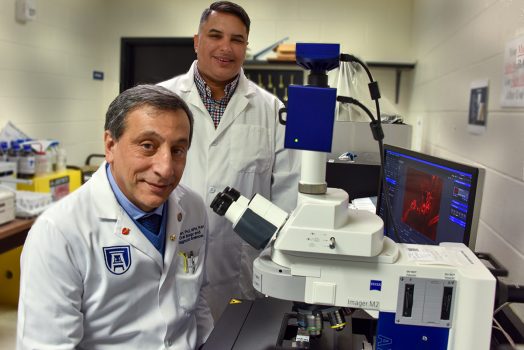
Researchers are trying to find ways to break the "positive feedback loop of tissue damage which leads to inflammation which leads to more tissue damage and more inflammation" in TBI's.

 Denise Parrish
Beam me up: Construction milestone marked this week.
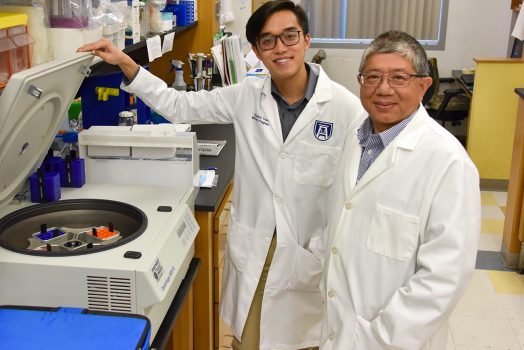
A new method that produces a better tumor profile is particularly adept at recognizing some of the most serious gliomas, the most common brain tumor type in adults.
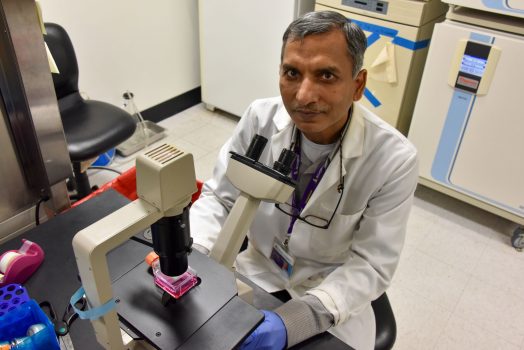
To build better vaccines, scientists want to know more about how our bodies make adequate numbers of effective, durable antibodies against the influenza virus.