 Augusta University
 Si-Long Chen
Henry Knox and Emma Geister, graduate students in the biomolecular science program, presented research posters at the APA meeting.
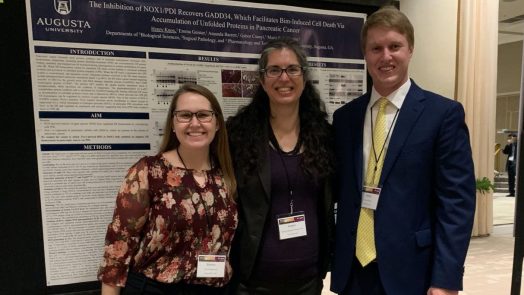

Henry Knox and Emma Geister, graduate students in the biomolecular science program, presented research posters at the APA meeting.
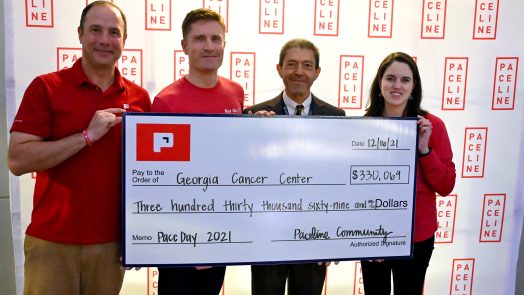
This year’s fundraising total represents a 65% increase since its inaugural event held in May 2019.
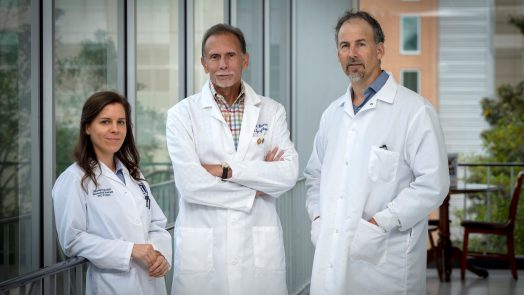
A gene that is overexpressed in some aggressive cancers also appears to be key to the excessive cell proliferation that thickens the walls of pulmonary arteries and ultimately causes the right ventricle of the heart to fail, scientists report.

Dr. Nathan Yanasak, associate professor at MCG, also has expertise in astrophysics and actively pursues a hobby in astrophotography.
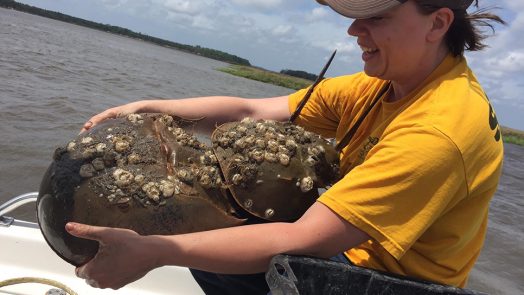
A research team from Augusta University and Georgia Southern University have collaborated on research focused on the restoration of the natural riverbed of the Satilla River in coastal Georgia.
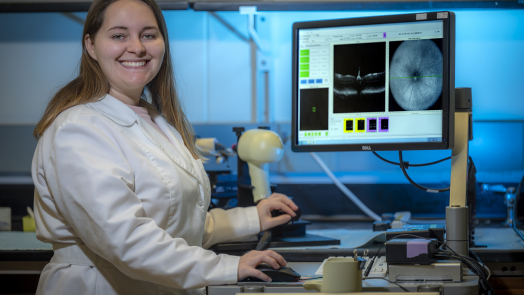
After graduating, Augusta University doctoral student Shannon Barwick hopes to pursue a career in medical education.
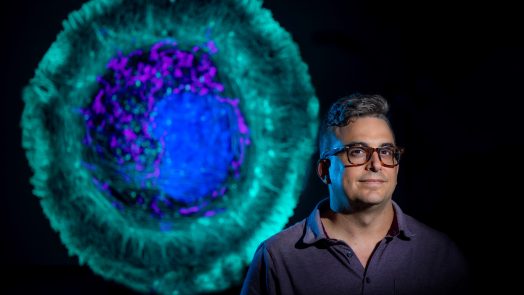
TDAExplore takes the detailed imaging provided by microscopy, pairs it with a hot area of mathematics called topology and the analytical power of artificial intelligence to give a new perspective on changes in a cell and where they happen, says Dr...
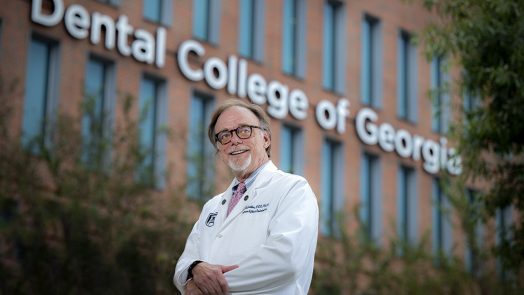
“Successfully funded NIH research grants are the ‘tide that lifts all ships,’” Dr. Christopher W. Cutler said.
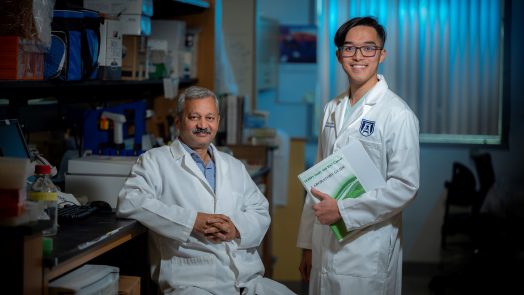
The interaction of a natural lock and key recruits immune cells to the pancreas, which attack insulin-producing islet cells, resulting in a lifelong course of insulin therapy and a lifelong increased risk of other health problems like heart and...
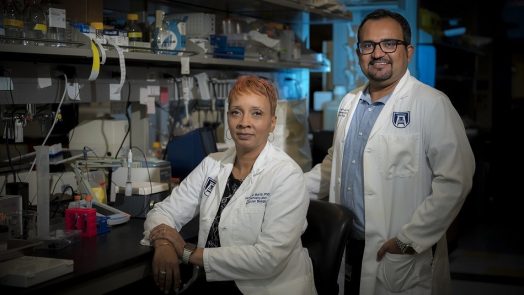
MCG scientists have early evidence that HBI-002, a low-dose oral compound developed by Hillhurst Biopharmaceuticals, can safely reduce oxidative stress and inflammation in the retina.
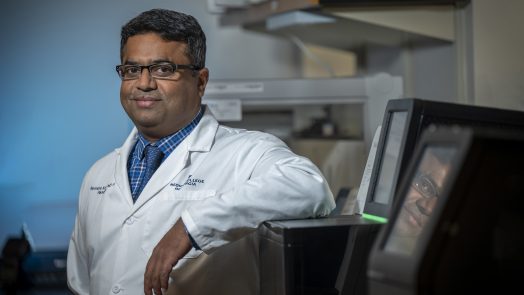
Researchers have developed a viral panel that enables the simultaneous testing for SARS-CoV-2 along with numerous common respiratory viruses.
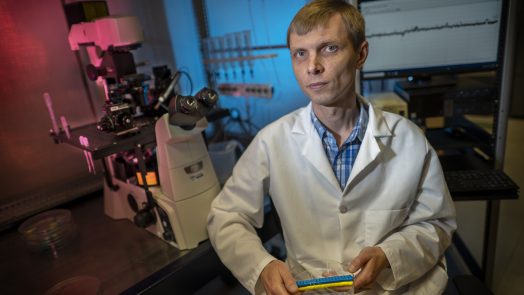
Dr. Mykola Mamenko has evidence that the mechanism for developing hypertension is different in males and females, which could help identify which antihypertensives would work better for them.

Augusta University is proud to announce it is partnering with The University of Aberdeen and Robert Gordon University in Scotland, as well as the University of Georgia College of Pharmacy, to hold an inaugural international rural health symposium on...
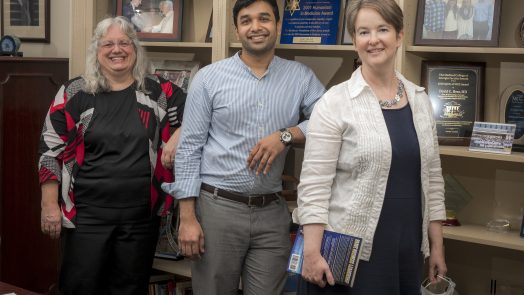
“Kidney transplant patients are at risk for all kinds of infections,” says Dr. Sandeep Padala, nephrologist at MCG and the Augusta University Health System.

School of Computer and Cyber Sciences Dean, Dr. Alex Schwarzmann, co-authored a book "Consistent Distributed Storage." The book presents several key approaches to implementing shared memory services for networked systems.

Compared to the general population, autistic people are up to nine times more likely to think about suicide, up to five times more likely to attempt suicide and more than seven times more likely to die by suicide.
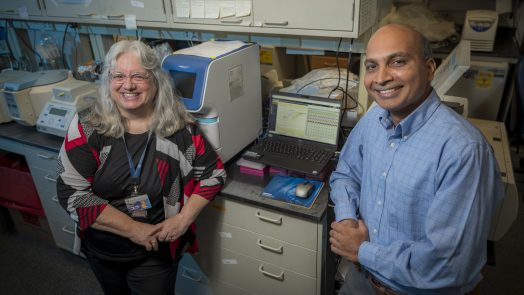
Glycerin, or glycerol, helps calm the classic scaly, red, raised and itchy patches in a psoriasis model.
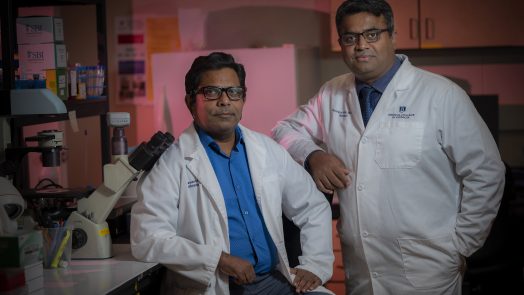
The microbiota in the nose and upper throat likely contains biomarkers for assessing how sick an individual infected with SARS-CoV-2 may get and for developing new treatment strategies to improve their outcome, researchers say.
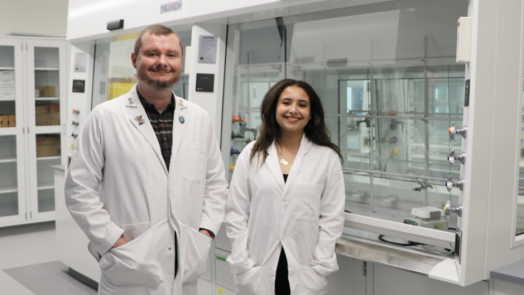
“It has been great being Dr. Agee’s research student. He’s very hands-on with his mentorship. He helps me realize my mistakes without tearing me down. Not a lot of people can do that.”
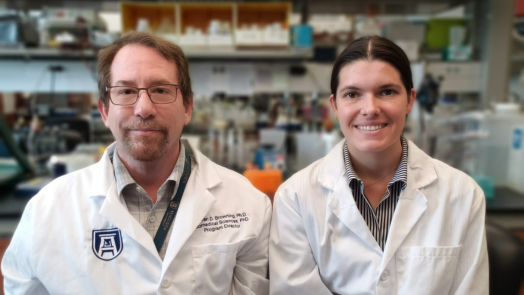
Two Augusta University faculty have teamed up to provide a research opportunity to STEM undergraduates interested in a career in drug development.
 Chris Curry
 Toni Baker
 Miguelangelo Hernandez
 Paige Boeke
 Stacey Eidson
 Haley Crain