 Augusta University

 Staff
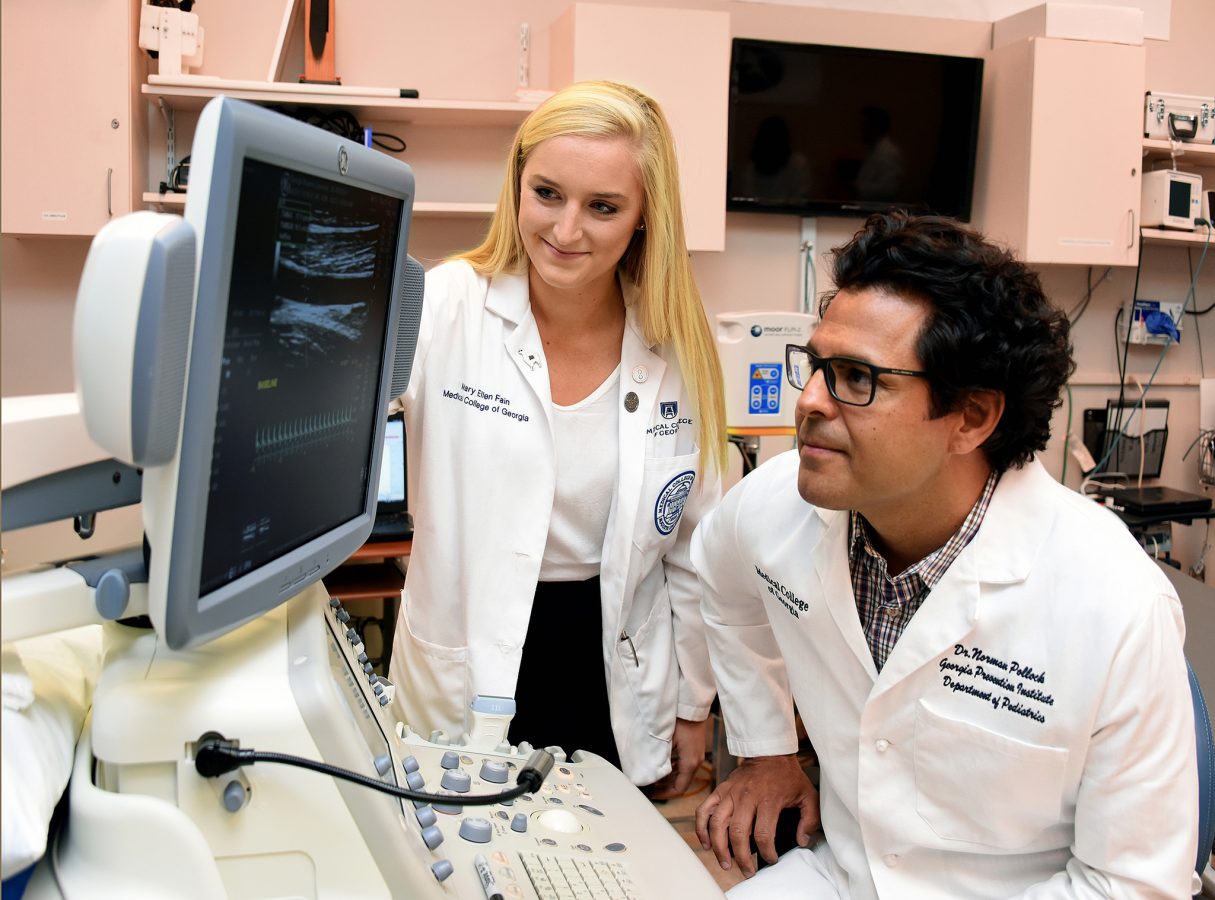
StaffThe commitment to funding, which builds on an existing relationship with Augusta University, will facilitate the expansion of MCG’s 3+ Primary Care Pathway Program.
 Milledge Austin
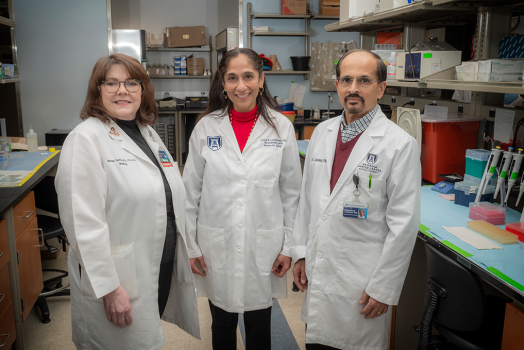
Vinata B. Lokeshwar, PhD, and her team have been awarded a $2.8 million grant from the National Cancer Institute in an effort to improve outcome in patients with bladder cancer.
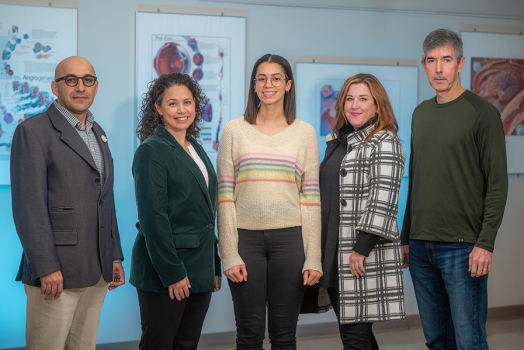
Two research teams from Augusta University have received three grants totaling almost $5 million from the Health Resources and Services Administration’s Rural Communities Opioid Response Program.

 Heather Henley
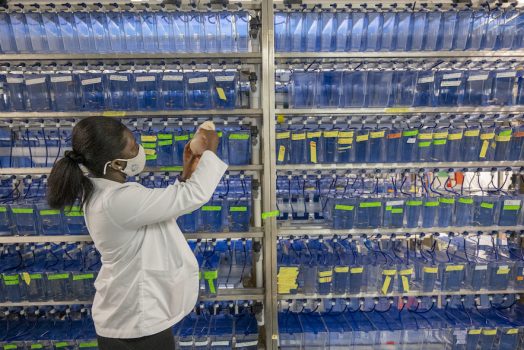
Researchers at the Immunology Center of Georgia are taking advantage of revolutionary technology to investigate the role of neutrophils in the spread of bladder cancer.
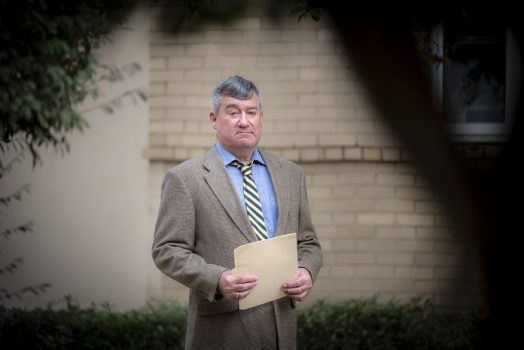
Steven S. Coughlin, PhD, professor in the Department of Biostatistics, Data Science and Epidemiology at Augusta University’s Medical College of Georgia, has published a new book, "Current Topics in Breast Cancer Survivorship."

 Stacey Hudson
The Dental College of Georgia at Augusta University has been awarded a prestigious UO1 grant totalling close to $800,000 from the National Institute of Dental and Craniofacial Research (NIDCR) at the U.S. National Institutes of Health (NIH).
 Nina Sligar
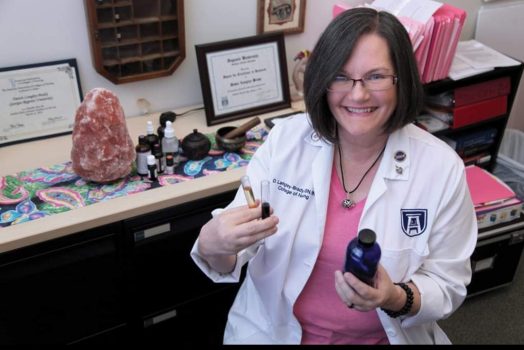
Dawn Langley-Brady, PhD, assistant professor for the Department of Nursing Science, has received a $25,000 grant for her research on essential oils for chronic pain.
 Kevin Faigle
Augusta University is once again part of the third annual Converge International Rural Health Symposium. The virtual symposium is hosted by the University of Georgia College of Pharmacy and is in partnership with the University of Aberdeen and...

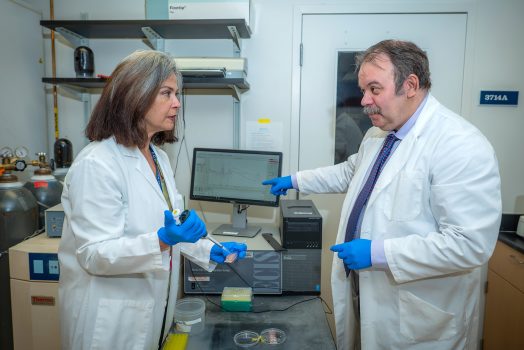
Klaus Ley, MD, and Catherine “Lynn” Hedrick, PhD, Georgia Research Alliance eminent scholars and co-directors of Immunology Center of Georgia, formed the Scientific Advisory Board with an eye toward the future.
 Jennifer Hilliard Scott
The TIP peptide has already shown promise in protecting kidneys from nephritis and preventing severe pneumonia.
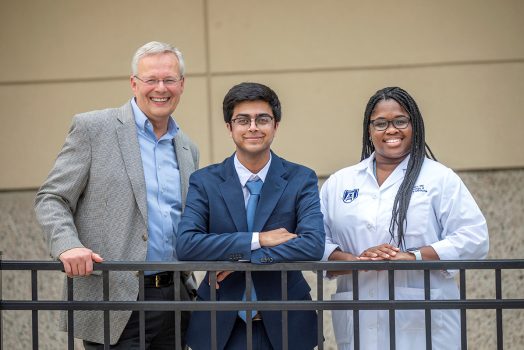
The program was originally designed to get medical students to fill the demand for additional anesthesia techs and personnel.

By 2060, there will be around 90 million women in the U.S. alone who will be in the post-menopausal range.
 Chris Curry
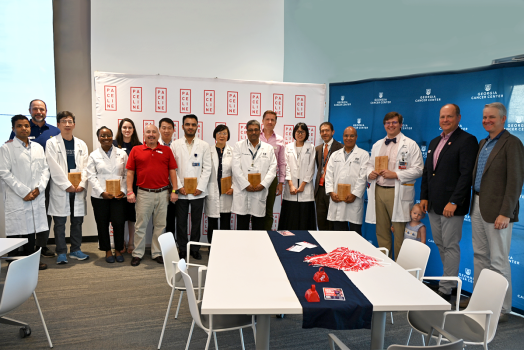
"The work our scientists do in their labs relies on the passion, determination and generosity of each team and individual who took part in PaceDay Weekend 2022,” said Jorge C. Cortes, MD, director of the Georgia Cancer Center.
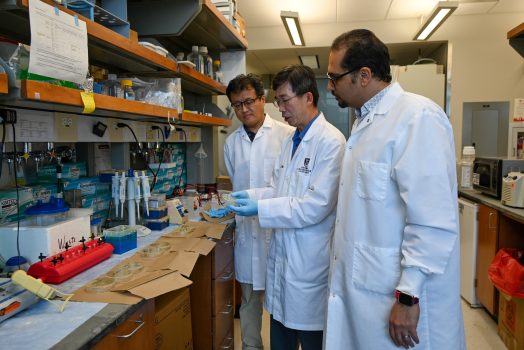
Thanks to community partnerships and hundreds of cyclists, a laboratory scientist at the Georgia Cancer Center is making a difference in the fight against liver cancer.
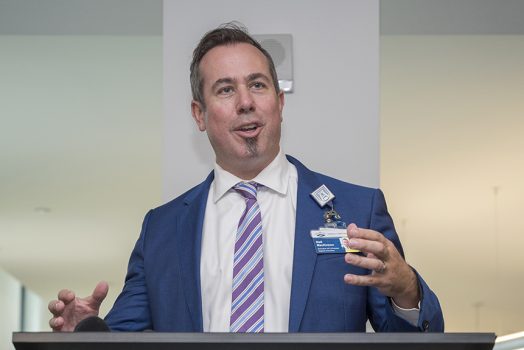
A research team led by Augusta University Executive Vice President for Academic Affairs and Provost Neil J. MacKinnon, PhD, has authored a new study that looks at geographic health disparities in 11 high-income countries.
 Isabella Moody
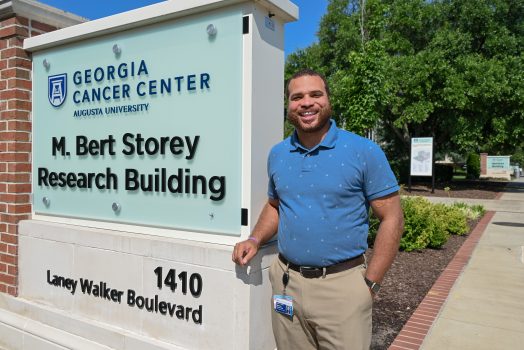
It is a key to life, but not every person living in Augusta has the same access to healthy food as their neighbors across the region.

Telehealth has seen a surge in popularity in recent years, but the challenge comes when patients don't have access to high-speed internet. A new study co-authored by Neil J. MacKinnon, PhD, looks at the digital divide and how it intersects with...
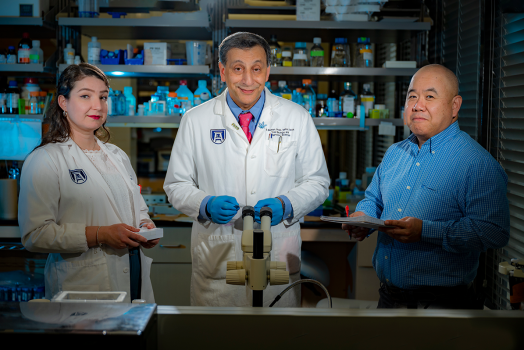
A study conducted by a team of researchers from the Dental College of Georgia at Augusta University tested inhalant CBD in the treatment of lung cancer and whether it could inhibit tumors from growing or spreading.
 Toni Baker
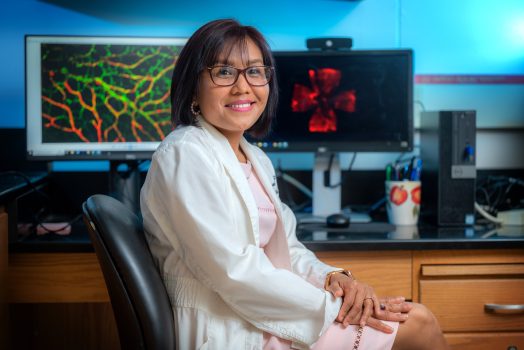
Targeting that receptor could provide earlier, more impactful treatments for retinopathy of prematurity.
Retinopathy of prematurity (ROP) is among the most common illnesses that affect premature or low birth-weight infants and is a major cause of long-term vision impairment and blindness.