 Augusta University

 Stacey Eidson
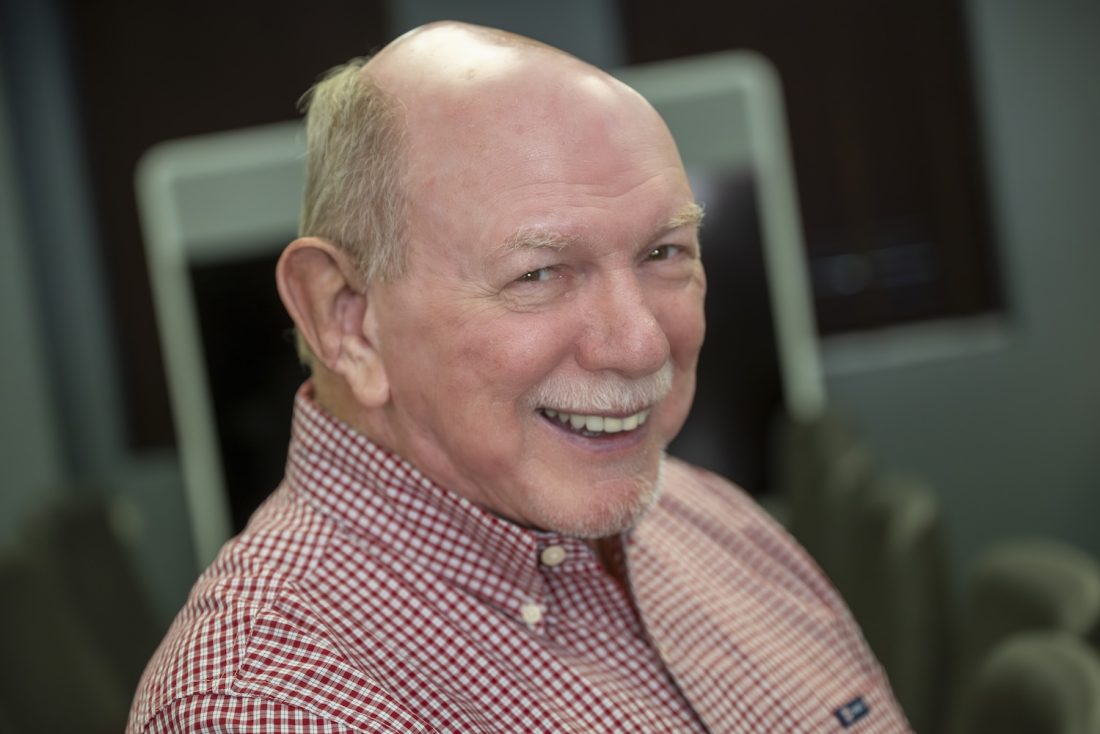
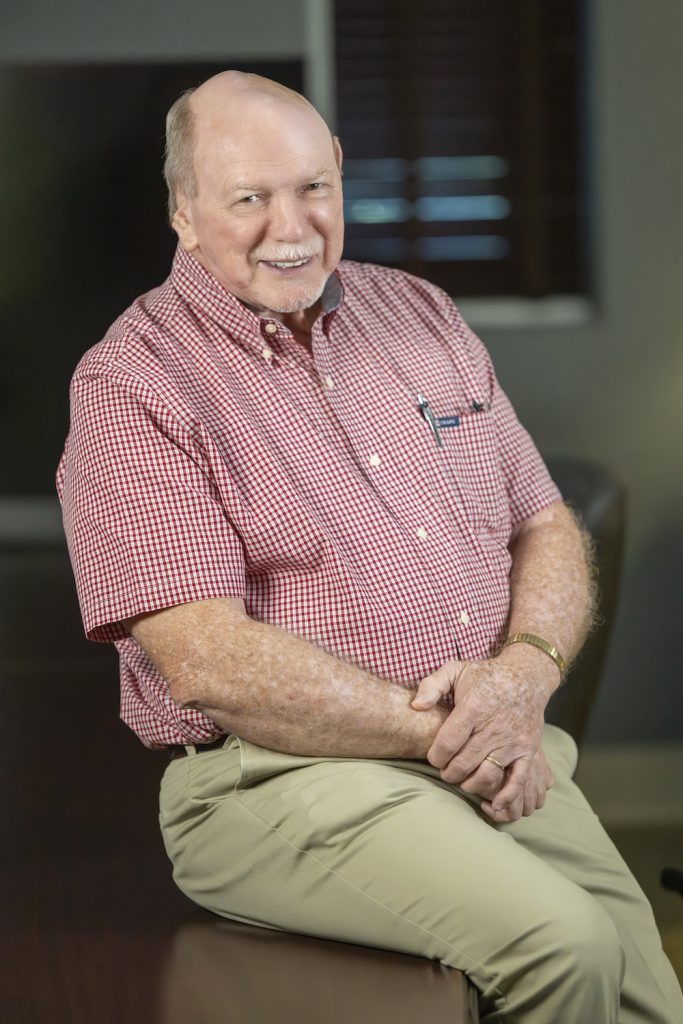
Since retiring from Southern Nuclear Company at Plant Vogtle several years ago, Tim Lively, 77, of Waynesboro, Georgia, has focused on three main passions: spending time with his wife and extended family, serving as deacon and church historian at Botsford Baptist Church and being a master judge at barbecue competitions across the Southeast.
“I’m a certified barbecue judge. We go across the Southeast and all over the United States judging barbecue. You can tell by my weight that I love it,” Lively said, laughing. “I love it all. Georgia Red. Carolina Gold. It doesn’t matter. I guess I’ve judged in maybe 300-plus barbecue competitions.”
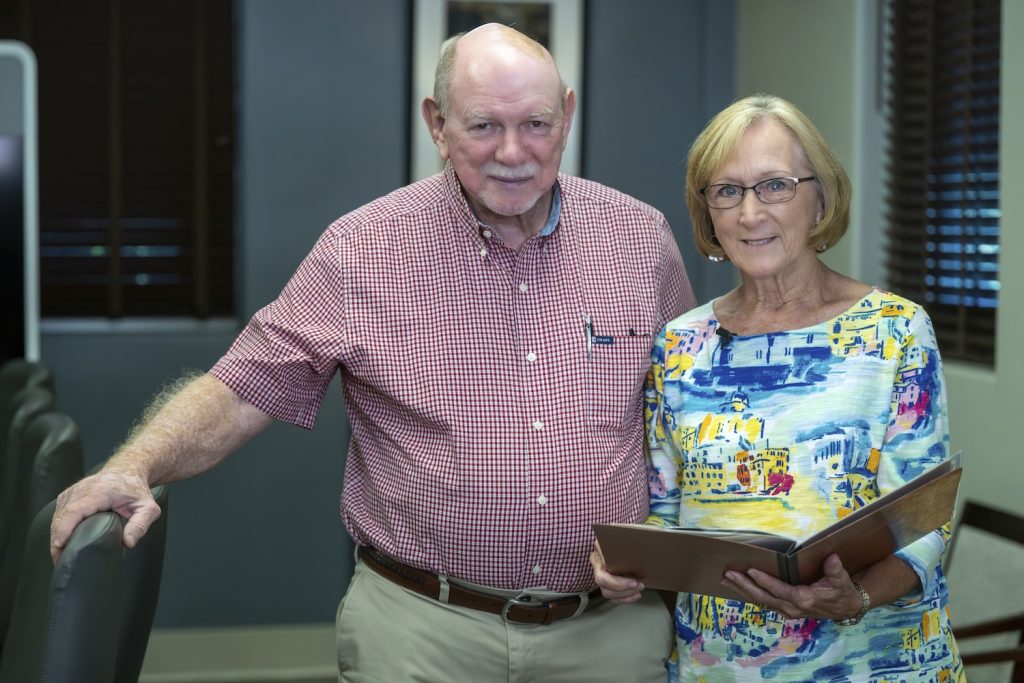
“We were so pleased. I had no idea anybody did things like this. You hear about people’s legs or arms, but not ears and eyes and noses.”
Tim Lively, a skin cancer survivor
Barbecue is what he was raised eating, he said. In fact, the Lively family has a huge reunion each year on July 4 featuring a whole hog, hash, potato salad, slaw and all the trimmings.
“We have hundreds of family members each year,” Lively said. “Our ancestors came up the Savannah River with Oglethorpe and settled in what was then called St. George’s Parish, which is Burke County now. We’ve been here ever since. It’s a wonderful, tight-knit community.”
So, when Lively was diagnosed with two forms of skin cancer last year – squamous cell carcinoma and hidradenocarcinoma – his friends, family, church members and neighbors were deeply concerned.
The squamous cell carcinoma was found on his ear. The hidradenocarcinoma, a very rare and aggressive skin cancer that begins in a person’s sweat glands, was found on the top of his head.
“I’ve had squamous cell and basal cell carcinoma removed before, but this squamous cell on my ear just seemed to escalate,” Lively said. “It was really painful.”
Getting answers
Lively turned to Kenneth Byrd, MD, a professor of Otolaryngology and Neurosurgery at the Medical College of Georgia and the chief of Head and Neck Surgery at Wellstar MCG Health Medical Center.
Byrd is a highly acclaimed expert in head and neck cancers whose research interests include functional outcomes of surgical and nonsurgical treatment.
After meeting with Lively, Byrd discussed his two skin cancers with Wellstar MCG Health’s multidisciplinary tumor board, which includes his fellow head and neck oncologists and representatives from radiation oncology, medical oncology, pathology and radiology.
The Georgia Cancer Center at Augusta University and MCG operate multidisciplinary tumor boards across nearly every major cancer service line to collaboratively plan patient treatment.
“For the hidradenocarcinoma on his scalp, those are rare and they tend to be aggressive,” Byrd said. “There’s not really a good treatment for them other than surgery.”
“But we initially tried to do immunotherapy to shrink the squamous cell on the ear,” Byrd added, explaining that some promising clinical trials have used cemiplimab, an immunotherapy drug that blocks the PD-1 protein to help a patient’s immune system find and attack cancer cells. “A lot of times it can really shrink the cancer down. And we were trying to preserve as much ear as possible. But, ultimately, he didn’t really tolerate the immunotherapy.”
“I knew we were going to lose the ear, but it didn’t bother me. I didn’t marry him for his ear 51 years ago.”
Polly Lively
Byrd determined Lively would need to have surgery to remove his ear.
“With ear cancers, we try to save as much as we can,” Byrd said. “When it starts getting in the ear canal, the surgeries can be more involved. There are ways to reconstruct an ear, which they do in children sometimes, called microtia surgeries. But they don’t really work that well in adults to look like a new ear.”
Finding a solution
When Lively was told the surgeons needed to remove his ear, he admits he was worried.
“It was kind of scary,” Lively said, turning to look at his wife, Polly.
But the couple knew it needed to be done.
“I had been doctoring his ear for several months at that point,” Polly Lively said. “I watched it get worse and worse and worse. He was in so much pain with it all the time. Just steady, constant pain.”
“Finally, I knew we were going to lose the ear, but it didn’t bother me,” Polly Lively added, smiling at her husband. “I didn’t marry him for his ear 51 years ago.”
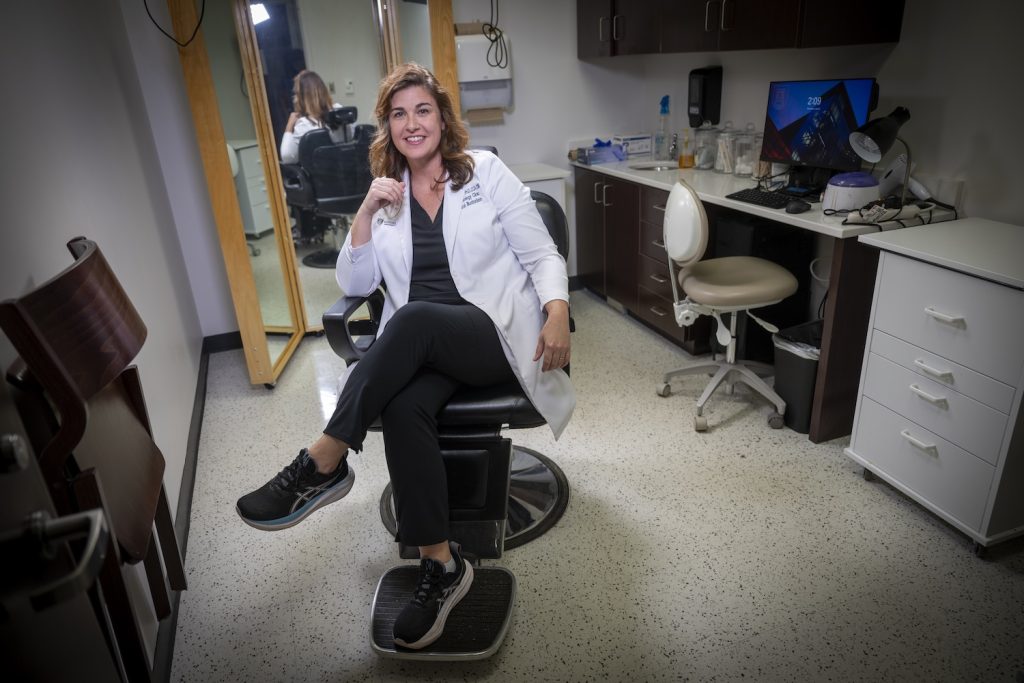
“We specialize in making facial and somatic prosthetics for individuals who have missing anatomy, like ears, noses, fingers, toes and breasts. It’s a specialty that really combines art and science, and it’s an important part of the rehabilitation process for individuals who have missing anatomy.”
Amanda Behr, PhD, a certified clinical anaplastologist at the Dental College of Georgia Anaplastology Clinic
When the surgery was over, the couple was pleased that the surgeons were able to preserve the lower portion of his ear.
“They told us that he would lose all the ear, so we were surprised when he came out of surgery with some of his ear left,” Polly Lively said.
“Dr. Byrd did a tremendous job,” Tim Lively said, adding that he currently has no evidence of recurrence of either skin cancers. “The whole process was, I thought, top-notch.”
Following the surgery, Byrd suggested Tim Lively consider meeting with Amanda Behr, PhD, chair of the Department of Medical Illustration in the College of Allied Health Sciences and a certified clinical anaplastologist at the Dental College of Georgia Anaplastology Clinic.
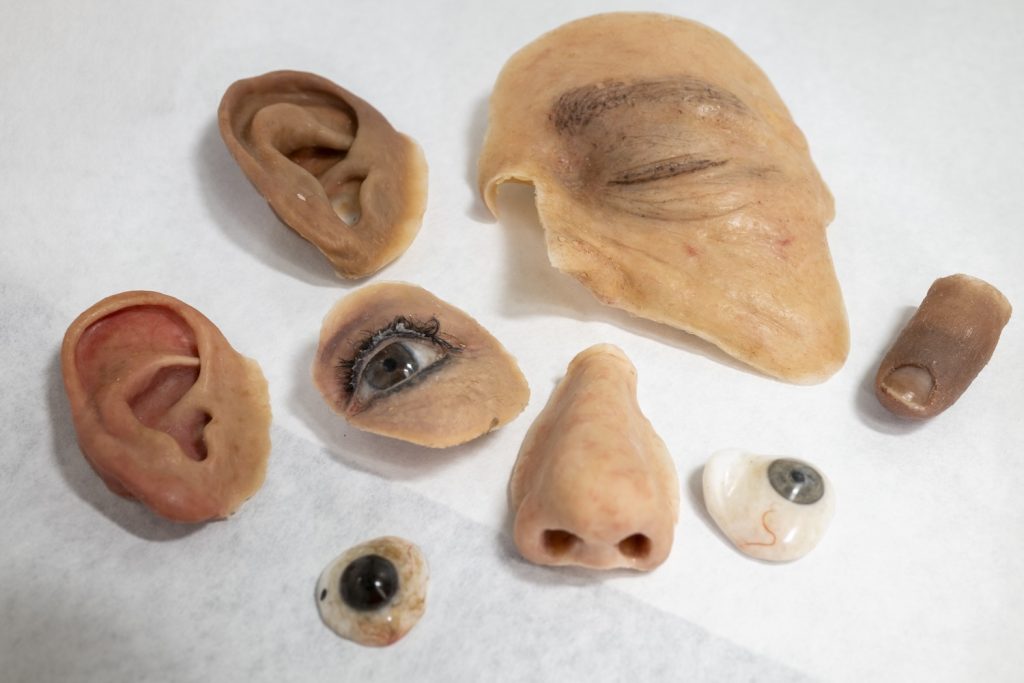
“Augusta University is the only place in the state that is providing anaplastology services.”
Amanda Behr, PhD, a certified clinical anaplastologist at the Dental College of Georgia Anaplastology Clinic
As the state’s only certified anaplastologist, Behr meticulously creates thousands of custom-designed prosthetics for patients throughout the South who have lost body parts due to injury, disease or congenital malformations.
“There are only 37 certified anaplastologists in the United States, and I am the only one in the state of Georgia. So, it’s a pretty rare specialty,” Behr said. “Augusta University is the only place in the state that is providing anaplastology services.”
“We specialize in making facial and somatic prosthetics for individuals who have missing anatomy, like ears, noses, fingers, toes and breasts,” she added. “It’s a specialty that really combines art and science, and it’s an important part of the rehabilitation process for individuals who have missing anatomy.”
Behr knows the prosthetics she painstakingly creates can change a person’s life.
“I spend many hours with a patient. I make a copy of the affected anatomy, and I use 3D scanning and 3D printing technology to help me get started, but I always transfer that into a wax sculpture that I try on with the patient,” she said. “I get patient feedback. I get family feedback. And I really customize it to that individual. And what technology can’t always capture is facial expression, and so I’m sculpting by hand those details in, kind of combining that art and science technique into each individual sculpture.”
New beginnings
The Livelys agreed to meet with Behr but admitted they were a little hesitant at first.
“When we were young, in our town where we grew up, there was a man that had an artificial ear, but it was bright yellow,” Polly Lively said. “It was almost like it was made out of plastic or rubber or something. And so, of course, when Tim heard it was going to be an artificial ear, he was like, ‘I don’t want a yellow glob sticking up from my head.’”
But when they sat down with Behr and saw how realistic her prosthetic pieces looked, they were floored.
“We were so pleased. I had no idea anybody did things like this,” Tim Lively said. “You hear about people’s legs or arms, but not ears and eyes and noses.”
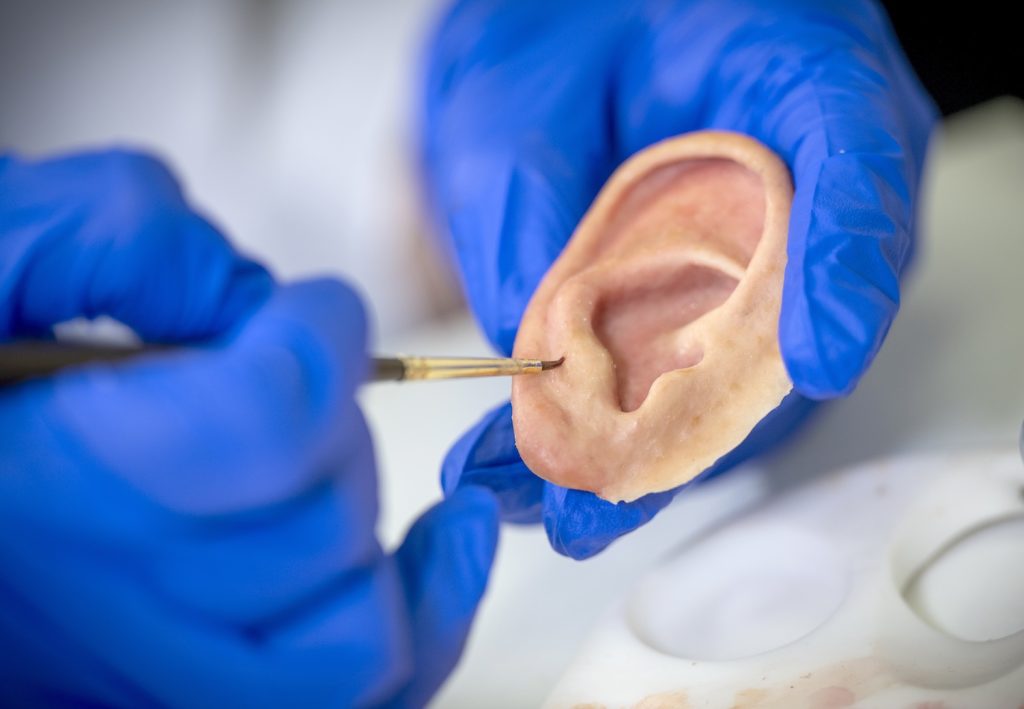
“A really rewarding day is a day when I get happy tears because patients are so grateful. They are overwhelmed by feelings of relief and comfort knowing that they have something that they can wear to disguise a facial difference.”
Amanda Behr, PhD, a certified clinical anaplastologist at the Dental College of Georgia Anaplastology Clinic
Behr always begins by providing a consultation to patients. She listened to the Livelys, explained the process and eventually began creating the custom-made prosthetic ear.
“Initially, I described the process to them, which starts with an impression. So, we took a copy of the anatomy and the unaffected ear. I also did a 3D scan at that same time,” Behr said. “Then, with my 3D print software, I mirrored his unaffected ear, so I had a sculpture to start with and built up a shape using that same wax process where I sculpted in wax using the mirrored anatomy and got his feedback along the way.”
After a mold was created and her husband was eventually fitted with the prosthetic ear, Polly Lively couldn’t believe her eyes.
“The blend of the skin tones and everything was so real. I sat there and watched everything Dr. Behr did. As she painted it, that’s pretty much what his ear looked like,” Polly Lively said. “She just molded it, and then put it up against his skin and painted the colors. I told her, ‘Well, you got to put a freckle or two up there because right on the top of this ear he has freckles.’ So, she added some freckles. She’s so easy to work with. She makes you feel really comfortable the entire time. Dr. Behr is truly amazing. If you need her kind of doctor, that’s where to go.”
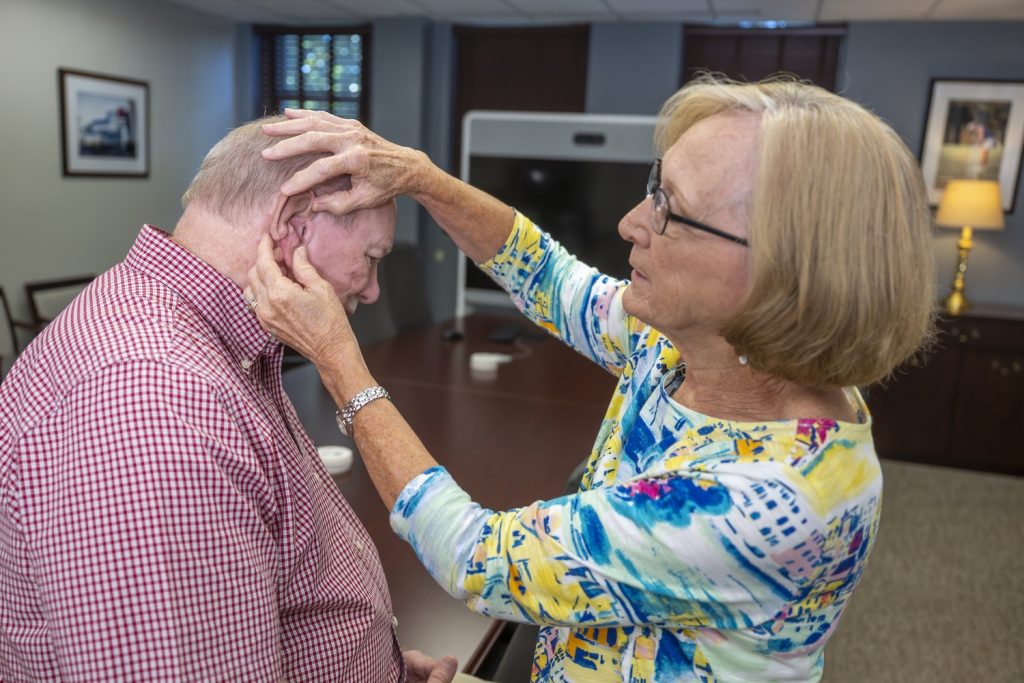
“The blend of the skin tones and everything was so real. I sat there and watched everything Dr. Behr did. As she painted it, that’s pretty much what his ear looked like.”
Polly Lively
The custom-made ear is so realistic that the Livelys say even close friends and church members don’t realize he is wearing a prosthetic.
“Nobody notices it,” Tim Lively said, smiling. “They don’t know unless I tell them.”
Behr said nothing pleases her more than when her prosthetics go completely unnoticed by the public.
“Patients express such gratitude for what the specialty provides to their lives,” Behr said. “They are able to go into town and not worry about individuals looking at them or having to wear a bandage to protect their exposed anatomy. A really rewarding day is a day when I get happy tears because patients are so grateful. They are overwhelmed by feelings of relief and comfort knowing that they have something that they can wear to disguise a facial difference.”
“I’m just grateful to be here and be part of our patients’ stories as they move through their journey of healing,” she added. “I love what I do, and every day I’m happy to come to work and be part of this field.”


 Tyler Wooten
 Jennifer Hilliard Scott
 Paige Tucker
 Milledge Austin