 Augusta University
 Nina Sligar
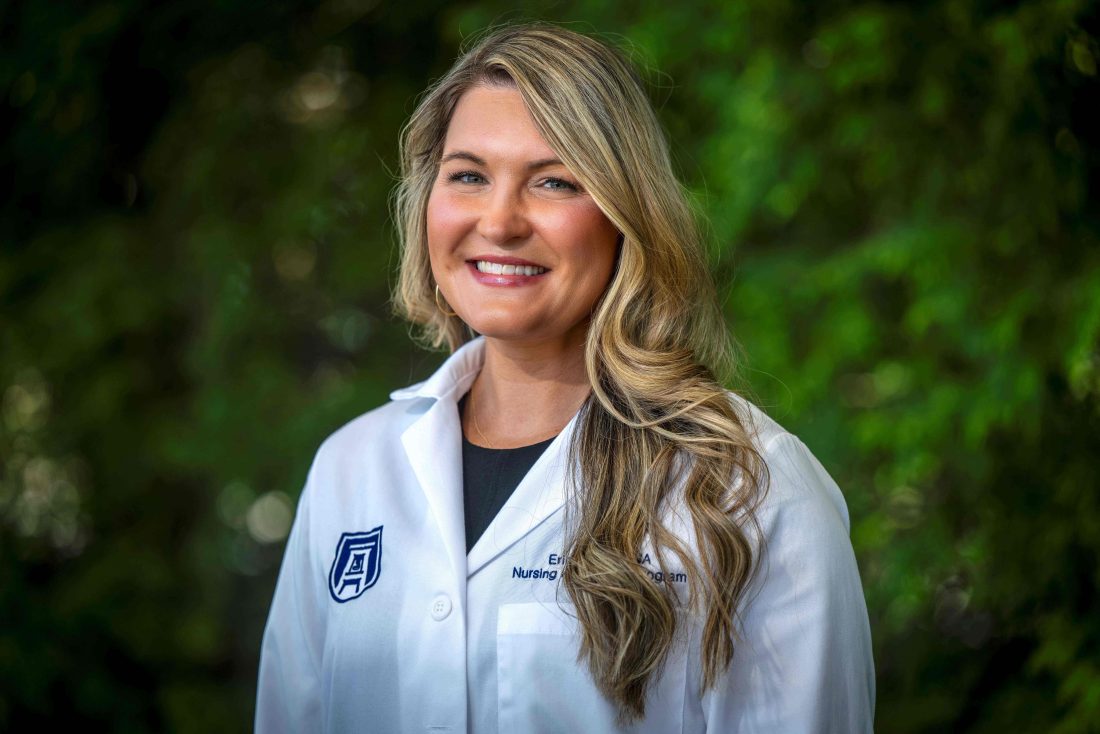
After 12 years as an occupational therapist, Erin Wiley was inspired to change course and pursue a new passion: nursing anesthesia. What followed was a six year journey that will culminate in walking across the stage at Augusta University’s Hooding & Commencement Ceremony.
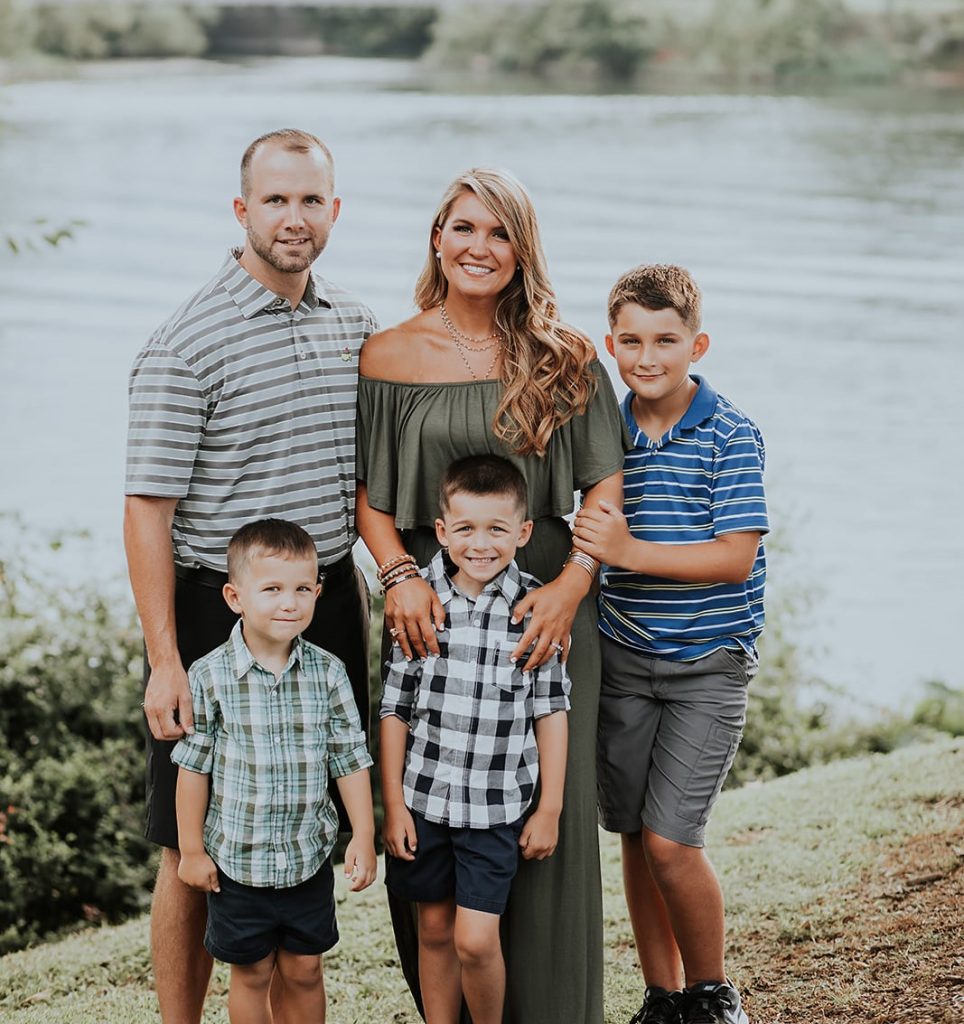
Born and raised in Augusta, Wiley lives with her husband, Travis, and their three boys. Originally a pre-med major, Wiley attended Augusta University with the plan to be an orthopedic surgeon.
“My husband and I have been together since the seventh grade. In college we had our first child, and I realized that I needed a quicker career path,” Wiley explained.
In high school, she spent a lot of time helping in the special education room.
“I remembered that I had absolutely loved every single occupational therapist I had met during that time, and that seemed like a good route.”
Wiley graduated from the Medical College of Georgia in 2011 with her Masters of Allied Health Sciences in Occupational Therapy. Though her work was rewarding, the profession experienced transitions and changes, especially when it came to the scope of insurance.
She had become burnt out and knew she needed a little more excitement in her career. Wiley decided to go back to school in 2020 with the goal of becoming a nurse anesthetist.
“After having my children and undergoing epidurals, I experienced firsthand the profound impact that CRNAs have on patients.”
These experiences inspired her to pursue a career that allowed her to care for patients on their worst days.
“I didn’t allow myself to accept anything else. I got my MSN, worked for two years, and then applied to the NAP program. Pursuing nursing anesthesia aligns perfectly with my career goals by allowing me to provide advanced and compassionate patient care while embracing greater autonomy in clinical decision-making.”
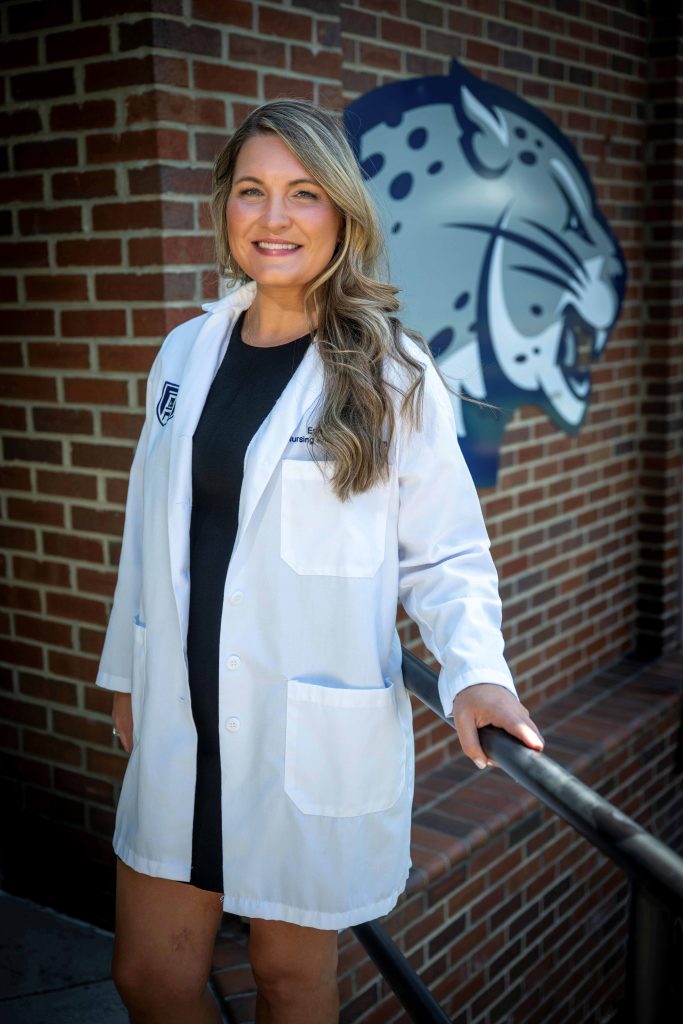
The nursing anesthesia program is a challenging but rewarding journey for doctoral students.
“The program is rigorous and academically demanding, but I know it will prepare me for a career where I can significantly impact patient care.”
Now in the final stretch of the program, Wiley spends each weekday in clinical rotations.
“For the last few years, I have eaten, breathed and slept anesthesia. The sheer volume of information, academic workload, the complexity of the anesthesia concepts and high expectations demand intense focus and dedication,” she said.
Throughout the challenges of the program, Wiley was reminded of what Nursing Anesthesia Program Director Shannon Broxton, DNP told her cohort when they started.
“When it’s getting really tough, just remember how much you wanted to be here.”
Due to the time commitment of the program, Wiley relies heavily on her support system and credits them for their contributions to her success. She remembers sitting down with her family and letting them know how much she’d need them over the next three years.
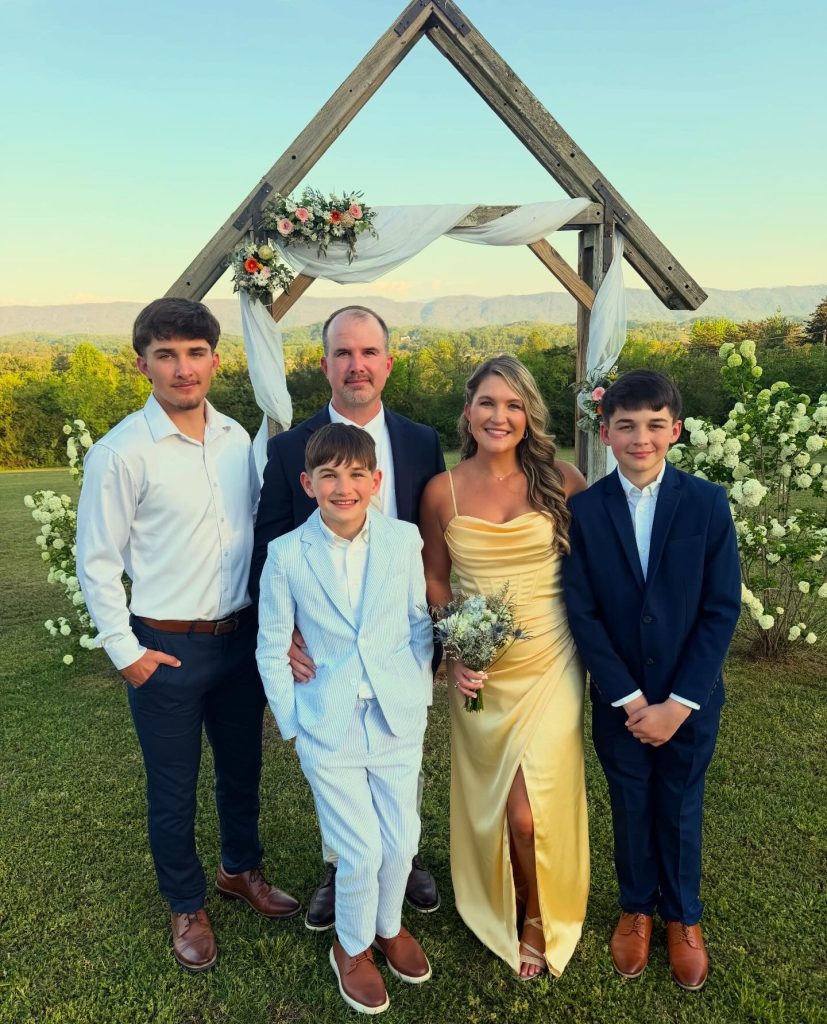
“My husband is my biggest cheerleader, my unwavering support system and the driving force behind my growth every single day. Even on my toughest days, he reminds me of my strength and potential, encouraging me to persevere.”
Along with support from her family, she maintains that a commitment to physical and mental well-being is crucial for success in the program.
“I realized I can’t waste time and energy on things out of my control and instead put effort it to what I can control. The most significant strategy is asking for help and support when I need it.”
Along with clinicals, didactic learning and extensive simulation, the DNP project is a large aspect of completing the program. The class of 2026 was unique in that the entire cohort created a project together on GLP-1 agonists, titled “Evaluating the effectiveness of POCUS Protocol in improving ultrasound utilization among anesthesia providers.”
“We knew we wanted to develop and implement a point-of-care ultrasound (POCUS) protocol to assess patients taking these drugs and determine if guidelines for their care needed to change. We split off into groups for developing, implementing and analyzing after it was instituted at several hospitals.”
With the rapid increase in GLP-1 usage, many CRNAs have not yet had specific training on the use of gastric POCUS, an ultrasound used to assess stomach contents to make sure it’s safe to proceed with surgery.
“People seemed really interested in the protocol at the five different hospitals where the project was implemented. Our goal was to create something that CRNAs would use, was beneficial and simple to utilize.”
After graduation, Wiley will start a job at Wellstar MCG Health where she’s done most of her clinicals.
“I’m excited to be working in an environment and career that continues to challenge me. Ten years from now, I hope I’m teaching. It’s so important to be part of the new generation coming in, and I believe it’s the most significant impact you can have on your profession.”
Changing careers can feel like a leap of faith, but Wiley encourages anyone thinking about it to take the plunge.
“Do it! It’s later in life, so what? Already being established made me a better student. My life experience gave me the stress and time management skills I needed to be successful,” Wiley said.
“You have these people’s lives in your hands, and you want to be passionate about being the best provider that you can be. If you’re going to succeed at this, you must invest 100% of your time into the program. It requires a deep commitment to learning, long hours of studying and significant sacrifices, but the rewards are worth it!”


 Jamison Guice
 Haley Crain
 Aaron Smith
 Stephanie Hill