 Augusta University
 Felicia Baskett
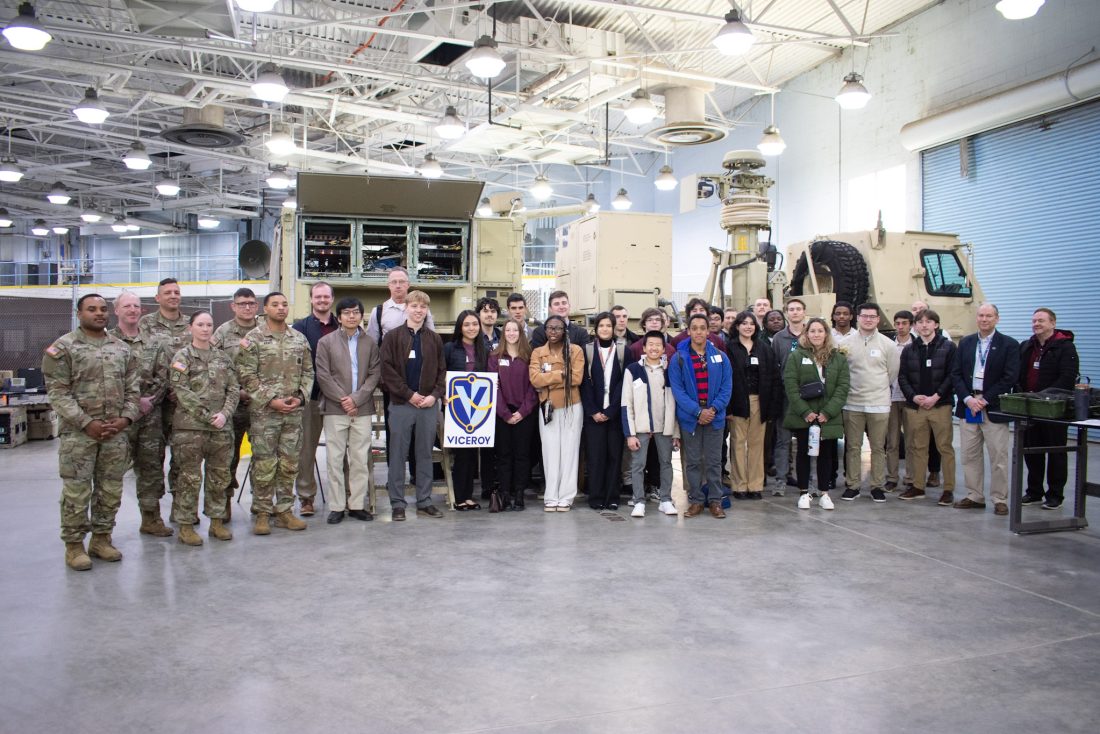
Augusta University students spent two days in the nation’s cybersecurity workforce during a hands-on experience designed to show them what their futures could look like beyond the classroom.
The event was hosted by the School of Computer and Cyber Sciences as a part of the Virtual Institutes for Cyber and Electromagnetic Spectrum Research and Employ (VICEROY) program. The program was established under the John S. McCain National Defense Authorization Act to accelerate the development of critical cyber operational skills for future civilian and military leaders.
In 2021, AU partnered with Clark Atlanta University and Mississippi State University to create the Southeastern VICEROY Cyber Institute after receiving a $2 million award.
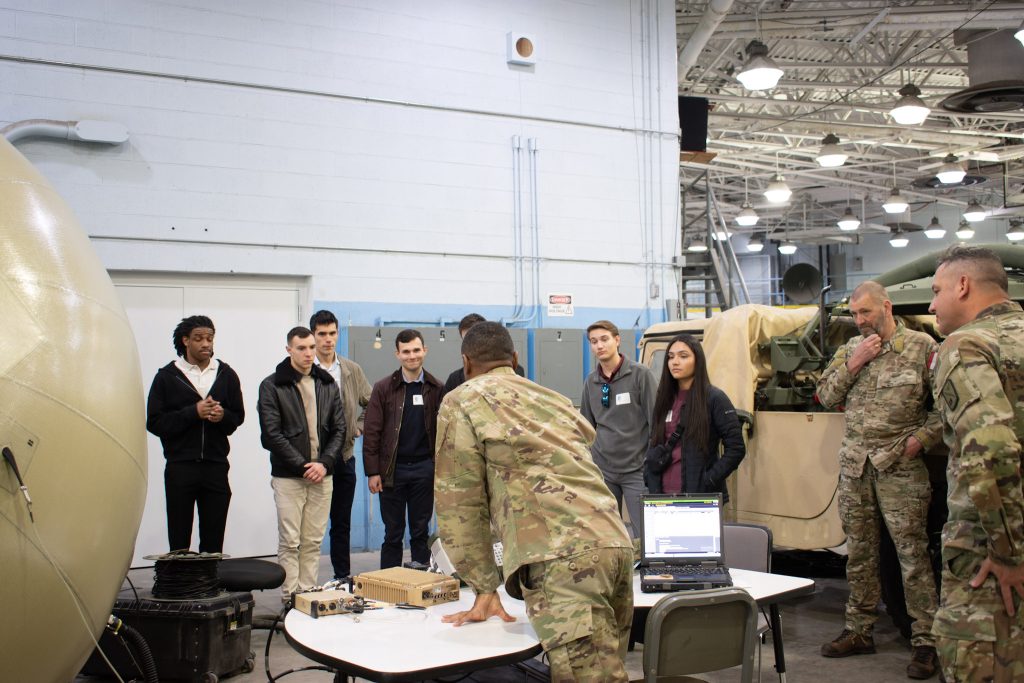
The event gave students an inside look at career pathways in cyber operations, defense and national security through site visits, tours and conversations with professionals already working in the field.
The experience comes at a critical time as there are an estimated 17,254 cybersecurity job openings in Georgia, highlighting a growing workforce need across government and industry sectors.
Located in one of the country’s premier cybersecurity hubs, Augusta offers students opportunities few universities can match. The city is home to the Georgia Cyber Innovation & Training Center at Augusta University, as well as U.S. Army Cyber Command and the National Security Agency Georgia at Fort Gordon. Because of this proximity, AU students are uniquely positioned to connect their education directly to federal workforce pipelines.
“The VICEROY award enables our students access to the Department of Defense community that they would not normally have,” said Michael Nowatkowski, PhD, head of the Cyber Programs of Study at the School of Computer and Cyber Sciences and Augusta University’s principal investigator for the VICEROY award. “This has led to internship and employment opportunities for our students.”
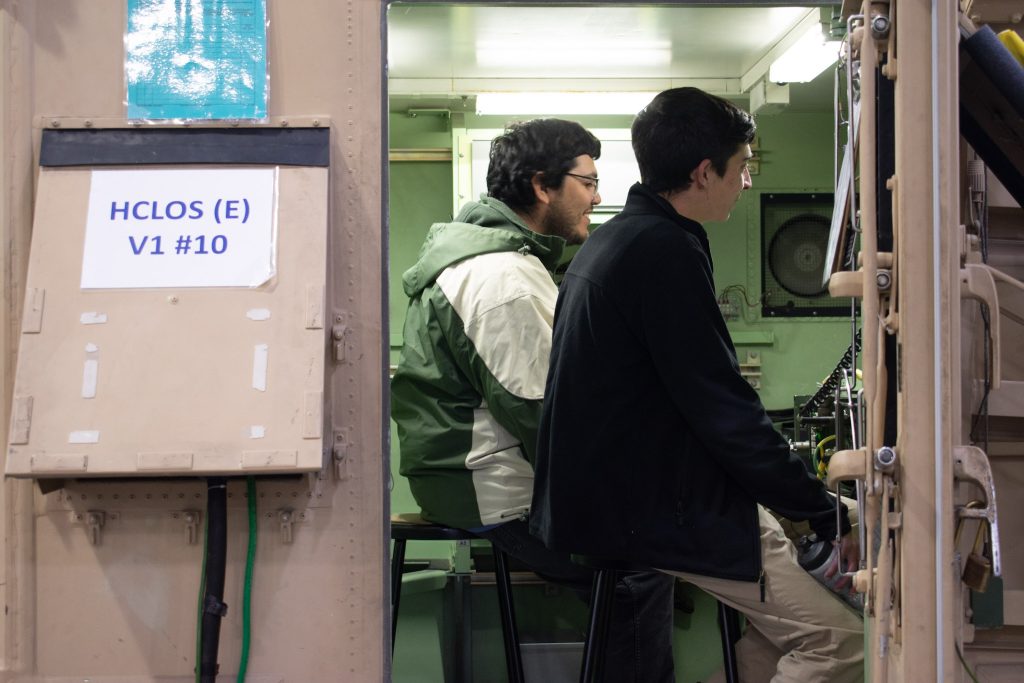
Most of the participating students were upperclassmen along with graduate students pursuing master’s degrees, all preparing to enter the cybersecurity workforce within the next few years. On the first day, students traveled to Fort Gordon to tour the U.S. Army Cyber and Signal School. They met professionals working in cyber operations and electronic warfare and toured a secure data center supporting cyber missions.
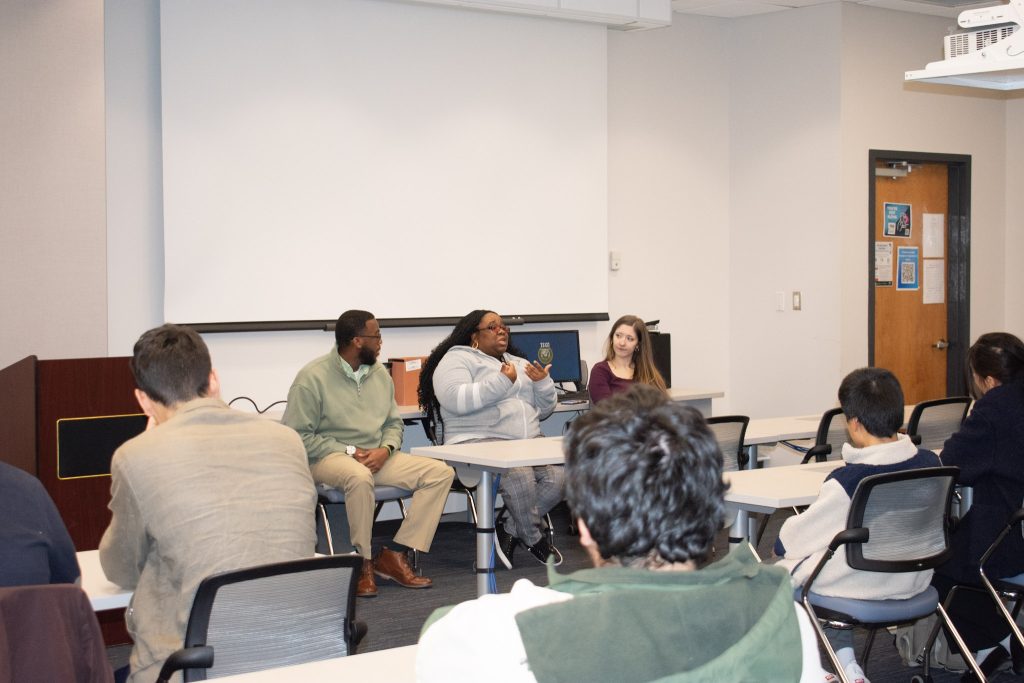
Students also participated in a panel discussion featuring AU alumni Lauren Wheeler and Joshua Grant, both former VICEROY Scholars and graduates of the program who now work in cybersecurity at Fort Gordon. Participants also interacted with Bryanna Jones, an AU alumna and VICEROY scholar, cybersecurity professional at Fort Gordon and co-founder of the AU Girls Who Code College Loop chapter, who spoke about mentorship opportunities and professional pathways available through the program.
For Kaleb Worku, an graduate student and VICEROY scholar pursuing a Master of Science in Information Security Management, the experience helped him better understand how his education connects to real-world careers.
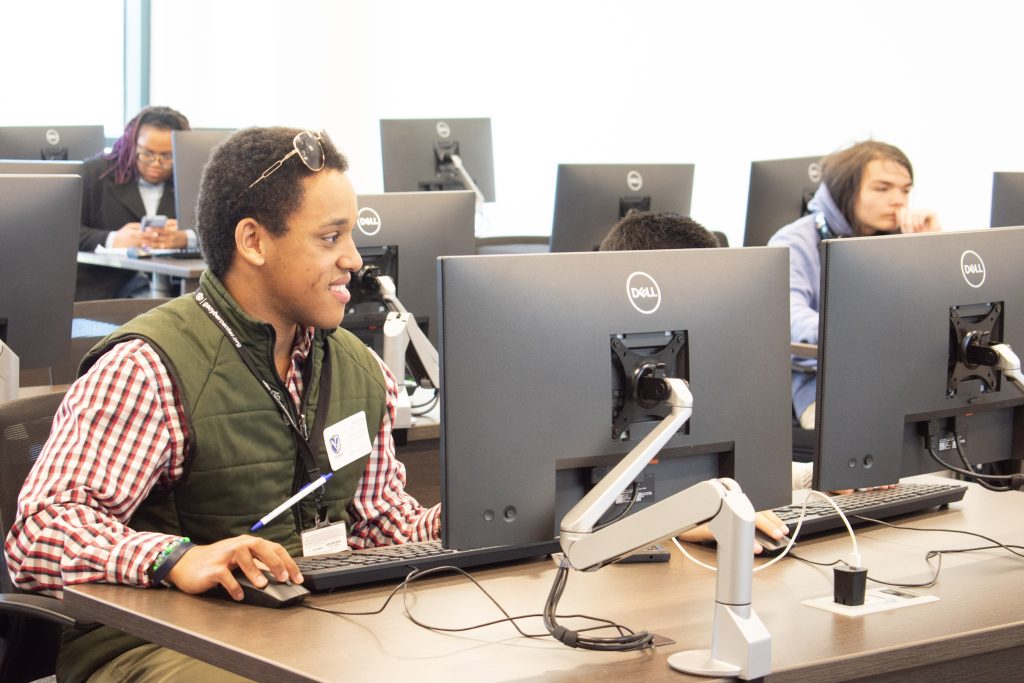
“It expanded my horizon as to the opportunities within the Department of Defense,” Worku said. “I’m a recipient of the CyberCorps Scholarship for Service program, and I was especially interested in local opportunities. Being able to go to Fort Gordon and see the different schools and capabilities was something you would never experience inside the classroom at AU.”
Worku said the visit also gave him a new perspective on potential career paths.
“The most important part of the trip for me was the briefing about the Cyber Warrant Officer Program,” he said. “It opened up the possibility of joining the Army in the future, and it was also great reconnecting with people I knew from my undergraduate studies like Joshua and Lauren and hearing their perspectives.”
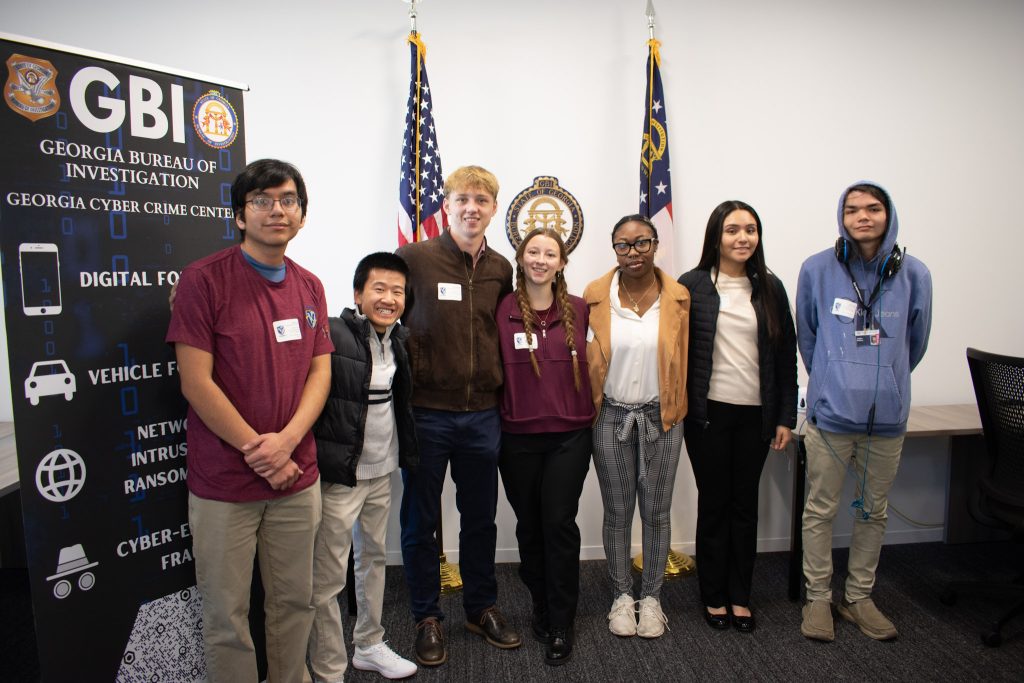
On Day 2, students returned to the Georgia Cyber Innovation & Training Center for additional experiential learning opportunities. Participants toured the Georgia Bureau of Investigation Cyber Crime Center, visited SIEGE, Augusta University’s Security Operations Center and cyber range, and explored the Garage Makerspace, where students can prototype hardware, experiment with emerging technologies and collaborate on innovative projects.
Students also had the option to attend a career panel, where they gained a first-hand look at positions with potential employers. The panel included several industry professionals, including a VICEROY alumna who now works for the FBI. Students had the opportunity to ask panelists questions about their career paths, day-to-day responsibilities and advice for entering the field.
For many students, the experience expanded their understanding of the field and strengthened their confidence in entering the workforce.
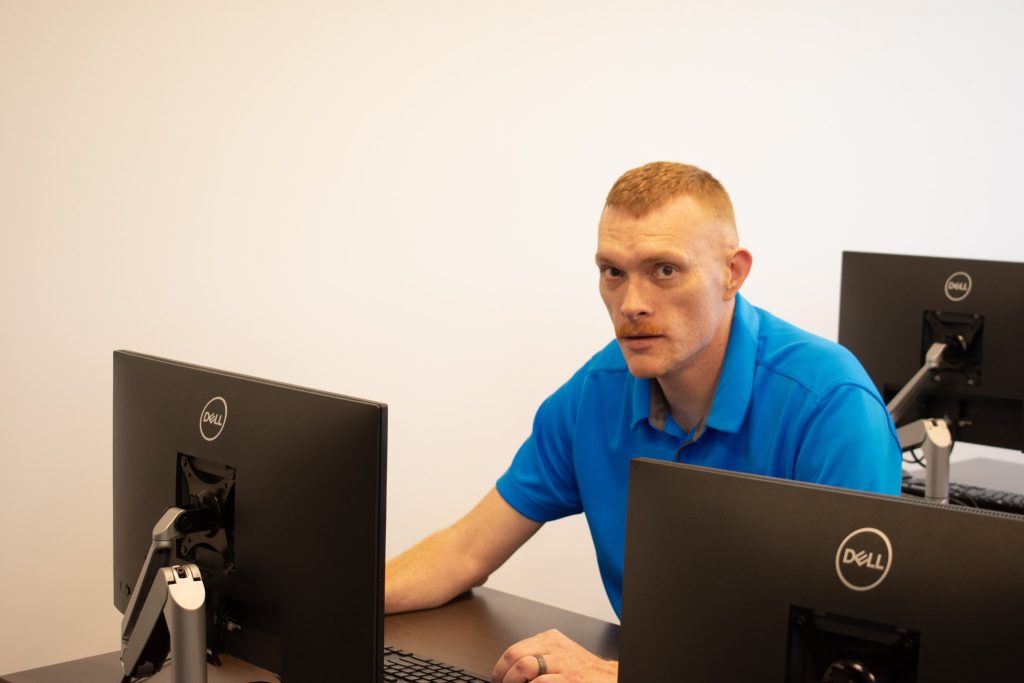
“I really enjoyed both parts of the event,” said Thomas Culbertson, a second-year cybersecurity student. “It gave me a lot of information about career paths I hadn’t considered and strengthened my confidence about finding a job after college.”
The experiences exposed students to multiple dimensions of the cybersecurity field, including military operations, state-level digital investigations and research innovation.
The experience ended with students participating in a Cookie Monster-themed Capture the Flag (CTF) cybersecurity competition, the first event of its kind designed and led by both students and faculty within the School of Computer and Cyber Sciences, which Culbertson won.
In cybersecurity, Capture the Flag competitions require participants to solve digital security puzzles such as identifying vulnerabilities, decrypting files and analyzing simulated cyberattacks to locate hidden strings of text known as “flags.” The activity allowed participants to practice “Hacker Mindset” to teach students to think critically and focus on how to identify security flaws.

 Chris Curry
 Miguelangelo Hernandez
 Delaney Freistuhler