 Augusta University
 Hannah Litteer
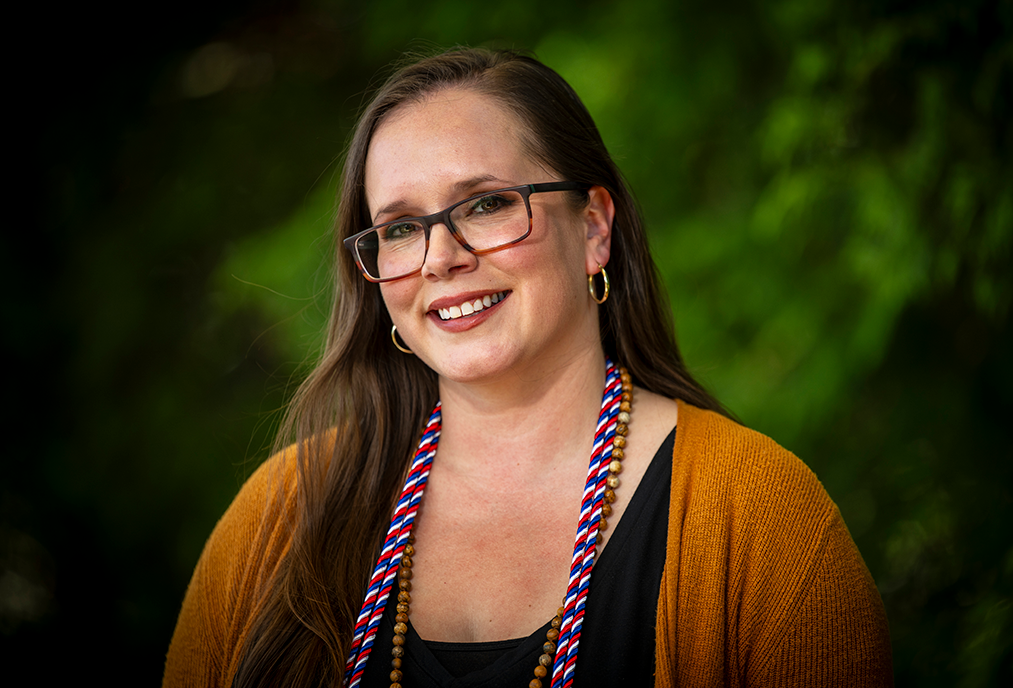
Coming from a long line of military service members, Candee Barris knew she wanted to follow in their footsteps and enlisted in the U.S. Army at just 17 years old. After serving for 13 years and getting her bachelor’s degree from Augusta University along the way, the double Jag is graduating with her PhD in vascular biology from The Graduate School at AU.
Barris graduated with her Bachelor of Science in biology in Spring 2019 and then started the PhD program that fall.
This career pivot from a soldier to a scientist all started one night over a bottle of wine with her husband on their back porch.
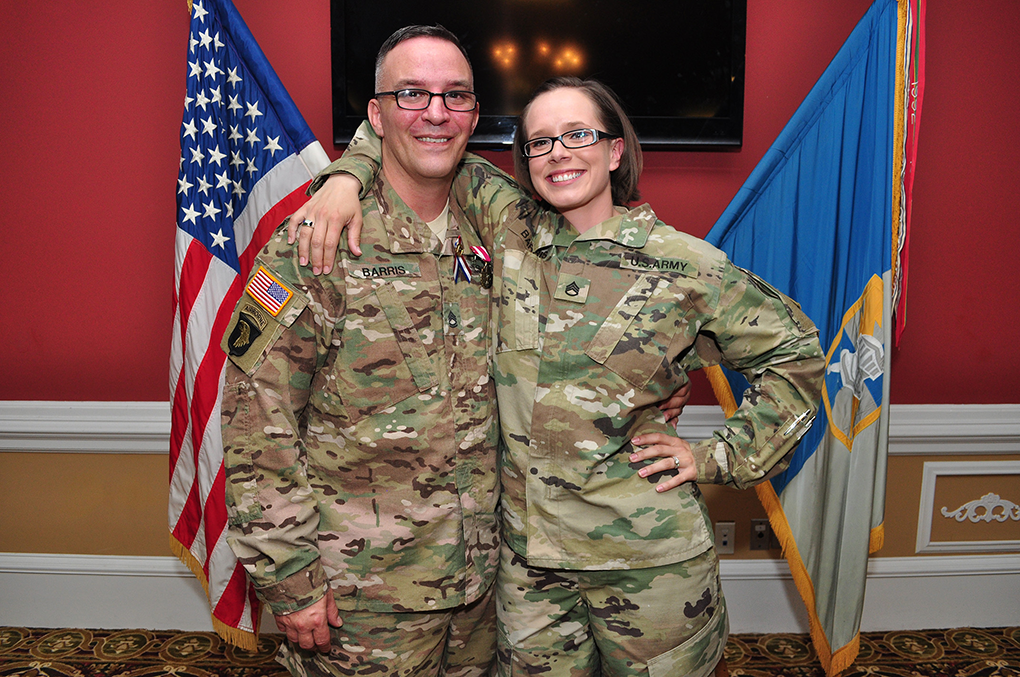
“Both my husband and I were still in the army, and I knew I wanted to go back to school, so I was trying to finish my bachelor’s with the intent of just going straight into my PhD,” Barris recalled. “I love science. I love medicine. I love the human body – I find it absolutely fascinating. While still on active duty, I was taking classes at lunch and in the evenings to try to finish my bachelor’s degree. It was extremely difficult, but eventually I was able to complete my contract and become a full-time student.”
As a child, science was Barris’ favorite subject in school, always electing to take extra courses in the subject whenever she could. But when she joined the military, she didn’t really get the chance to explore science-related tasks in her day-to-day job.
“So, when I got out, I knew I wanted to do something with science or medicine,” she said.
Although Barris’ Army career and PhD program didn’t have many things in common on a surface level, she was able to apply various workplace skills she picked up in the military to her studies.
Organization is as crucial in research, she said, as it is in the armed forces.
“One of the big things that the military teaches you is backwards planning when you have a goal,” she said. “In science, if you’re going to be planning an experiment, you develop this experimental design and you need to know what your end date is. Backwards planning is essentially knowing your end date and then planning backwards from there. That’s a very important skill to have.”
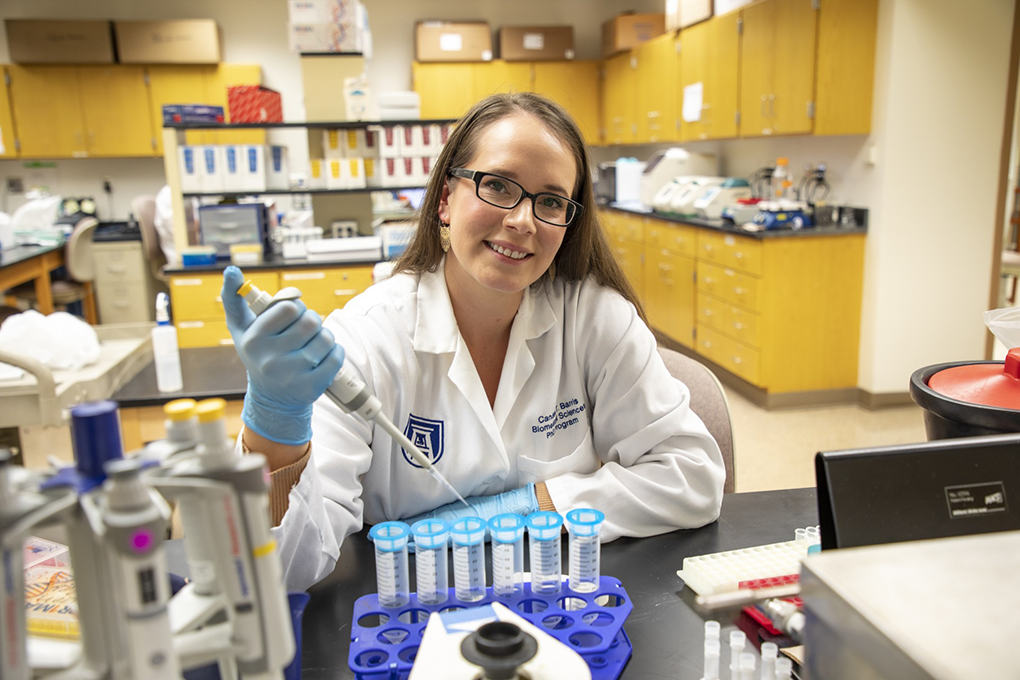
Barris’ research during the six-year PhD program focused on sex differences in obesity-related hypertension. She worked in the Vascular Biology Center with Eric Belin de Chantemele, PhD, the associate director of the VBC, serving as her mentor.
“Candee distinguished herself as an exceptional student and researcher, bringing not only intellectual rigor but also a rare depth of maturity shaped by her service in the Army. Her unique background enriched our entire center,” Belin de Chantemele said. “She was a steady, supportive presence for her peers. I have no doubt she will continue to lead, inspire, and excel wherever her path takes her.”
AU’s biomedical sciences PhD programs operate under an umbrella concept, where students can rotate in labs within multiple departments before ultimately committing to joining a lab for the duration of their program. When Barris rotated to Belin de Chantemele’s lab, she knew it was “the one.”
“It was amazing. I loved it. When I did my second rotation, which was actually during COVID, I ended up asking if I could join the lab over a Zoom meeting,” she laughed.
Although some of the concepts Barris was learning regarding whole body systems and blood pressure were new to her, she said the mentorship and support from faculty and staff at the VBC and The Graduate School were instrumental to her success and made her feel seen and included as a student who came in without as much previous research experience.
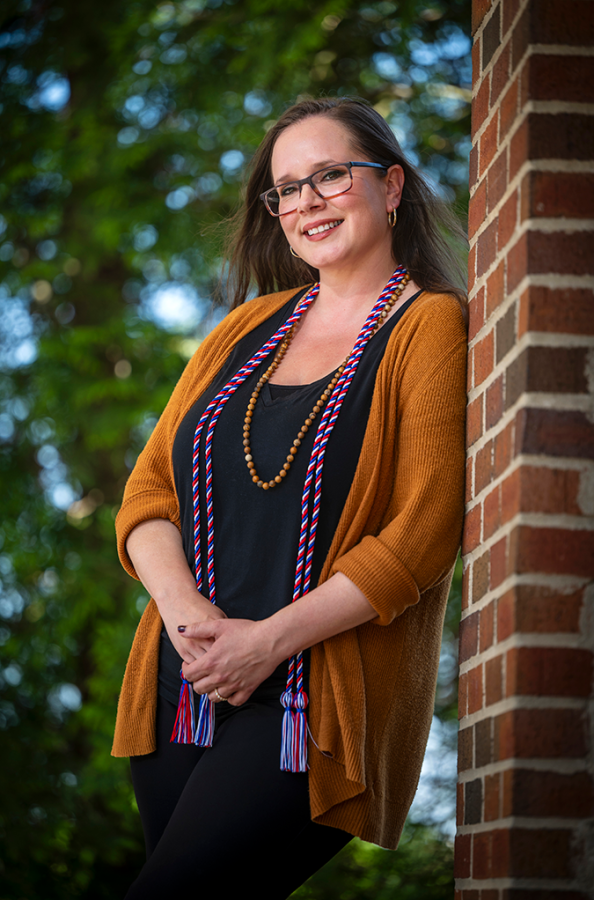
“The grad school is fantastic.The faculty and staff at TGS are extremely helpful. They provide assistance and guidance throughout the graduate journey, support in both academic and administrative matters and create a positive, welcoming environment for all grad students.”
As involved as Barris was in her research lab, she was just as involved in The Graduate School community. She served as a student ambassador and as a member of the Graduate Student Government Association, helping to amplify the voices of the graduate student body and support them with anything they needed.
One example of this is how she helped offset financial strain for some international graduate students who were experiencing initial processing delays with their graduate research assistantship funding.
She started inviting her entire cohort, including the international students, to her house for cookouts and made sure to include dishes students from every culture could enjoy.
“I have a philosophy that if you come to my house, I will feed you and you will have somewhere where you feel a part of a family. Since that first semester, the cookouts became more frequent, such as Friendsgivings where everyone brought a dish to share, celebration cookouts to congratulate those who were graduating and such.”
Jennifer Sullivan, PhD, dean of The Graduate School, applauds Barris for her initiative, drive and problem-solving abilities, both in the laboratory and in real life.
“Candee has been an outstanding representative of the Vascular Biology Center, The Graduate School and Augusta University, earning national recognition through her presentations and awards at major scientific meetings. Beyond her excellence as a scientist, Candee is a true team player who is deeply committed to building community. From her first day in the program, she has worked intentionally to ensure that everyone feels included, supported, and has a place to belong – and even a meal – quite literally,” Sullivan said.
Barris said she owes it to her husband, Jason, for being her rock and taking care of their home and children while she focused on being a full-time student.
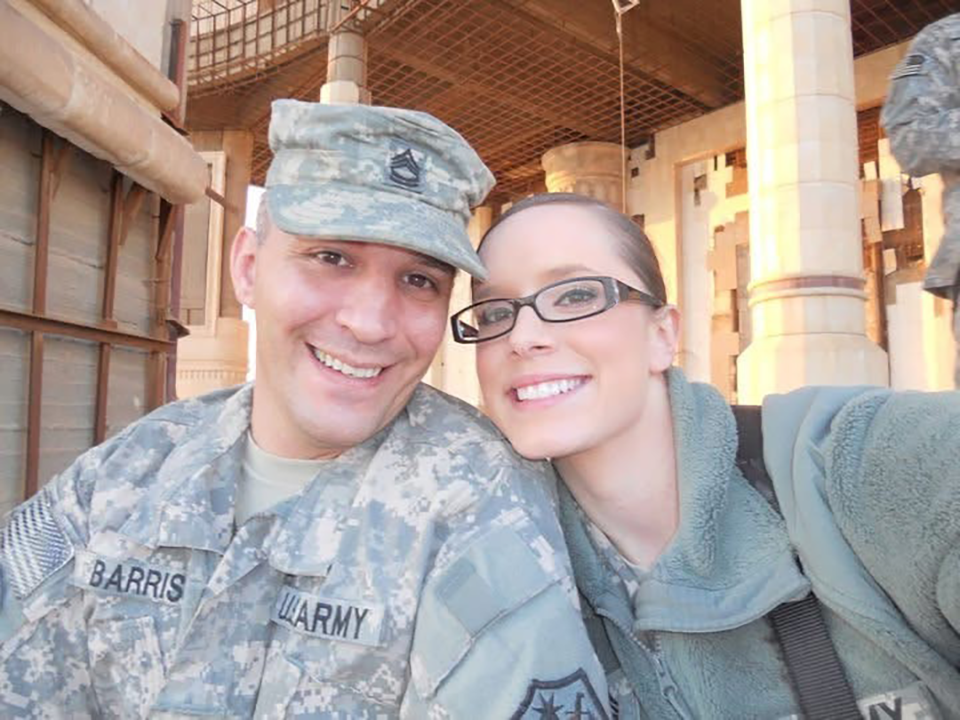
“We have this kind of fun deal during the week where my husband cooks all the dinners and everything, and then when the weekend comes, like on Friday nights, the reins go over to me, Friday through Sunday,” she said. “He is instrumental to the success of our family. I would not have been able to do any of my schooling if I didn’t have his support.”
Successfully defending her PhD a few weeks ago, Barris is now a postdoctoral researcher in Sullivan’s lab studying molecular mechanisms correlated to blood pressure and renal health. She’s not sure yet what her career is going to look like long term, or whether she’s going to stay in academia or pursue a job in the public sector, but knows that “the world is her oyster.”
“I wanted to do the postdoc to get some more training and experience, and this is a transition time as well. Although I am not entirely sure of what my long-term career plan is, I am considering either staying in academia and becoming an independent investigator, or, since I’m prior military, a job in the government sector.”

 Haley Crain
 Jamison Guice
 Aaron Smith