 Augusta University
 Milledge Austin
One of the best ways to advance knowledge is through collaboration, and for more than 100 years, there has been no better way for immunologists in the United States to collaborate than through the American Association of Immunologists’ annual meeting.
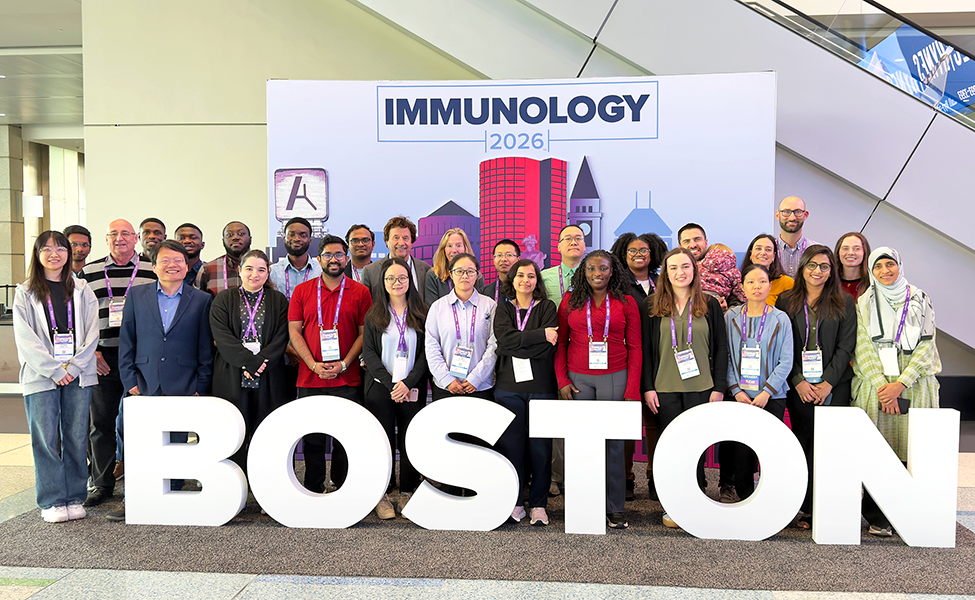
This year marked the 109th edition of the meeting, and a strong contingent of researchers and trainees from the Immunology Center of Georgia, part of the Medical College of Georgia at Augusta University, attended Immunology2026, held in Boston, Massachusetts. Twenty-eight members of IMMCG attended, with seven members presenting during block symposia or committee sponsored sessions and another 19 presented posters across three days.
“AU’s IMMCG had an incredibly strong showing, with 28 attendees and 26 oral and poster presentations,” said Klaus Ley, MD, founding co-director of IMMCG, Georgia Research Alliance Eminent Scholar and professor of physiology. “Wherever you looked, you would see a poster with the dark blue header and the bell.”
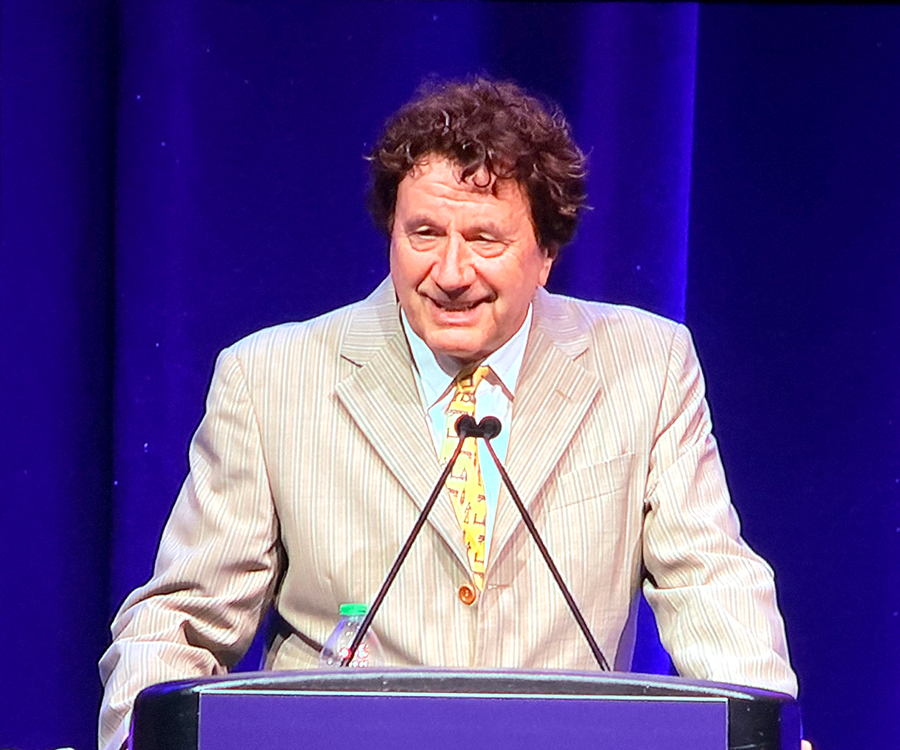
Ley kicked things off for IMMCG’s strong representation as he had the honor of introducing AAI’s current president, Ulrich H. von Andrian, MD, a renowned professor of immunopathology at Harvard Medical School and a colleague of Ley’s for 37 years. Von Andrian visited Augusta University in June of 2025 to present, “Regulation of Cellular Immunity by Microvascular Endothelial Cells” as a guest seminar for IMMCG. During the Immunology2026 President’s Address, von Andrian spoke on the state of immunology research in the United States and shared how he envisioned the field moving forward.
One faculty researcher and nine trainees from IMMCG earned awards from AAI to partially offset the cost of attending the meeting.
Marco Orecchioni, PhD, an assistant professor in IMMCG who discovered that olfactory receptors were present in macrophages and determined how they trigger inflammation in atherosclerosis, won an AAI Early Faculty Travel Award. On top of this honor, his lab had a strong showing at Immunology2026 with his postdoctoral fellow, Adil Ijaz, PhD, and graduate research assistants Layne Benson and Khalia Cummings, all earning AAI Trainee Abstract Awards, which gave the trio the opportunity to present their research during block symposia. Farjana Sharmen, another graduate research assistant in the Orecchioni Lab, also presented her poster during the event.
“This AAI meeting has been highly successful for my lab. We had the opportunity to present our research, receive valuable feedback and thoughtful suggestions and engage with many exciting advancements in immunology,” Orecchioni said. “My students were especially grateful for the opportunity and gained a great deal from the experience. These insights will help guide and strengthen our work moving forward.”
Qinkang Lyu, PhD, a postdoctoral fellow in the Ley Lab, and Lily Liu, a graduate research assistant in the Chiang Lab under the direction of Austin Chiang, PhD, were also both awarded AAI Trainee Abstract Awards and presented their research during the annual meeting. Earlier in the week, Liu was recognized for her excellence in research during the Graduate Research Day Awards Luncheon.
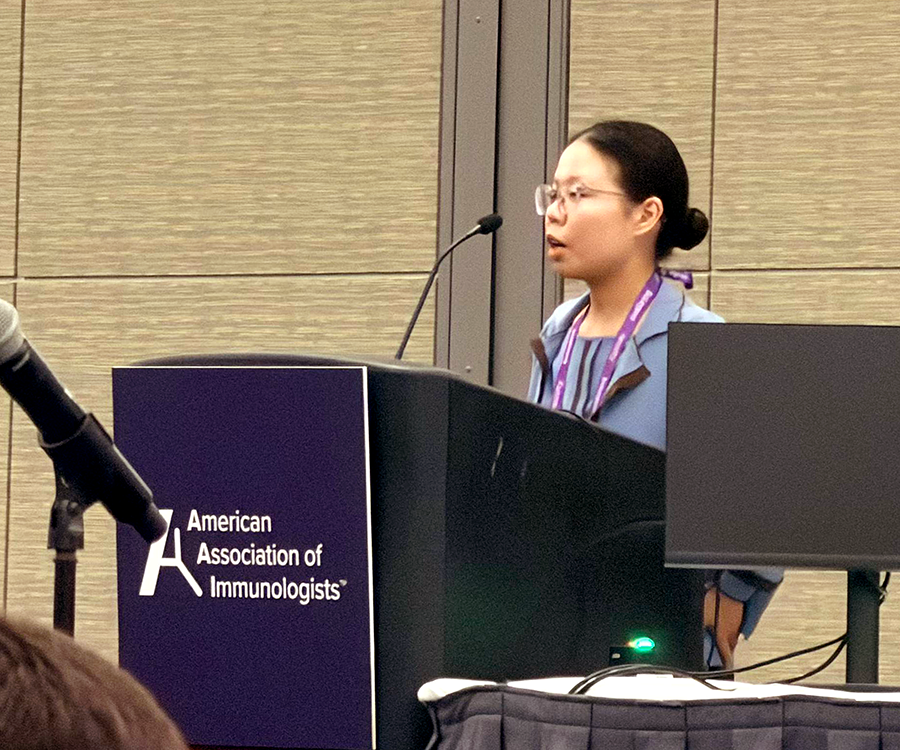
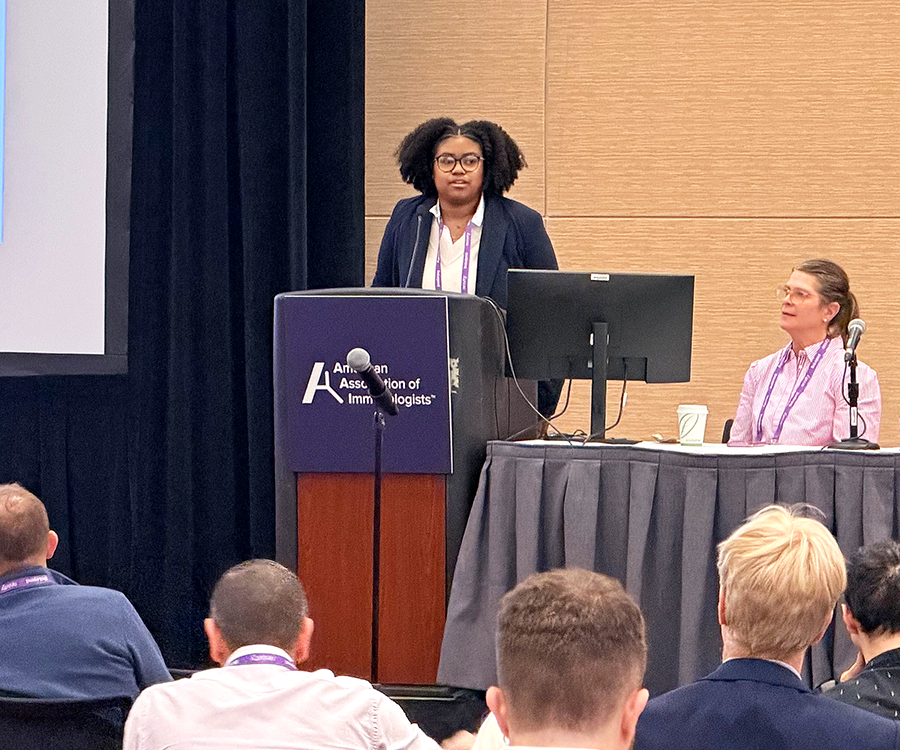
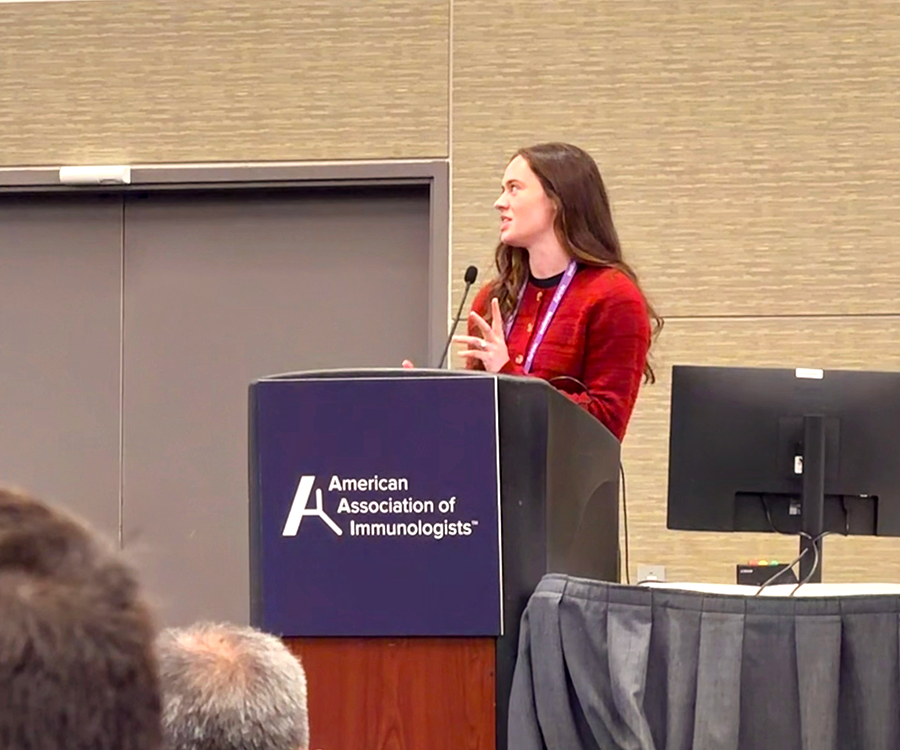
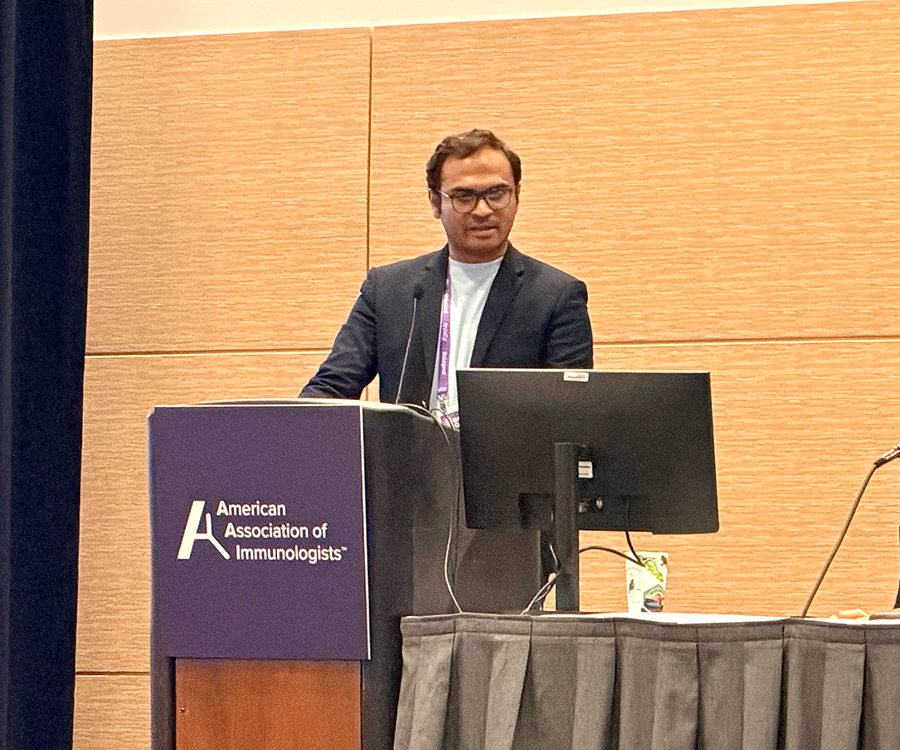
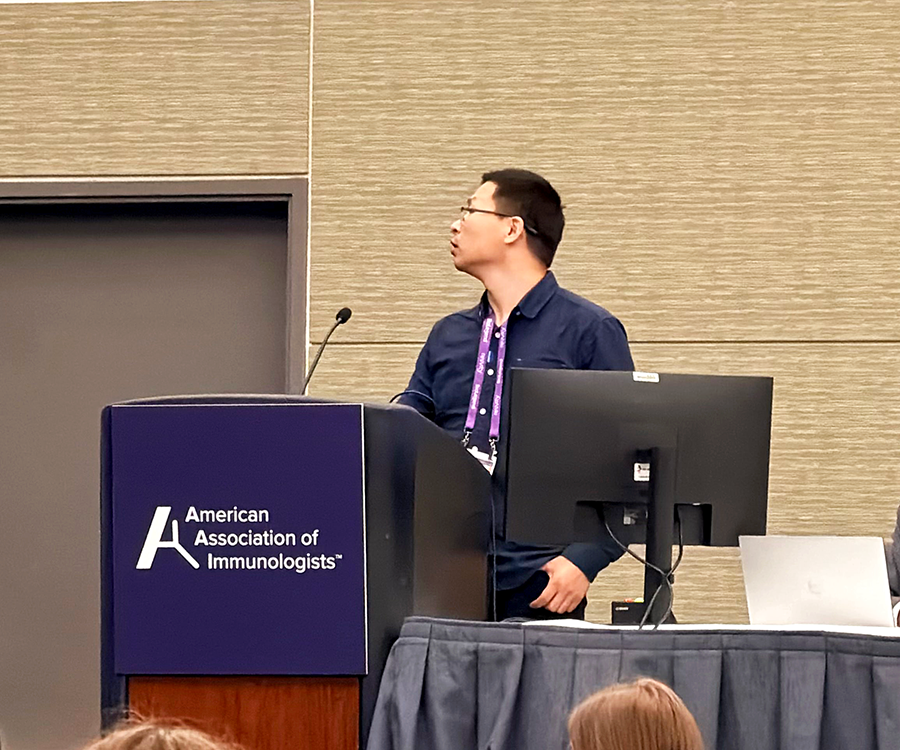
AAI Equity in Immunology Travel Awards were given to Abdul Basit Musah, a graduate assistant, and Bowen Hou, PhD, a postdoctoral fellow, both members of the Gascoigne Lab under the direction of Nicholas R.J. Gascoigne, PhD.
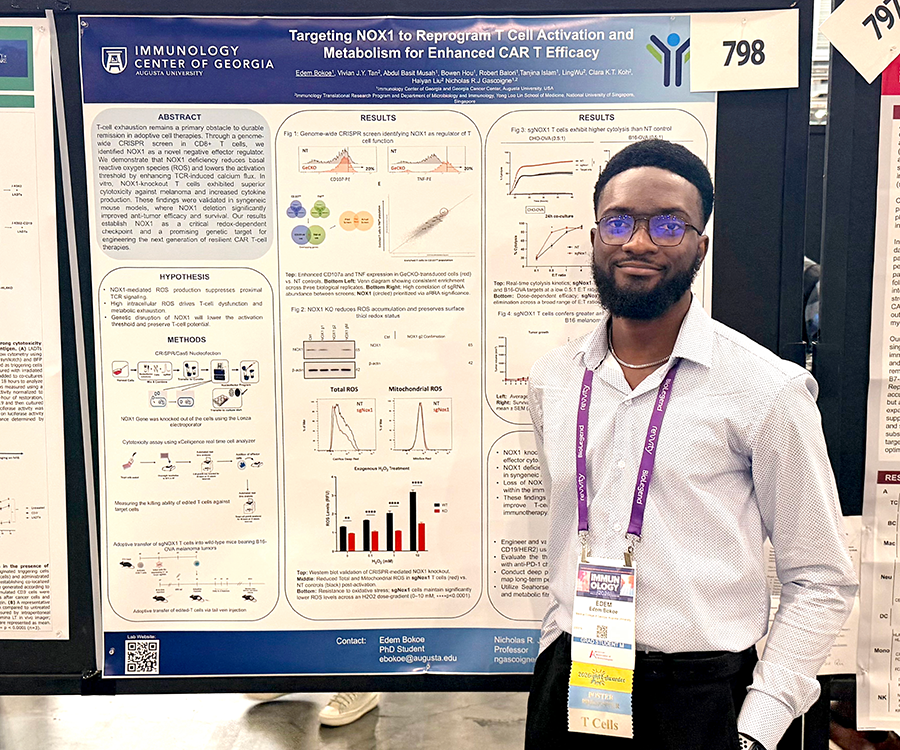
AAI Trainee Poster Awards were given to Yan Wang, PhD, a member of the Ley Lab, and Edem Bokoe, from the Gascoigne Lab.
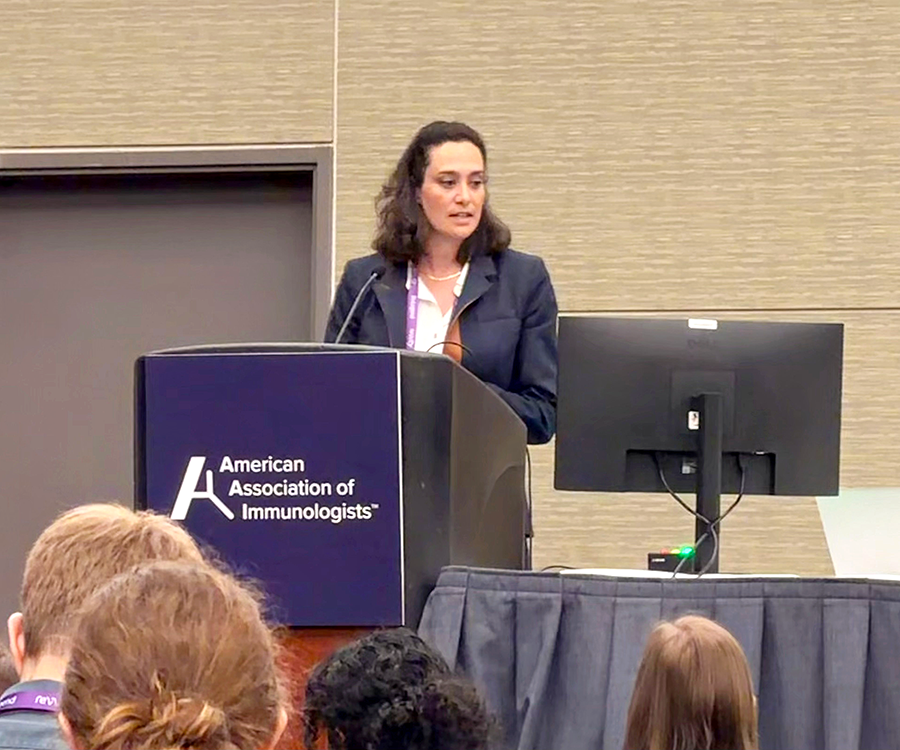
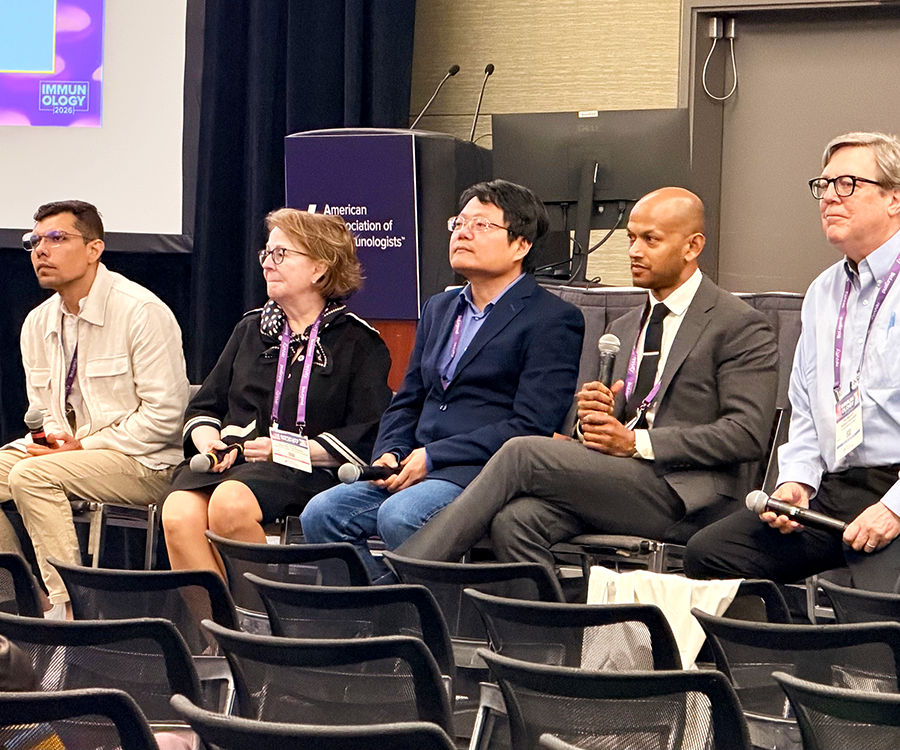
Chiang, an assistant professor whose research focuses on systems immunology, was a member of a panel for a committee-sponsored session titled, “Modeling the Human Immune Response” sponsored by the AAI Clinical Immunology Committee, and Martina Zoccheddu, director of the Integrated Genomics Shared Resource at the Georgia Cancer Center, presented her research during a block symposium session.
“IMMCG was well represented during Immunology2026, which is so exciting to see – since our center is only four years in the making,” said Catherine “Lynn” Hedrick, PhD, founding co-director, Georgia Research Alliance Eminent Scholar and professor of vascular and cancer immunology. “We have such a creative and dynamic group of scientists at IMMCG. We are proud of their accomplishments and are excited to see what they do next. They are wonderful colleagues and trainees.”
There were six poster sessions spread out over three days of the meeting with 18 members of IMMCG taking part in those sessions.
Poster presentations from IMMCG included:
- Austin Chiang, PhD, assistant professor, Chiang Lab – “An AI framework to reveal disease-driving CD4 T cell synapses in sarcoidosis”
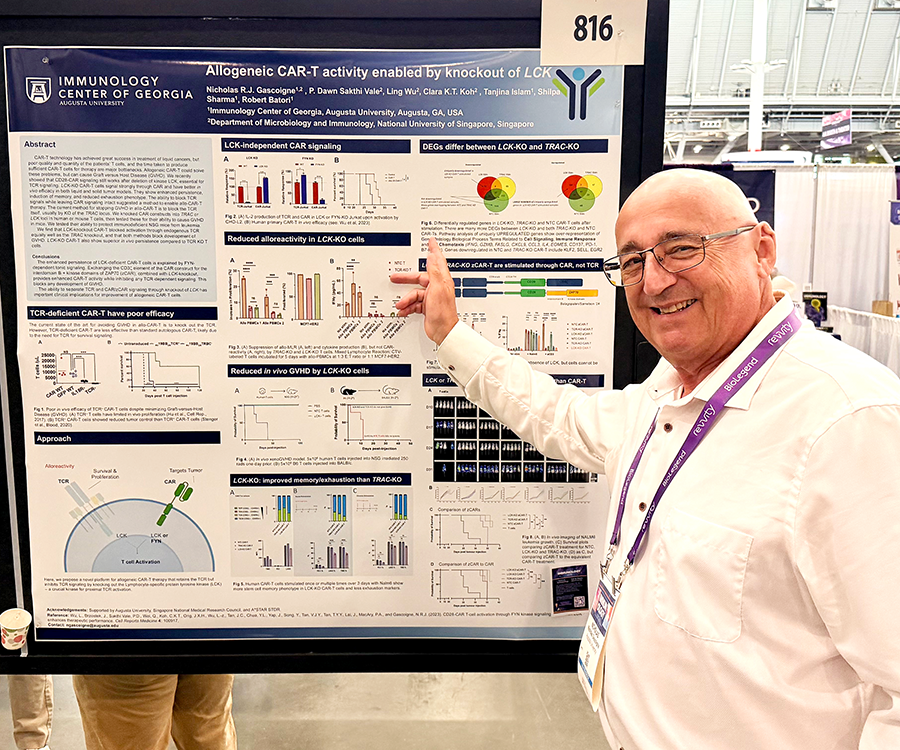
- Nicholas Gascoigne, PhD, assistant professor, Gascoigne Lab – “Allogeneic CAR-T activity enabled by knockout of LCK”
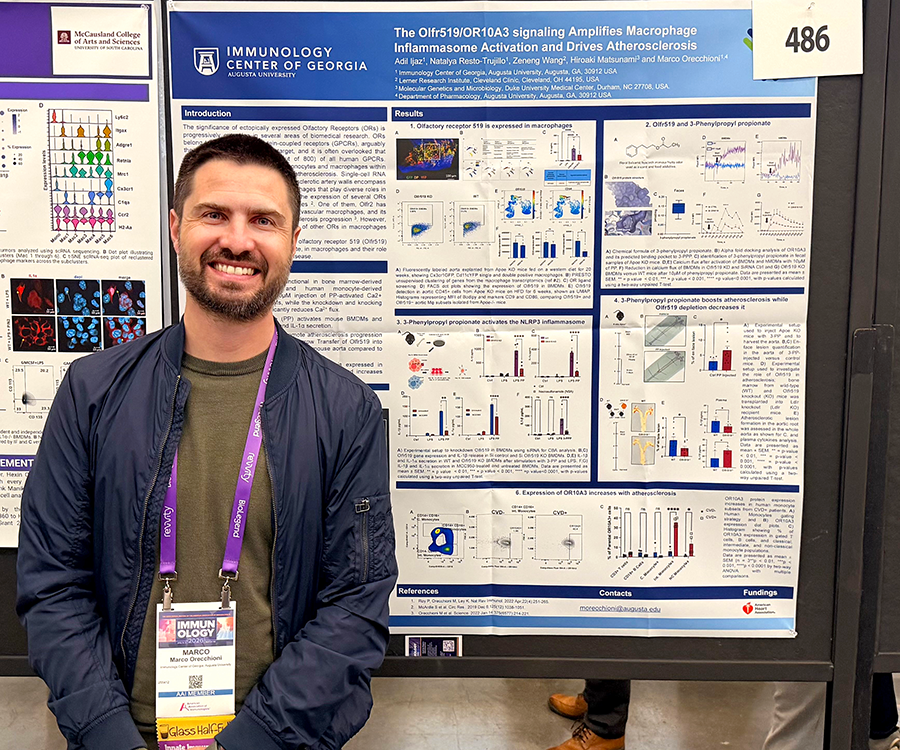
- Marco Orecchioni, PhD, assistant professor, Orecchioni Lab – “The Olfr519/OR10A3 signaling amplifies macrophage inflammasome activation and drives atherosclerosis”
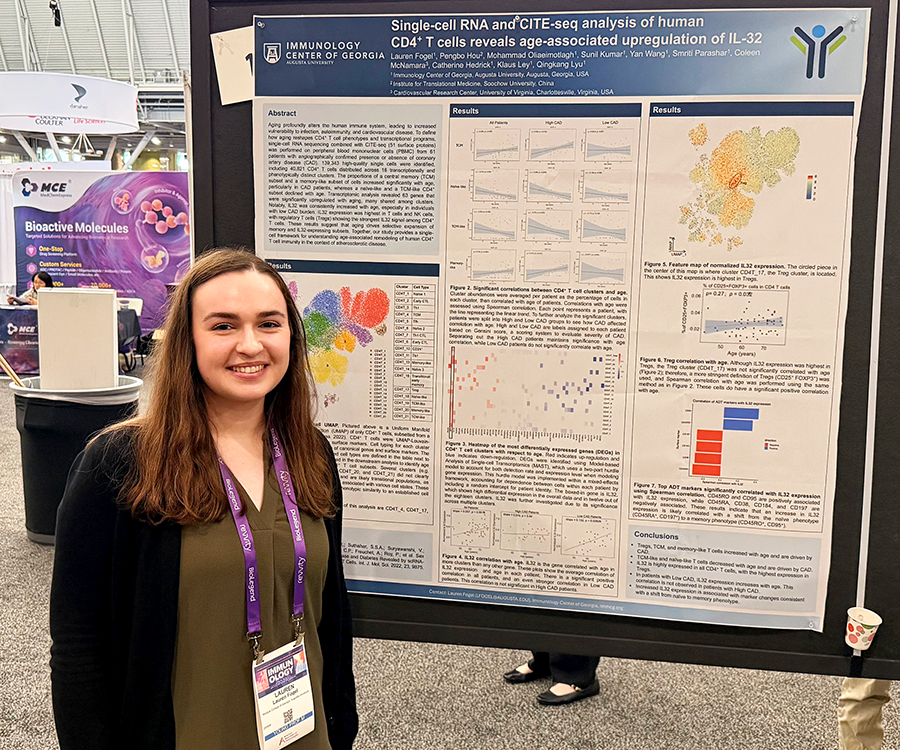
- Lauren Fogel, bioinformatician, Ley Lab – “Single-cell RNA and CITE analysis of human CD4+ T cells reveals age-associated upregulation of IL-32”
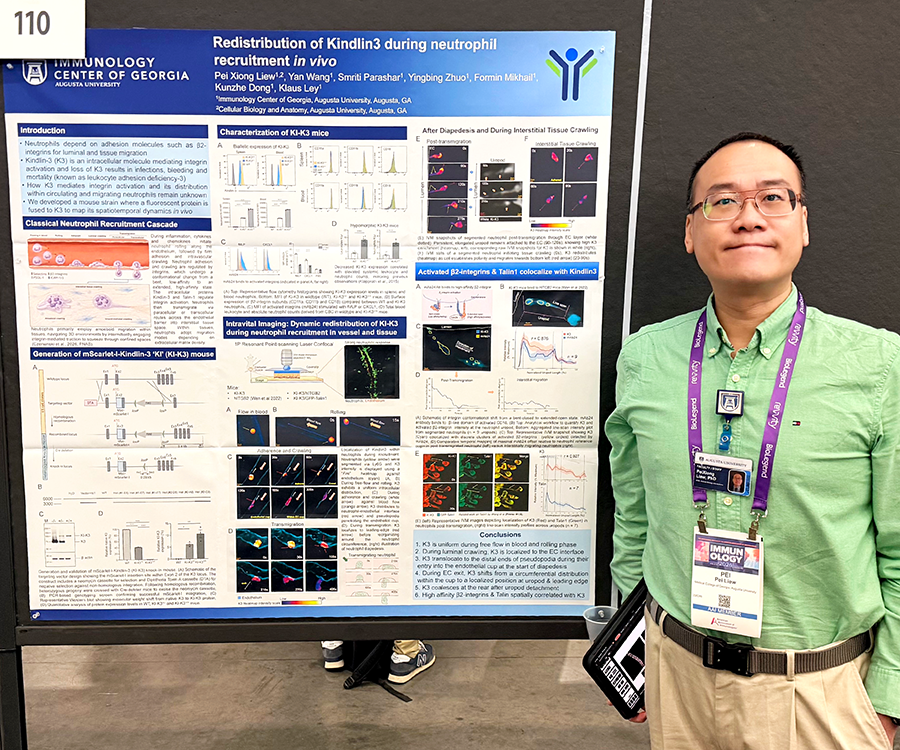
- Pei Xiong Liew, PhD, senior research scientist, Ley Lab – “Redistribution of Kinlin3 during neutrophil recruitment in vivo”
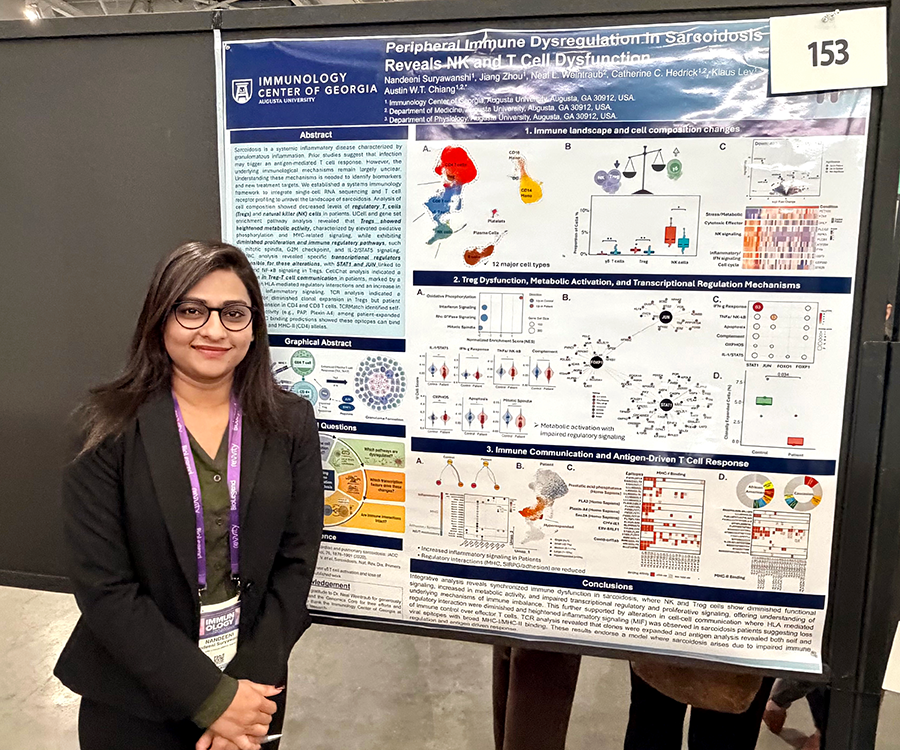
- Nandeeni Suryawanshi, research associate, Chiang Lab – “Peripheral immune dysregulation in sarcoidosis reveals NK and T cell dysfunction”
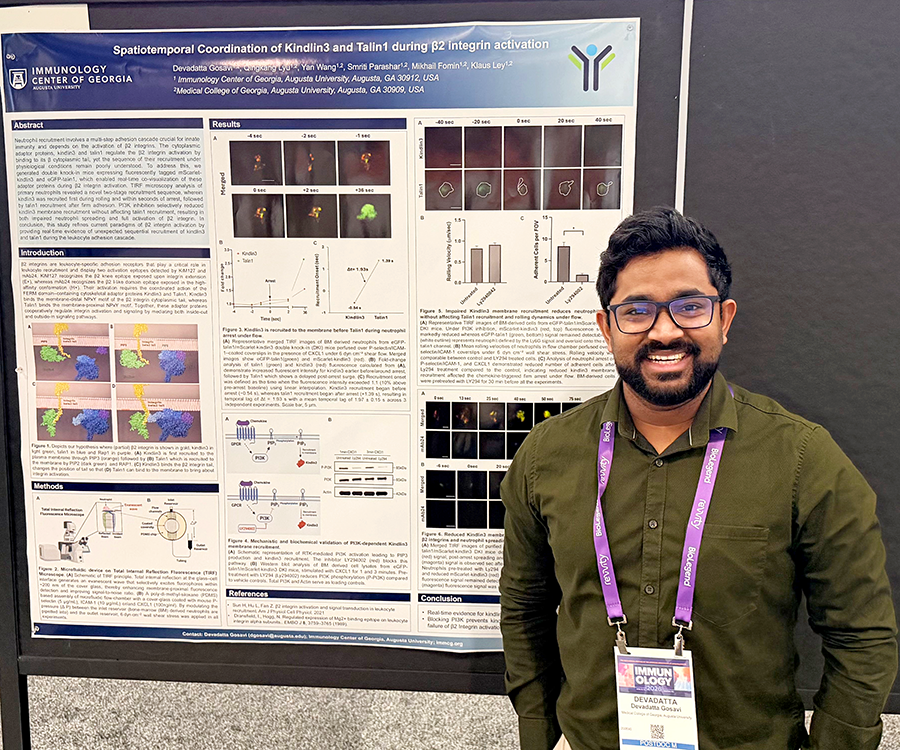
- Devadatta Gosavi, PhD, postdoctoral fellow, Ley Lab – “Spatiotemporal coordination of Kindlin3 and Talin1 during ß2 integrin activation”
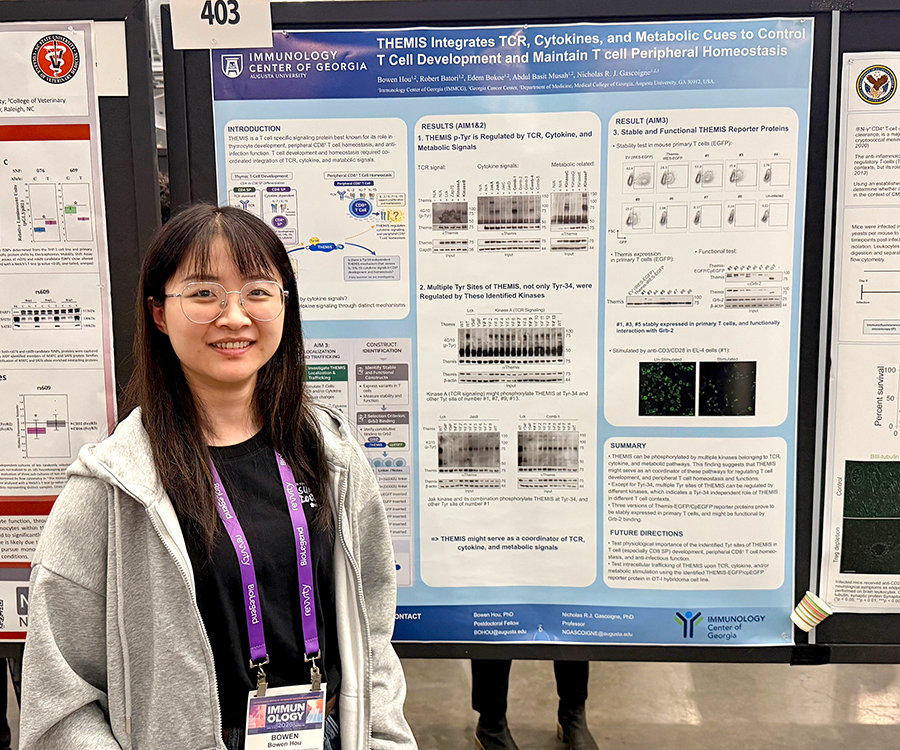
- Bowen Hou, PhD, postdoctoral fellow, Gascoigne Lab – “THEMIS integrates TCR, cytokines, and metabolic cues to control T cell development and maintain T cell peripheral homeostasis”
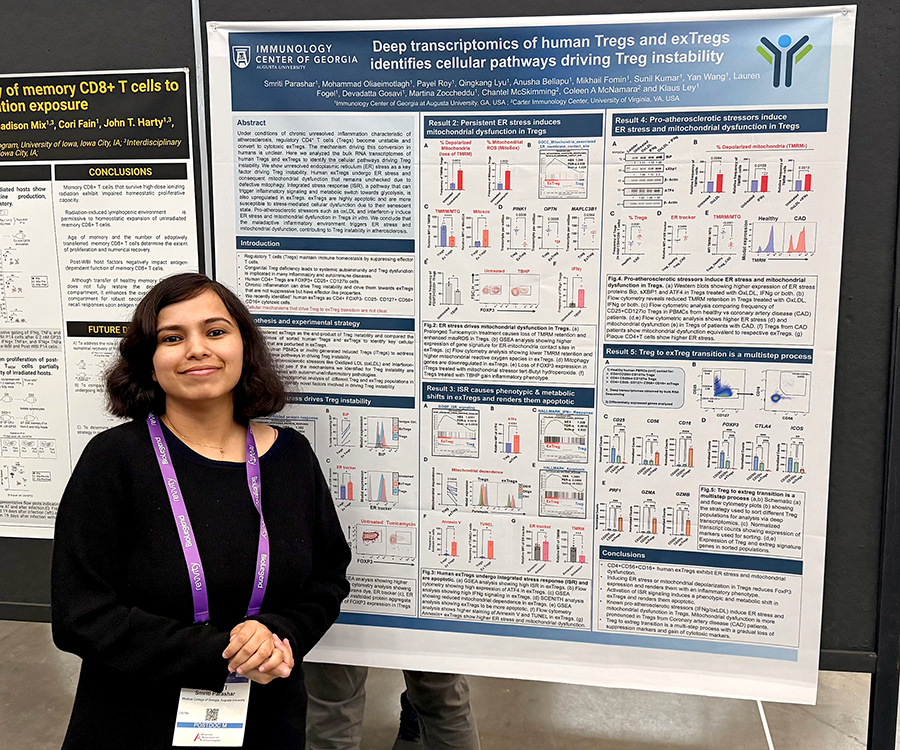
- Smriti Parashar, PhD, postdoctoral fellow, Ley Lab – “Deep transcriptomics of human Tregs and exTregs identifies cellular pathways driving Treg instability”
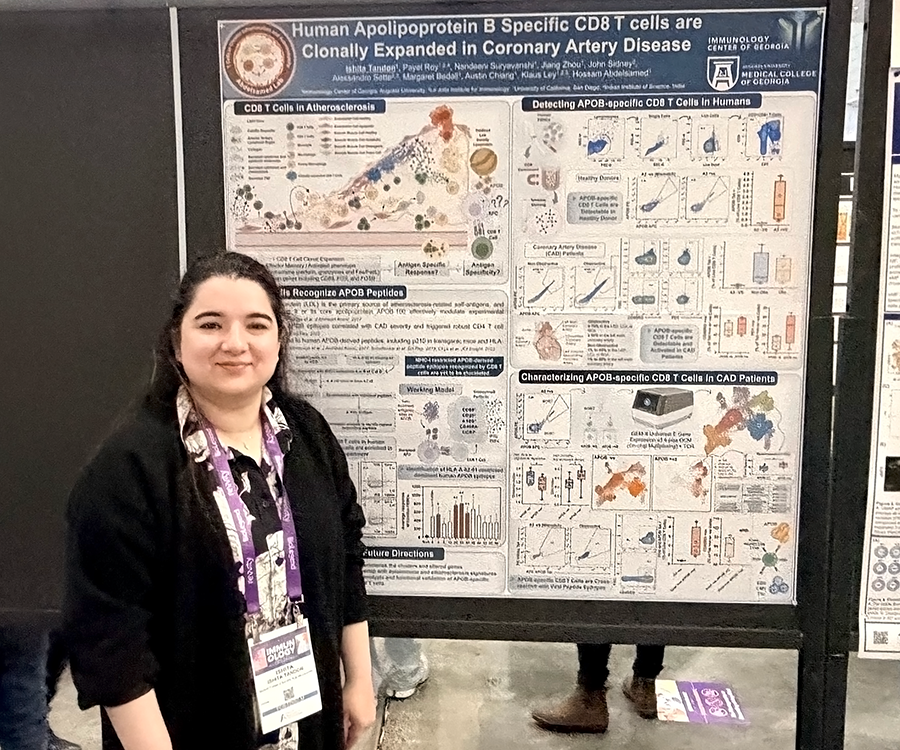
- Ishita Tandon, PhD, postdoctoral fellow, Abdelsamed Lab – “Human apolipoprotein B specific CD8 T cells are clonally expanded in coronary artery disease”
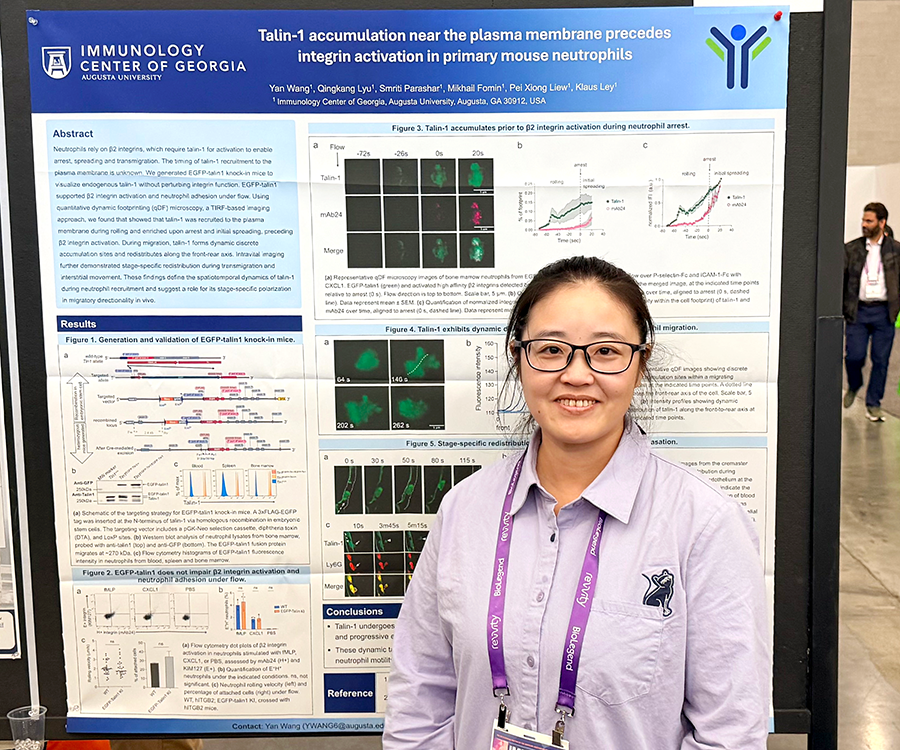
- Yan Wang, PhD, postdoctoral fellow, Ley Lab – “Talin-1 accumulation near the plasma membrane precedes integrin activation in primary mouse neutrophils”
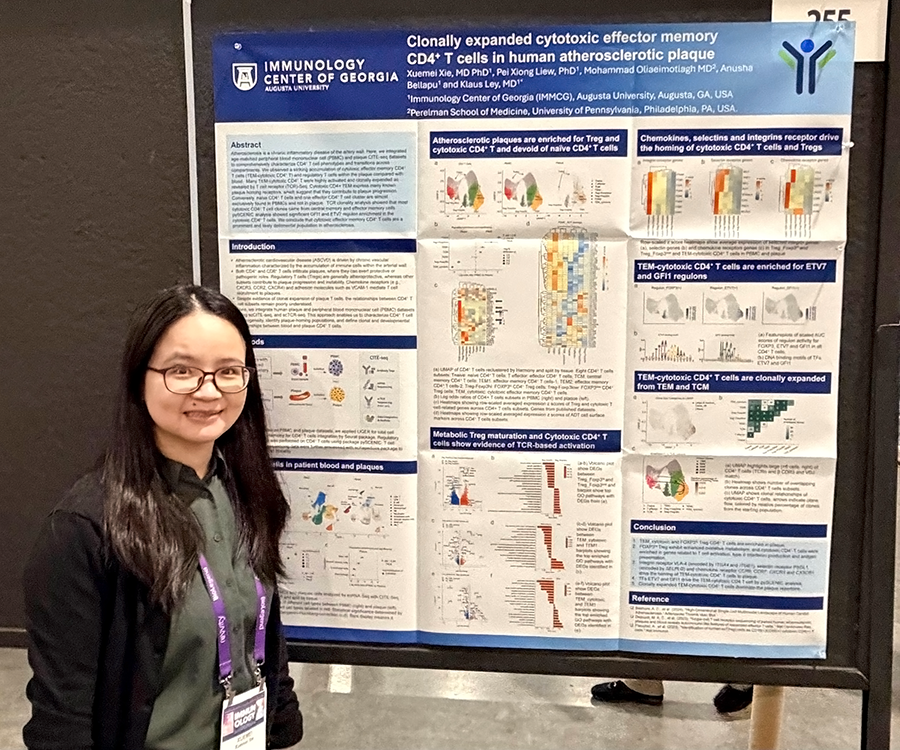
- Xiemei “Fiona” Xie, MD, PhD, postdoctoral fellow, Ley Lab – “Clonally expanded cytotoxic effector memory CD4+ T cells in human atherosclerotic plaque”
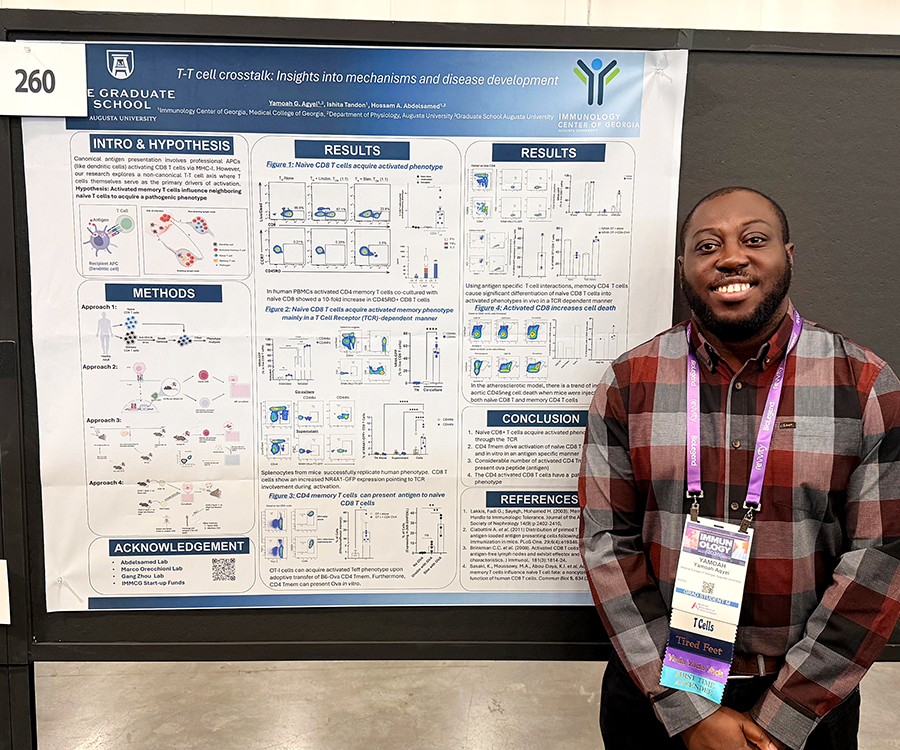
- Yamoah Agyei, graduate research assistant, Abdelsamed Lab – “T-T cell crosstalk: Insights into mechanisms and disease development”
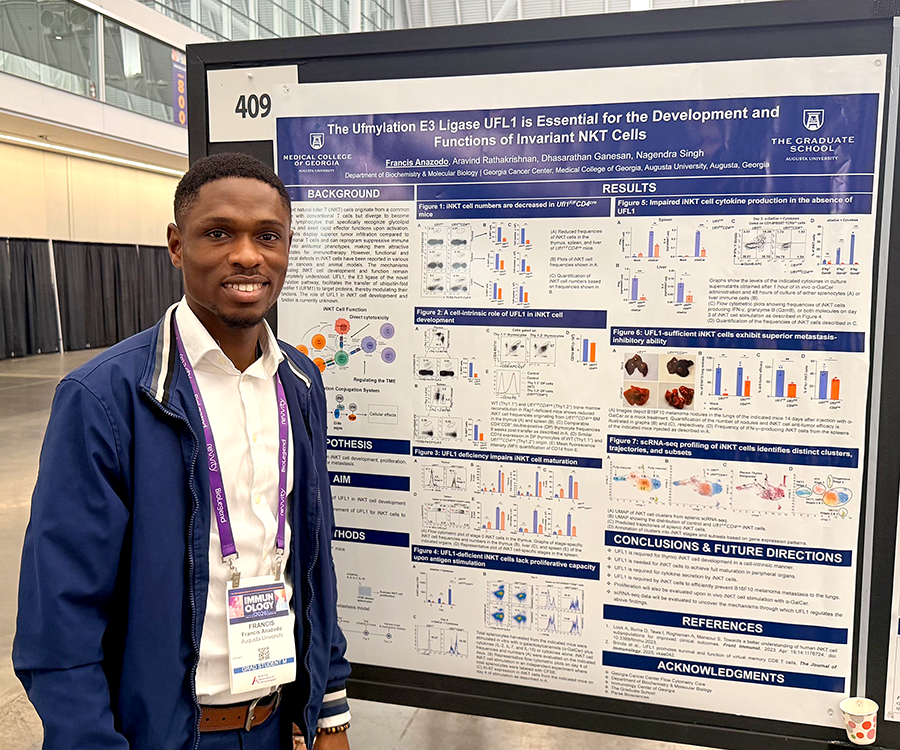
- Francis Amazodo, graduate research assistant, Singh Lab – “The ufmylation E3 ligase UFL1 is essential for the development and functions of invariant NKT cells”
- Edem Bokoe, graduate research assistant, Gascoigne Lab – “Targeting NOX1 to reprogram T cell activation and metabolism for enhanced CAR T efficacy”
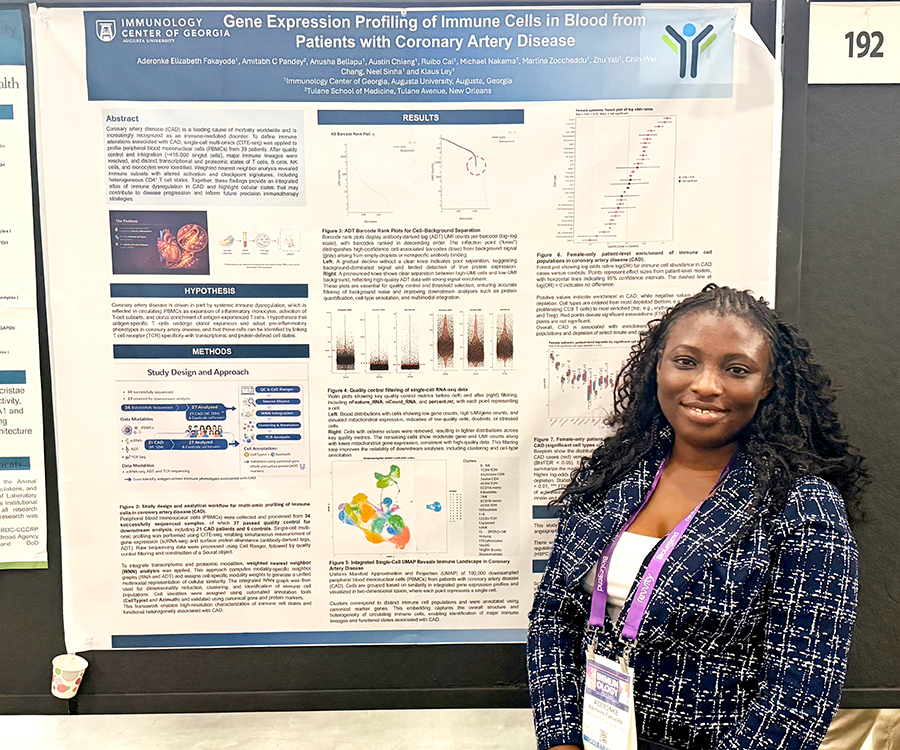
- Aderonke Fakayode, graduate research assistant, Ley Lab – “Gene expression profiling of immune cells in blood from patients with coronary artery disease”
- Abdul Basit Musah, graduate research assistant, Gascoigne Lab – “RGS16 as a therapeutic target to overcome TGFß-induced resistance in adoptive T cell therapies”
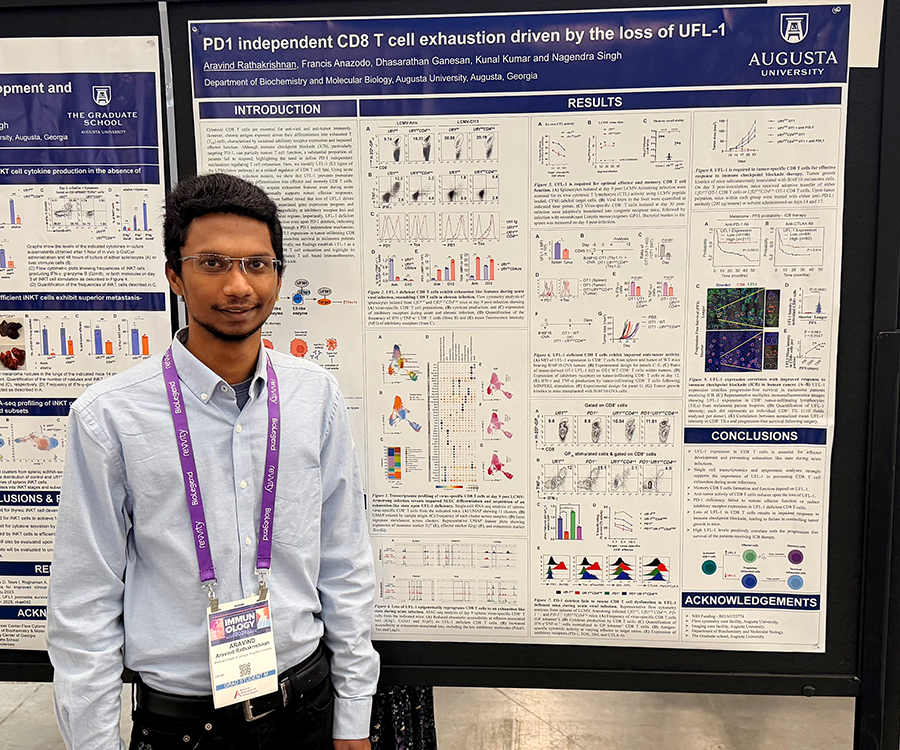
- Aravind Rathakrishnan, graduate research assistant, Singh Lab – “PD1 independent CD8 T cell exhaustion driven by the loss of UFL-1”
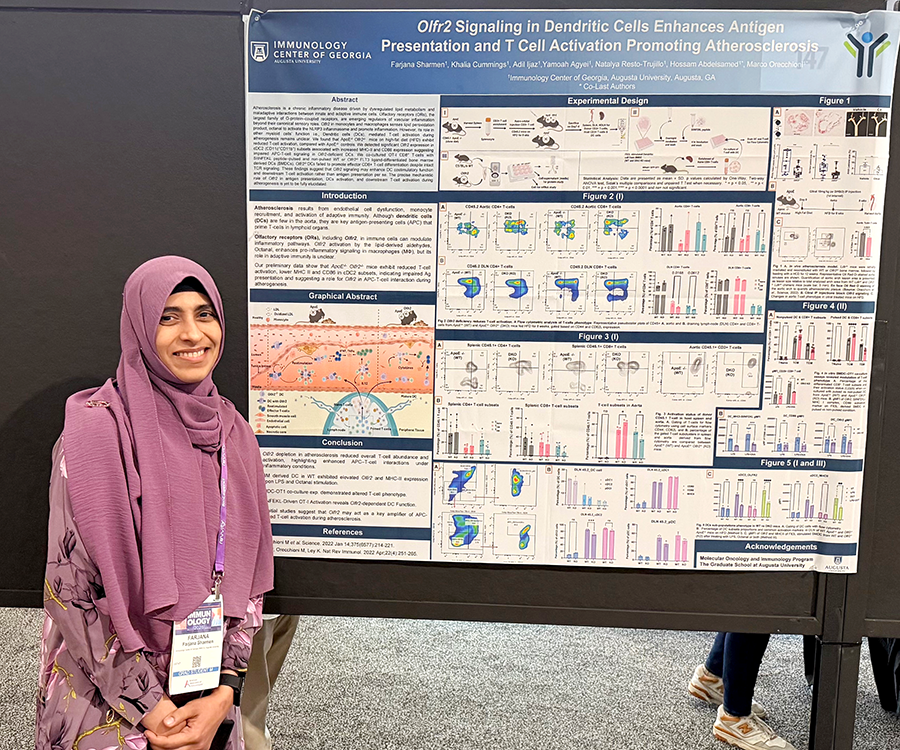
- Farjana Sharmen, graduate research assistant, Abdelsamed and Orecchioni labs – “Olfr2 Signaling in Dendritic Cells Enhances Antigen Presentation and T Cell Activation Promoting Atherosclerosis”


 Valerie Emerick
 Aaron Smith
 Paige Tucker