 Augusta University
 Jenna Ingalls
“I saw there is a group with really poor health outcomes, so I decided to look at what is going on socially to see if there’s any connection,” says Samantha Jones, PhD.


“I saw there is a group with really poor health outcomes, so I decided to look at what is going on socially to see if there’s any connection,” says Samantha Jones, PhD.

The idea for “EyeDentity” was inspired by a touching moment with Song’s daughter who said, "I see me in your eyes!"
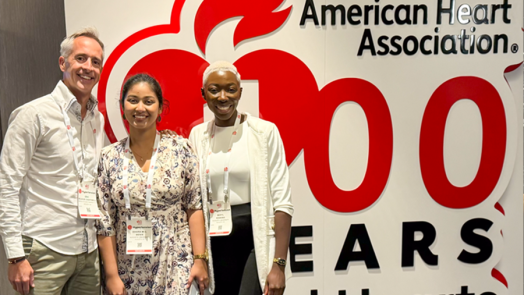
“It shows that our work is competitive nationally and demonstrates our commitment to training the next generation of scientists," says Eric Belin de Chantemèle, PhD.
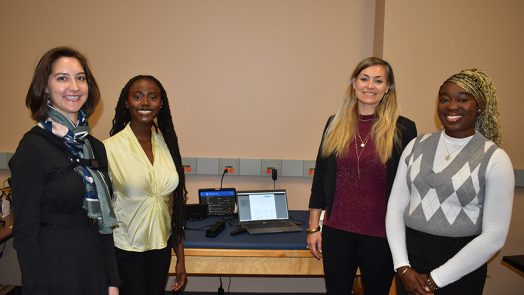
“Learning to communicate and advocate for your research effectively is such an important tool as a researcher and can lead to valuable change,” says Quentin Davis, PhD.
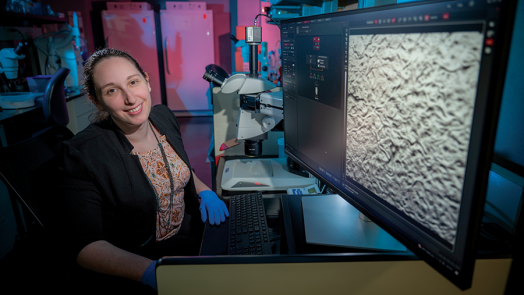
The program supports investigators at each career stage who propose innovative research that, due to its inherent risk, may struggle in the traditional NIH peer-review process.
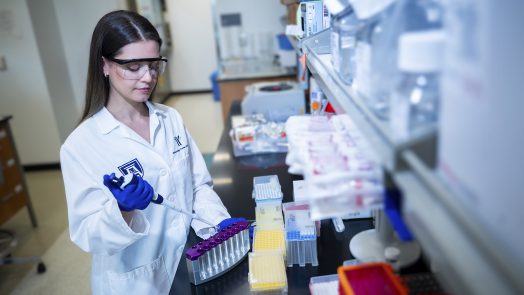
“We discovered a unique population of innate lymphoid cells in the intestine that are different from similar cells found in other parts of the body,” says Natalia Jaeger, PhD.
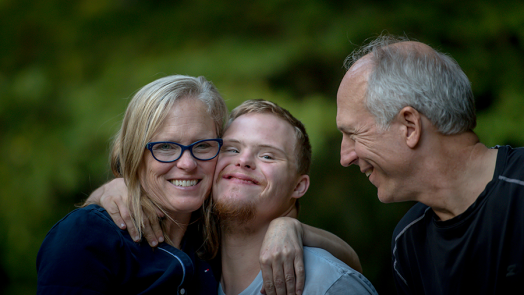
Those with IDD have different and varying levels of support needs related to communication, self-care and other life skills across all of their life expectancy.

"Civil society participation and social isolation are just two factors among many that can affect suicidality,” says Lance Hunter, PhD.
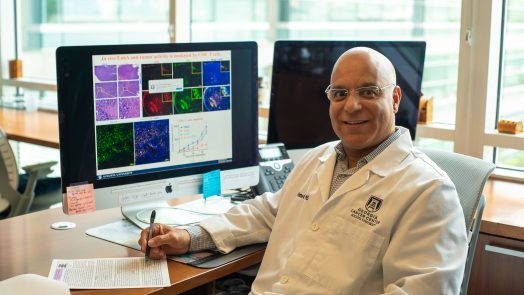
“It is a great opportunity because we have a lot of great colleagues and great support in terms of core facilities and staff,” says Ahmed Chadli, PhD.
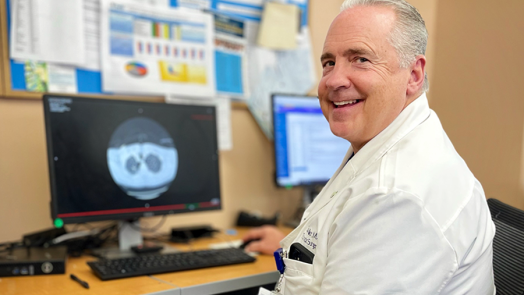
"Instead of waiting three months for new imaging, we move forward sooner with the diagnosis and treatment, eliminating any delay,” says Daniel Miller, MD.

Since 2019, Paceline has invested almost $1.5 million in cancer research, with sights now set on $2 million.

"Those experiencing long COVID were more likely to have food security concerns," said Biplab Datta, PhD.
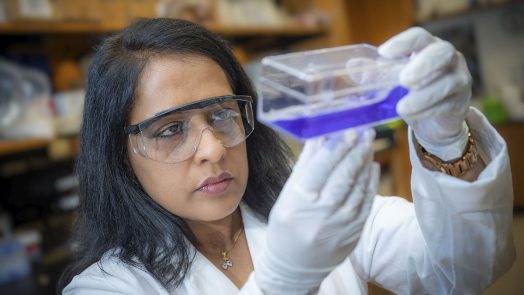
The scientists suspect the key to that may be a protein called Interleukin-6 (IL-6), a versatile protein involved in both immunity and inflammation throughout the body.

“By increasing screening rates, we can detect colorectal cancer at an earlier, more treatable stage and ultimately save lives," said Meng-Han Tsai, PhD.
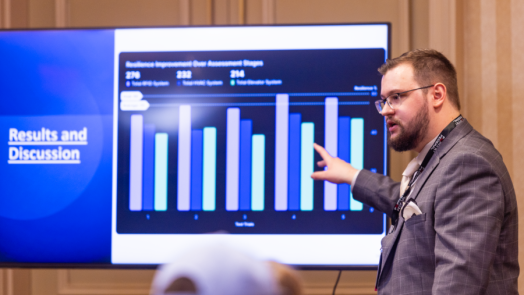
“Presenting provided an unparalleled platform to share cutting-edge research and foster collaboration between military, government and industry professionals."
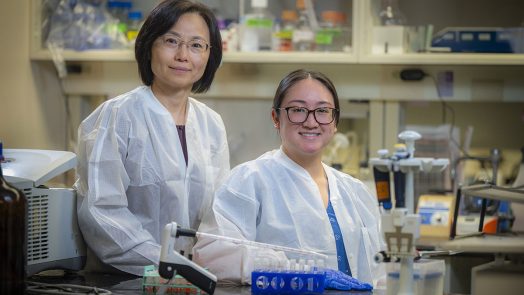
Prostate cancer largely affects men over age 65, which is a population that’s already at a higher risk of Alzheimer’s disease.
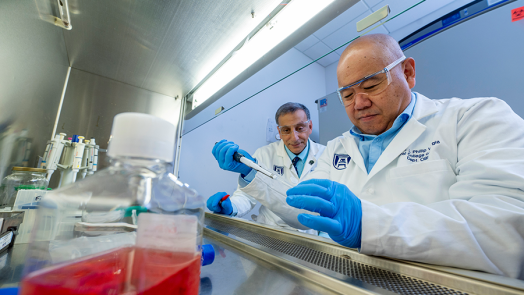
"Our method is not only effective but also easily applicable, enabling individuals to navigate their journey to recovery safely and with minimal supervision."

More than 70% of astronauts experience a phenomenon known as Spaceflight Associated Neuro-Ocular Syndrome, or SANS, according to NASA.
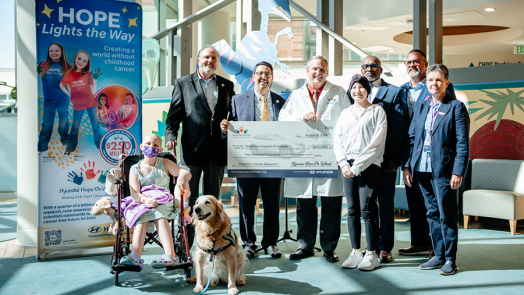
“This could positively impact care for children with brain tumors by improving their quality of life,” said Theodore Johnson, MD, PhD.
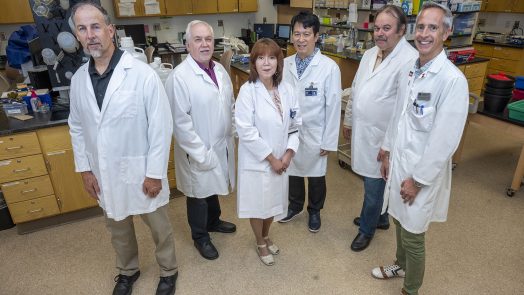
A key problem is the loss of “redox balance” between harmful molecules called reactive oxygen species and helpful molecules like nitric oxide.
 Mayah Chester
 Rebecca Gaylor
 Haley Crain
 Jennifer Hilliard Scott
 Heather Henley
 Kevin Faigle
 Milledge Austin
 Chris Curry
 Jennifer Lask
 Denise Parrish