 Augusta University
 Morgan Hayes
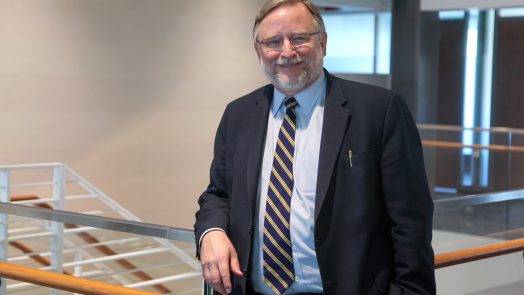
Trent Kays, PhD, was selected as a Governor's Teaching Fellow and plans to explore how AI can enhance learning and collaboration in the classroom.
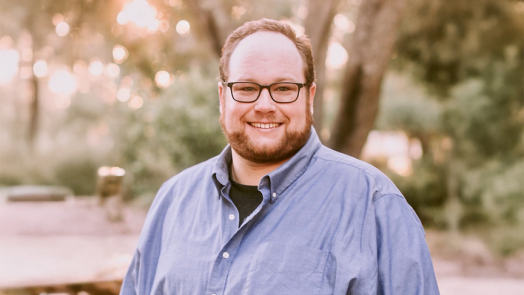

Trent Kays, PhD, was selected as a Governor's Teaching Fellow and plans to explore how AI can enhance learning and collaboration in the classroom.
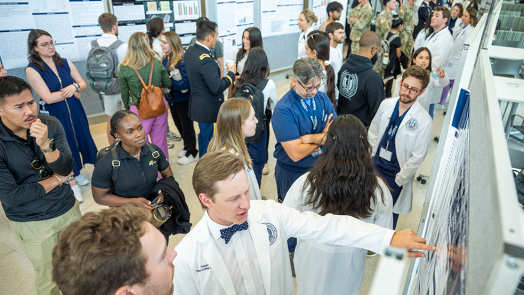
“It is a great opportunity to connect our groundbreaking discoveries from basic science into real-world clinical practice," says Babak Baban, PhD.
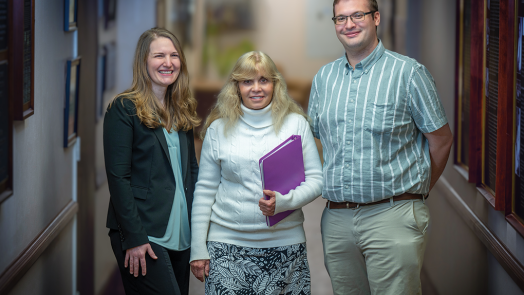
“I had a personal interest because my mother-in-law had a spinal cord injury, and she had really bad neuropathic pain,” says Laura Carbone, MD.
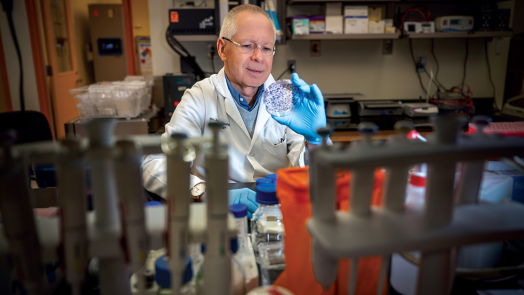
“This research opens new avenues for understanding cancer stem cell behavior,” says Andrew Yeudall, PhD.
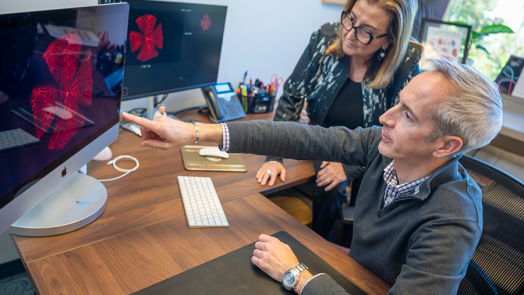
"We'll basically define a chronic HIV infection as a risk factor for the development of the most severe ocular disease," says Manuela Bartoli, PhD.
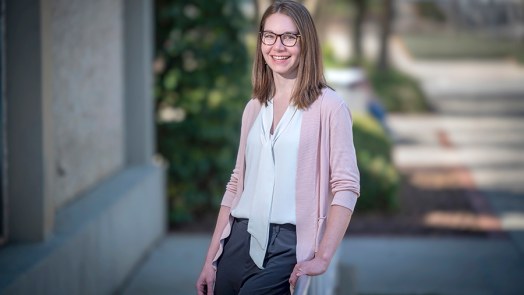
“Research shows that kids gain three to five times the amount of weight over the summer than they do in the remainder of the school year,” says Lauren von Klinggraeff, PhD.
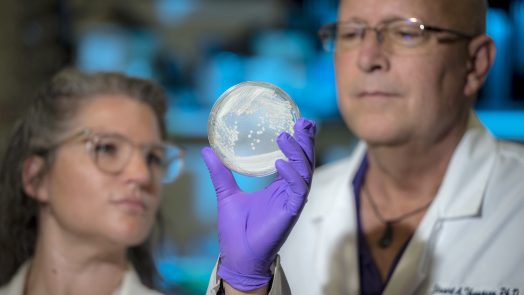
A new 150,000-square-foot research building will provide modern laboratory spaces, advanced equipment and updated technology infrastructure at AU.
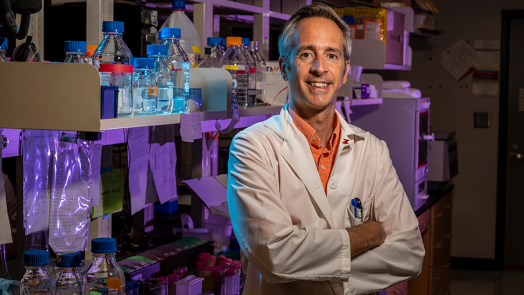
“The issue is that the virus is still there and still able to release viral proteins,” says Eric Belin de Chantemèle, PhD.
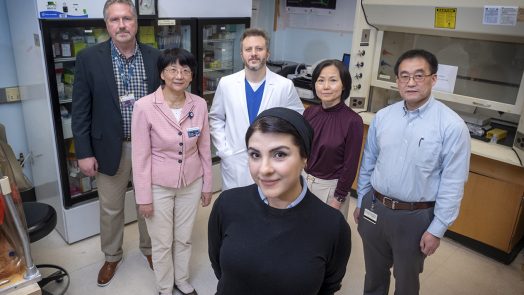
"Research shows a significant relationship between gum disease and Alzheimer's disease," says Ranya El Sayed, PhD.
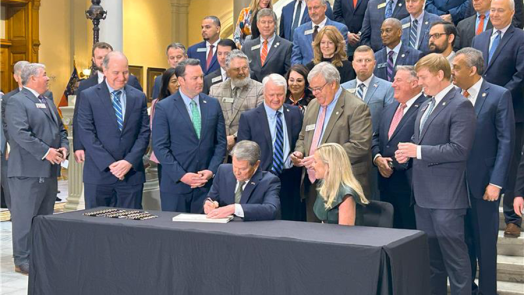
The new 150,000-square-foot research building will help continue propelling Augusta University toward its aspirational imperative of becoming an R1 research university.

Friday, March 7, is Dress in Blue Day for Colorectal Cancer Awareness, marking the beginning of Colorectal Cancer Awareness Month.
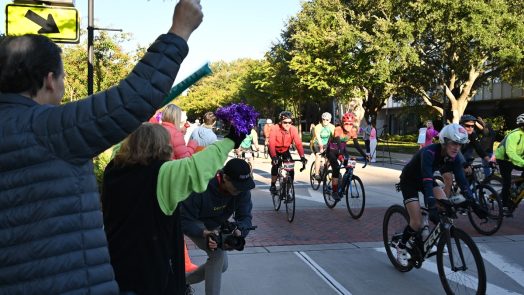
Since 2019, 26 community-funded innovative cancer research projects at the Georgia Cancer Center have been made possible through Paceline grants.

“Artificial intelligence is changing the trajectory of health care in this state and throughout the country,” says Augusta University President Russell T. Keen.

Lance Hunter, PhD, says data centers currently use an estimated 1% to 2% of power worldwide, and those energy demands could grow 160% by 2030.
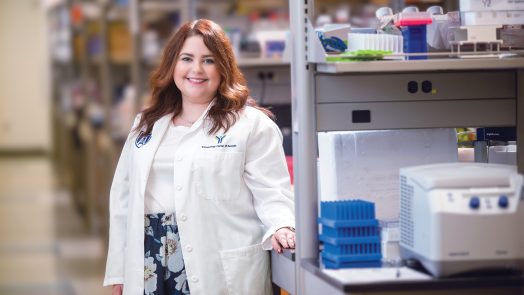
“By delving into these connections, we hope to identify new ways to mitigate cardiovascular risks in cancer survivors," says Sabrina Robichaud, PhD.
It spans 250 topics and includes an in-depth index section of 30 pages.
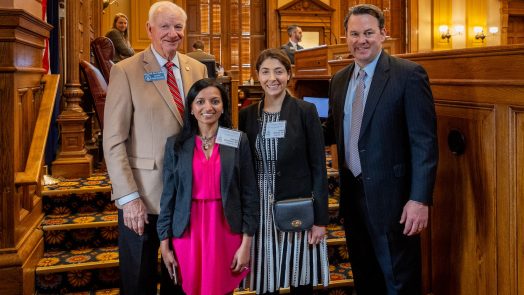
Amalia Brawley, MD, is Augusta University's first fellow in the Medical College of Georgia and Wellstar MCG Health’s new three-year Maternal Fetal Medicine Fellowship program.
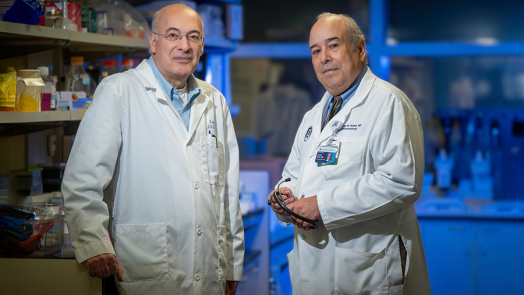
Ali Eroglu, PhD, is part of a larger team at MCG that has been studying the different aspects of the aging process.

“This would be a major benefit to Augusta University, the Medical College of Georgia and the Dental College of Georgia," says AU President Russell T. Keen.
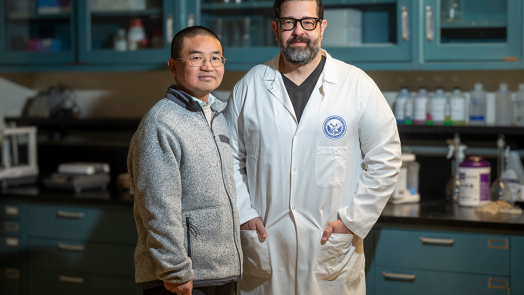
“One of the things we have been able to do is allocate seed funding to help develop projects, including this project from SPH,” says Amado Alejandro Báez, MD, PhD.
 Hannah Litteer
 Stacey Hudson
 Milledge Austin
 Stacey Eidson
 Staff
Staff Cayla Long
 Miguelangelo Hernandez
 Heather Henley
 Lindsey Morris