 Augusta University

 Hannah Litteer
Researchers at the Institute of Public and Preventive Health at Augusta University’s School of Public Health were recently awarded a three-year $2.5 million grant from the Substance Abuse and Mental Health Services Administration (SAMHSA) to improve overdose prevention efforts in Georgia communities.
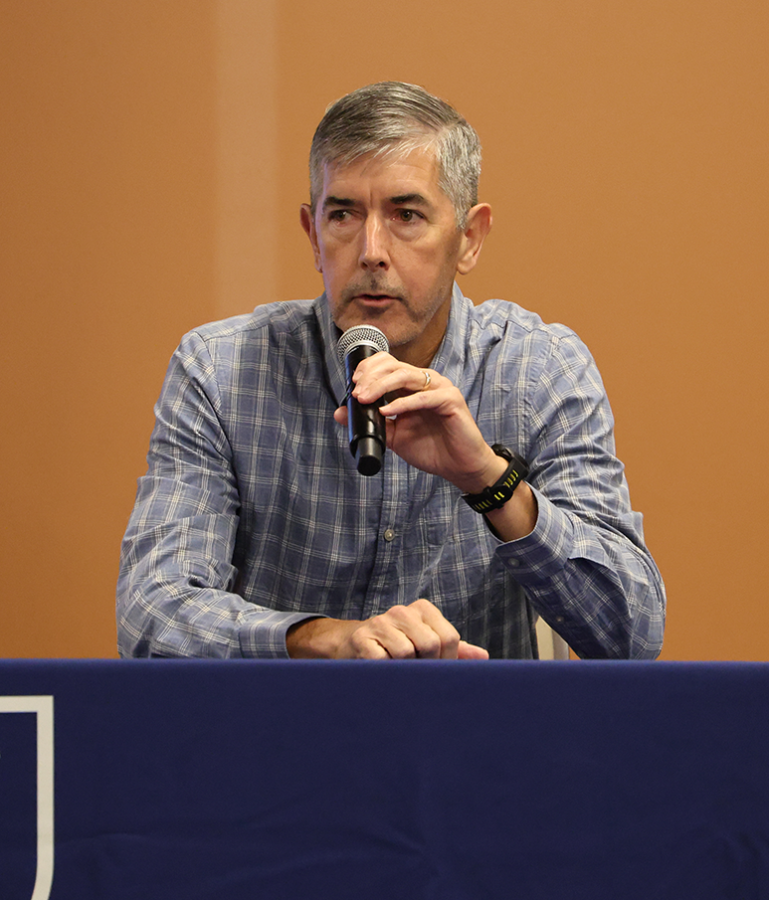
“Part of the project will be here in Augusta and surrounding counties with Serenity Behavioral Health as a partner, and we also identified three more high-risk areas in Georgia, which include six counties in northwest Georgia, six counties in south central Georgia and four counties in southeast Georgia. We will work with treatment and recovery organizations in those areas to address overdoses,” said Aaron Johnson, PhD, associate dean for research and community engagement and director of the Institute for Public and Preventive Health at SPH.
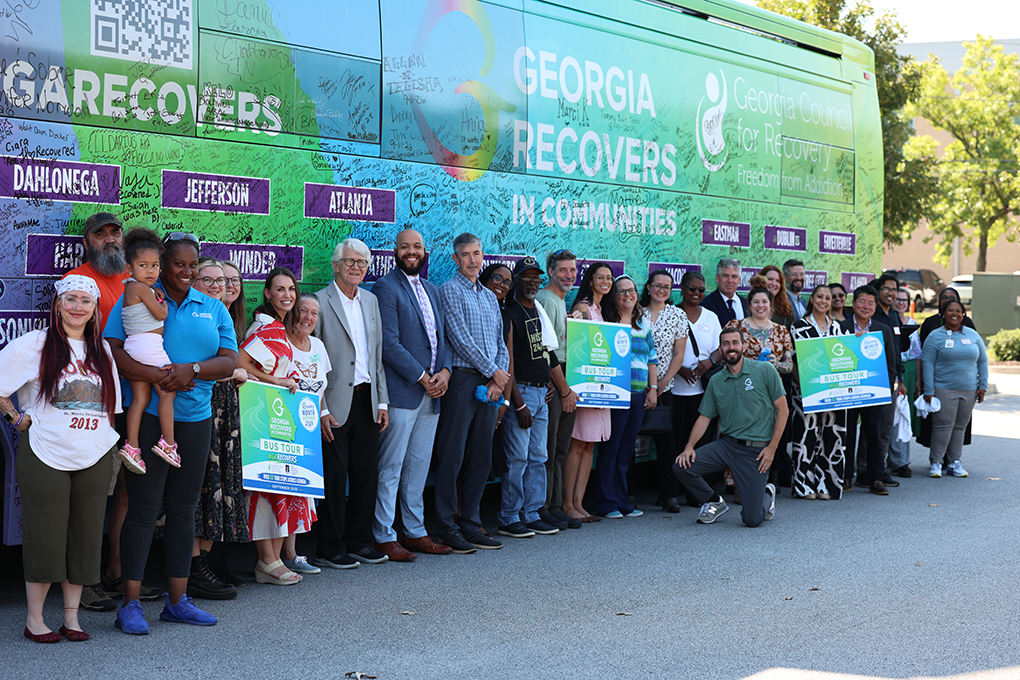
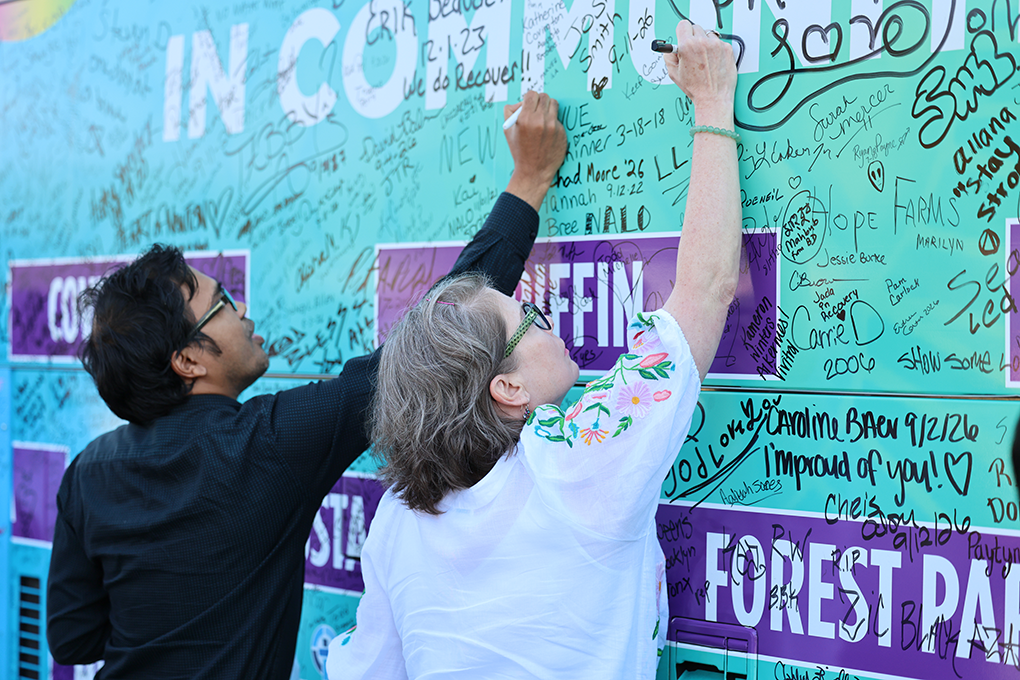
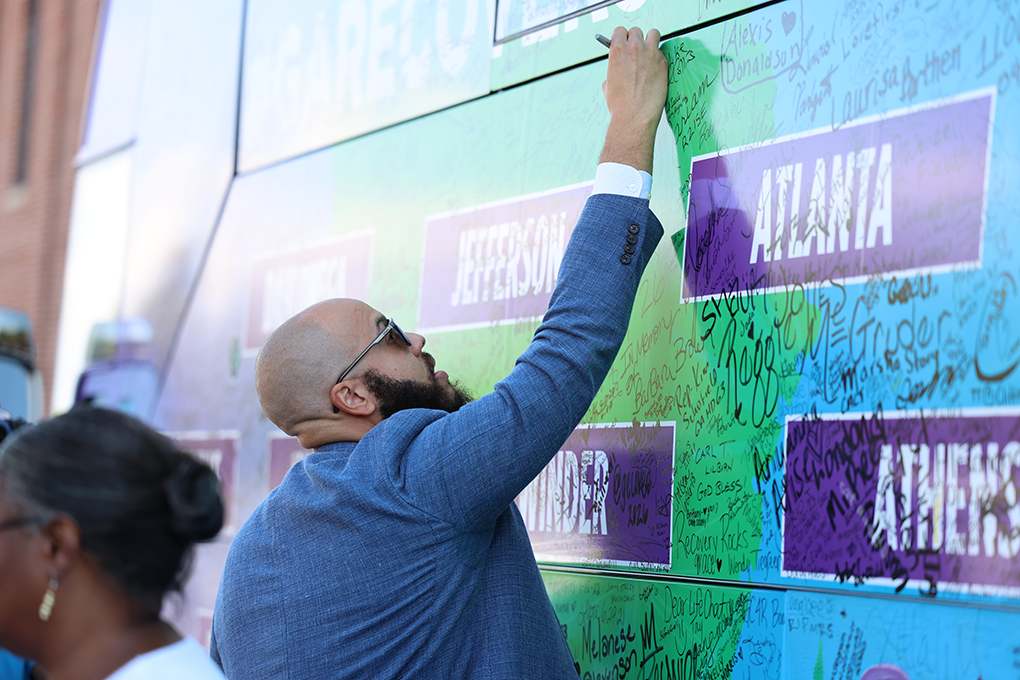
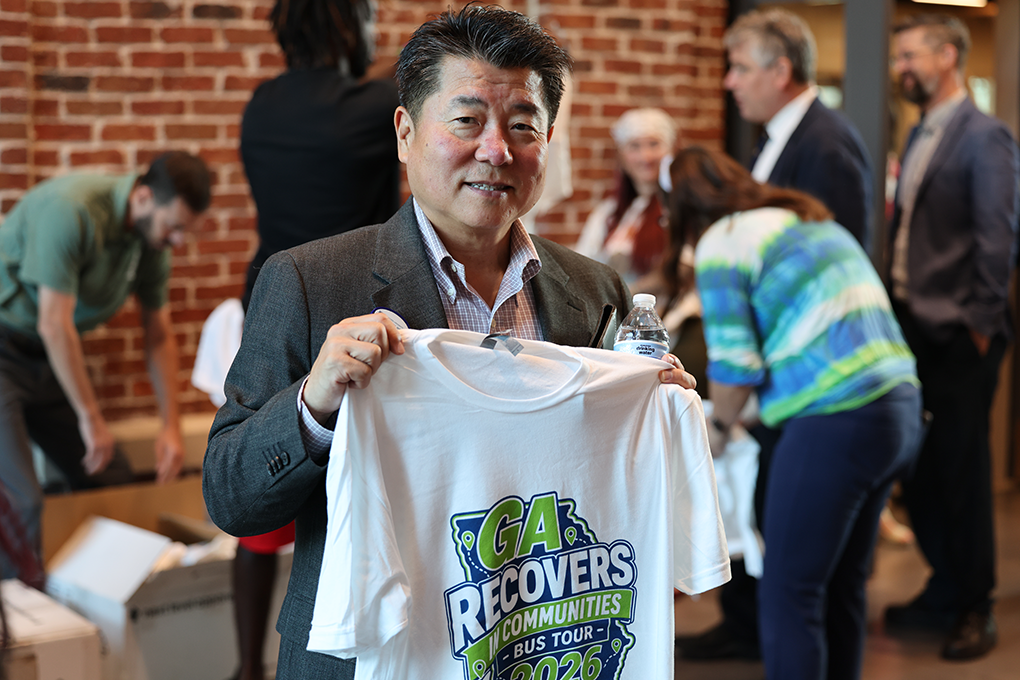
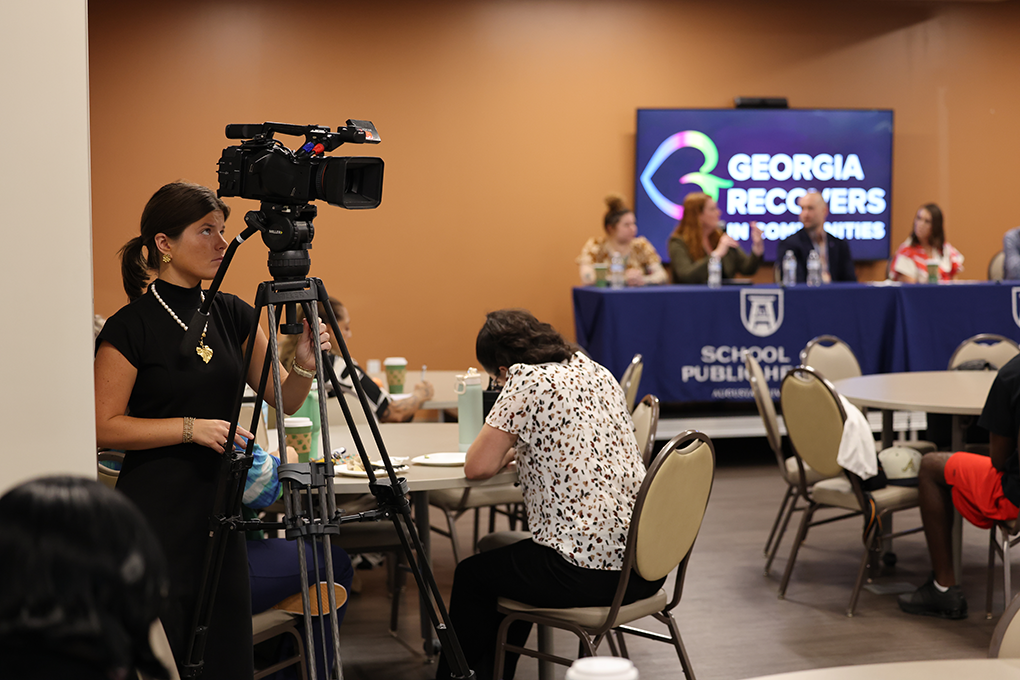
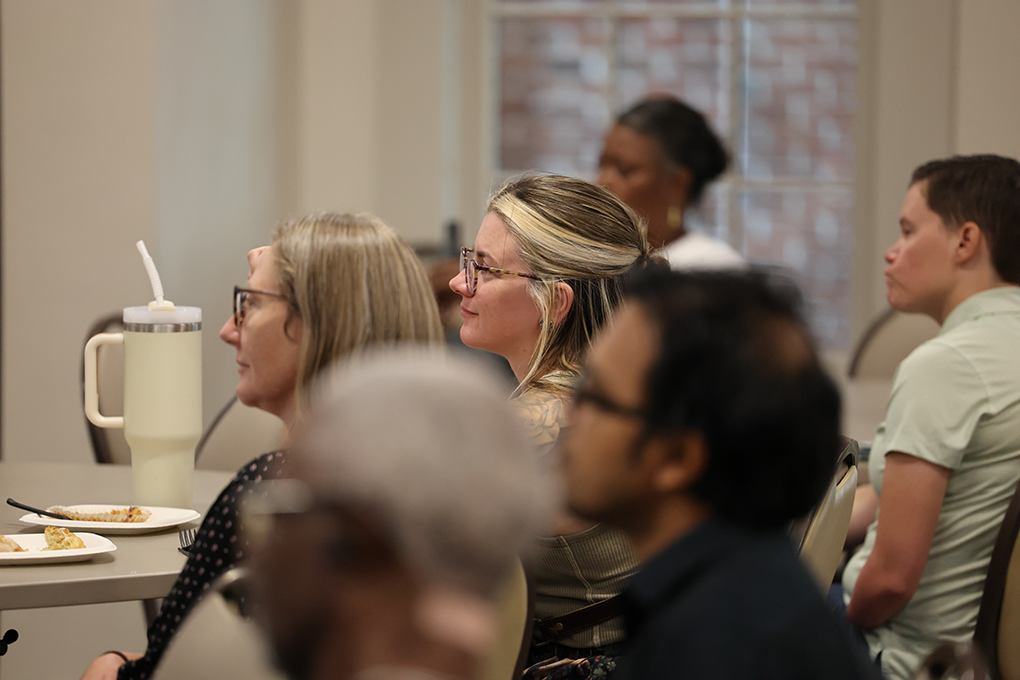
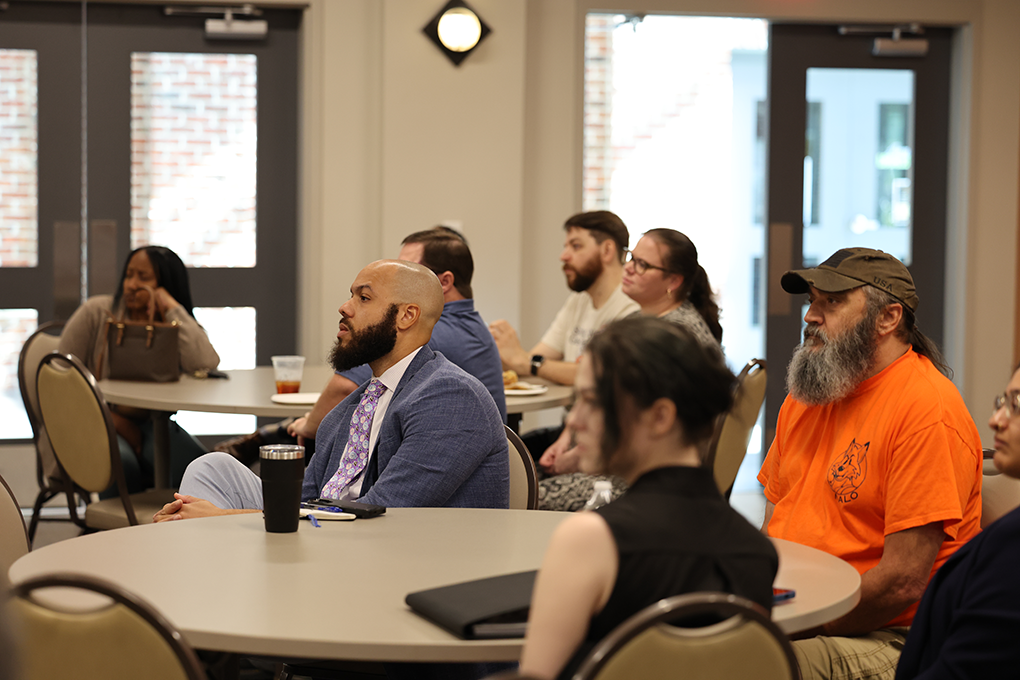
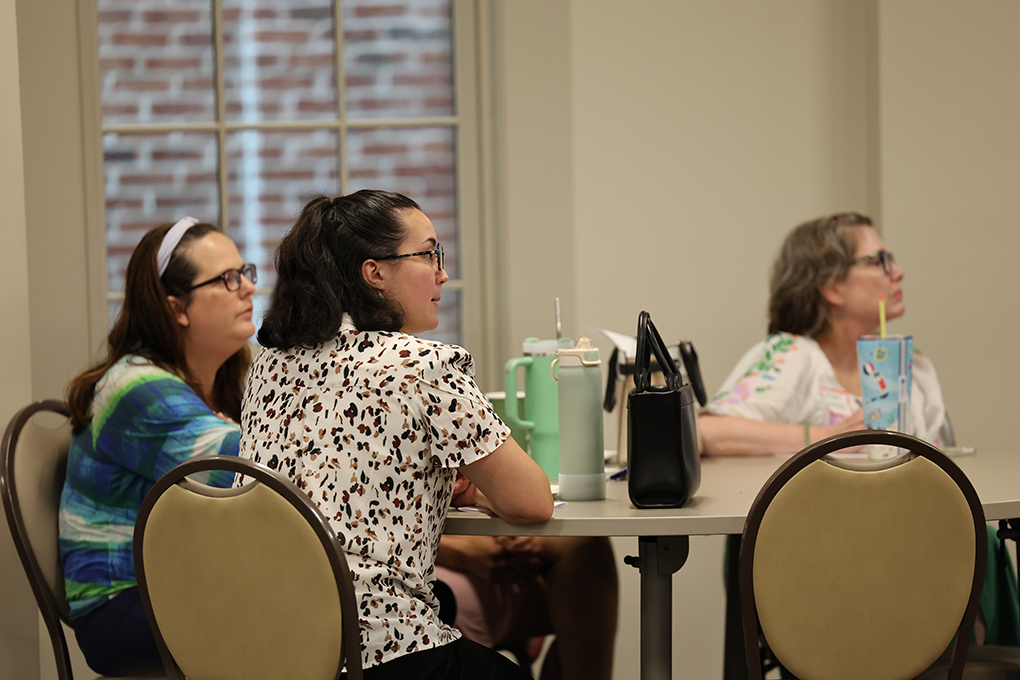
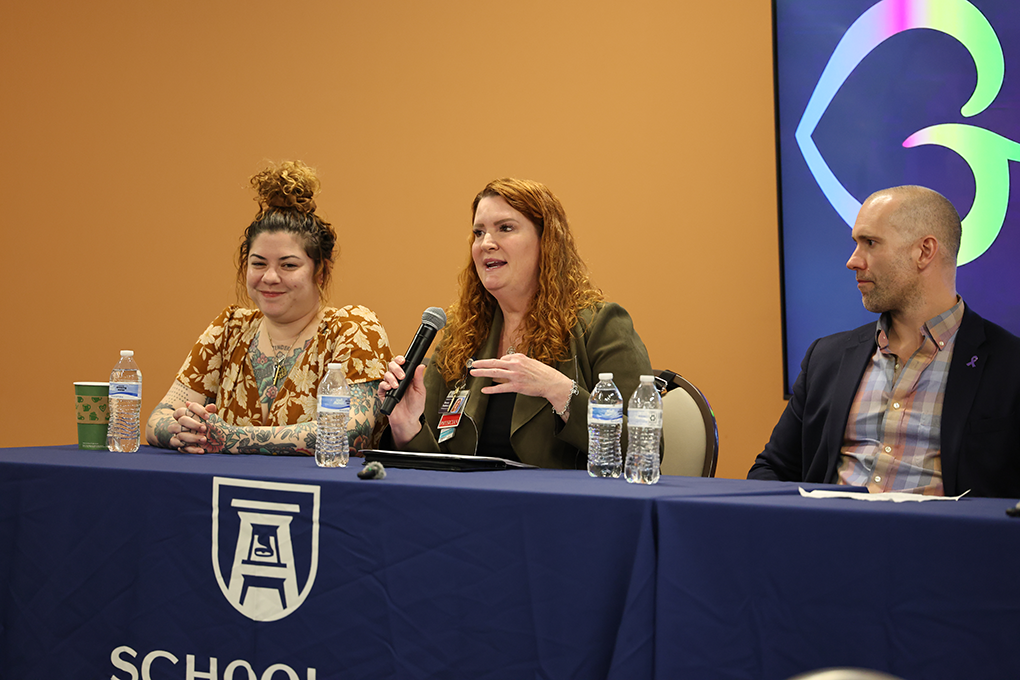
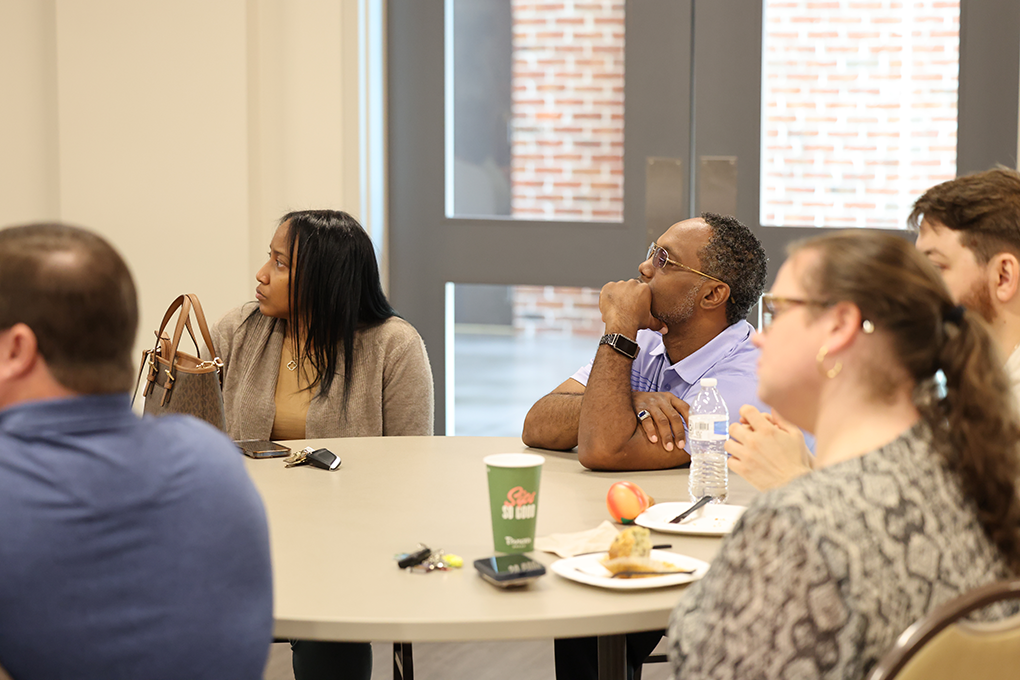
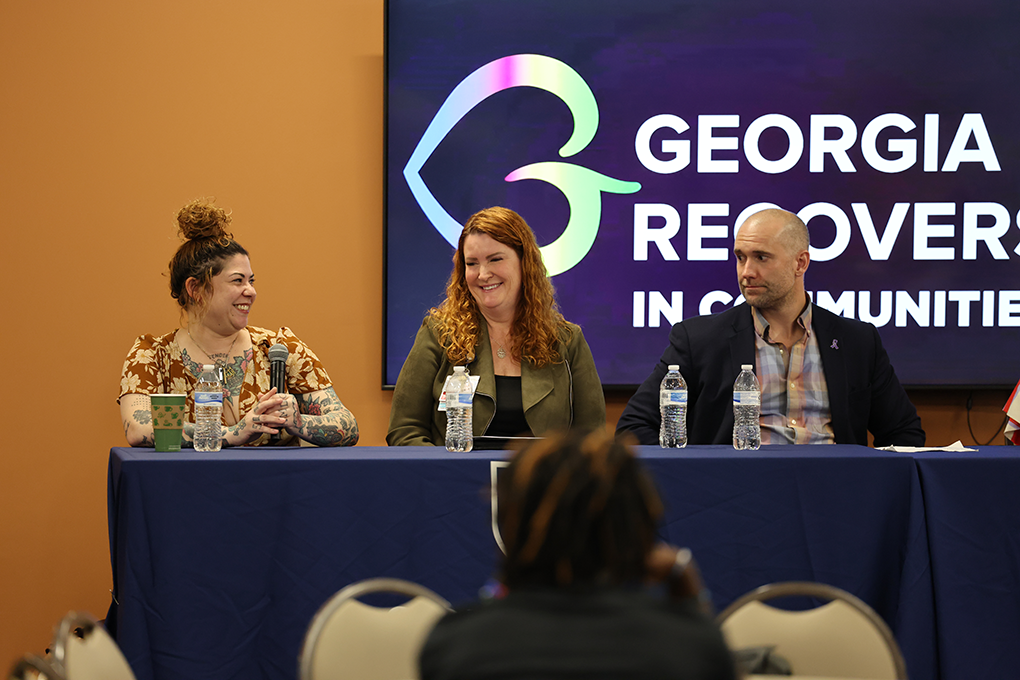
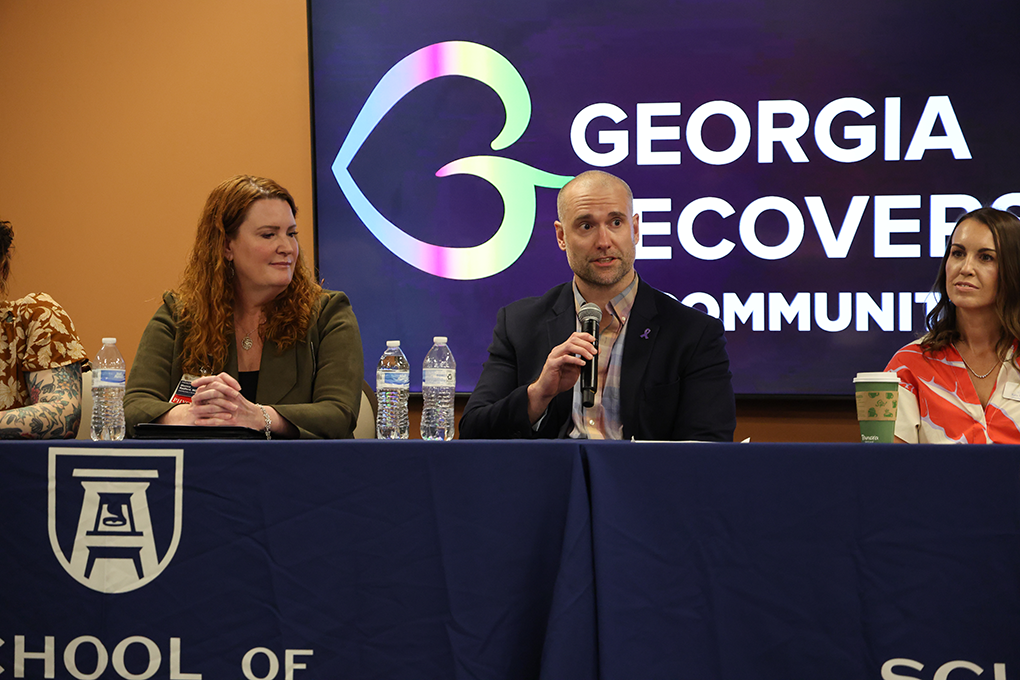
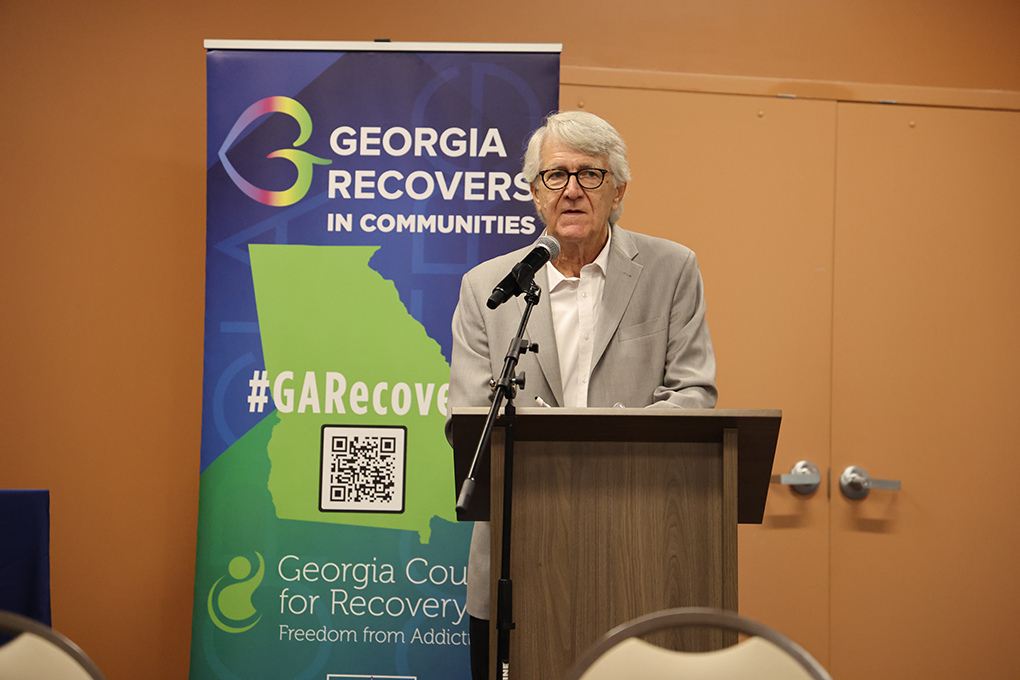
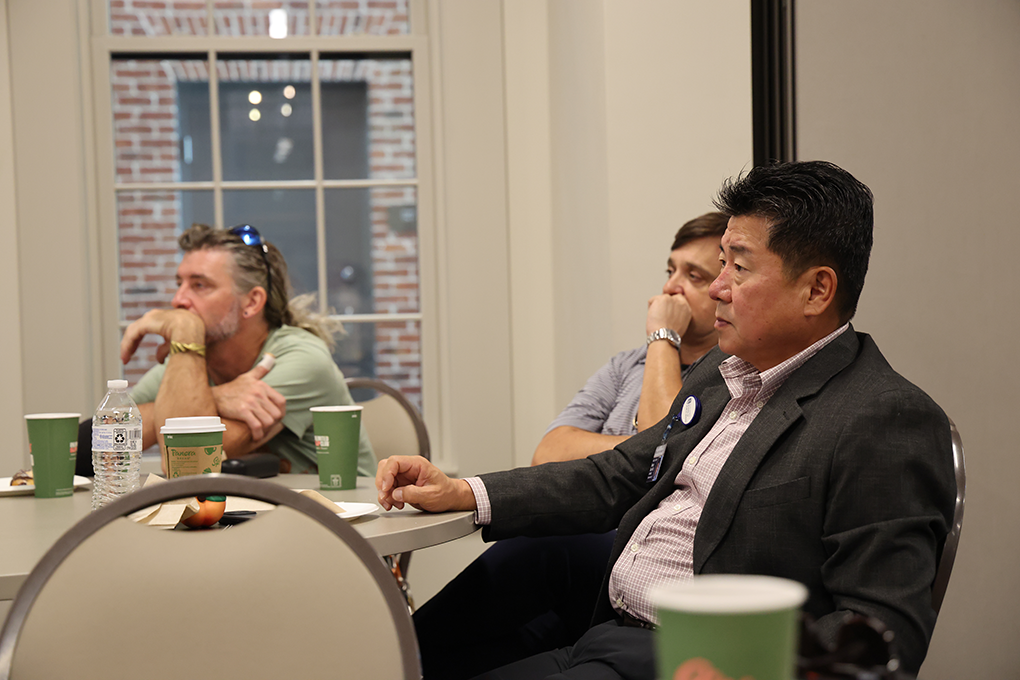
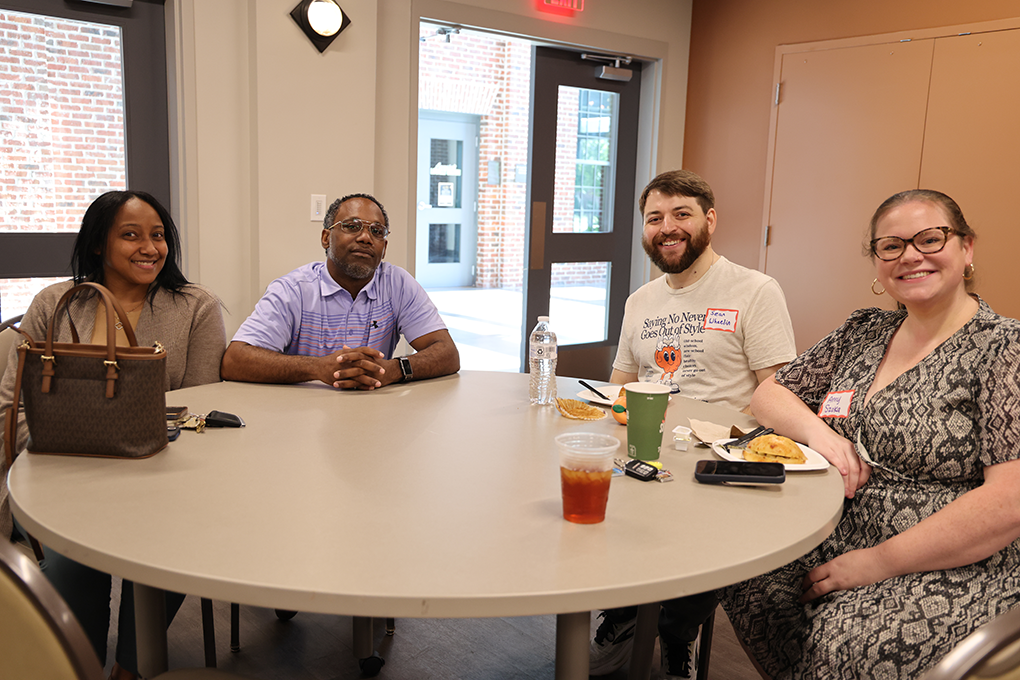
The timing of this announcement coincided perfectly with the recent Augusta Recovers event. Community leaders, public health experts, recovery advocates, healthcare providers, public servants and others recently gathered at the HUB Augusta Collaborative as part of the Georgia Recovers in Communities bus tour to discuss addiction recovery across the region and identify ways to strengthen support services.
Hosted by SPH, the event brought together stakeholders from various sectors to highlight a central message: recovery is possible, but it requires communities working together.
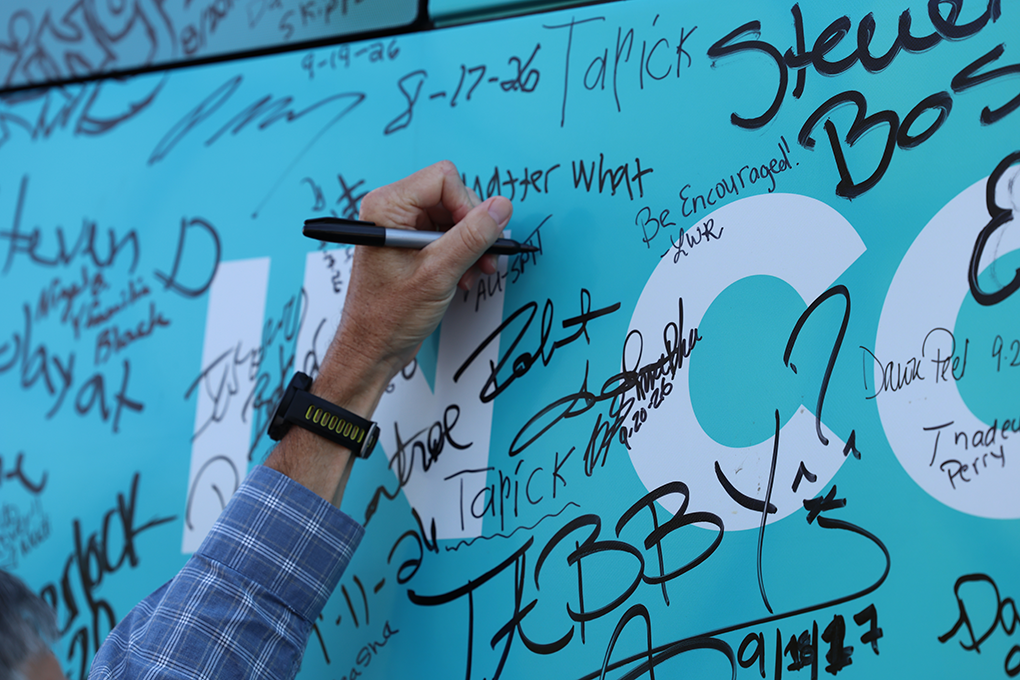
“The bus tour is an initiative organized by the Georgia Council for Recovery in partnership with the Georgia Department of Behavioral Health and Developmental Disabilities, and it goes all over the state and stops in different cities to really highlight the effectiveness of recovery in those communities,” Johnson said.
The tour includes approximately 60 communities across Georgia and helps connect individuals and organizations committed to supporting those affected by substance use disorders.
Katherine Covington, research operations manager at SPH, spearheaded the event and made sure the panel of speakers included individuals from different personal and professional backgrounds, such as academic researchers, physicians, recovery professionals and people involved in the recovery space who are in recovery themselves. This included Johnson; Aaron Lewis, an administrator for New Vision at Piedmont Augusta; Katie McLemore, chief finance officer of Hope House; Courtney Peters, outreach coordinator and case manager at Serenity Behavioral Health; and Monica Radford, MD, an assistant professor of addiction medicine at the Medical College of Georgia at AU.
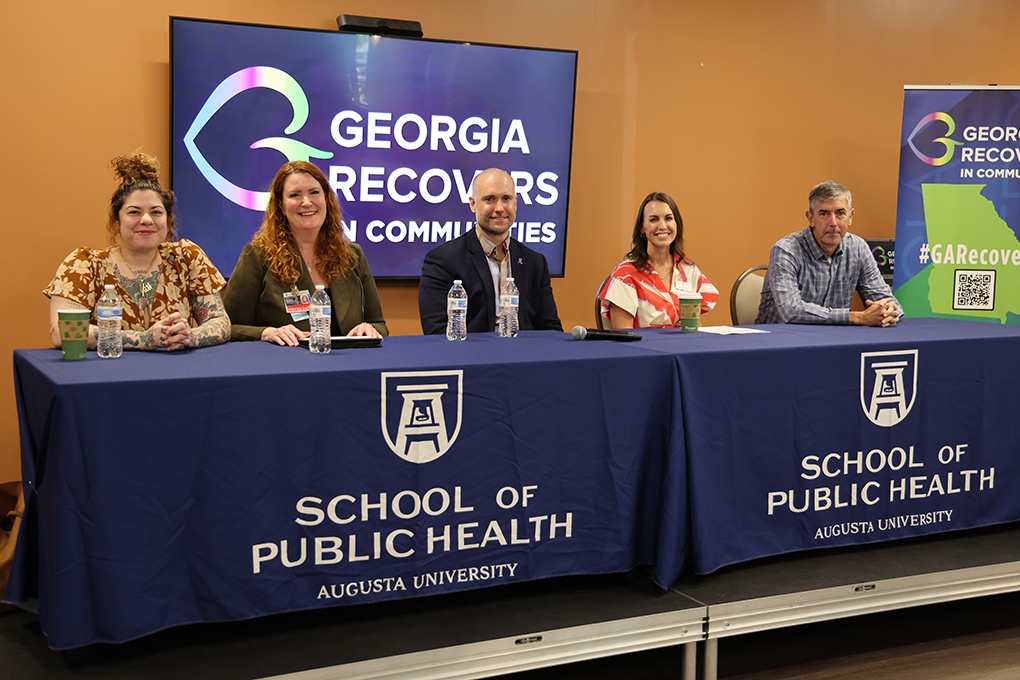
“Today was really about spreading the message that addiction is a disease, recovery is possible and there is support available,” Covington said. “Augusta University’s School of Public Health recognizes substance use as a public health issue; it’s not an issue that just one organization can solve on its own, and that’s what made today so important.”
“Recovery and substance use don’t really have one pathway or one way they impact you,” she continued. “Even recovery itself isn’t linear, and I think that having all of those voices together really gives you different perspectives on the issue.”
Addressing pitfalls in recovery services
While Augusta has a variety of recovery services available, panelists noted that significant gaps remain, particularly in rural communities throughout the CSRA.
“There is not a fully functioning recovery community organization here in Augusta,” Johnson said. “There are elements of one, and hopefully it will grow into a fully functional RCO, but that’s certainly one of the gaps. So expanding opportunities, resources, treatment and recovery services into rural Georgia is going to be really important.”
Even with the growing popularity and expansion of telehealth services, many rural areas still face limitations, which has led stakeholders to stress an even broader need.
“We need to focus on ways to recruit healthcare providers for those underserved communities and incentivize them to stay and serve the individuals who need help there,” Covington said.
One major topic throughout the discussion was funding and how communities can maximize available resources to improve prevention, treatment and recovery services.
SPH plays a role in identifying funding opportunities, such as the SAMHSA grant, and connecting organizations with resources that can support recovery efforts.
“I’m on the opioid abatement regional advisory committee for Region 2, which is comprised of 30 to 40 counties that reach from Augusta to Athens to Macon,” Johnson said. “One of the things that we’re trying to do on the committee is make sure those opioid abatement funds are going not only to Augusta, Athens and Macon, but also to those rural counties in between.”
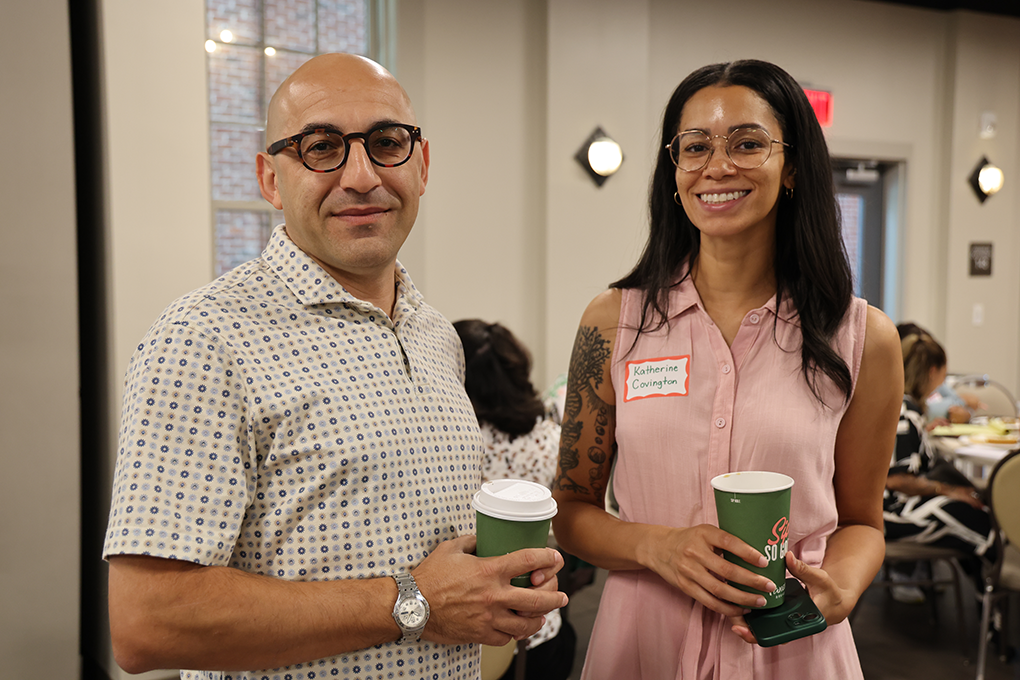
In addition to gaining insight as to what resources communities and recovery organizations need the most, organizers hope the event acts as a catalyst to turn simple discussion into impactful collaborations.
“I think that it was really important today to have our district attorney here in the room, as well as representatives from the Richmond County Sheriff’s Office, who we can partner with to take this and translate it into actual practice to improve recovery in Augusta,” Covington said.
A personal testament to recovery
Brian Kite, the recovery community organization program manager for the Georgia Council for Recovery, played an active role in bringing the recovery bus to Augusta and coordinating with Covington to make sure the event ran smoothly.
He shared his own recovery journey, which illustrates the impact community support can have on an individual’s life.
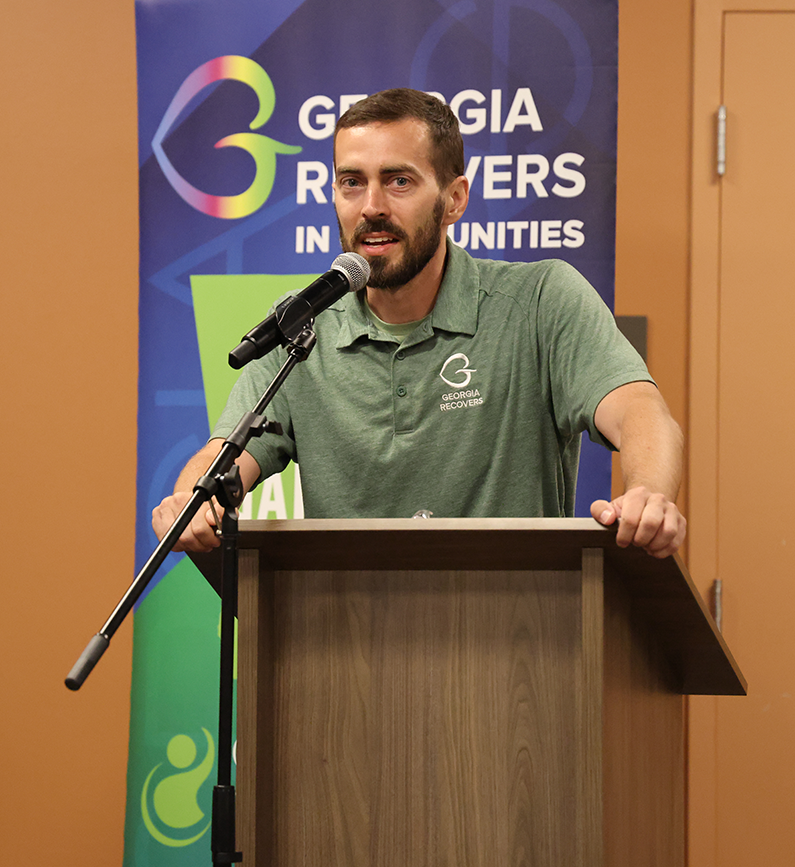
“Some of the conversations we had today talking about where services should be provided are some of the places that I found myself in. I have been incarcerated over a dozen times and have gone to treatment multiple times, but having the right assets was instrumental in getting me to where I am today,” Kite said. “Now, I’m able to show up for my family. Most importantly, my son, my 12-year-old boy, I’m able to be a full-time father to him.”
Today, he is approaching 12 years in recovery and uses his personal experience to help others.
“I have a great job where I’m able to live out my passion of helping more people get and stay well, and that wouldn’t be possible if it weren’t for many different facets of the community coming together – the faith community, treatment providers, law enforcement, and the Department of Community Supervision all gave me opportunities to seek the support that I needed.”
For individuals currently struggling with addiction, Kite offered a message of hope and encouragement.
“I think one of the most impactful things that happened to me was when my grandfather didn’t know what he could do to help support me, but he came to see me in jail and said, ‘I don’t know what to do, but I love you,'” Kite recalled. “And I think just letting people know that they are loved, that there is support for them, that they are not alone in this journey, that we can do a lot of different things and connect them to resources that might be able to help them on their journey is essential.”


 Tyler Wooten
 Jennifer Hilliard Scott
 Paige Tucker

 Valerie Emerick