Augusta University
 Jamison Guice
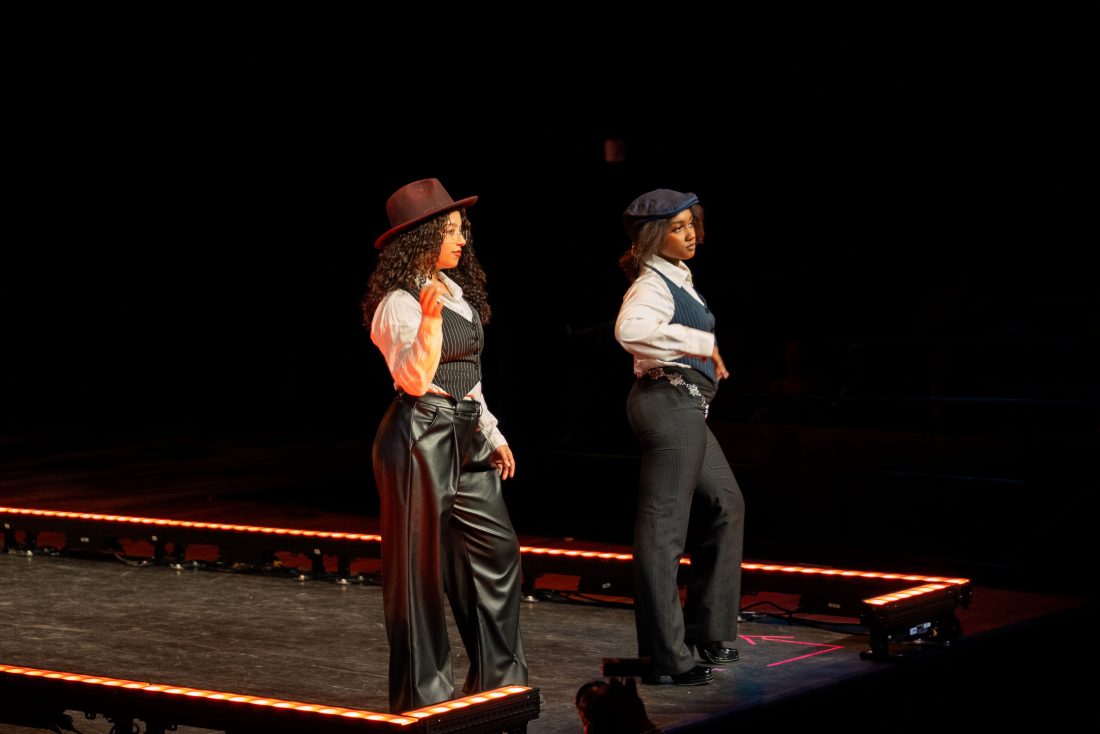
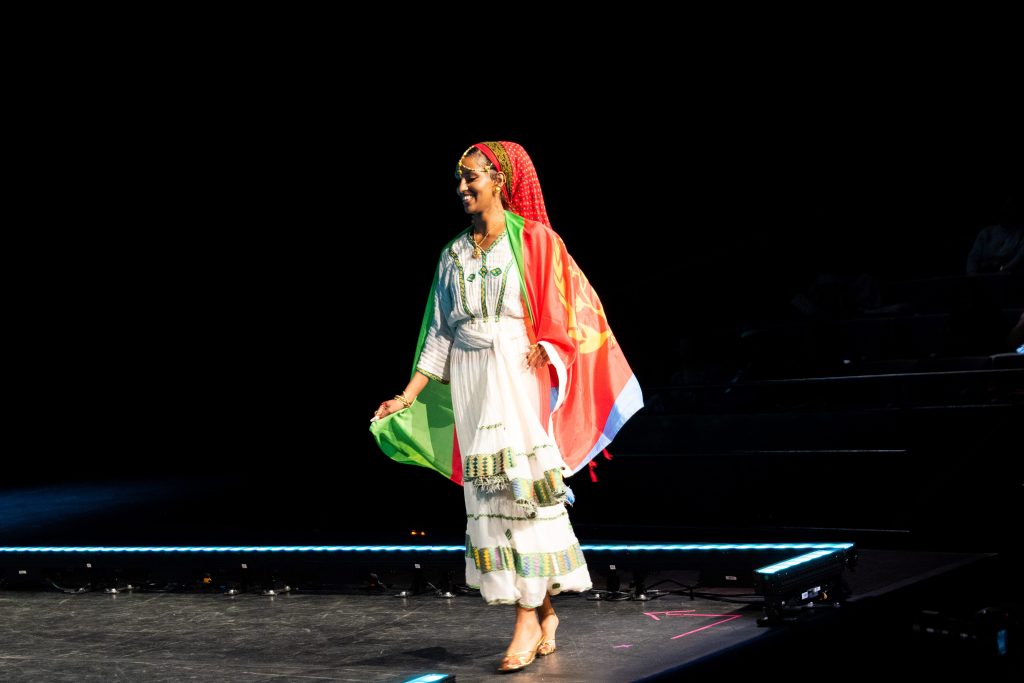
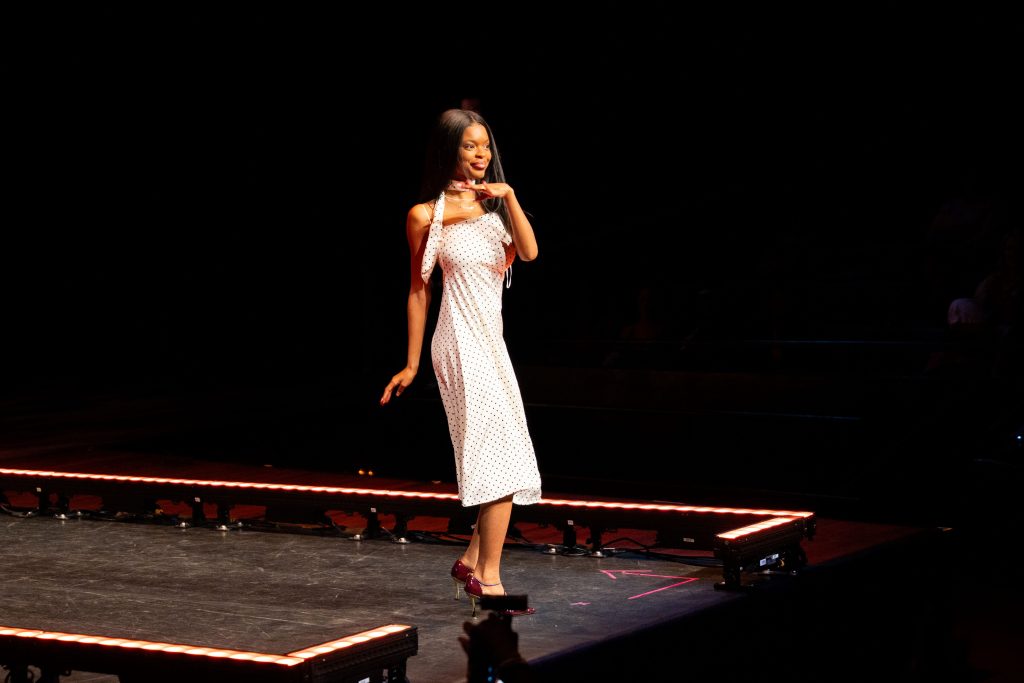
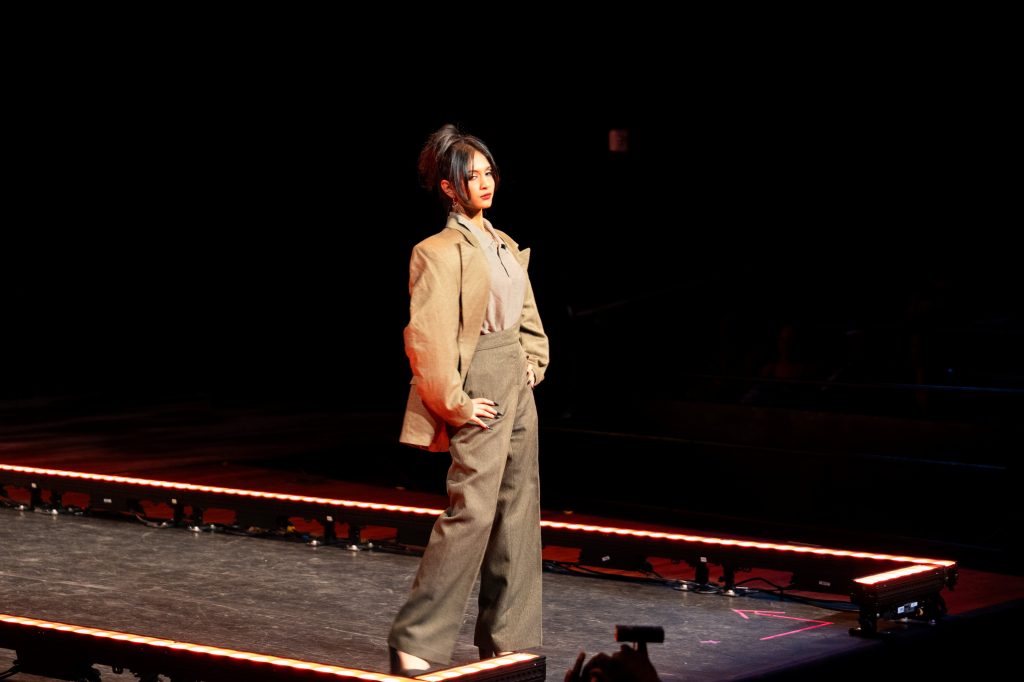
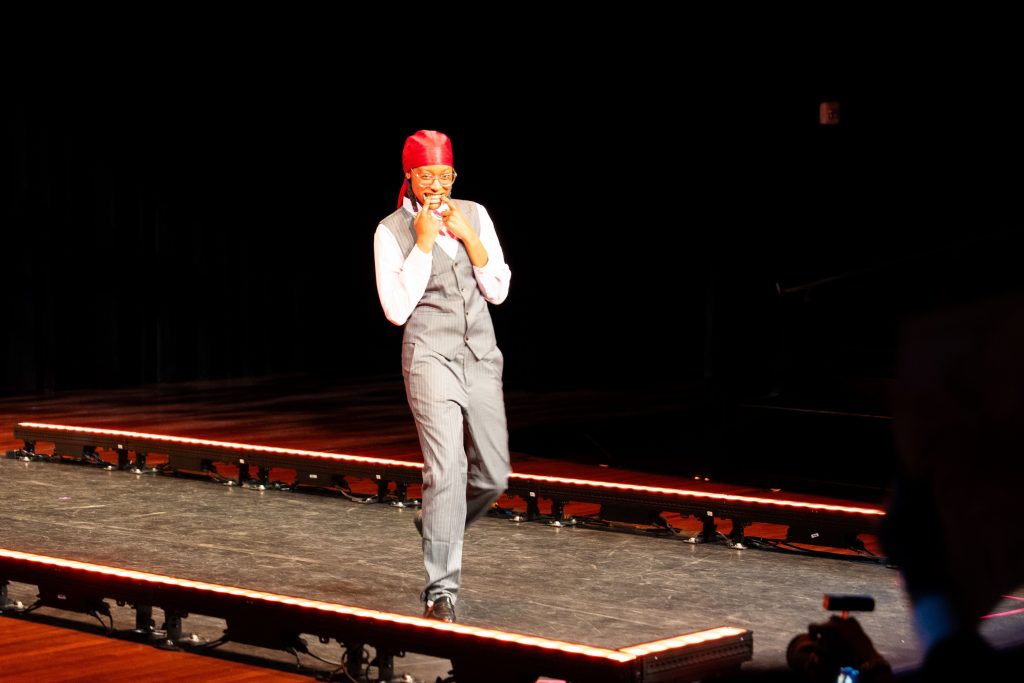
The Augusta University community was granted an exclusive backstage pass to Mentorship and Student Engagement’s Black History Month Fashion Show on Feb. 27, where fashion collided with history to celebrate the close of Black History Month.
With 12 categories broadly embracing Black culture and identity – including “Black Out or Back Out,” “Watch the Yard,” “Rhythm and Runway,” “Black Dandyism” and “Haute Couture” – each segment included personalized introductions expanding on the historical or contemporary significance, reminding attendees that every stitch has a story.
“It’s easy with any history or heritage month to get stuck in the past, but Black History Month is also about acknowledging the current experiences and how the past influences today,” said Shareen Clement, EdD, director of Mentorship and Student Engagement. “As an educational environment, the Black History Month Fashion Show is an opportunity for those who are part of that culture to learn more about it themselves, but it’s also for those who are not a part of the culture becoming more culturally competent individuals.”
Now in its fourth year, the fashion show has grown exponentially, featuring 66 models and engaging students from across campus, including Greek fraternities and sororities, mentorship programs and student organizations. Originally conceived by Shontrea Hogans, assistant director of MSE, she hopes that the showcase highlights how understanding and appreciating Black culture is an everyday practice and not just a month-long observance.
Planning for the showcase was an extensive process designed to ensure both impact and excellence, with early conversations beginning in July 2025, student model applications opening in September and October and then rehearsals kicking off in January 2026. At the heart of planning was student involvement, with the office bringing in students as co-creators of their own educational experiences.
“By valuing students as sources of knowledge, the fashion show isn’t just a repetition of historical content they’ve heard about before,” Hogans said. “For the students who participate, it’s a showcase of what they know about being Black and about Black culture and fashion. It positions them as a source of knowledge for others in the community, allowing them to immerse themselves in the culture, and this celebration and joy has a much longer lasting impact than traditional classroom teaching.”
Emmanuel Faminu, a computer science student graduating this year, has been a part of the fashion show since its launch, debuting as a model before transitioning into the role of photographer. This year, he stepped into the role of the executive media and content director, coordinating the various media departments to ensure comprehensive coverage both in front of and behind the stage. His creative vision has also brought new traditions to the show, from digital model lookbooks to behind-the-scenes photography.
“I want to create the message that collaboration is how we make waves,” Faminu said. “This is an extremely collaborative event, from volunteers to the coordinators to models, and it reflects how the Black history movement in America is a collaborative effort, with everyone working together to create the waves that’s gotten us here today.”
Looking back, he recalls just five models participating in the very first fashion show, a stark contrast to the dozens who walked the runway this year. Faminu emphasizes that this growth reflects an outpouring of encouragement from students, faculty, staff and the AU community, and that this year’s success would not have been possible without it.
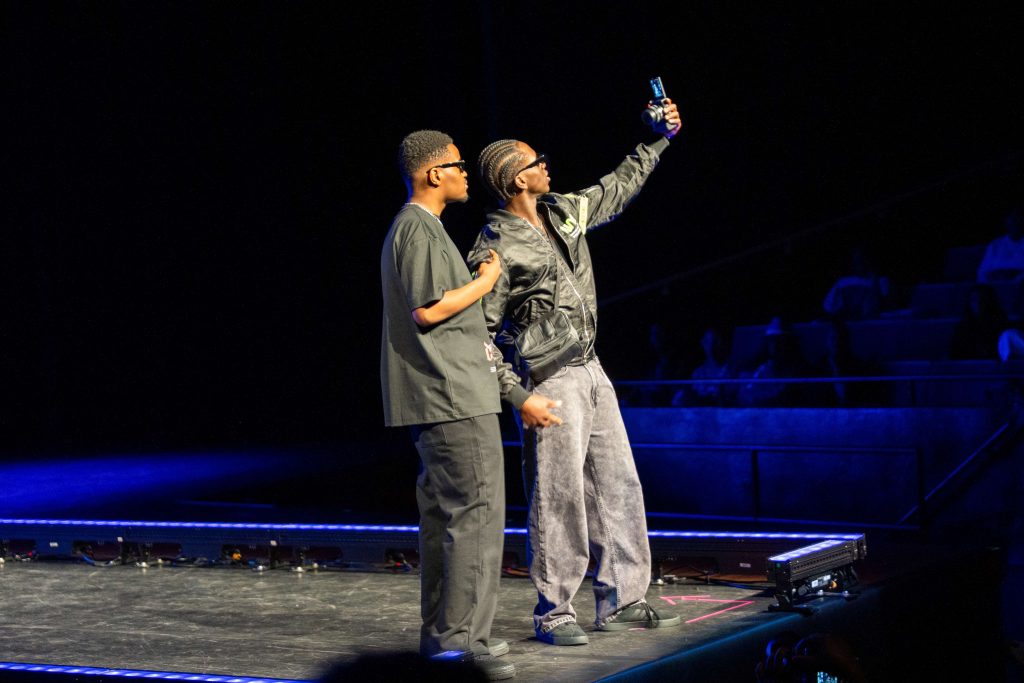
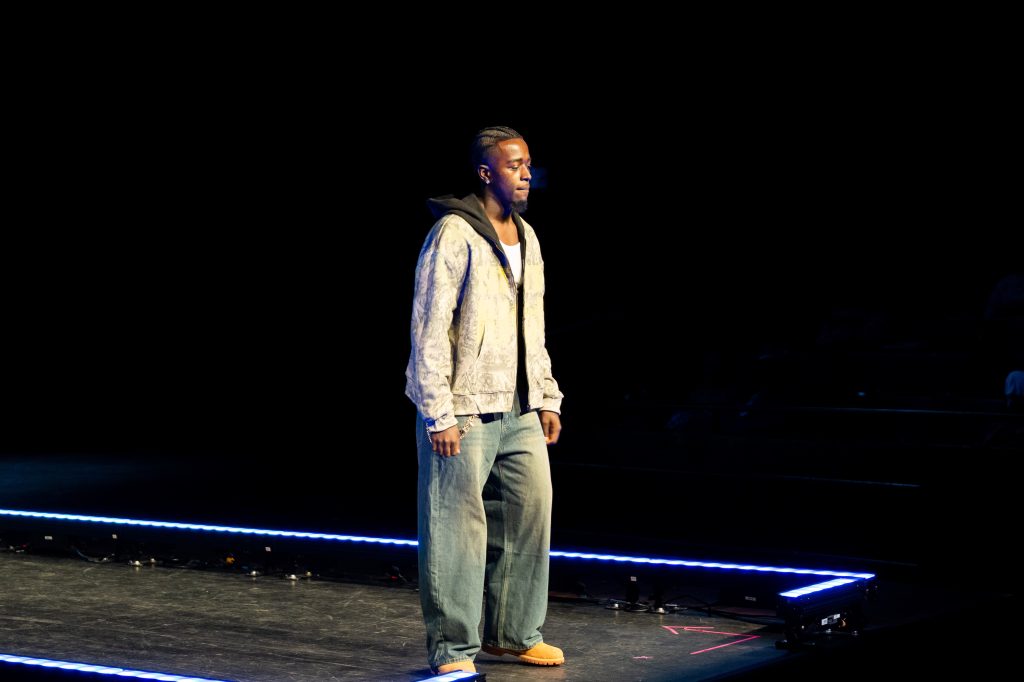
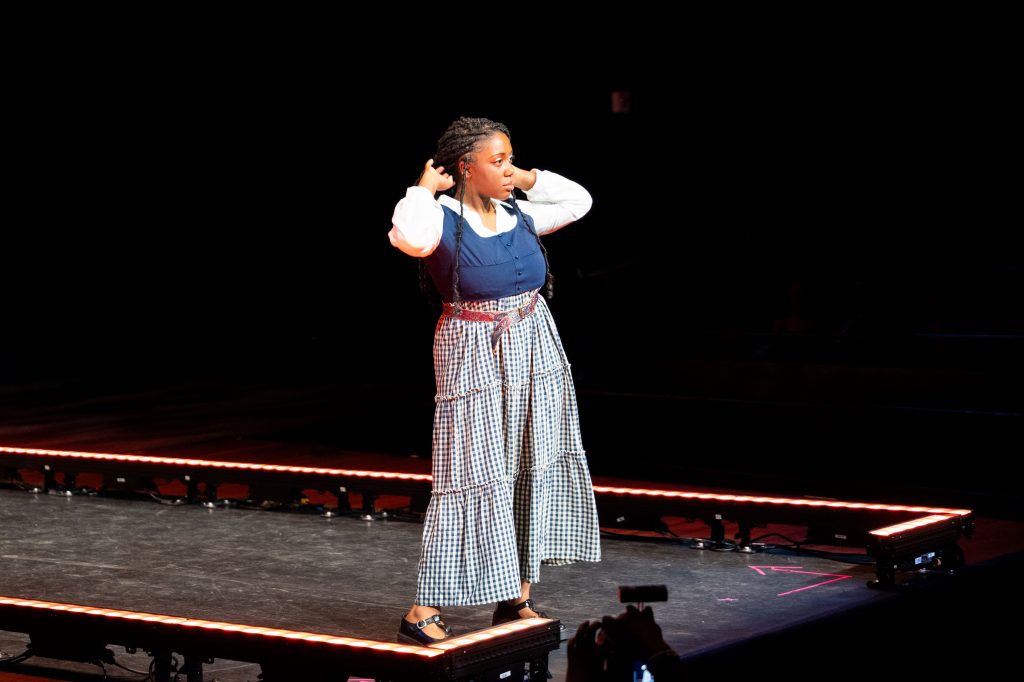
Tyler Guy, a fourth-year psychology student and Mr. Augusta University, has also been a part of the event since its conception. This year, he opened the “Black Out or Backout” category and closed the “Watch the Yard” category, in addition to being featured in the opening video transition that set the night’s dynamic tone.
Guy participates in the fashion show as a form of self-expression, experimenting with outfits and styles that typically contrast his more laid-back daily apparel. Fashion has become a major influence in his life, helping him feel more whole and giving him a better understanding of who he is and how he wants to present himself in the world.
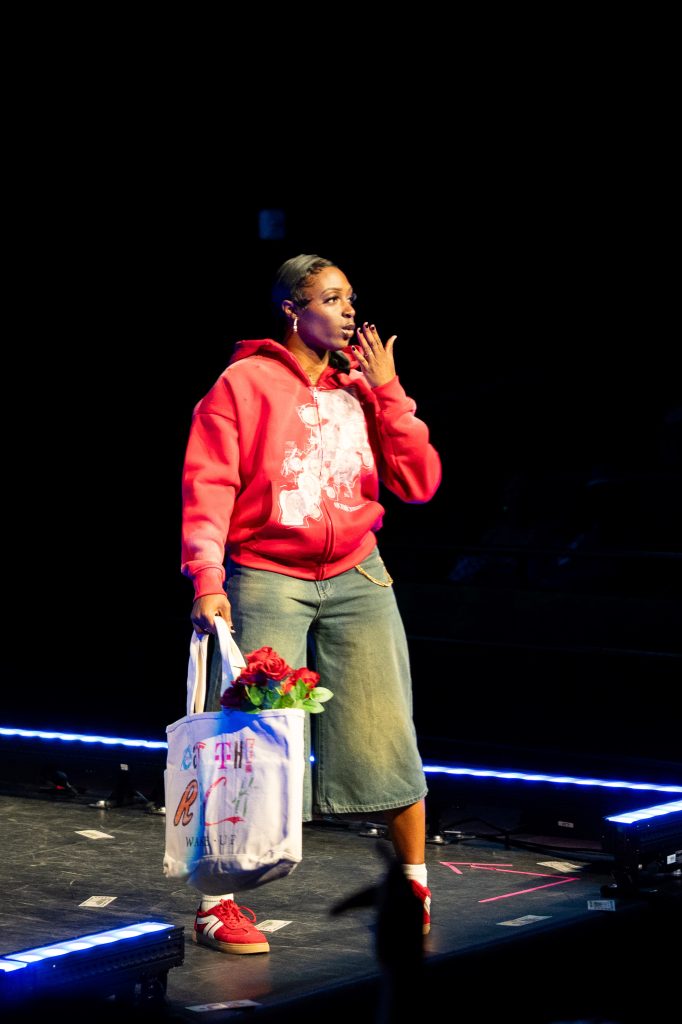
“This year, my favorite category was ‘Black Dandyism,’ which references how Black people would dress up in an exuberant way to show that we could be polished, that we deserve to write and that we have the right to be in different spaces,” he said.
Events like the fashion show provide a specific space where Black students feel seen and celebrated, according to Guy. In fact, many of the pieces he modeled were pulled from his own closet and truly represents his personal style and fashion identity.
“I’ve learned so much about how fashion has played a role in Black history and how that’s translated into the culture,” Guy said. “Like last year, we had a category called ‘Sunday’s Best,’ where you dressed up in your nicest clothes to look regal in the eyes of God, and I think that really showed me that even though Black history has a dark past, it’s really important to look at the more positive aspects and to celebrate.”
The fashion show concluded with all of the models taking the runway and honoring the past, embracing the present and stepping boldly into the future. Afterward, participants and attendees gathered on the steps of the Grover C. Maxwell Performing Arts Theatre to celebrate culture, creativity and community.
Keep up with more campus events by checking the AU Events Calendar and following Mentorship and Student Engagement’s on Instagram @aug_mse.


 Miguelangelo Hernandez
 Denise Parrish