 Augusta University
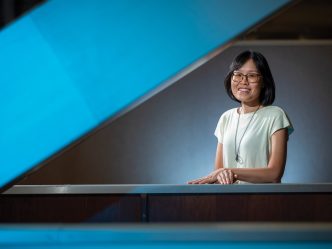
 Rhea-Beth Markowitz, PhD
The Teledermatology Serving Georgia program recently conducted an on-site training visit at the East Georgia Healthcare Center in Swainsboro, Georgia, to expand dermatologic care within rural primary care settings.
Teledermatology Serving Georgia is a collaborative project between the Georgia Cancer Center at Augusta University and the Department of Dermatology in the Medical College of Georgia. The joint initiative, which is supported by funding from the GCC’s Unite in the Fight Against Cancer program and the Georgia Society of Dermatology and Dermatologic Surgery, consists of both clinical care and distance learning arms.
Georgia faces a notable shortage of dermatology providers, with a rate of 3.1 dermatologists per 100,000 people, compared to a national average of 3.8. This workforce disparity is particularly pronounced in rural areas. Swainsboro, the hub of the EGHC clinics, has one of the lowest dermatologist densities in the US (0.45 dermatologists per 100,000 people). This results in prolonged wait times for appointments, and rural Georgians are often required to travel considerable distances to obtain basic or expert dermatological care, or most importantly, skin cancer screening. The use of teledermatology is designed to address this important health care disparity.
“Although skin cancer is one of the most common cancers in the United States, it is also one of the most preventable, given the right resources, and it is highly treatable when detected early,” said Brenda Santellano, MD, research associate and program manager for the Teledermatology Serving Georgia program. “Given the significant role of early-life sun exposure in the development of melanoma, implementing long-term prevention interventions — like daily sunscreen use and sun safety education — could greatly enhance skin health and reduce the risk for all Georgians.”
Melanoma in particular is responsible for the majority of skin cancer-related deaths, with approximately 9,000 deaths each year. It is predicted that by 2040, the incidence of melanoma is projected to surpass the incidence of colorectal and lung cancers and become the second most commonly diagnosed cancer in the U.S., following breast cancer.
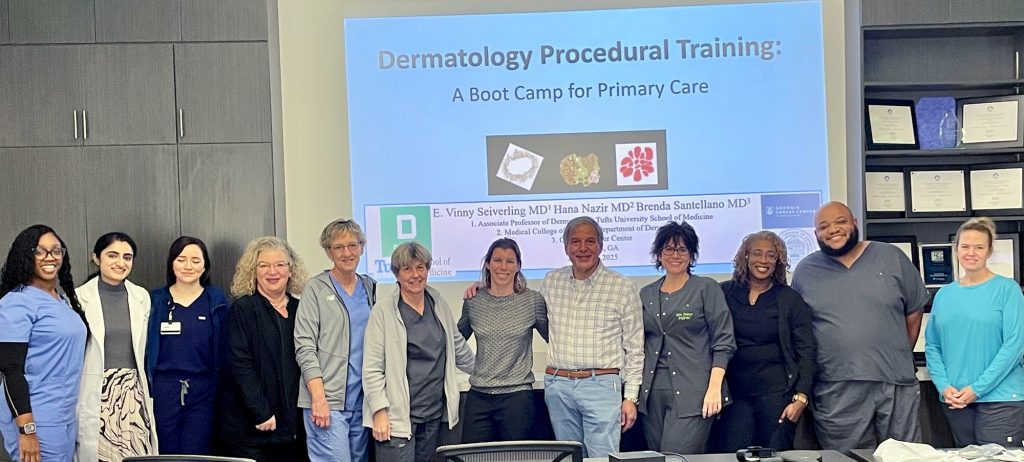
Elizabeth V. Seiverling, MD, a collaborating dermatologist who specializes in dermoscopy and electronic dermatology consults, also known as e-Consults, and associate professor at Tufts University School of Medicine in Boston met with approximately 10 primary care providers at EGHC’s central site in Swainsboro. She was accompanied by Santellano and Hana Nazir, MD, a third-year resident in MCG’s Department of Dermatology, who both assisted in the training.
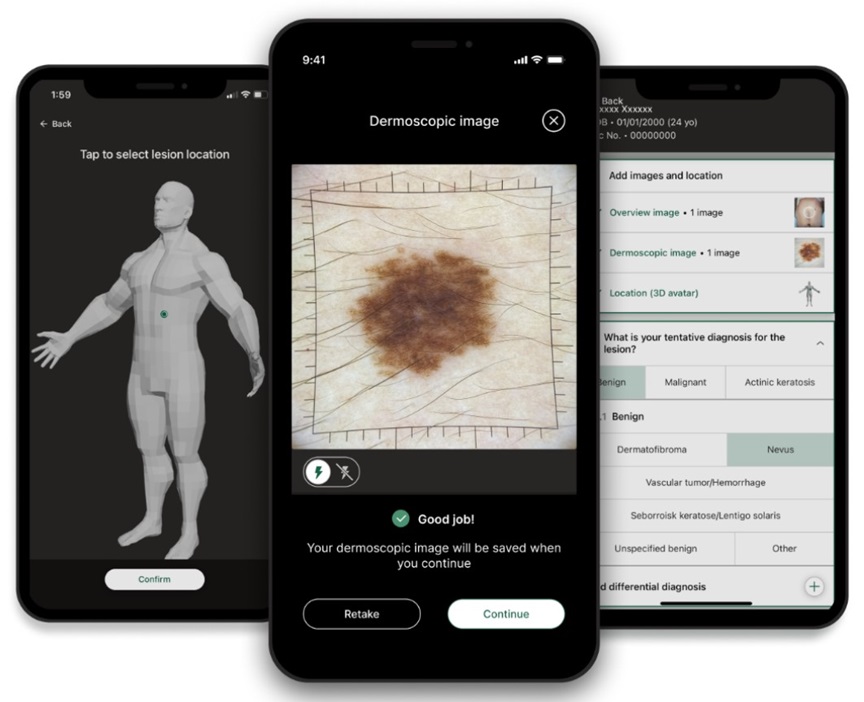
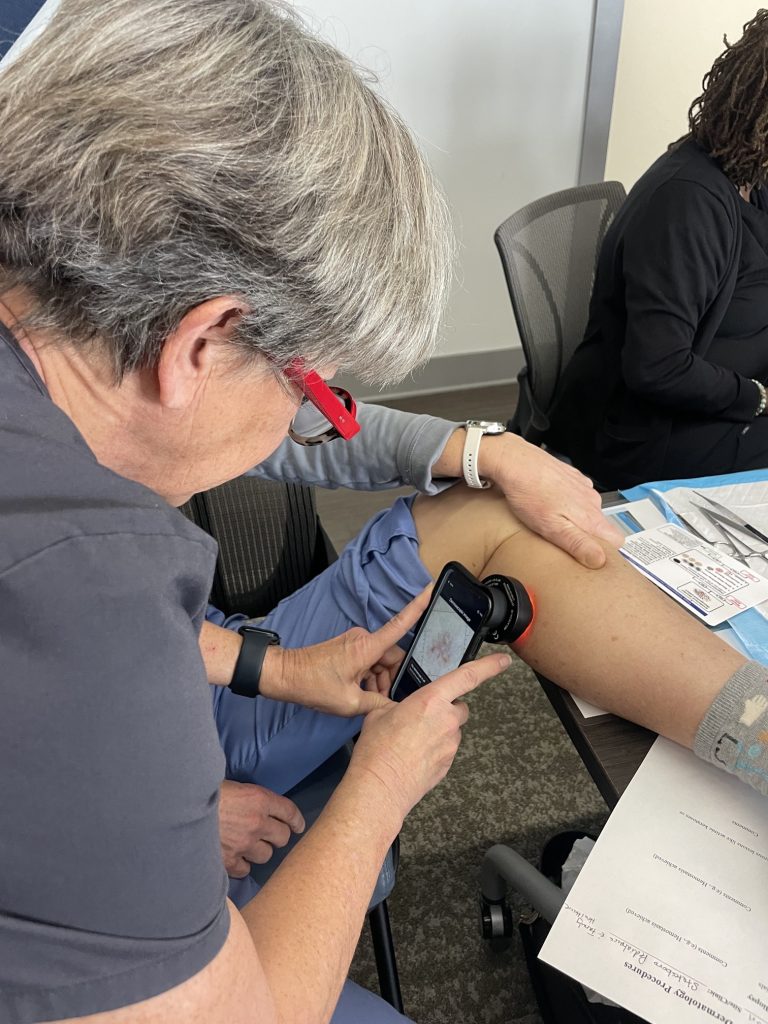
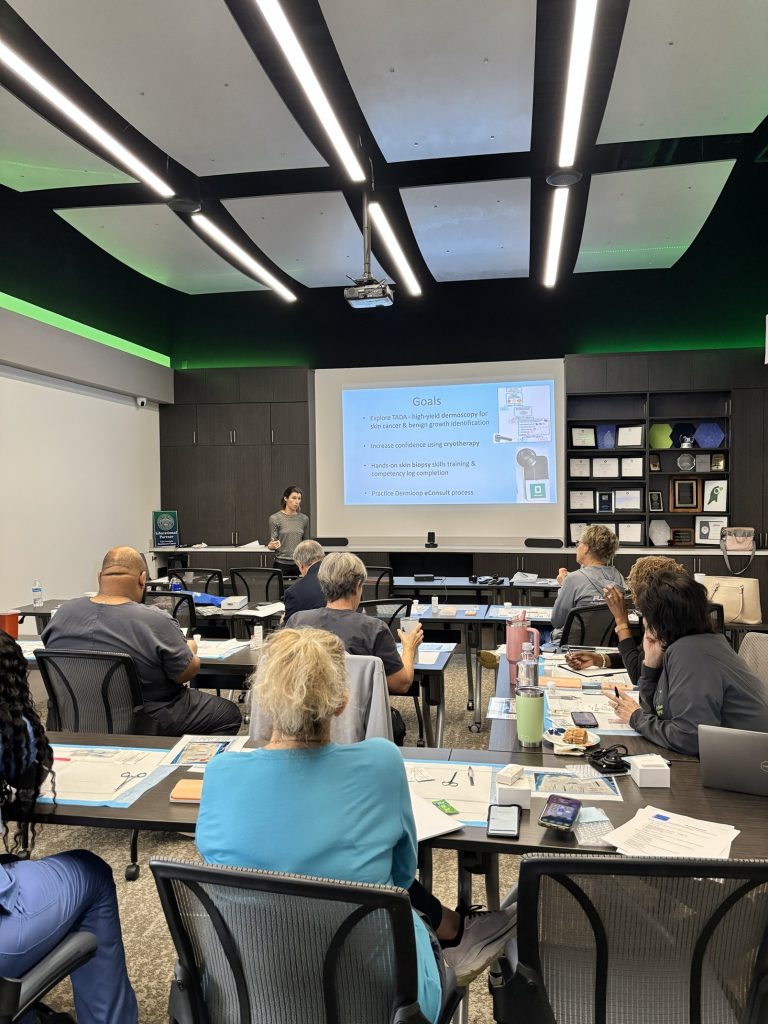
Primary care providers received hands-on training in dermoscopy, e-Consults and common dermatology procedures, including skin biopsies and cryotherapy, as well as evaluation of benign and malignant skin lesions.
“Patients in rural communities face many barriers when trying to access specialty care. The scarcity of dermatologists in rural counties results in diagnostic delays and poor outcomes for melanoma patients,” Seiverling said. “The Teledermatology Serving Georgia program breaks down the geographic barriers by equipping primary care practitioners with the skills they need to diagnose and treat patients with skin concerns in the primary care setting. The recent hands-on dermatology skills training for EGHC providers added meaningfully to the already robust TeleECHO and e-Consult program at MCG. EGHC providers can tap into the dermatology team at MCG for management advice and implement the recommendations, including skin biopsies, at their local clinic.”
Martin Sheldon, MD, chief medical officer at EGHC, was instrumental in coordinating the visit. He also encouraged participating providers to actively use AU’s teledermatology services, highlighting the value they have already seen in improving access to specialty care and patient outcomes across the region.
Following the training session, Sheldon and Seiverling saw dermatology patients at some of the participating clinics in Swainsboro, Vidalia, Wadley, Statesboro, Baxley, Millen, and Metter, which are now being designated as teledermatology “SuperUser” e-Consult sites within the EGHC network.
Teledermatology Serving Georgia represents an important step in expanding access to timely dermatologic care across rural and underserved communities in Georgia through education, collaboration and teledermatology support. Also involved in the clinical arm of the program are residents in MCG’s Family and Community Medicine department. Distance learning is available to all participants, as well as others through monthly TeleECHO TeleDerm sessions using the Project ECHO™ platform. Kendall Buchanan, MD, of MCG’s Department of Dermatology is principal investigator of the project, and Rhea-Beth Markowitz, PhD, is the scientific coordinator.
“This opportunity to expand medical care and educate the next wave of primary care providers is critical to the health of our state,” said Jorge E. Cortes, MD, director of the Georgia Cancer Center. “By partnering with local physicians through initiatives like our Teledermatology program, we are empowering frontline doctors with the tools and specialist expertise they need to identify suspicious lesions early, right in their own clinics.”
This project will ultimately benefit patients throughout the state of Georgia and beyond by improving access to care and reducing travel burdens to obtain dermatological consultations — in particular, diagnoses of potential skin cancers, including melanoma. This, in turn, will lead to timely interventions and improved patient outcomes, especially for those living in rural and medically underserved areas.
Brenda Santellano, MD contributed to the content of this story.

 Chris Curry
 Jamison Guice
 Hannah Litteer
 Miguelangelo Hernandez