 Augusta University

 Milledge Austin
One of the cornerstone values at Augusta University is community engagement. On Monday, Jan. 12, the institution was recognized for its efforts to foster community engagement on campus and beyond by being named to the 2026 class of institutions to earn the Carnegie Elective Classification for Community Engagement. AU joins a select group of public and private institutions in the United States to earn the designation and is one of nine from Georgia.
“The Carnegie Elective Classification for Community Engagement affirms what has long defined Augusta University — that deep, meaningful engagement with our community is not just part of our mission, but central to our identity,” said AU President Russell T. Keen. “This designation reflects one of the core aspirational imperatives outlined in our Strategic Plan and the shared commitment of our faculty, staff, students, alumni and community partners to work that truly makes a difference. I am grateful for the leadership of Tina Baggott; Vanessa White and the Office of Community Engagement; and the many collaborators whose dedication transforms shared purpose into lasting progress. Together, we are strengthening our communities while advancing the mission of Augusta University.”
Earning the Carnegie Elective Classification for Community Engagement fulfills one of the aspirational imperatives outlined in Augusta University’s Strategic Plan. Keen noted the milestone is not an endpoint, but rather a catalyst for even greater impact.
“We will continue to build on this momentum, strengthening partnerships and expanding opportunities to serve our communities in transformative ways,” Keen said.
Over the last two years, the AU Community Engagement Leadership Council – a cross-campus committee of faculty, students, staff and community partners – worked to inform and develop many of the community-engaged practices that supported Augusta University’s successful application and ongoing community partnership efforts. More than 80 university and community contributors are featured in the robust application’s framework.
“Augusta University is honored to be recognized with the Carnegie Foundation’s Elective Classification for Community Engagement, a distinction that affirms our deep and enduring commitment to meaningful, collaborative partnerships across our local, regional and statewide communities,” said Baggott, interim executive vice president for Strategic Partnerships and Economic Development at AU.
“This achievement reflects not only the strength of our ongoing engagement initiatives but also the extraordinary dedication of our AU Community Engagement Project Team and AU Community Engagement Leadership Council,” she continued. “Their rigorous work in documenting, assessing, and reflecting on our institutional practices provided significant value, offering new insights, strengthening our alignment with community priorities and enhancing the ways we engage in shared problem-solving. The process has fortified our partnerships and further advanced our mission to serve as a trusted, responsive, and innovative partner in improving the quality of life for the communities we are privileged to serve.”
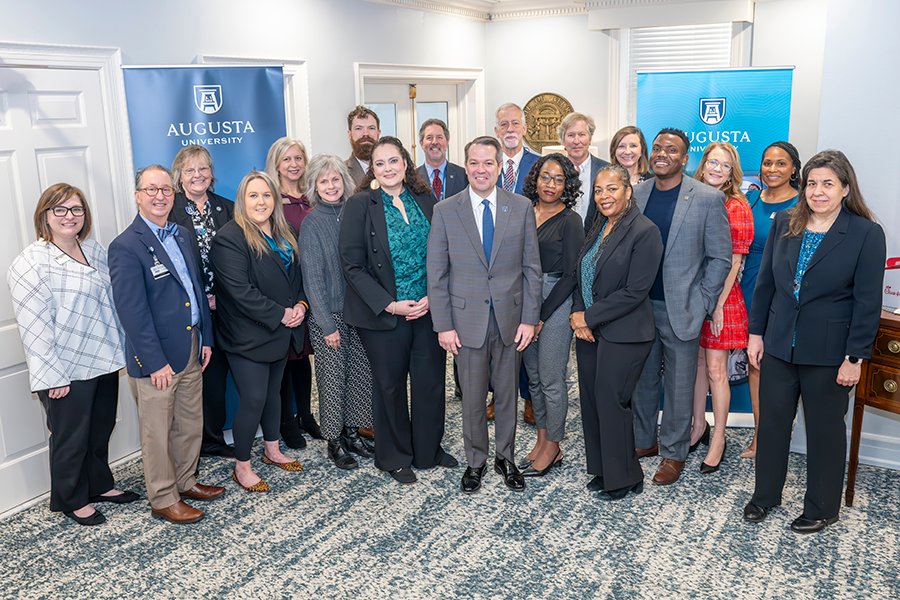
Augusta University’s connection to its community extends far beyond a shared name. Through longstanding and emerging partnerships with local organizations, businesses and government, AU plays an integral role in strengthening the greater Augusta area and creating a welcoming environment for students, faculty, staff and community members. The university continues to invest in accessibility and engagement by enhancing campus infrastructure, improving the community experience on its physical footprint and deepening coordination with community stakeholders across institutional units.
At the city, regional and state levels, Augusta University advances Georgia’s well-being through strategic partnerships that benefit everyone. This includes strengthening ties with local schools and colleges and addressing workforce and health care needs. As the state’s designated health sciences and medical research university, AU serves as a cooperative partner.
“The Carnegie Elective Classification for Community Engagement affirms what has long defined Augusta University — that deep, meaningful engagement with our community is not just part of our mission, but central to our identity.”
Augusta University President Russell T. Keen
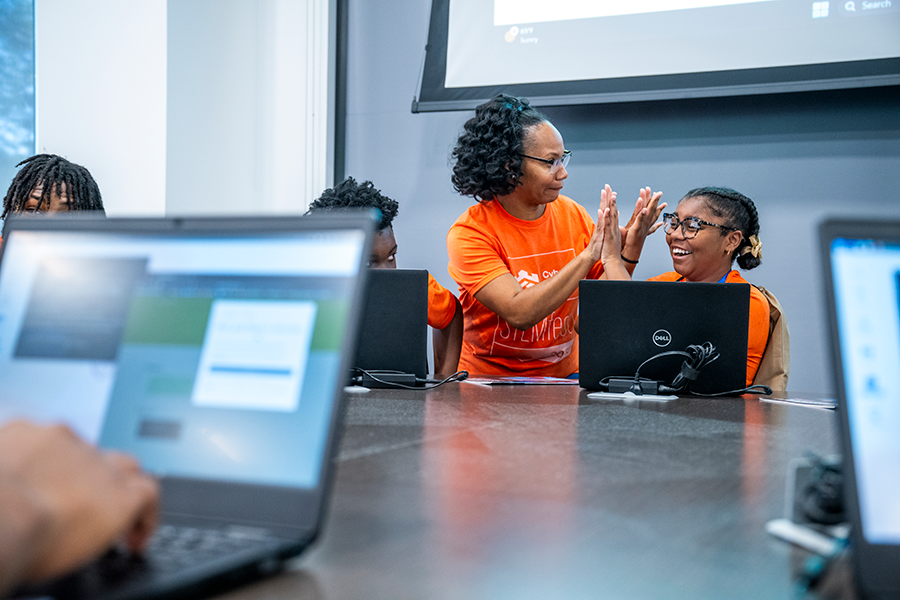
AU introduces younger students to fields that can help with workforce shortages, such as through annual cybersecurity camps like STEMfest and by bringing local high school students to campus to explore health care careers. The James M. Hull College of Business also hosts the annual LeadHERship program to teach local girls about the business world.
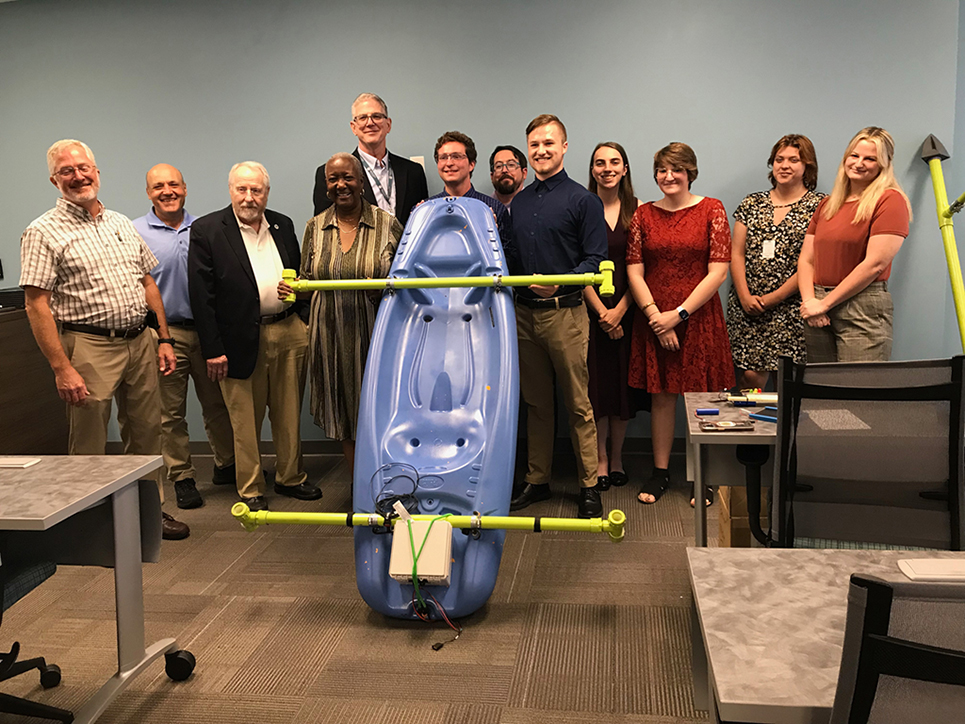
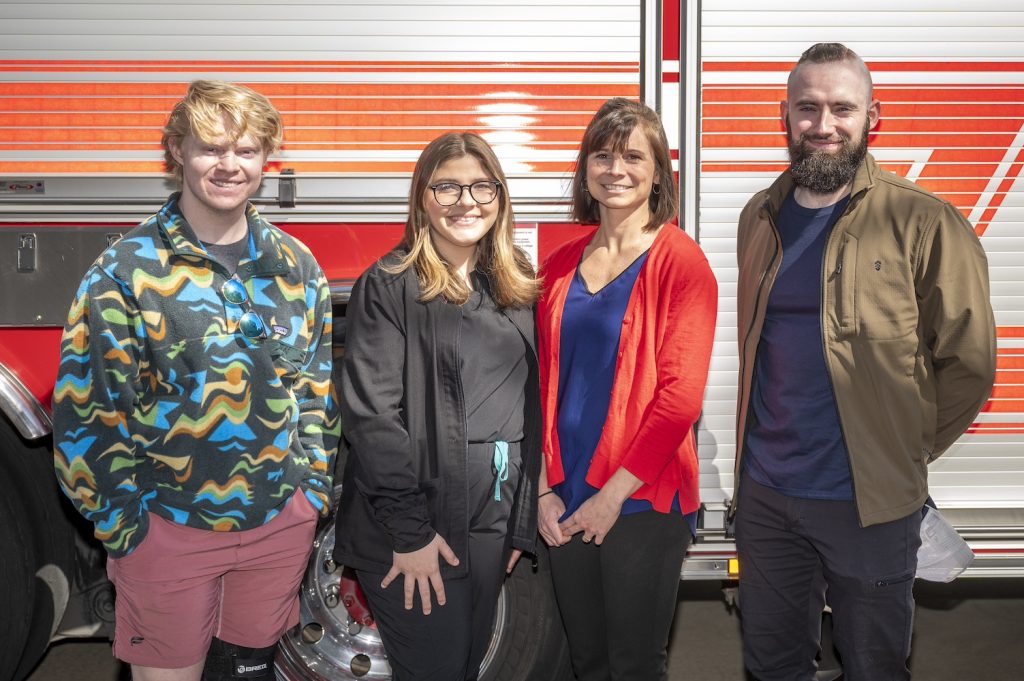
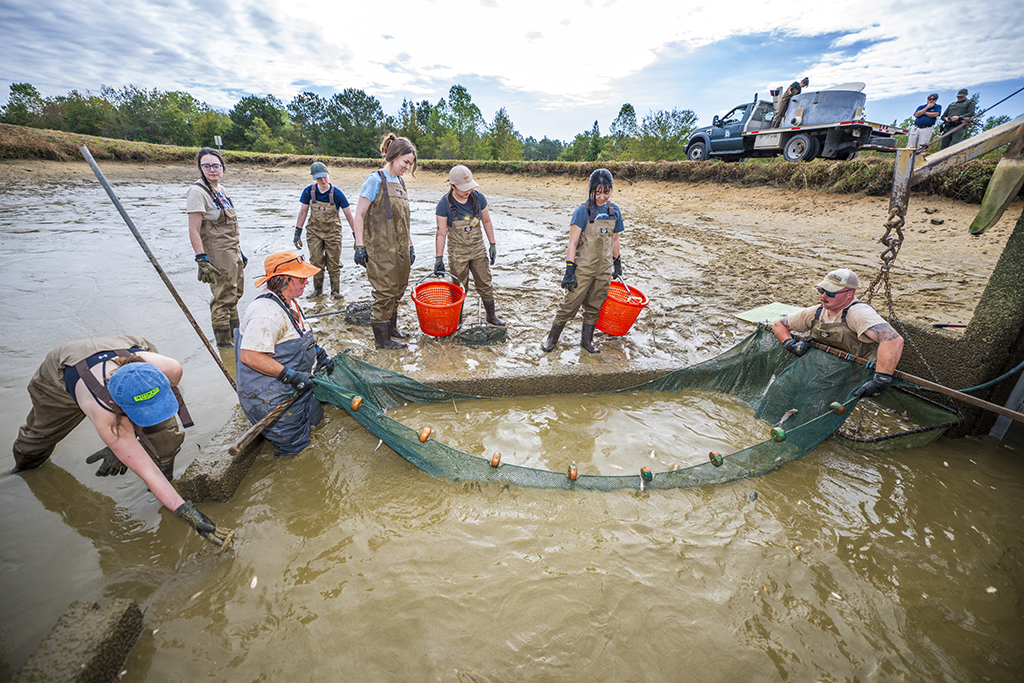
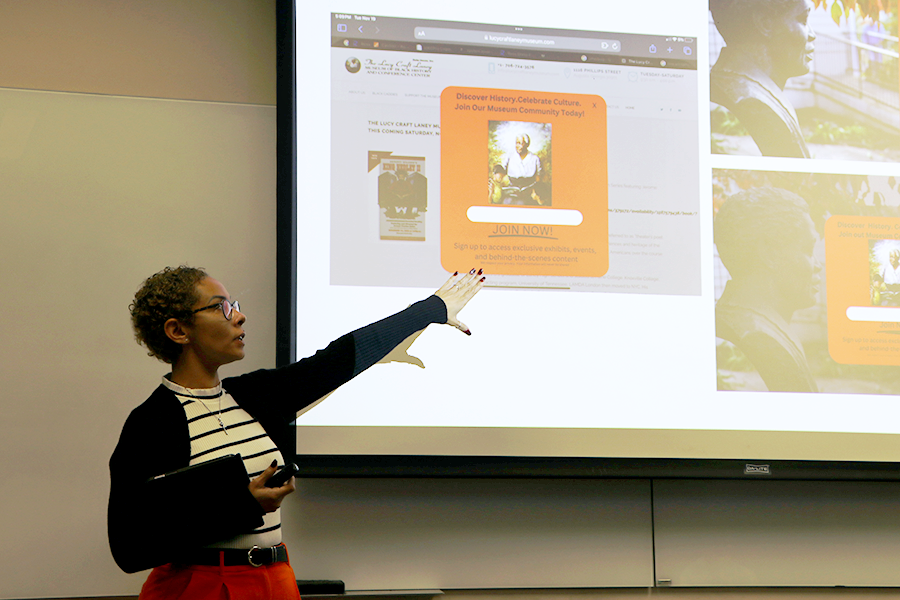
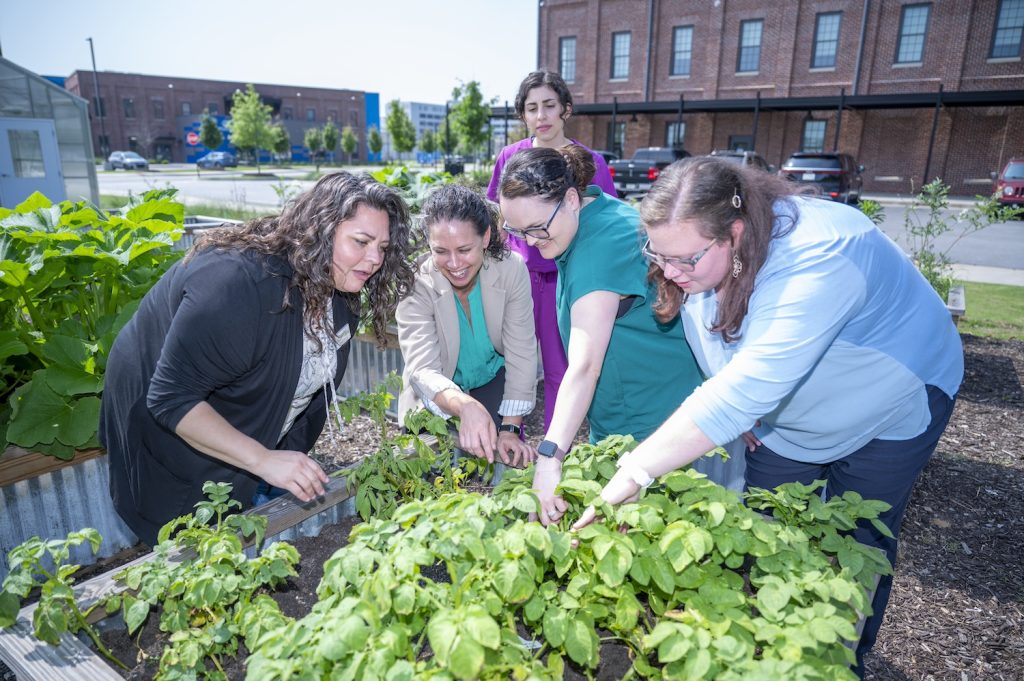
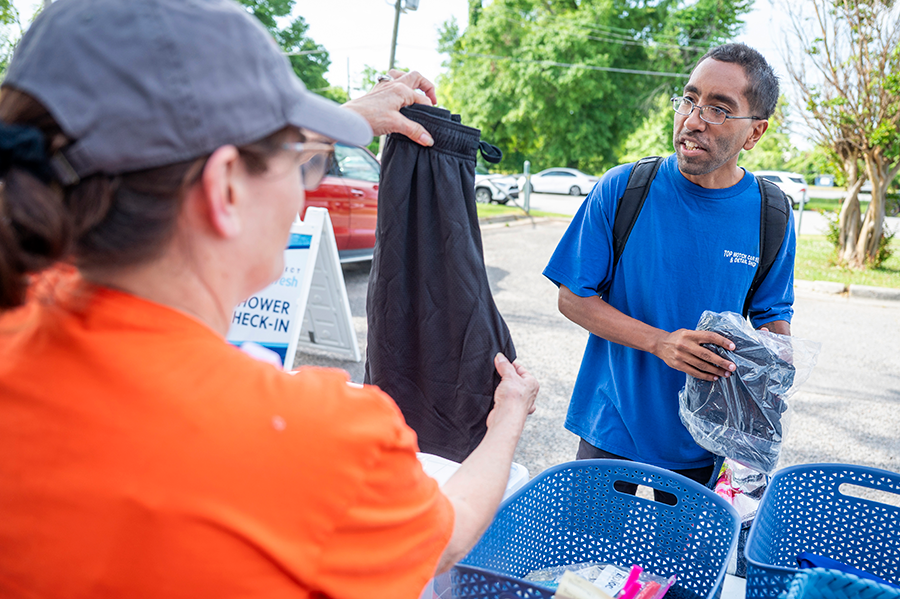
The university partners with local organizations, like Augusta Utilities, Columbia County Fire Rescue and the Georgia Department of Natural Resources, to find solutions to community problems. AU also works with local nonprofits on service learning projects. Additionally, students from the Department of Art and Design students have helped beautify the city by showcasing their skills in public areas.
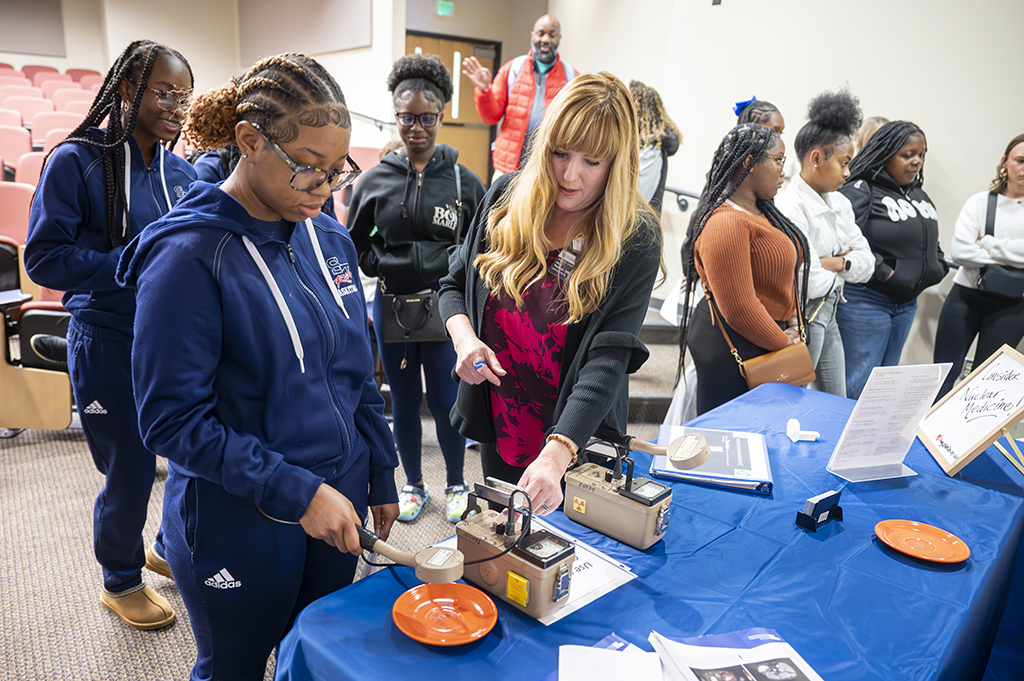

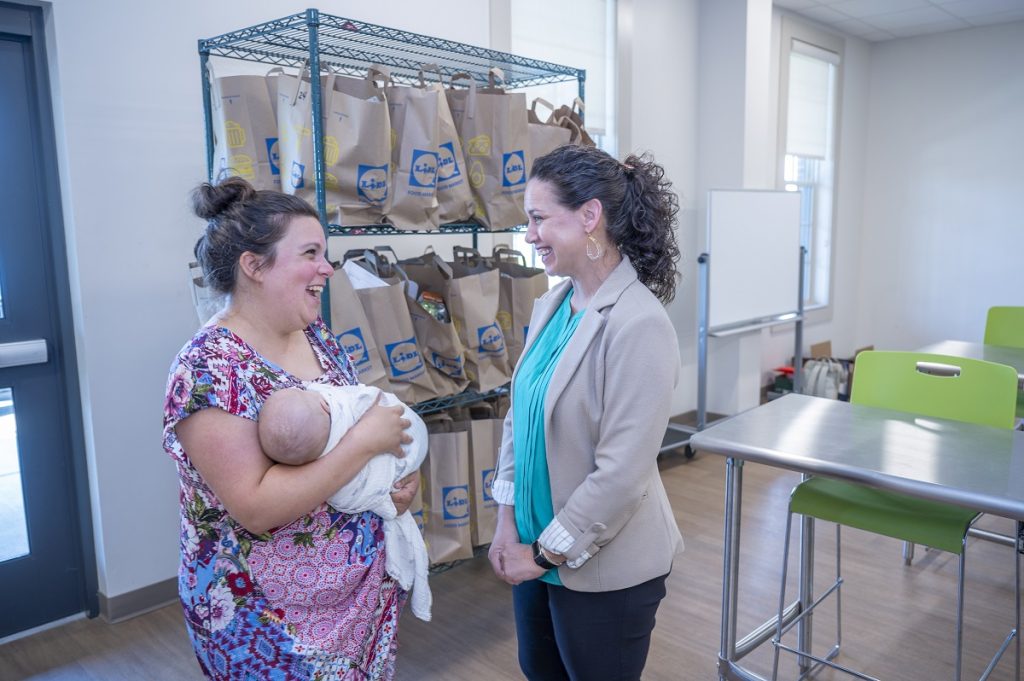
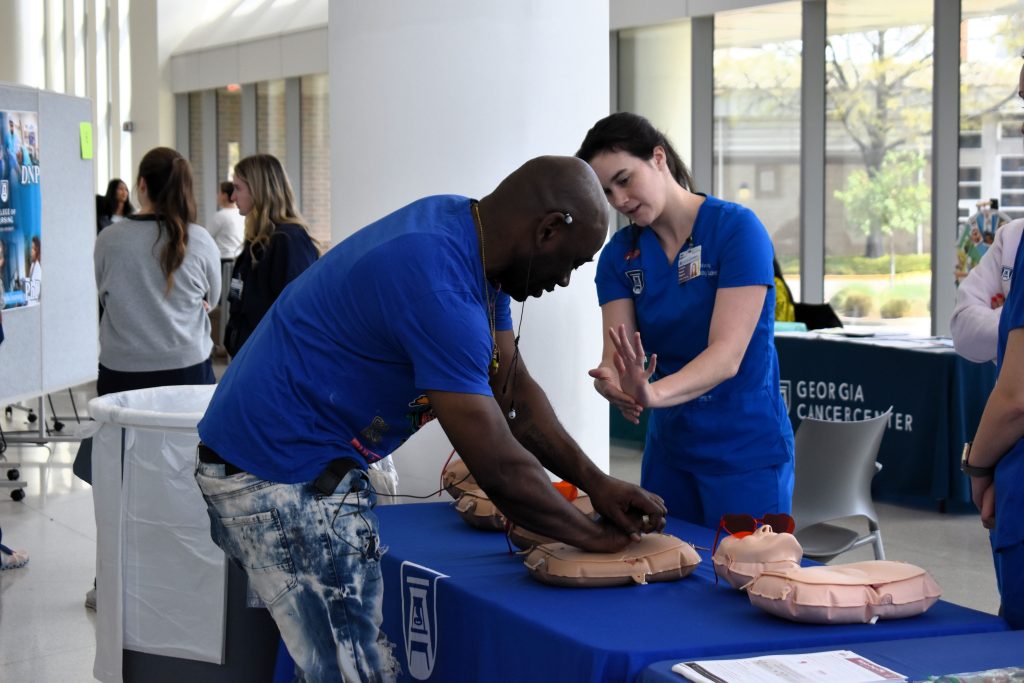
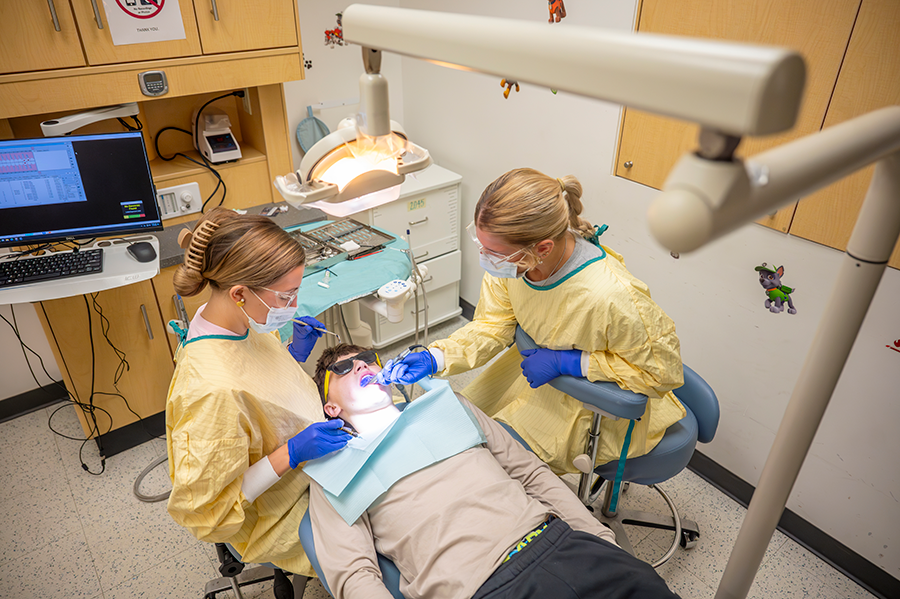
AU hosts numerous health-focused events, including the annual Costa Layman Health Fair, the Healthy Grandparents Program and the Dental College of Georgia‘s Give Kids a Smile Day. Some partnerships, like the Community HUB Augusta, help with public health for mothers and mothers-to-be, while initiatives like the “Farmacy” provide support for pregnant and postpartum women. This is part of a larger effort to address maternal and infant health statewide.
The Jags Jump In program provides a way for students to get involved in the community. By expanding collaborations in areas like rural health care and cybersecurity and launching community-focused initiatives, AU continues to make a positive impact on communities across the region and throughout Georgia.
The Carnegie Elective Classification for Community Engagement recognizes engaged scholarship, teaching, learning and outreach. The classification is not an award. It is an elective, evidence-based documentation process for self-assessment and quality improvement purposes.
The CE Classification is awarded following a process of self-study by each institution. The classification has been the leading framework for institutional assessment and recognition of community engagement in U.S. higher education for the past 19 years with classification cycles in 2006, 2008, 2010, 2015, 2020, 2024, and now 2026. The 2029 cycle will be for first-time applicants.
In the 2026 cycle, 237 institutions earned the CE Classification. Of the institutions recognized in 2026, 48 are receiving the classification for the first time, while 189 have previously held it. The 2026 cohort includes a diverse range of institutions, with 157 public institutions, 80 private colleges and universities and 81 Minority Serving Institutions represented among the recipients.


 Miguelangelo Hernandez
 Nina Siso
 Felicia Baskett
 Chris Curry