Augusta University
 Miguelangelo Hernandez
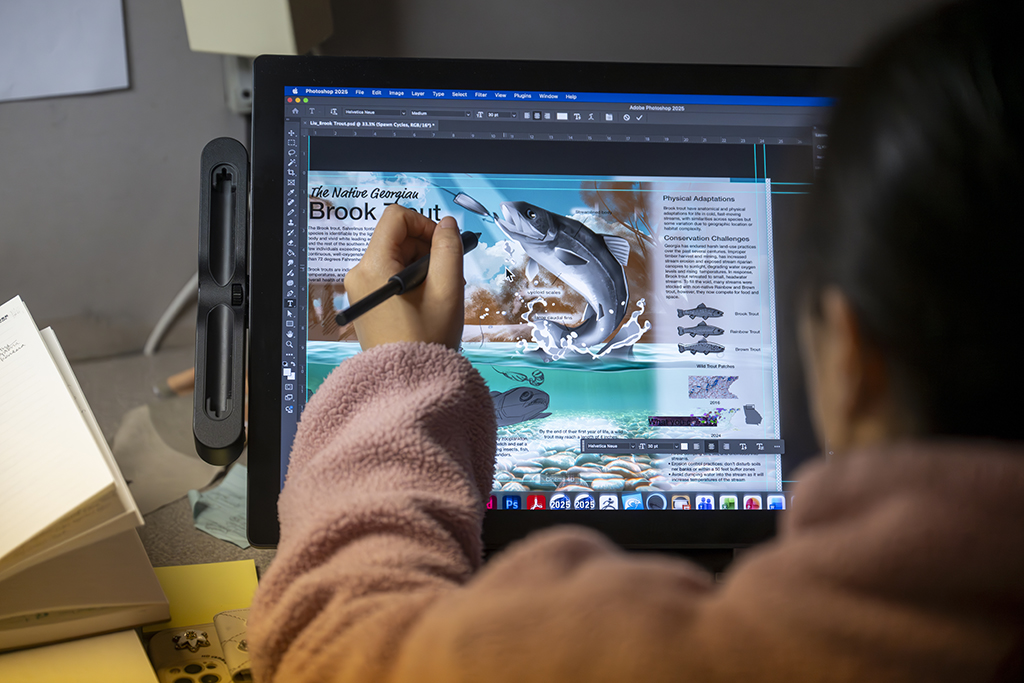
Augusta University’s Medical Illustration graduate program in the College of Allied Health Sciences recently completed a six-week project with the Georgia Department of Natural Resources where the students created visual explanations of animal anatomy.
AU is one of only four schools in the country to offer the graduate-level program and was recognized with the 2025-26 AU Program Teaching Excellence Award. Part of the curriculum focuses on outside projects, and the initial collaboration with Georgia DNR centered on veterinary illustrations that can be incorporated into their community education and presentations across the state.
Amanda Behr, PhD, department chair and professor, said they have previously worked with Phinizy Swamp and had a great collaboration with them, providing posters for their educational programs while educating the community.
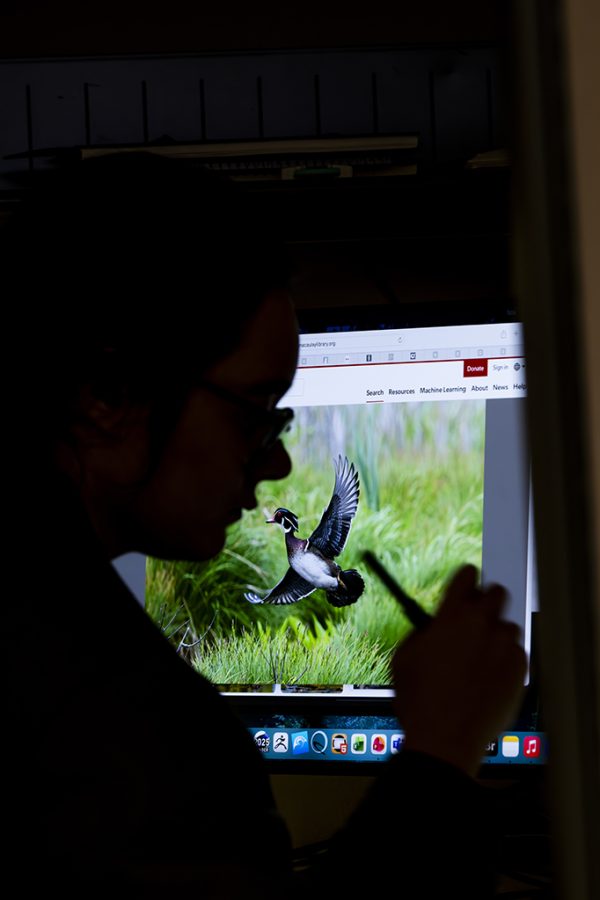
Behr, along with new professor Mandy Root-Thompson, had nine first-year graduate students and one second-year graduate student work on projects that focused on turkeys; ducks’ plumage, beak morphology and the digestive system; the chronic wasting disease and antler development of deer; and largemouth bass and trout. The students designed an 18-inch by 24-inch infographic poster and slides for DNR to use in its presentations.
Behr said getting the students these opportunities to have hands-on experiences and learning to manage their time while working on other projects is crucial, not only for advancing their education but also preparing them for success when they graduate.
“One of the most common questions I receive whenever I’m giving recommendations is ‘How fast can they produce? How long will it take them to get up to speed to a professional level?”’ Behr said. “As much as we can provide opportunities like this, I think it gets them not only that concept of the steps of working with a client but also practicing their skills of working with a client. They know they’re working with an educational group, and so we can train them how to interact professionally.”
Cory Bohannon, game warden with the Georgia DNR Law Enforcement Division, was excited when AU reached out and wanted to partner with the Wildlife Resources Division, which taught the medical illustration students background and growth of fish, the science, habitat, breeding performance and feeding habits. He said some illustrations centered on Georgia being a chronic wasting disease state.
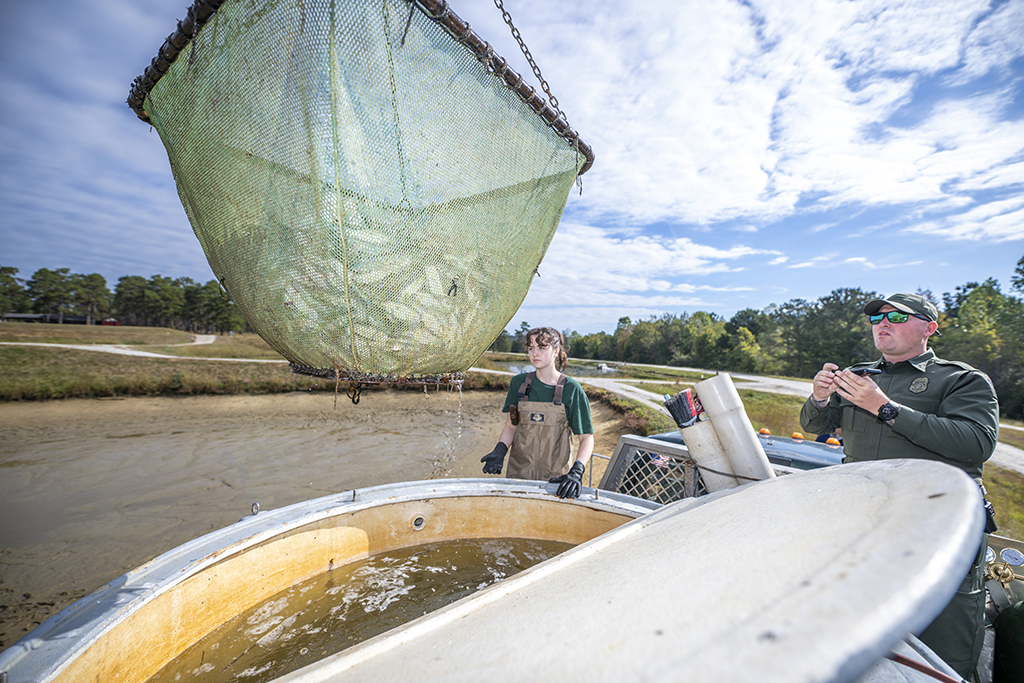
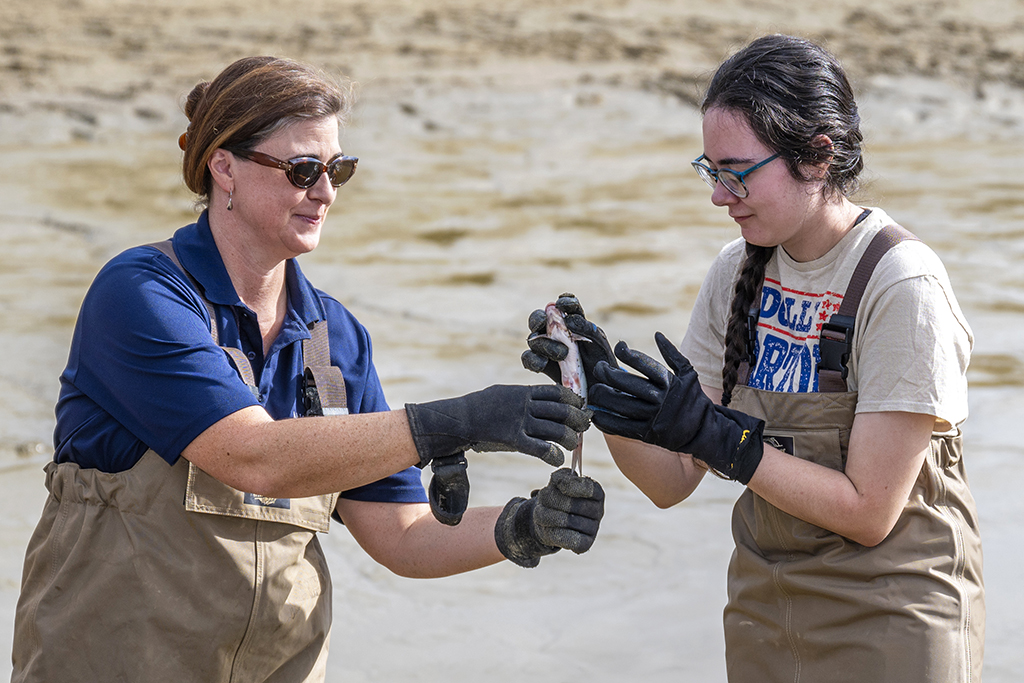
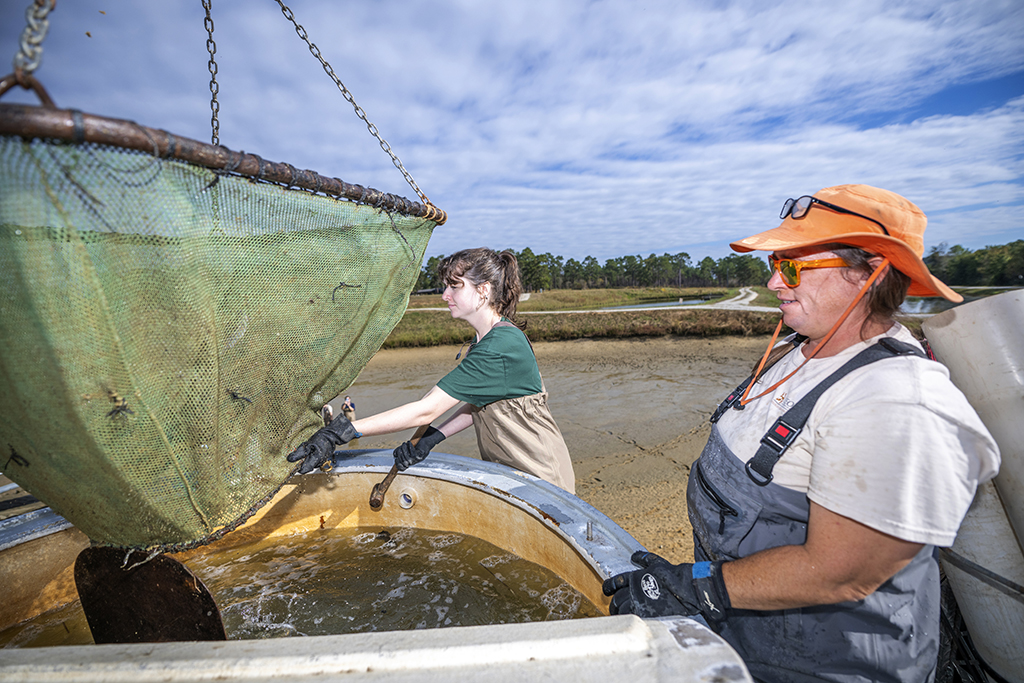
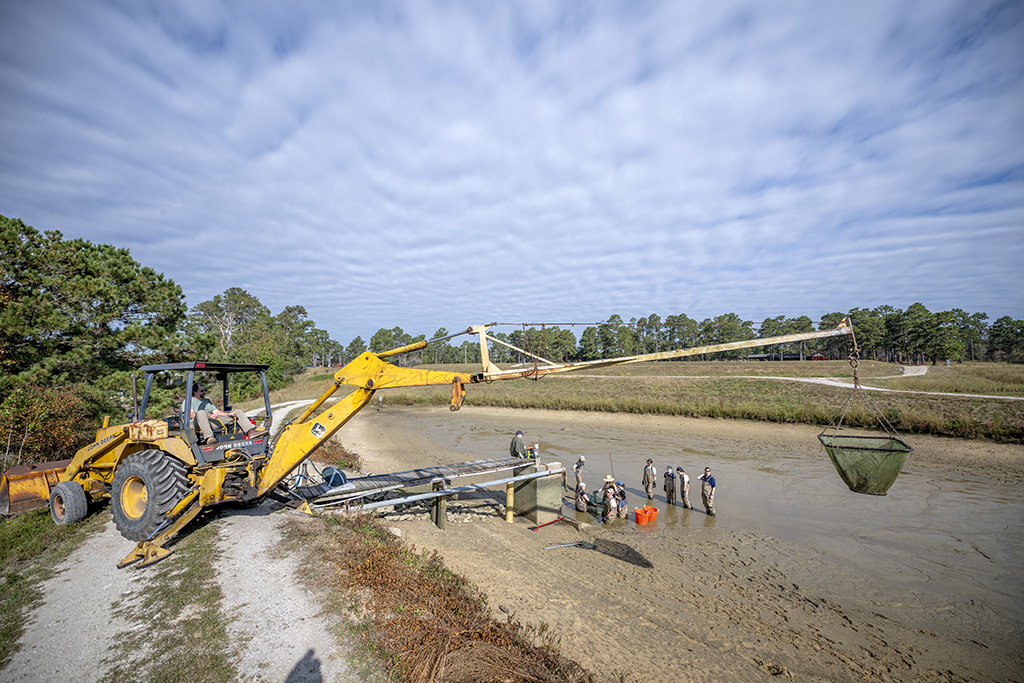
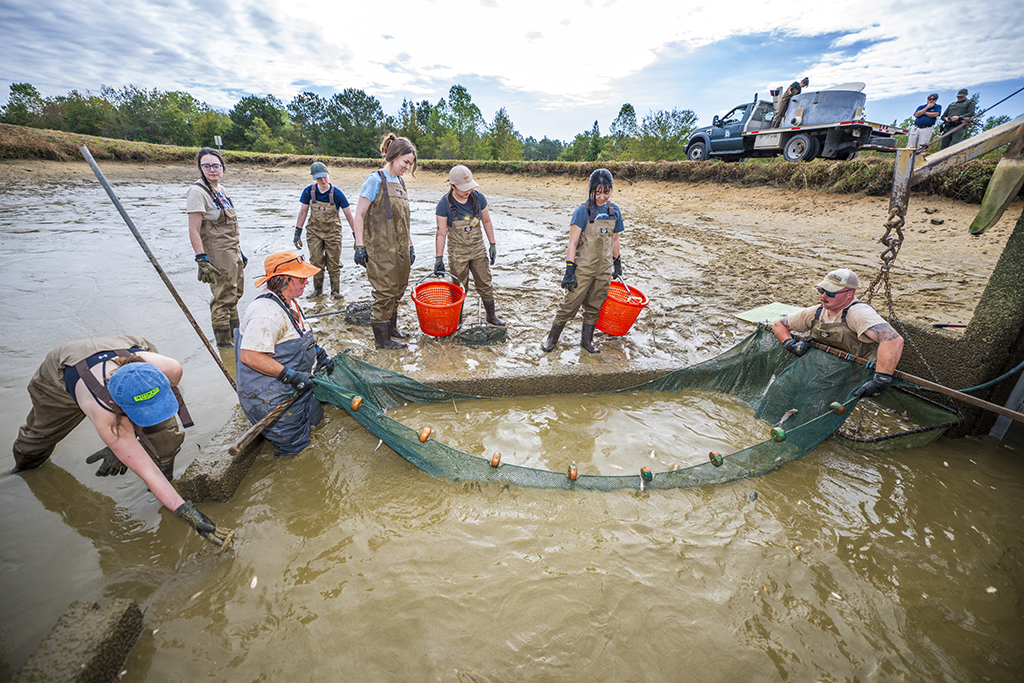
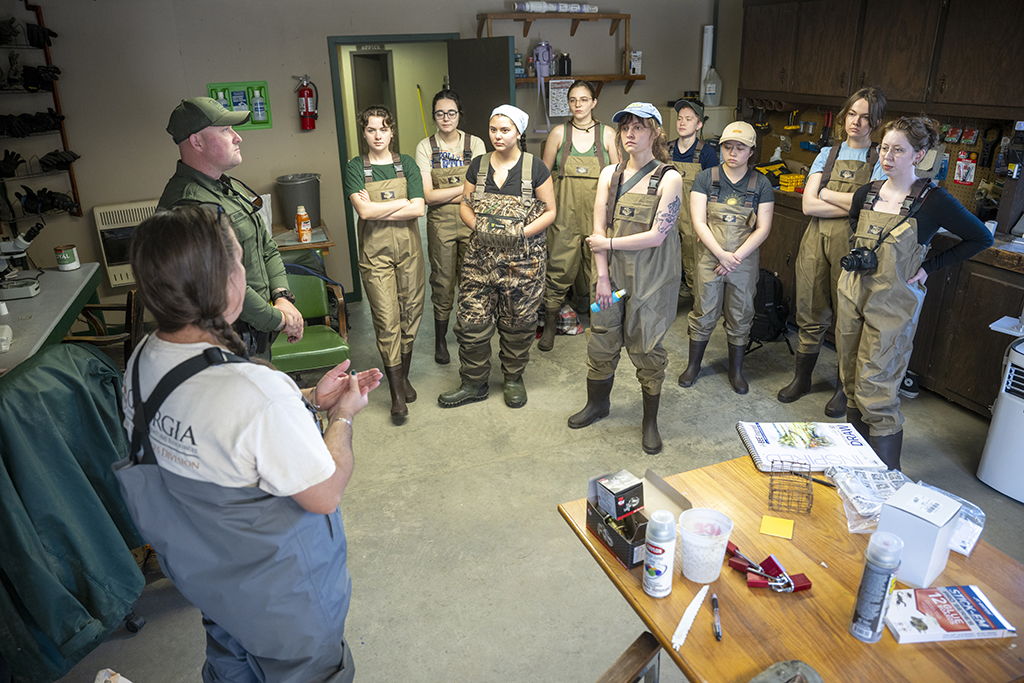
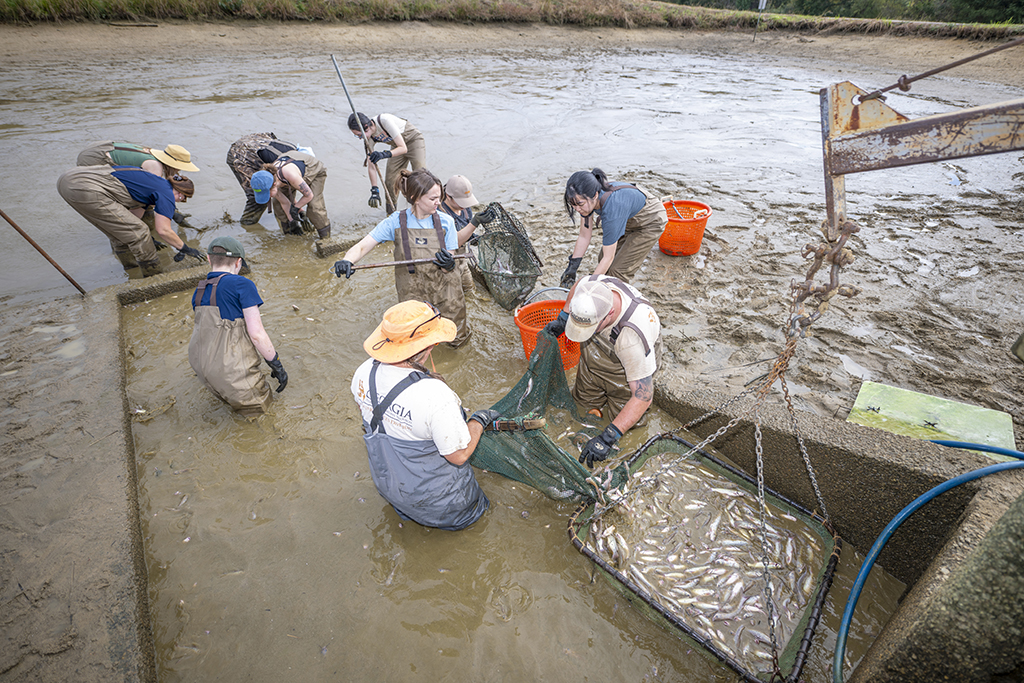
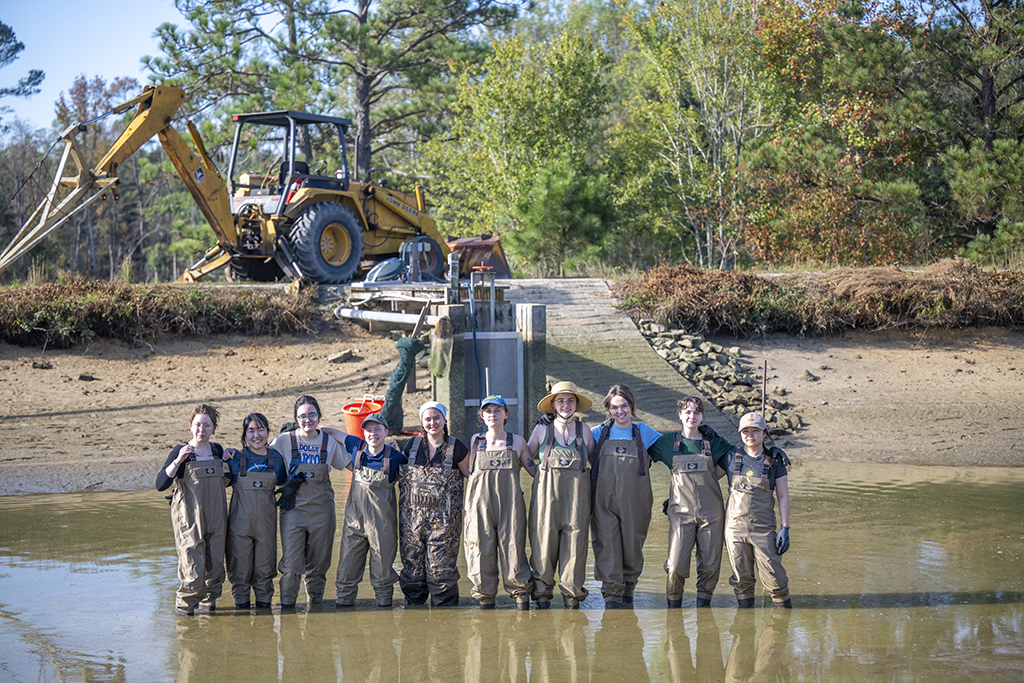
“I think as a team we can come up with something great. Not only will it help me with my education programs and further develop the youth and getting people outdoors, but it will also help them understand the inside of nature,” Bohannon said. “They got to see what we do as an agency, with Wildlife Resource Division and Law Enforcement Division. It comes full circle. We’re all working together for the same goal.”
Bohannon talked with a student who focused on largemouth bass and discussed why it was a great topic because of the proximity to Clarks Hill Lake, which covers nearly 80,000 acres. The lake brings in professional fishermen and college bass tournaments and has youth programs.
“Not everyone is an outdoors person, so there’s going to be misconceptions,” he said. “It’s exciting to know people are going to get a high level of education, but, in a very simplistic way of having an illustrator in front of them, part A affects part B, C and D all throughout the system. I think anything you can bring to people, whether they’re outdoorsmen or not, may catch their interest.”
“Not only will it help me with my education programs and further develop the youth and getting people outdoors, but it will also help them understand the inside of nature. … We’re all working together for the same goal.”
Cory Bohannon, game warden with the Georgia DNR Law Enforcement Division
Chalisa Fabillar is a 2010 graduate of one of AU’s legacy institutions, Augusta State University. When she took the role of area manager for McDuffie Public Fishing Area and Hatchery with Georgia DNR, one of her goals was to strengthen their ties with the community.
She had experiences in school that were impactful on her when she was in college and helped steer her career path.
“The research opportunities that we have out here for students and for professors are kind of limitless,” Fabillar said. “At Georgia DNR, we have many topics that we’ve explored, but we don’t have the resources to put toward them because of the workload that we have. With this particular collaboration with the medical illustration students and what they’re going to be doing, they’re seeing a project start to finish and what it looks like.”
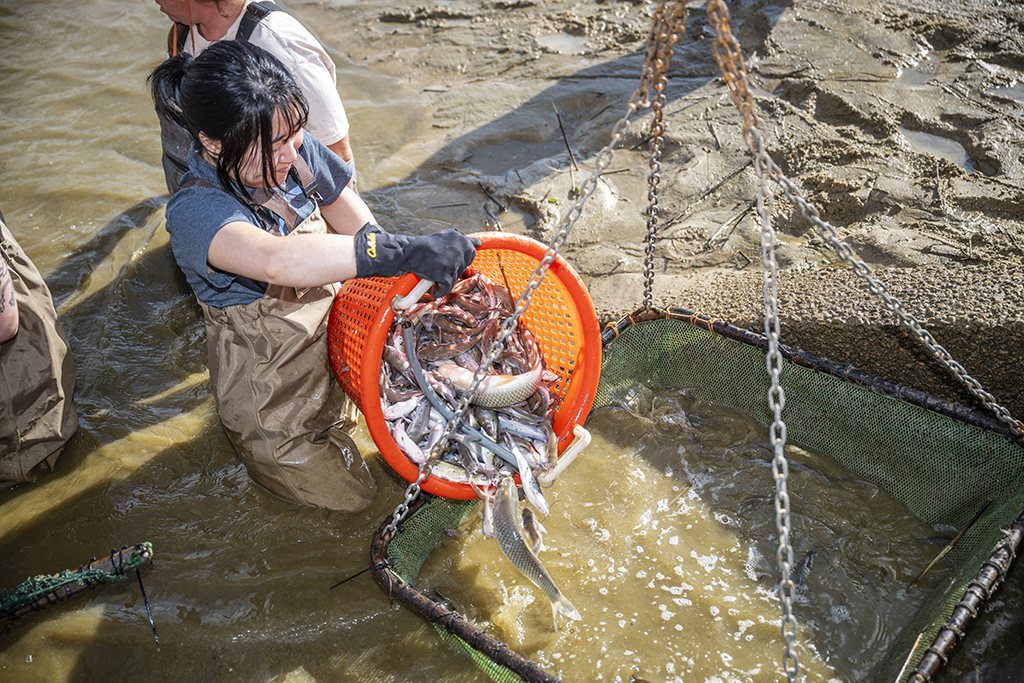
Root-Thompson, who joined AU in August, has been a self-employed medical illustrator since 2014 and an adjunct instructor of medical illustration and natural science illustration. Her years of experience and love of the outdoors made the first meeting with DNR extra special, where they provided the students with moving fish from a pond to a hatchery so they could monitor them.
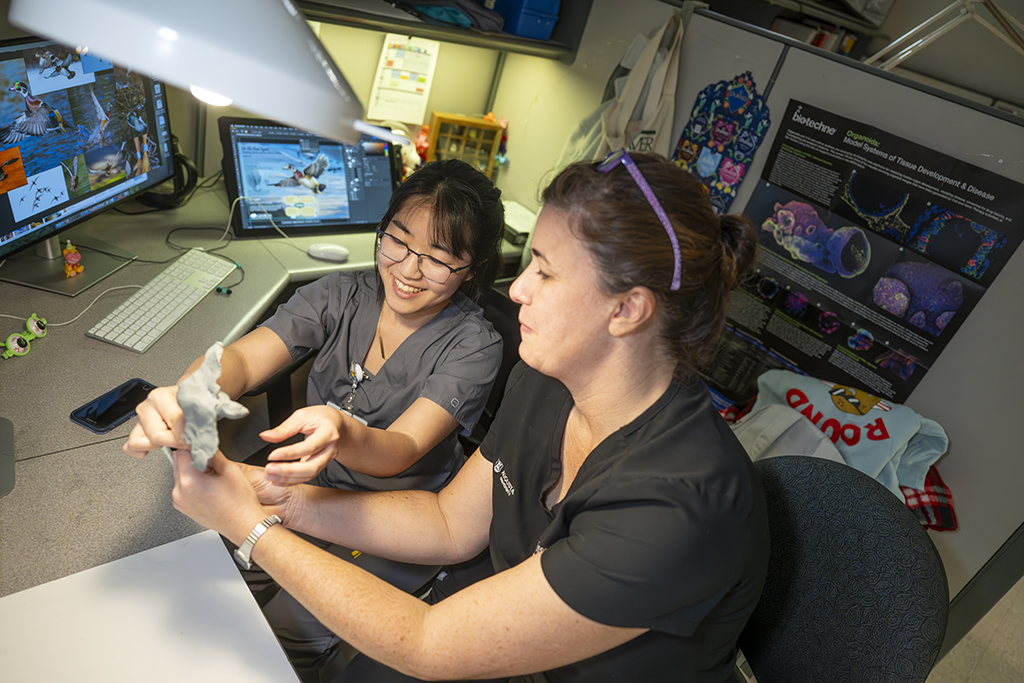
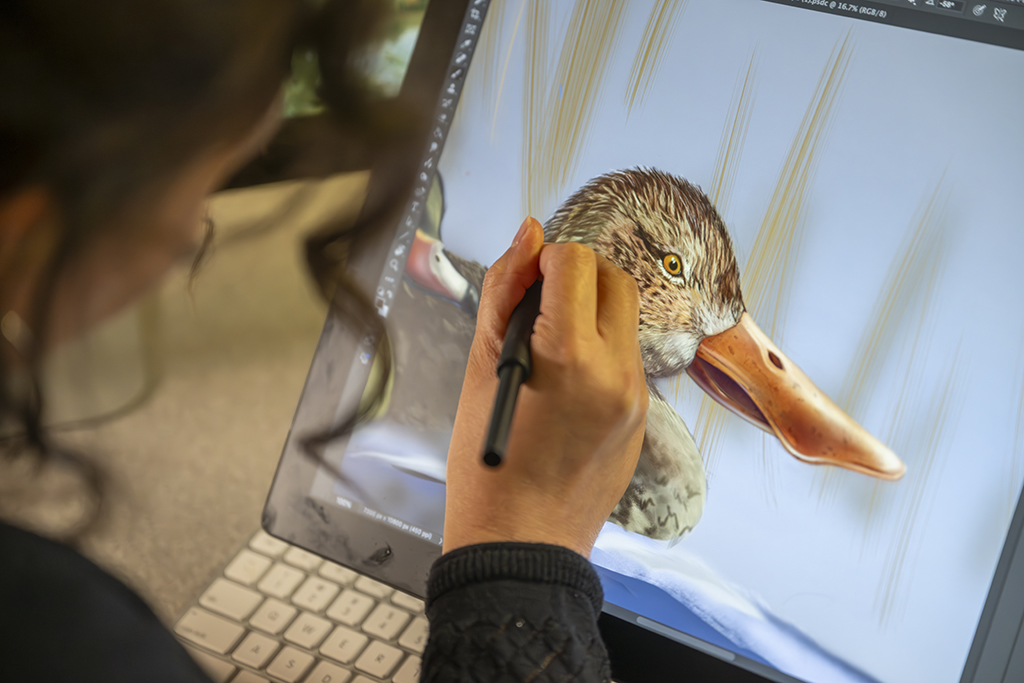
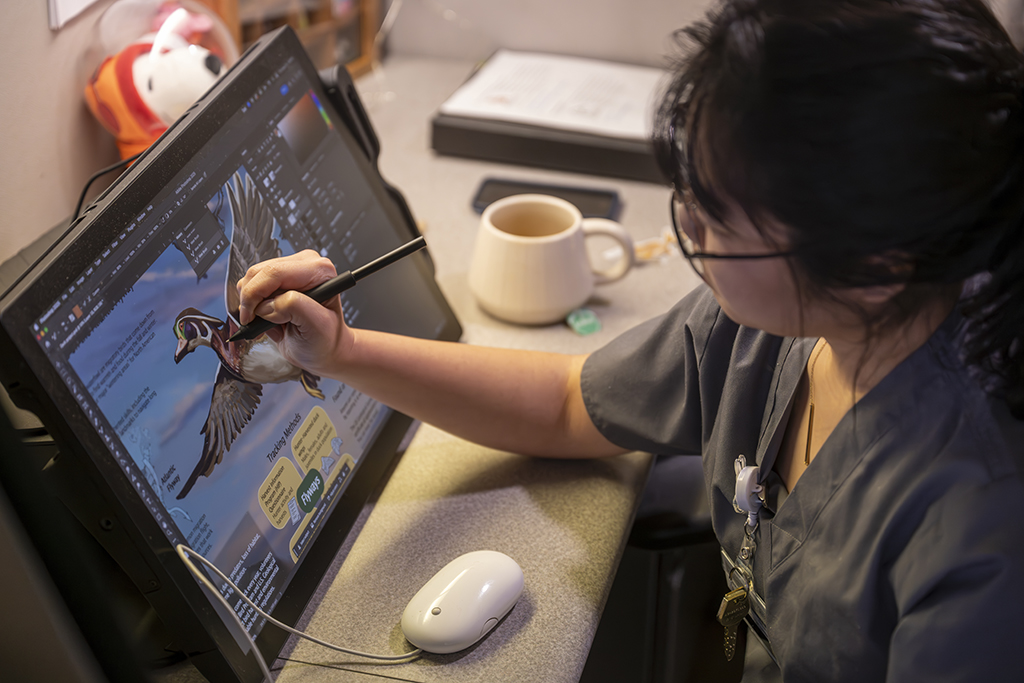
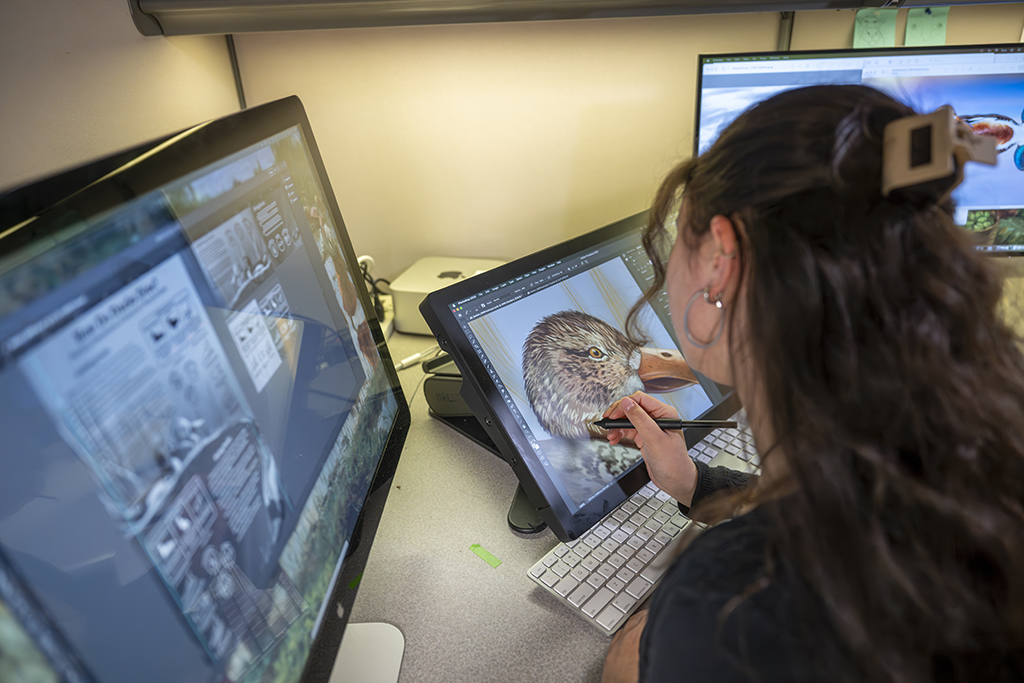
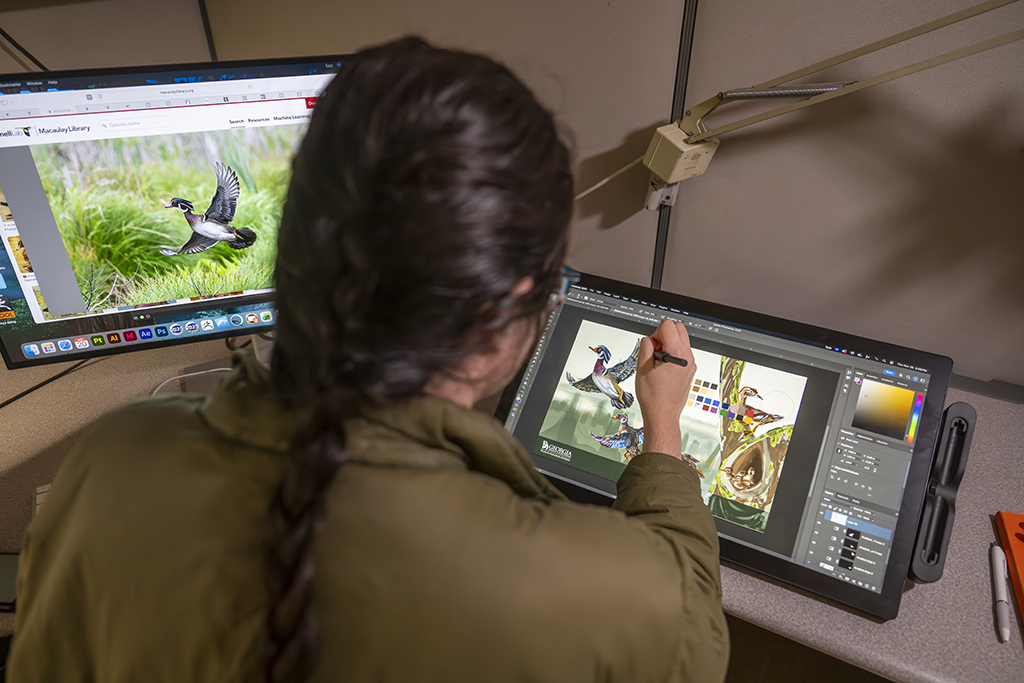
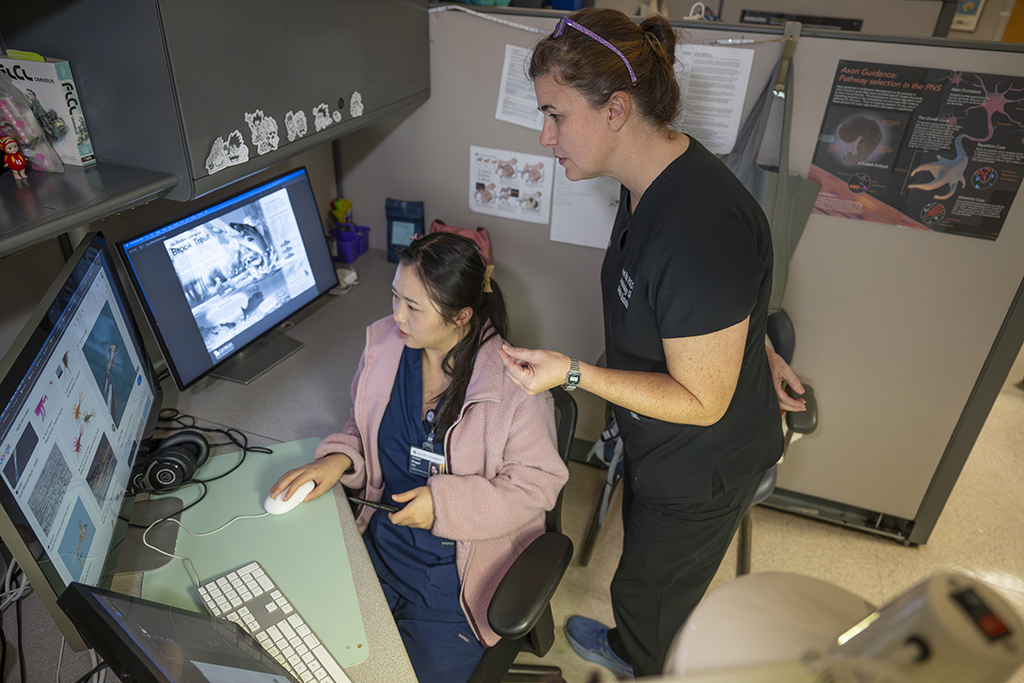
That experience, according to Root-Thompson, was crucial for the students in their development of ideas and then troubleshooting obstacles in real time.
“I think, from my perspective, I love the idea that it gets them out in the field doing research, and I hope that in the future it teaches them that instead of just going to anatomy atlases, books and internet for resources, that they learn that they can go out in the field and find and talk with the experts, learn and experiment with it themselves,” she said.
Bohannon joined the students during their four collaboration meetings to discuss the concept drawings and provide them with immediate feedback. The students said they are grateful for his participation and for providing not only a client perspective but also an outside point of view. The students also said the meetings have been collaborative, valuable, exciting, and each of them has grown from the insight.
“Having this experience outside of law enforcement and a lot of what we do is conservation through education, just being able to experience this kind of collaboration has been a fantastic opportunity,” Bohannon said. “Not only have I learned things, but it seems the medical illustration class has been able to learn as well.
“I didn’t know what I was getting into when I got the call to be a part of this, and from day one it’s been an eye opener,” he continued. “It’s been such a pleasure seeing the students heavily involved and focused the entire time. I always joke with them, asking them if there is anybody in the class who’s not interested in this? Every one of them has had positive feedback. I think it’s been kind of a change of pace and learning opportunity for them, and, as a Georgia game warden, it’s an honor to help provide an experience that bridges wildlife conservation, law enforcement and the art of scientific illustration.”
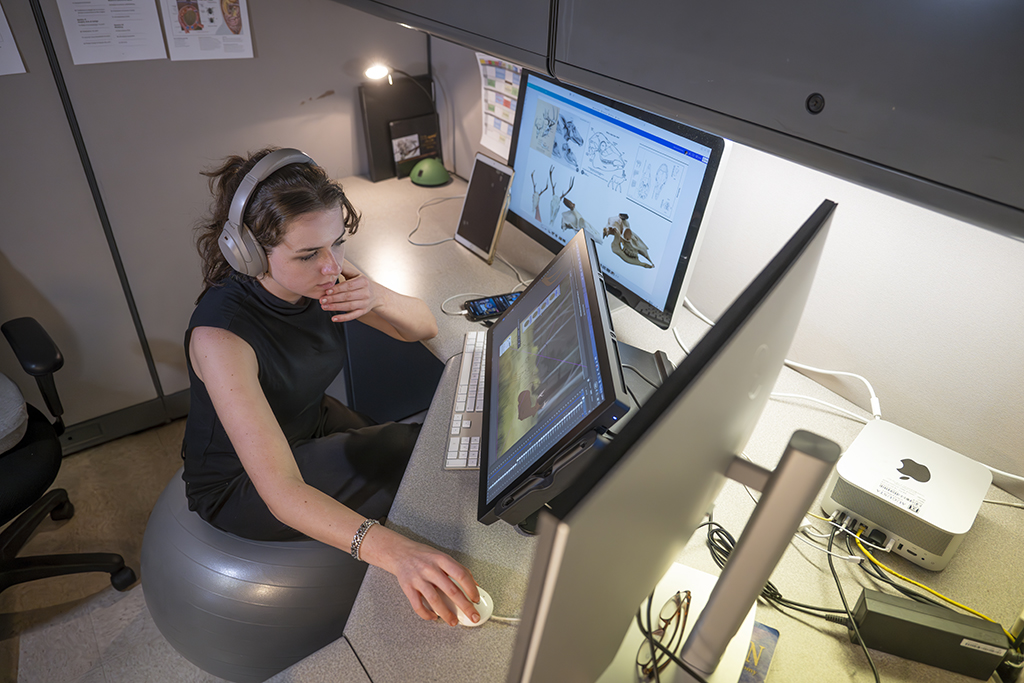
Lily Jordan is a first-year medical illustration student at AU. For this collaboration, she focused on deer antler growth. When she came to Augusta, she didn’t know of the opportunities that awaited her nor how beneficial an experience like this would be not only for her but her classmates.
“I am really glad to have the opportunity to come out here and do something out in nature and get a little bit more experience with the natural side of it versus like the medical side of it,” Jordan said. “Getting an understanding of the practical applications of medical and scientific illustration is important. Also getting to talk to your audience and knowing how to make something for them and serve their purpose as best. Coming out here and getting to talk to the people who are hands-on with these fish and some of our other subjects, I think is valuable insight into the process and gives us a clear starting point of where we need to go.”

 Chris Curry
 Jamison Guice
 Hannah Litteer