 Augusta University
 Milledge Austin
Treating individuals with substance use disorders requires more than addressing the physical effects of addiction. It demands a holistic, person‑centered approach that recognizes the psychiatric, social and environmental factors that shape each individual’s recovery journey. For physicians, that means developing the skill to treat not just a condition, but the whole person.
That philosophy is at the heart of the Addiction Medicine Fellowship program at the Medical College of Georgia at Augusta University. Now in its sixth year, the program has secured renewed federal support in the form of a $2.2 million grant from the Health Resources and Services Administration, or HRSA.
An initial $2.6 million grant from HRSA enabled MCG’s Department of Psychiatry and Health Behavior to start a fellowship in 2019. At that time, MCG was one of only 10 recipients of the grant, which was given in response to a significant shortage of trained addiction medicine specialists in the state. Many communities in Georgia, especially in the CSRA, have been severely impacted by opioid and methamphetamine use, as well as other substance-related issues.
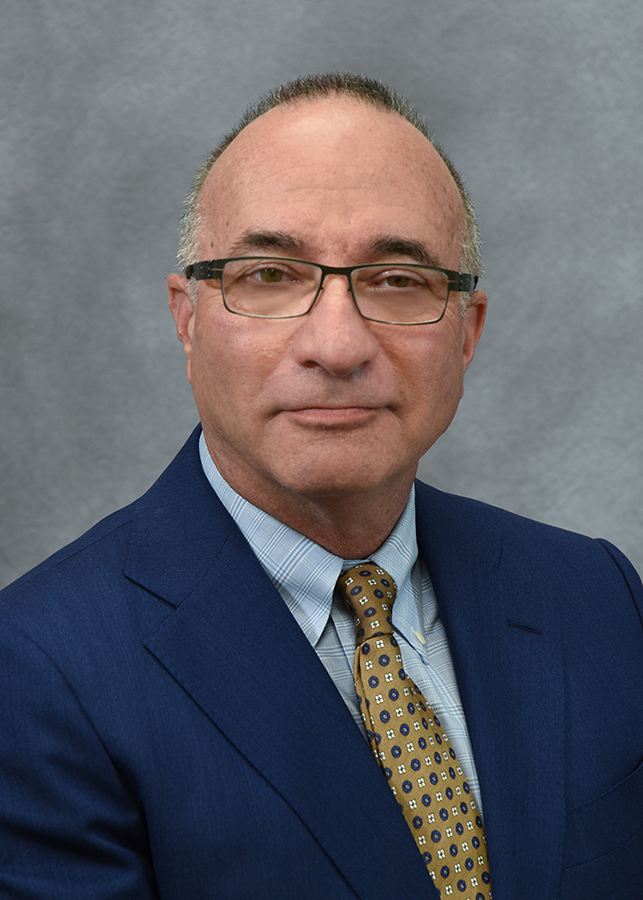
“We needed a fellowship that could appeal to more physicians, not just psychiatrists, because we couldn’t meet the demands,” said Marshall Bedder, MD, the past founding director of the Addiction Medicine Fellowship Program and current associate professor and faculty lead for Community Relations for Addiction Medicine in the Department of Psychiatry and Health Behavior. “The need was obviously great here. We are an at-risk region, especially back then, but even more due to limited professionals doing addiction care.”
Under Bedder’s leadership, the fellowship steadily grew, evolving from a new program that struggled at times to fill the four fellows positions into a fully enrolled, multidisciplinary training hub for four fellows each year. Recently, with the support of Augusta University’s School of Public Health, the fellowship secured the additional HRSA funding, ensuring another five years of operation and enabling the expansion to five fellows beginning in July 2026.
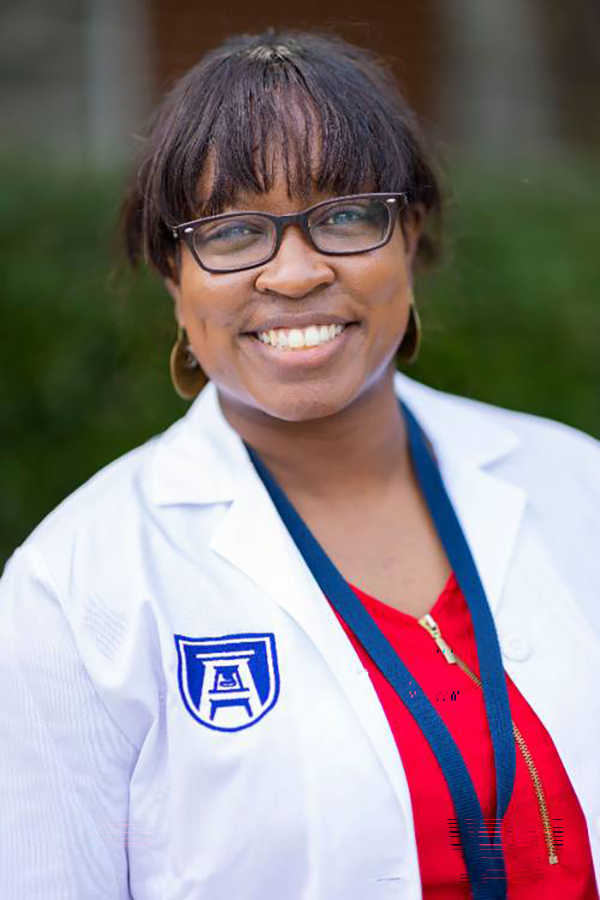
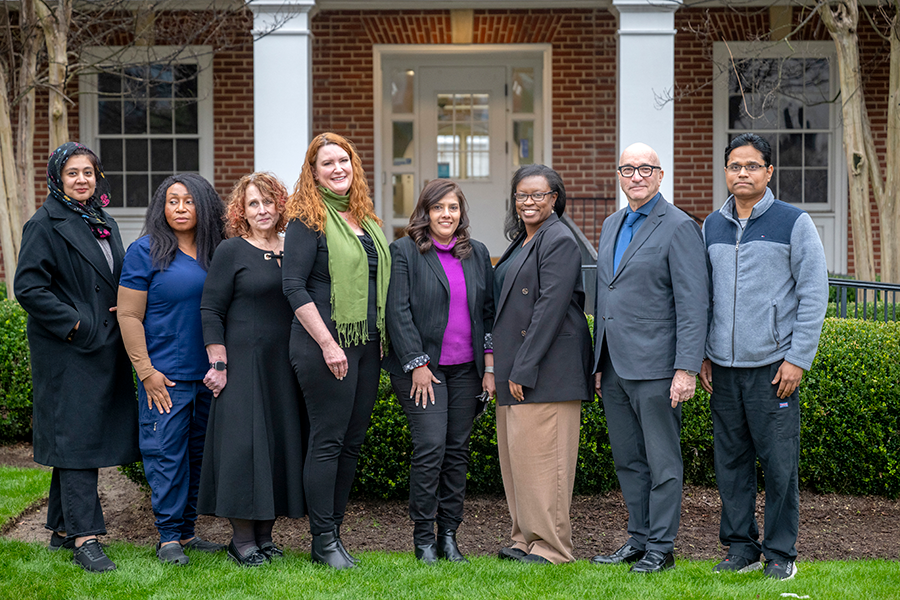
Today, the program is directed by Jasmine E. Shell, MD, an alumna of the 2021–22 fellowship class who brings firsthand experience and a strong commitment to the program’s mission. She leads a team of faculty whose backgrounds span psychiatry, family medicine, internal medicine, public health and behavioral health sciences; a structure that reflects the program’s belief that addiction care must be deeply interdisciplinary.
“With this new grant, we are expanding our fellowship from four to five fellows, which will expand our availability to help the population served by MCG, including the Charlie Norwood Veterans Affairs Medical Center and the greater CSRA community,” Shell said. “The fellows don’t get pigeonholed into one area. They see many different stages, severities and populations affected by substance use.”
The current class includes Ozoemena Akah, MD; Maham Khalid, MD; Harry Musson, MD; and Kalyancharkravarthy Saginala, MD, each of whom brings unique training and international experience to the program.
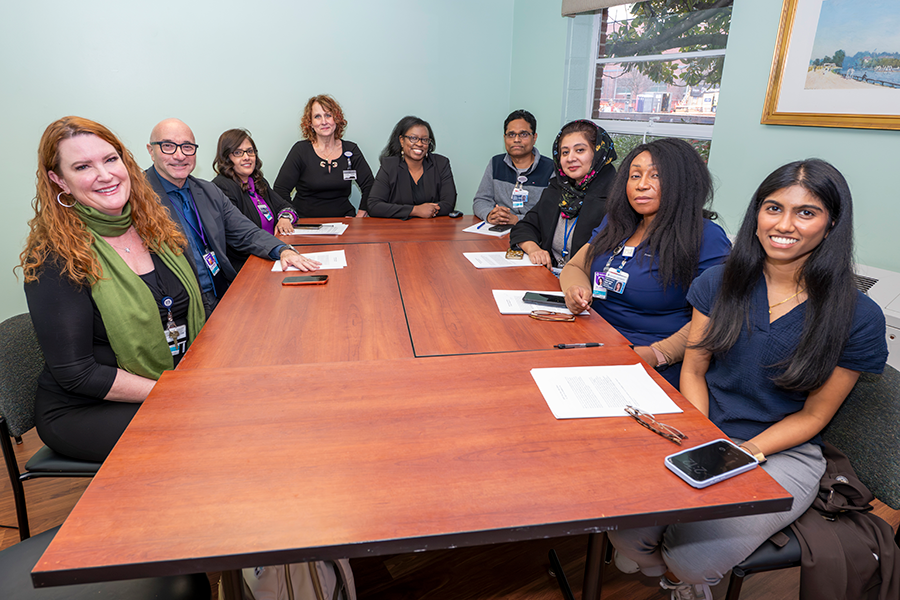
“I joined the fellowship program to deepen my knowledge and skills in treating substance use disorders, with the goal of providing holistic, patient-centered care through the integration of internal medicine and addiction medicine,” said Saginala, who completed his medical education at Sri B. M. Patil Medical College in Karnataka, India, before coming to the United States where he completed a combined internal medicine and pediatrics residency at Hurley Medical Center in Flint, Michigan. He later practiced as an internist in Clovis, New Mexico, where caring for patients with complex pain and substance use disorders inspired him to advance his expertise in addiction medicine.
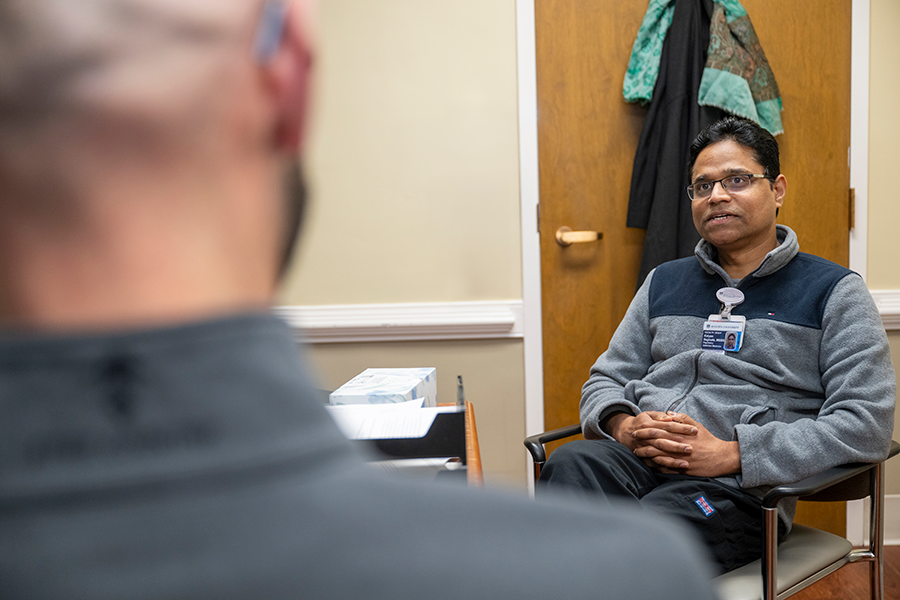
Central to the fellowship’s success is its one‑year curriculum accredited through the Accreditation Council for Graduate Medical Education. The program immerses physicians in the full continuum of addiction care. Fellows rotate through hospital-based consult services at Wellstar MCG Health, the VA’s Substance Use Recovery Center, Hope House’s women‑and‑children recovery program, Serenity Behavioral Health Systems and multiple community‑based treatment settings.
While on these rotations, the fellows gain experience in withdrawal management, residential treatment, intensive outpatient programs and longitudinal outpatient care, as well as hands-on exposure to motivational interviewing, medication-assisted treatment and 12‑step recovery models. Weekly didactics complement this clinical training, with contributions from addiction medicine experts including Paul Seale, MD, and other members of the program’s faculty.
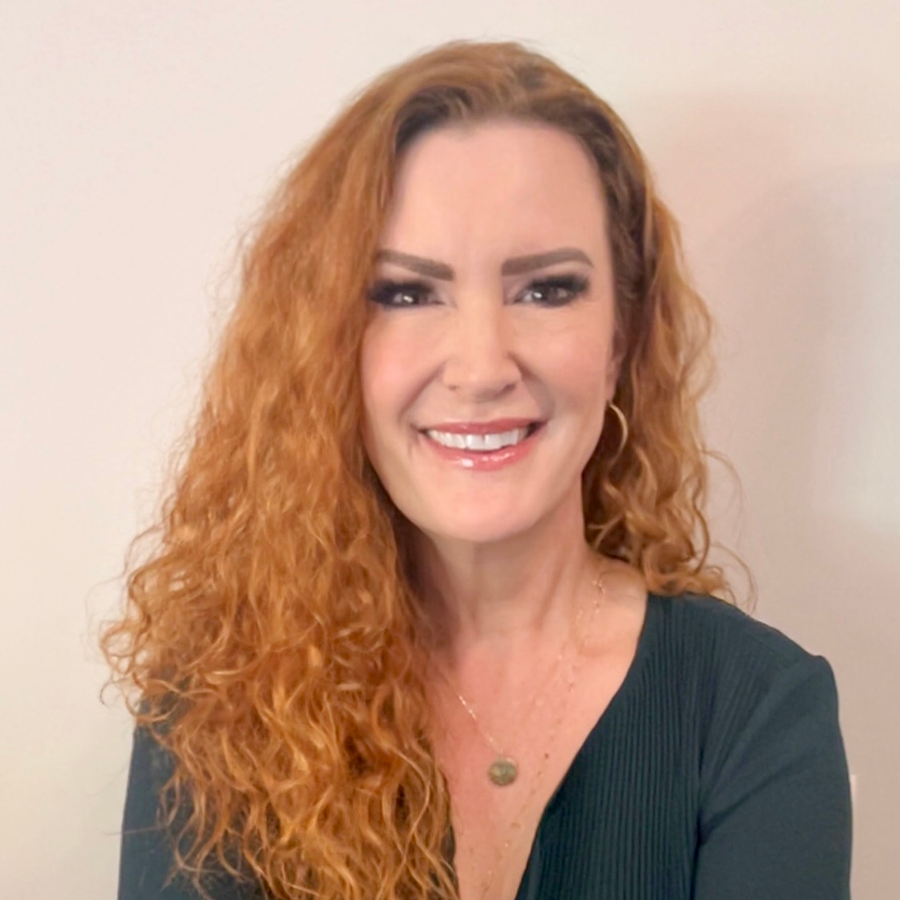
“We have OB/GYN, internal medicine, family medicine; that diversity is unique to addiction medicine and this program integrates it exceptionally well. Part of our mission is to spread the education, to help other specialties continue treatment once patients are stable,” said Monica Radford, MD, assistant professor in the departments of Psychiatry and Health Behavior and Family and Community Medicine.
Education is a top priority for the fellowship, and faculty stress that training addiction specialists is just the beginning. Many fellows go back to working in areas like primary care, psychiatry, internal medicine and OB/GYN, where they use their knowledge to provide evidence-based addiction treatment to their patients. This approach helps make the whole health care system stronger and allows more patients to get care from doctors they know and trust. The fellowship is already making a difference, with about 65% of graduates staying in Georgia to help fill the state’s need for addiction medicine providers.
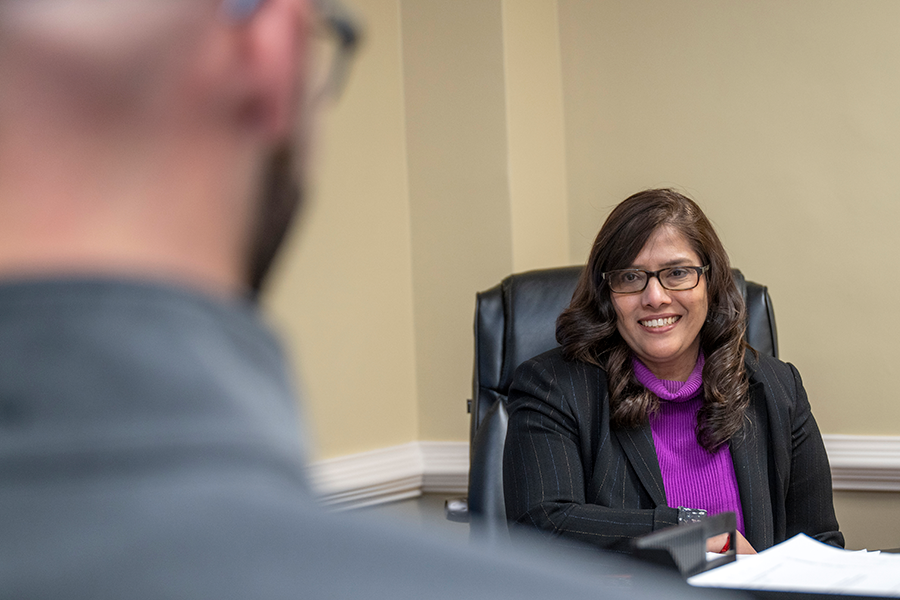
Shell isn’t the only former fellow to stay not just in Georgia, but at Augusta University. Meenakumari Manoharan, MD, was a member of the same 2021-22 fellows class as Shell. Along with helping educate medical students, residents and fellows, as an assistant professor in the Addiction Medicine Fellowship program, her role includes clinical care, quality improvement projects, program development and community outreach initiatives.
When she applied for the program, Manoharan saw an opportunity to be a part of a comprehensive training model that offers strong mentorship with an emphasis on treating substance use disorders across diverse clinical and community settings.
“The fellowship significantly strengthened my clinical confidence and competence in addiction medicine,” she said. “It provided robust exposure to both inpatient and outpatient care, interdisciplinary collaboration and leadership opportunities. The mentorship and structured training prepared me well for an academic and clinical career in addiction medicine.”
On top of how it aligned with her professional goals, she then chose to stay in Georgia because of the strong institutional support for addiction medicine and the opportunity to continue serving communities with significant unmet needs. That was amplified at AU.
“The collaborative environment at Augusta University and the ability to remain connected to the fellowship program were also important factors in my decision,” Manoharan said.
With the new HRSA support, training opportunities will expand to include partnerships with methadone treatment programs, mobile outreach and street medicine initiatives, telehealth court services and enhanced emergency department involvement. These additions expose fellows to patients facing a wide range of challenges, including homelessness, pregnancy, chronic infectious disease, co-occurring psychiatric conditions and limited access to care.
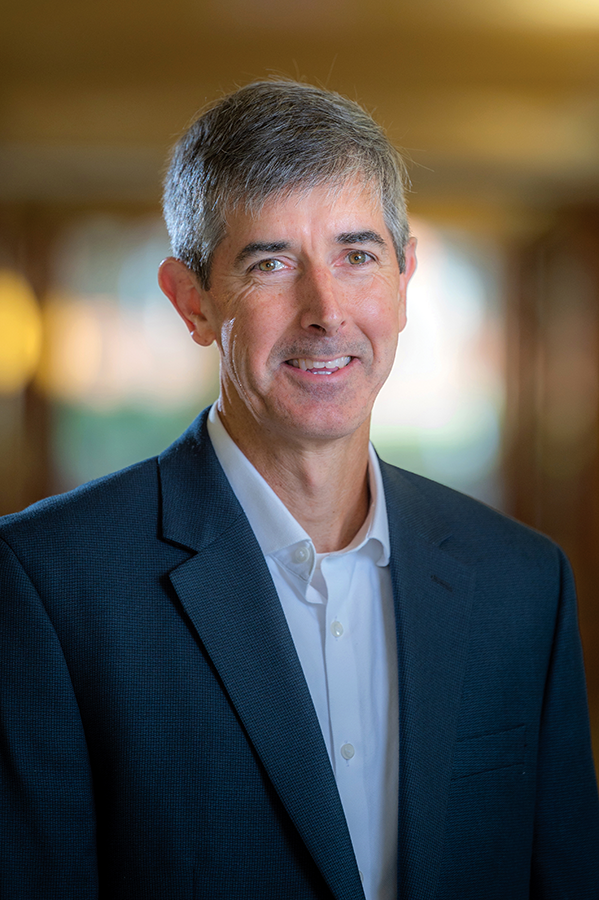
Beyond his work in helping to write the grant securing the fellowship’s HRSA renewal, Aaron Johnson, PhD, associate dean for Research and Community Engagement in AU’s School of Public Health, has played a significant role in advancing substance use disorder research and recovery support across Georgia. He is a co‑investigator on a research team that received nearly $530,000 from the Foundation for Opioid Response Efforts to support a two‑year project led by the Center for Addiction Recovery at Georgia Southern University, Georgia Recovery‑Ready Workplace Initiative, or GROW. The initiative aims to create more employment opportunities for people in recovery while equipping Georgia employers to cultivate supportive, recovery‑ready workplaces that promote long‑term stability and reduce relapse risk.
Johnson’s efforts reflect Augusta University’s broader commitment to addressing addiction not only as a medical issue but also as a public health and economic challenge. Faculty across the university have worked extensively with individuals in recovery, including through a recent School of Public Health initiative that helped participants launch small businesses through mentorship and training.
“What makes this fellowship unique is that it’s a one-year program that can accept physicians at different stages of training – some after residency and others before they move into a residency – and it gives fellows exposure to multiple sides of addiction medicine, including veterans, community-based treatment, women-only recovery programs and hospital-based care,” Johnson said.
Program leaders say that while the fellowship has made remarkable progress since its launch, the work ahead remains substantial. The prevalence of opioid use in Georgia ranks 23rd nationally according to the 2025 edition of the School of Public Health’s annual “Our State of Public Health: Health Georgia” report, and methamphetamine use remains a persistent challenge.
With continued HRSA support, growing clinical partnerships and leadership grounded in both experience and innovation, the Addiction Medicine Fellowship at Augusta University is positioned to make a lasting difference in the state’s response to substance use disorders. The next five years promise not only continued growth, but a deepening commitment to meeting patients where they are and building healthier communities across Georgia.


 Bakija Parks
 Paige Tucker
 Chris Curry