 Augusta University
 Britney Pooser
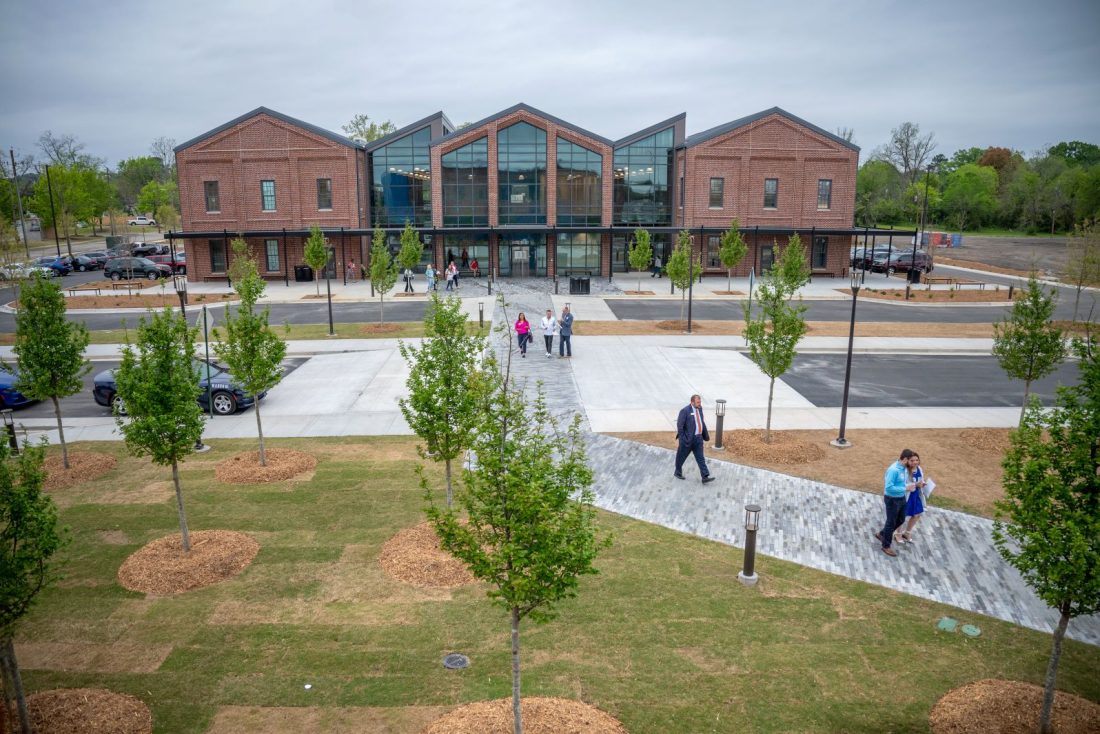
A program created through a partnership between the HUB for Community Innovation Augusta and the Medical College of Georgia at Augusta University has won a national competition to identify new and promising strategies that leverage community engagement to build trust within communities that experience health disparities.
An expert panel selected the HUB and MCG’s program called Community Outreach through Athletics in Colleges and High Schools (COACHS) as a winner of the National Institutes of Health Build UP Trust Challenge. The competition selected five winners across the nation that are focused on strengthening trust, engagement and equitable partnerships between communities and research and health care institutions.
The HUB for Community Innovation received the $200,000 award in acknowledgement of its work on a program that serves high school students and their families to help meet their physical and social needs.
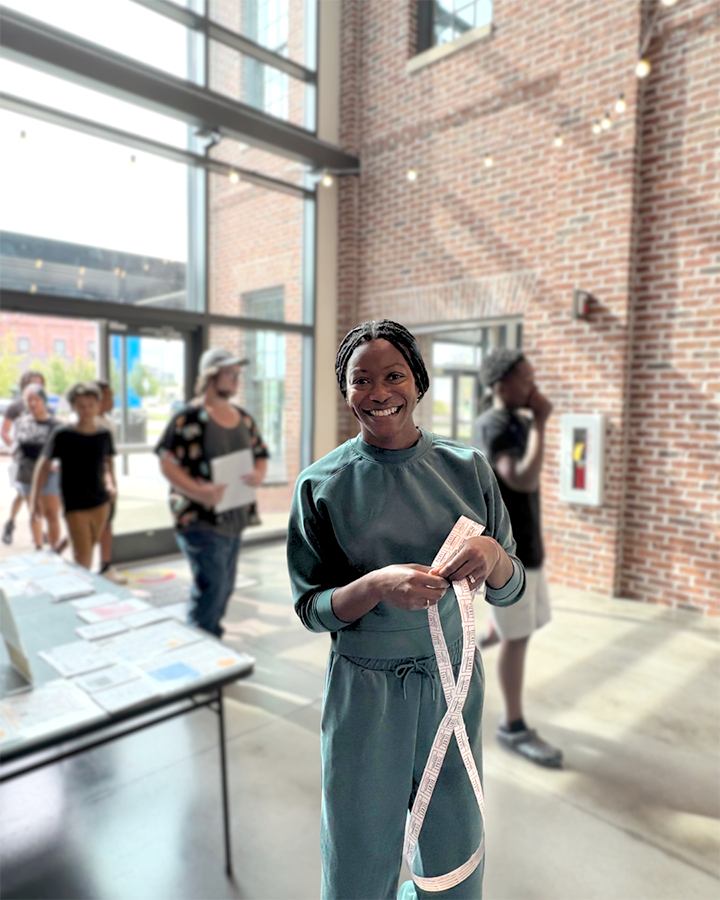
“The HUB was created to meet the needs of Harrisburg and Laney Walker communities with the goal of ensuring the community’s voice is not an afterthought, but a driving force,” said Britney Pooser, president and CEO of the HUB Augusta Collaborative. “We bring together community partners to facilitate the holistic care of the people in our communities. This national recognition affirms the strength of our collaboration with Augusta University and our shared commitment to research that is grounded in trust, accountability and lived experience.”
This honor reinforces Augusta’s growing presence on the national stage as a leader in community-engaged research and innovation. The NIH Build UP Challenge honored innovative, community-driven approaches that elevate trustworthiness in research, particularly among historically underrepresented and underserved populations. The NIH Build UP Trust Challenge is part of a broader effort to reimagine how research institutions and communities work together to advance health equity, improve outcomes and ensure research reflects the lived experiences of the populations it serves.
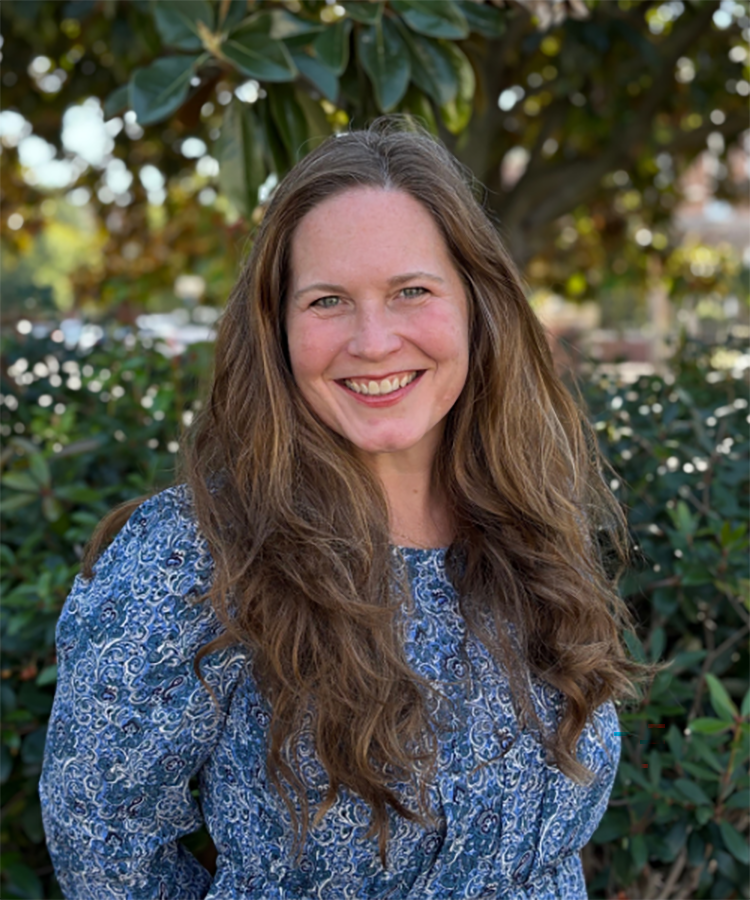
“This award is proof that NIH values community-led partnerships and recognizes our partnership between the HUB for Community Innovation and the Medical College of Georgia as a national exemplar,” said Christy Ledford, PhD, professor and vice chair of Research in MCG’s Department of Family and Community Medicine.
Community Outreach through Athletics in Colleges and High Schools expanded a program established by Monte Hunter, MD, chair of the Department of Orthopaedic Surgery at MCG. The initial program placed athletic trainers in local high schools to increase access to health care for students in underserved areas. COACHS extended the reach of the athletic training program by strengthening communication between the clinical and school systems as well as extending connections to community services. The program was designed to improve community health through the increased reach of health care services, upgrade the coordination of community services and strengthen reciprocal trust between the community and partnering organizations.
During the competition year, athletic trainers provided health care in 598 at-school student encounters, as well as health care to school staff and parents. The program also completed 283 preparticipation physical examinations. By Fall 2025, Community Outreach through Athletics in Colleges and High Schools increased the number of embedded athletic trainers in high schools from three to eight.
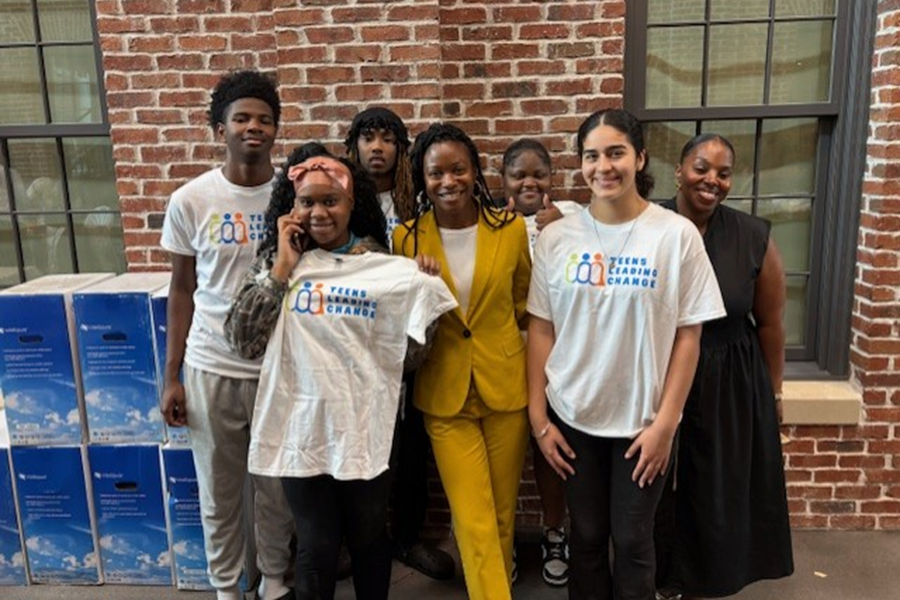
A key part of the program was the Teen Leadership Council, a model of community engagement with teenagers. The HUB for Community Innovation convened a group of 12 high school students, representing eight schools from Richmond and McDuffie counties with two local teachers serving as leaders and two medical students acting as near-peer mentors. Together, the council participated in activities such as a community panel on leadership and an emergency cooking skills class.
The teens also directly impacted community health, working at the preparticipation physical events as well as disaster response activities. They helped distribute food and supplies to 10,000 families in the immediate aftermath of Hurricane Helene. They also helped distribute 300 air purifiers to families because of the substantial decrease in the city’s tree canopy that directly worsened the air quality in Augusta.
“Being a part of the Teens Leading Change with the HUB was a great experience; it helped me build confidence, speak more and actually feel like I can make a difference in my community,” said Xzavier Neal, a high school senior participating in Teens Leading Change.
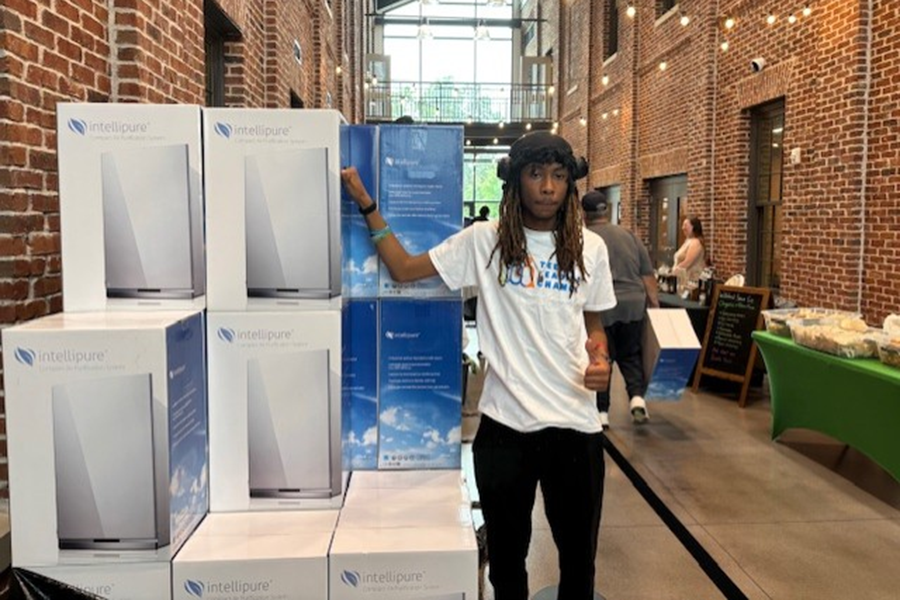
The NIH award particularly recognizes the importance of community engagement in research. Pooser noted the COACHS program was developed out of her community engagement work with Ledford.
“Our COACHS program is a model for meaningful community-led work. Partnering with Britney Pooser and the HUB maintains our focus on what the community needs,” Ledford said. “When Hurricane Helene hit in the middle of this project, it was our consistent collaboration that showed us how to adjust and respond to the immediate needs of our neighbors throughout Harrisburg and Laney Walker.”
In partnership with the HUB for Community Innovation, Ledford leads the Co-Research Activation Network, or CRANE, a network of groups of Augusta residents who regularly meet to identify health needs in the community and work toward solutions. These groups had previously identified health care access as a top-three need in Augusta. They had also described the need for support for Augusta teens. COACHS directly addressed both of those community-identified needs.
Pooser plans to reinvest the prize money for the program to extend its reach to more local students and their families. The prize adds to the HUB for Community Innovation’s proven track record of mobilizing collaborative responses to community-identified needs, including health access, literacy, economic mobility and crisis response. Its selection as a winner underscores the national relevance of its community-centered approach and its capacity to translate trust into measurable impact.
“The HUB exists to serve as a convener and connector, ensuring community members are not just participants but partners in shaping solutions that impact their lives,” Pooser said.


 Hannah Litteer
 Miguelangelo Hernandez
 Nina Siso
 Chris Curry