Augusta University
 Chris Curry
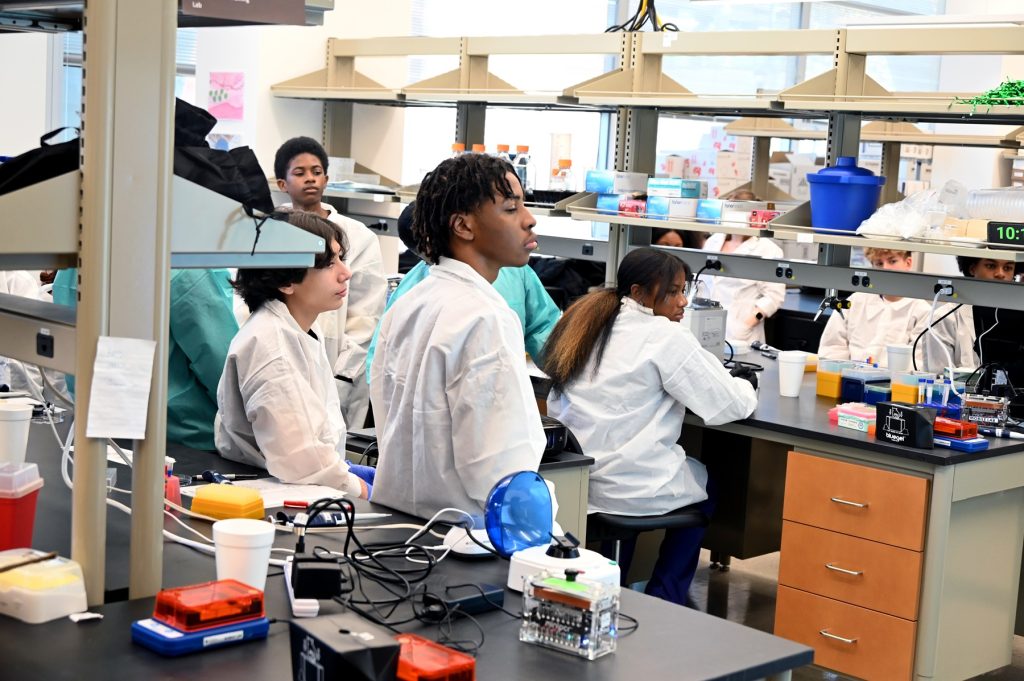
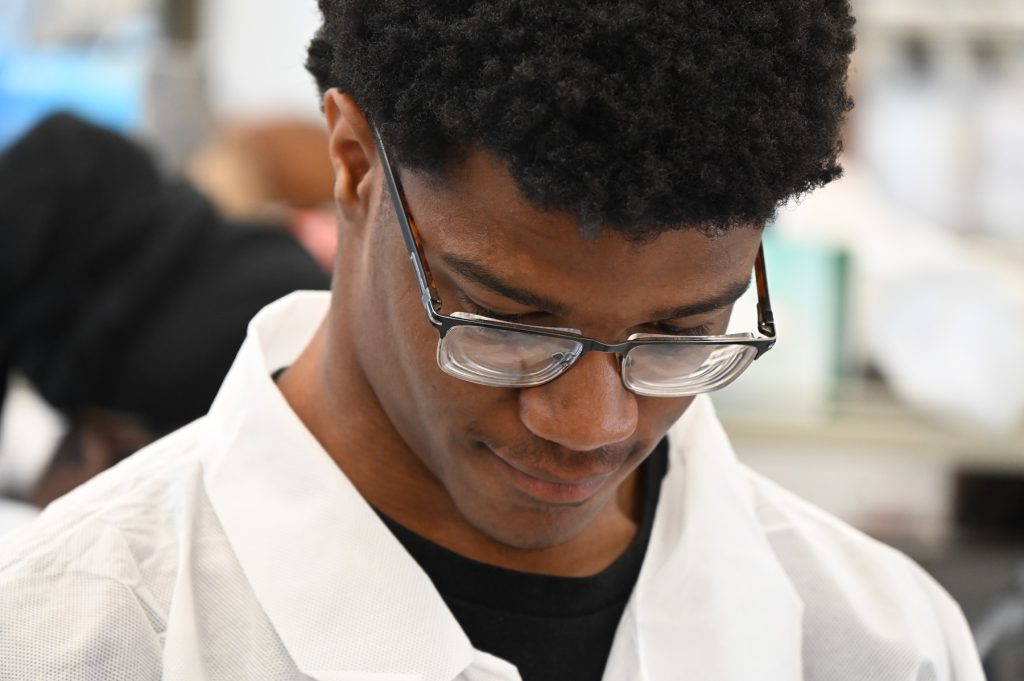
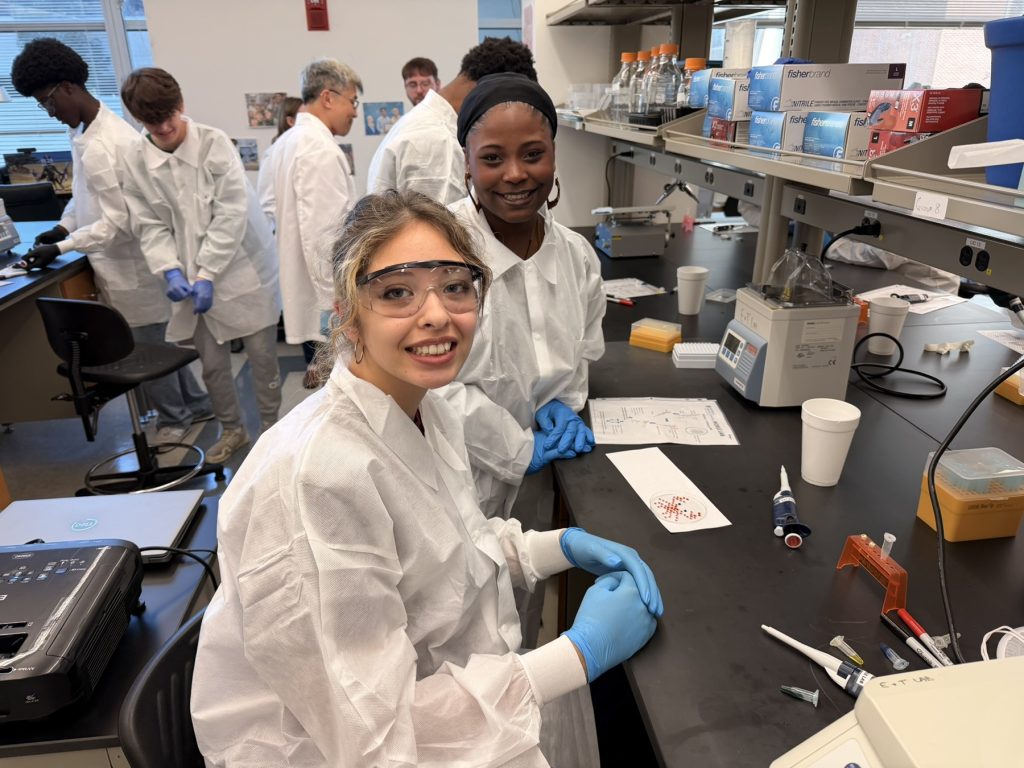
On certain mornings last fall, the hum of laboratory equipment mixed with the chatter of high school students as they filed into the M. Bert Storey Research Building of Augusta University’s Georgia Cancer Center. Clad in safety goggles and lab coats, the students – some aspiring scientists, others simply curious – were about to step into a world that for many exists only in textbooks.
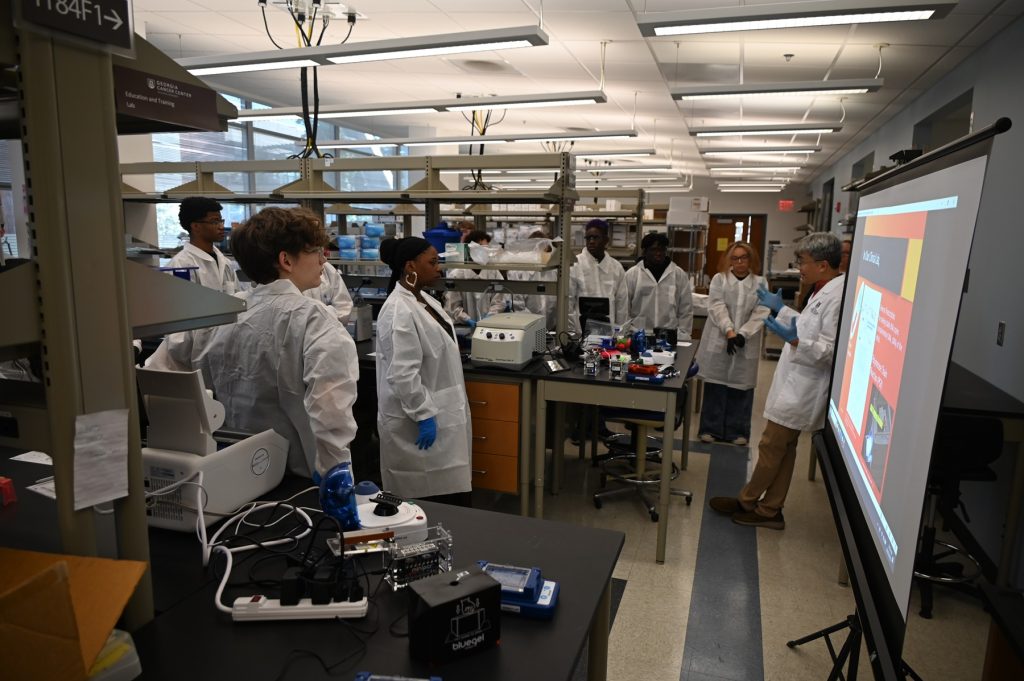
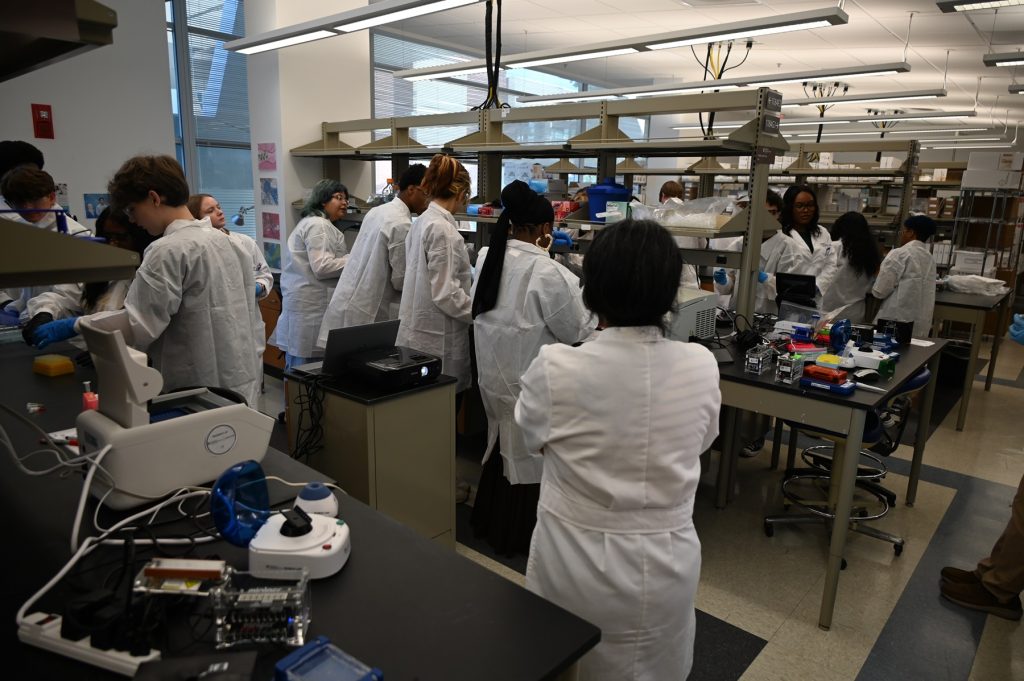
Over several weeks near the end of 2025, students from three area high schools spent part of their school day immersed in hands-on cancer research training in the Georgia Cancer Center Education and Training Lab thanks to a growing partnership between GCC and local school districts. These Scientists for a Day programs – orchestrated by Lisa Middleton, PhD, Rhea-Beth Markowitz, PhD, and Kenza Mamouni, PhD, with the Cancer Center’s Education and Training office – are part of a broader effort to kindle interest in biomedical careers and give young learners authentic exposure to the techniques scientists rely on to study and fight cancer.
Experiencing laboratory techniques up close
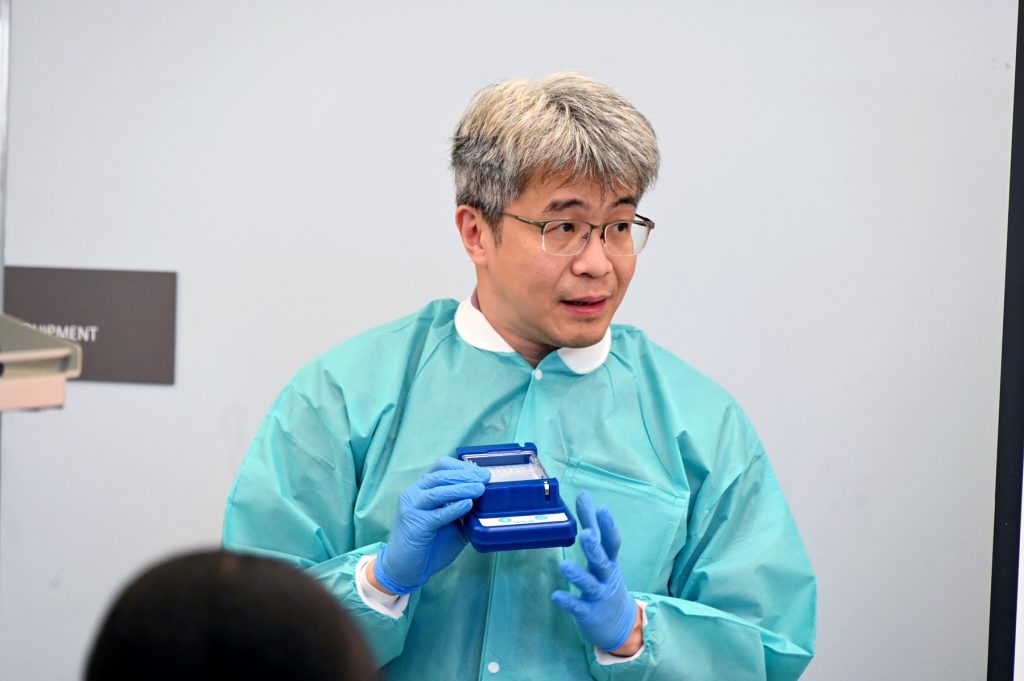
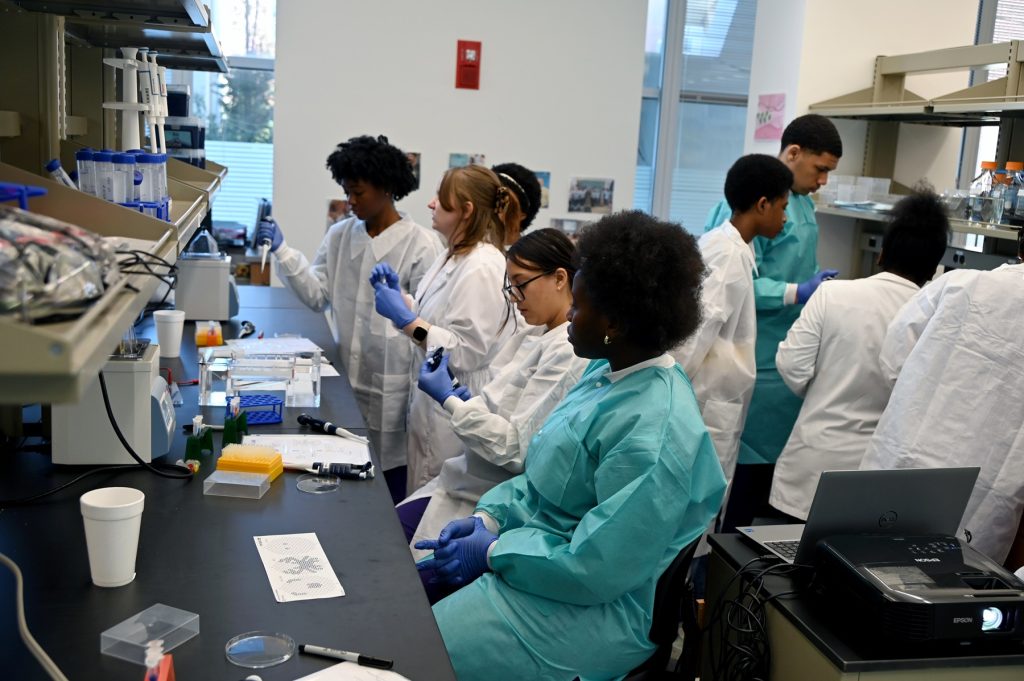
On Nov. 13 and Dec. 9, students from A.R. Johnson Health Science and Engineering Magnet School arrived at the Cancer Center eager to learn how molecular biologists unravel the mysteries of DNA. Led by Yuen-Keng “Fish” Ng, PhD, the students learned about polymerase chain reaction, or PCR, a foundational method used to amplify genetic material.
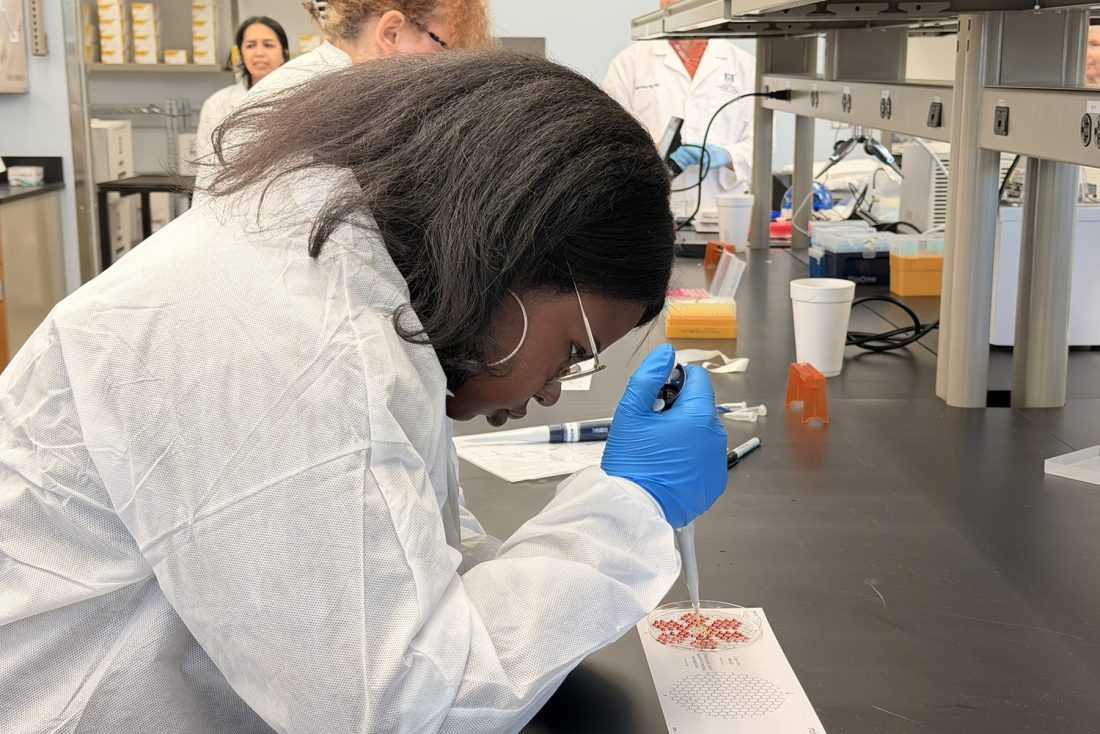
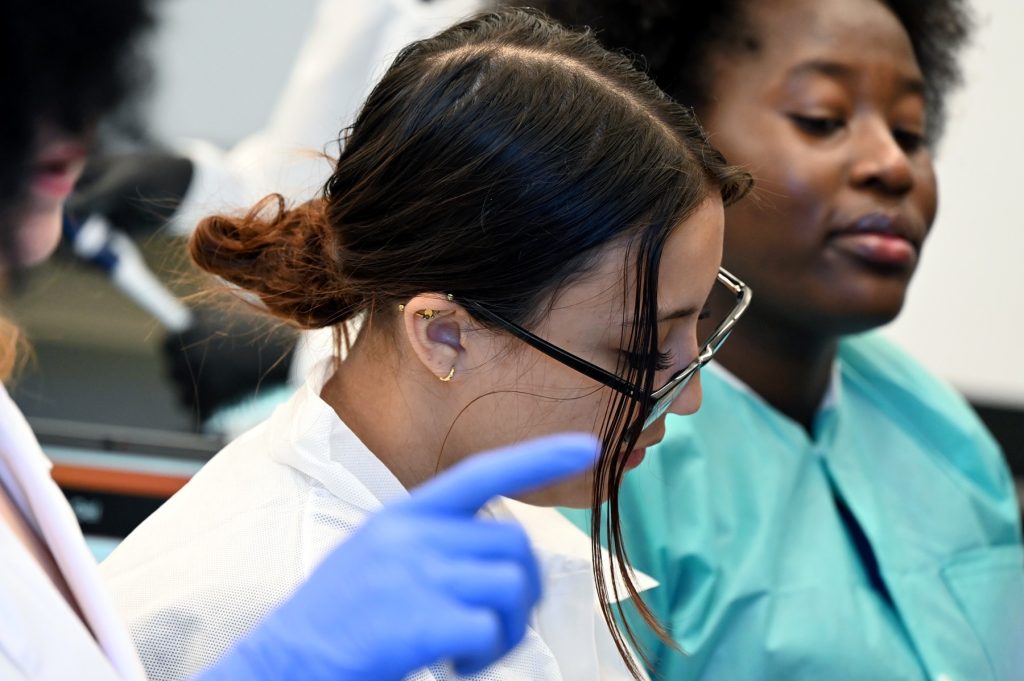
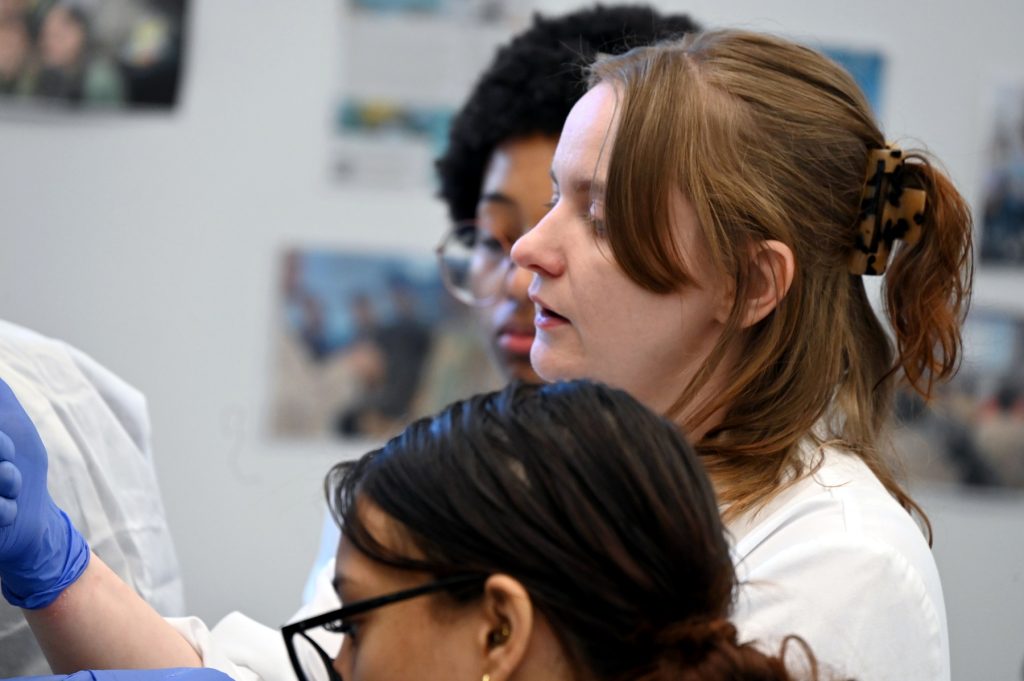
With steady hands, the students practiced pipetting microliter volumes of liquid, set up PCR samples and loaded gels that allowed them to visualize the DNA fragments they produced. Hovering nearby were research staff and graduate trainee volunteers who offered guidance.
For many students, it was the first time scientific procedure met personal possibility.
“I liked how informative and interactive the lab was,” one student wrote in an anonymous survey afterward. Another added, “The hands-on activities were extremely educational,” while a third reflected, “I enjoyed all of the lab activities and working with new people.”
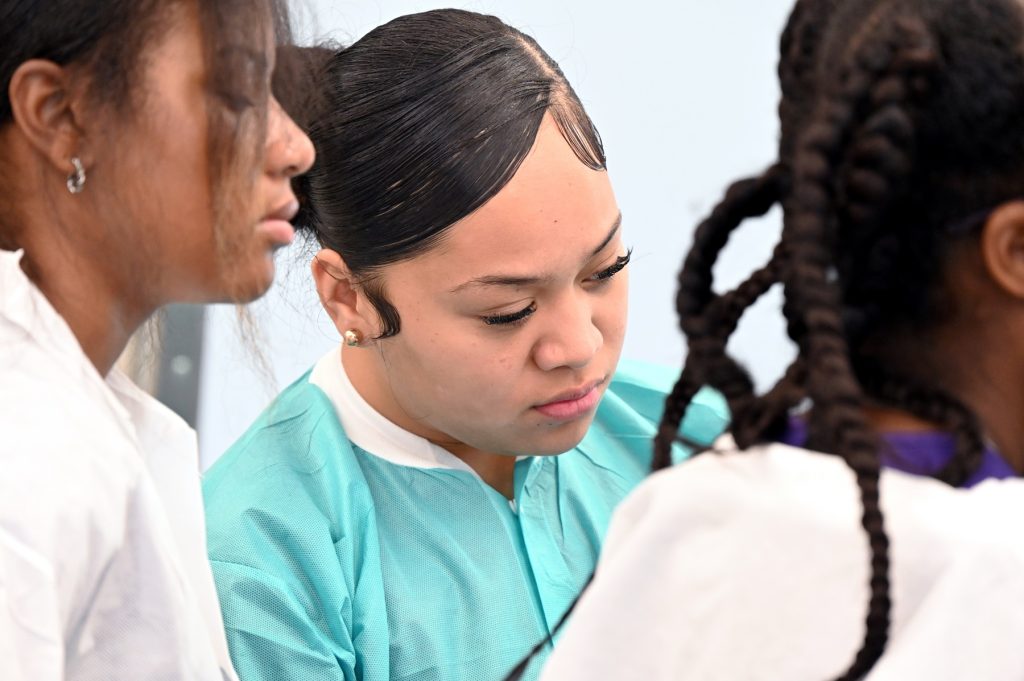
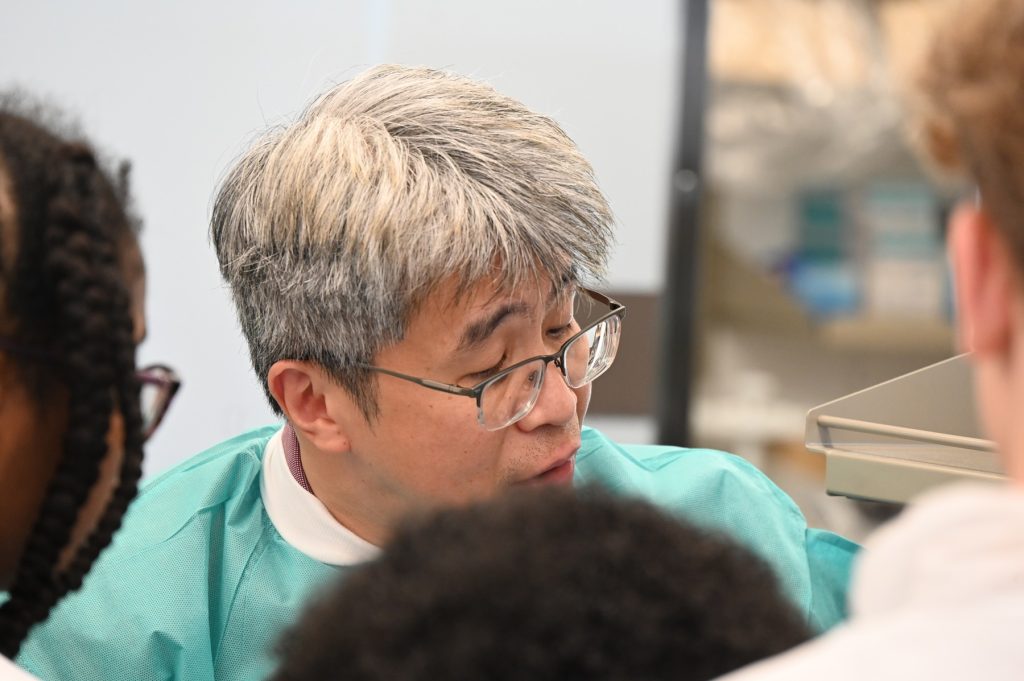
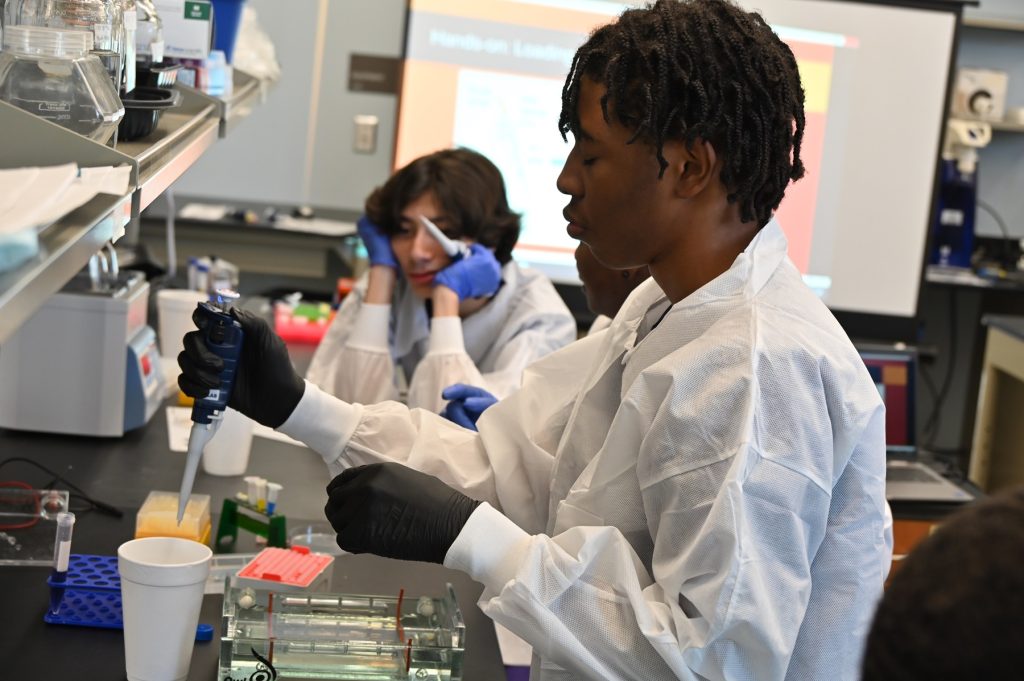
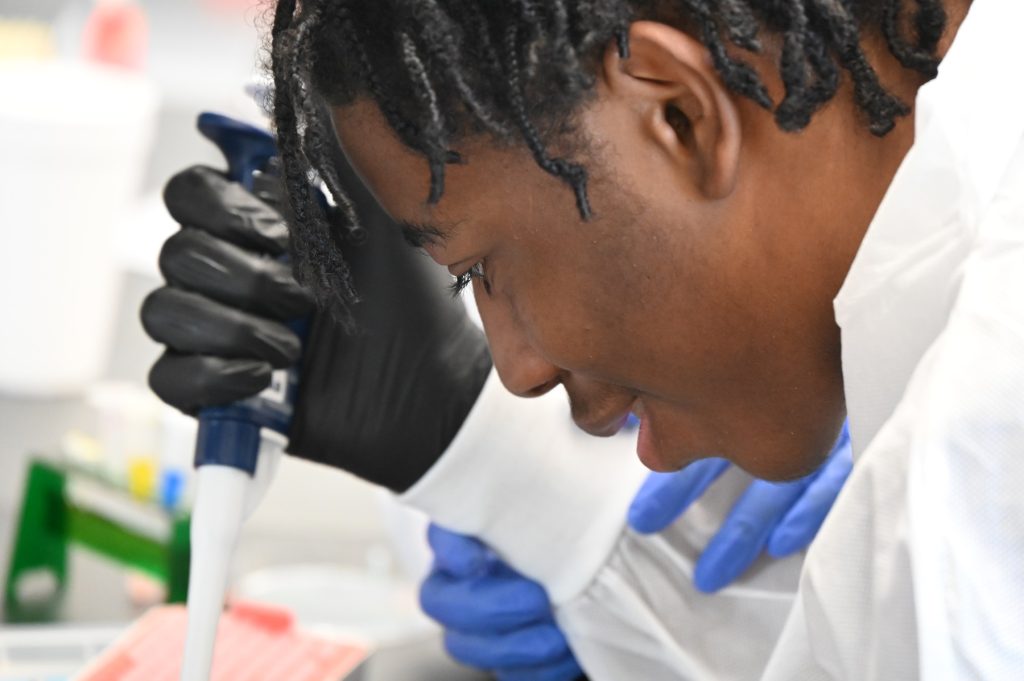
The morning activities were followed by a career panel featuring graduate students and postdoctoral fellows. The panelists discussed their pathways into research, the challenges of scientific careers and the profound impact cancer research can have.
The visits closed with an interactive session on cancer prevention led by Maryclaire Regan and Nyree Riley, members of the GCC’s Cancer Information and Awareness team – an essential reminder that while research drives discovery, prevention and education save lives today.
Connecting classroom learning with real-world careers
Just a few weeks earlier, in October, the laboratories buzzed with a similar energy when students from Greenbrier and Grovetown high schools stepped in for their own days of scientific immersion.
These groups also learned the fundamentals of PCR and gel electrophoresis under Ng’s guidance. As they navigated pipettes and gel boxes, they were supported by many of the same experienced volunteers, who also participated in a career panel.
Questions from the students ranged from academic preparation to daily life in the lab to the emotional side of working in cancer research.
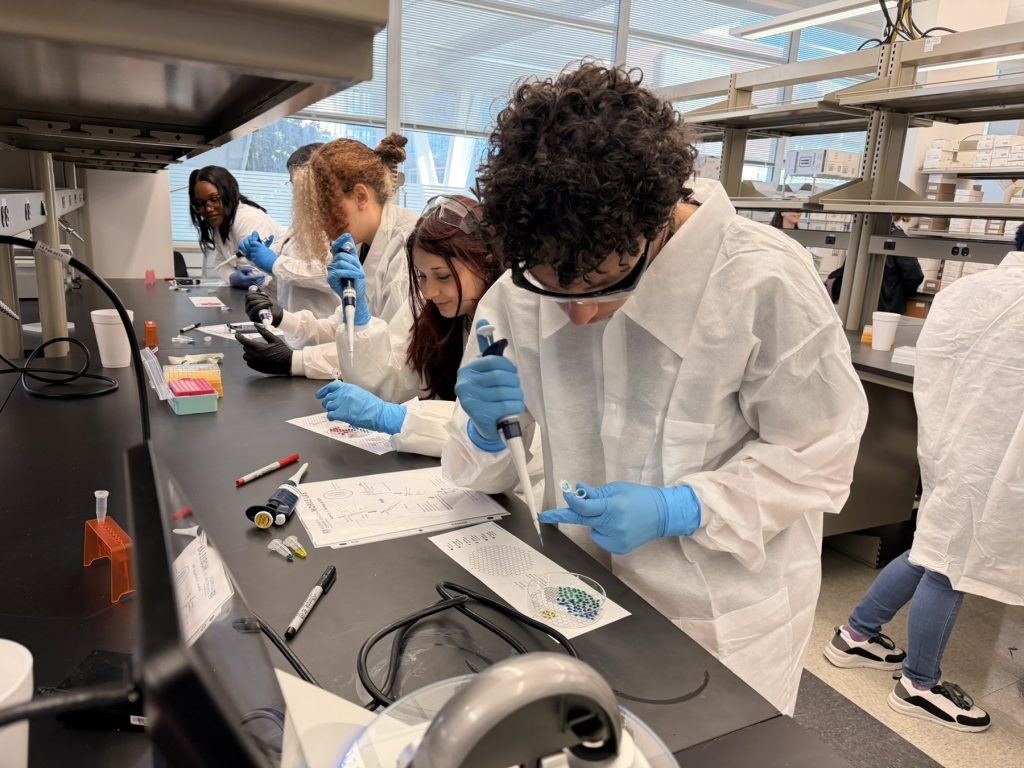
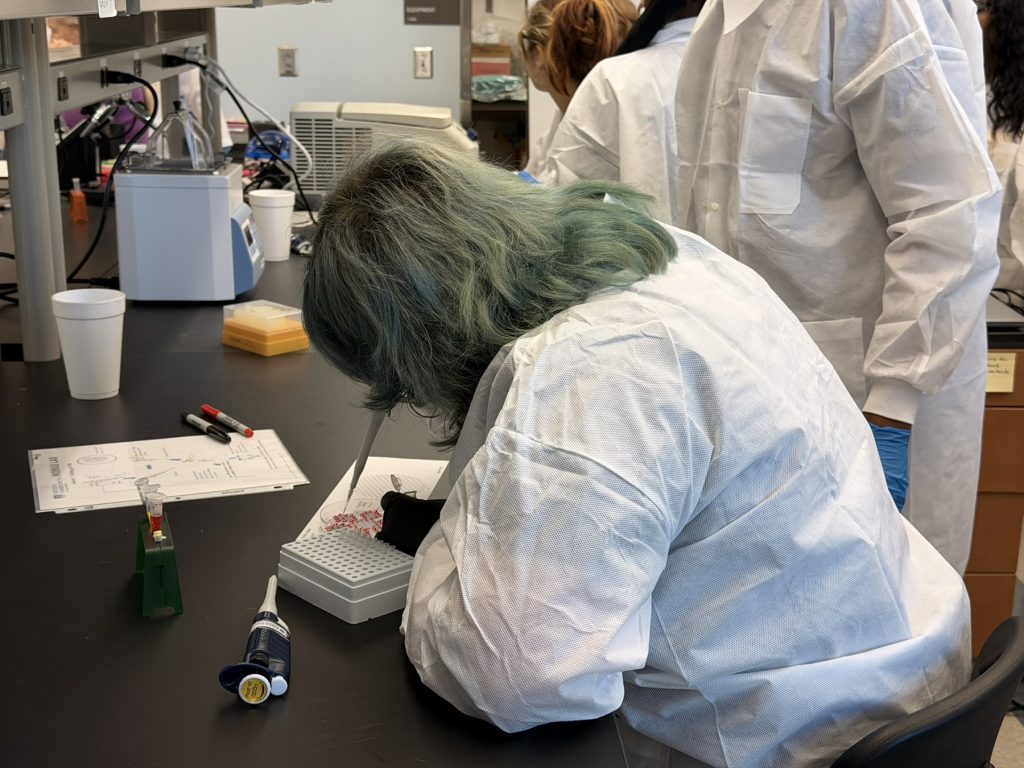
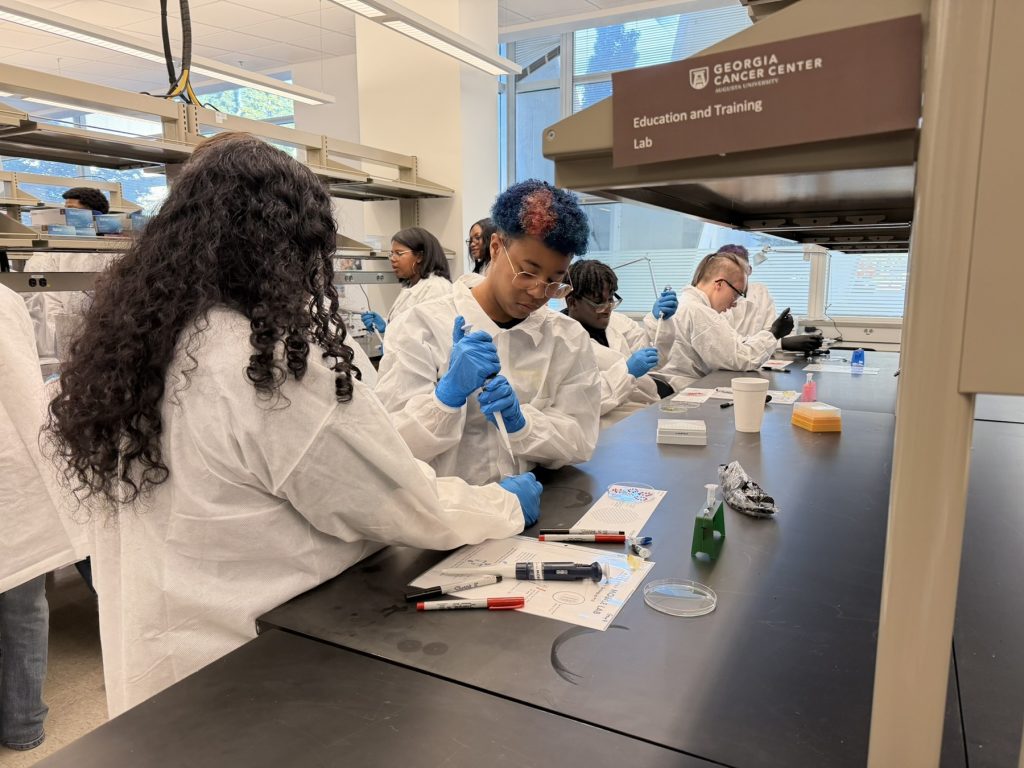
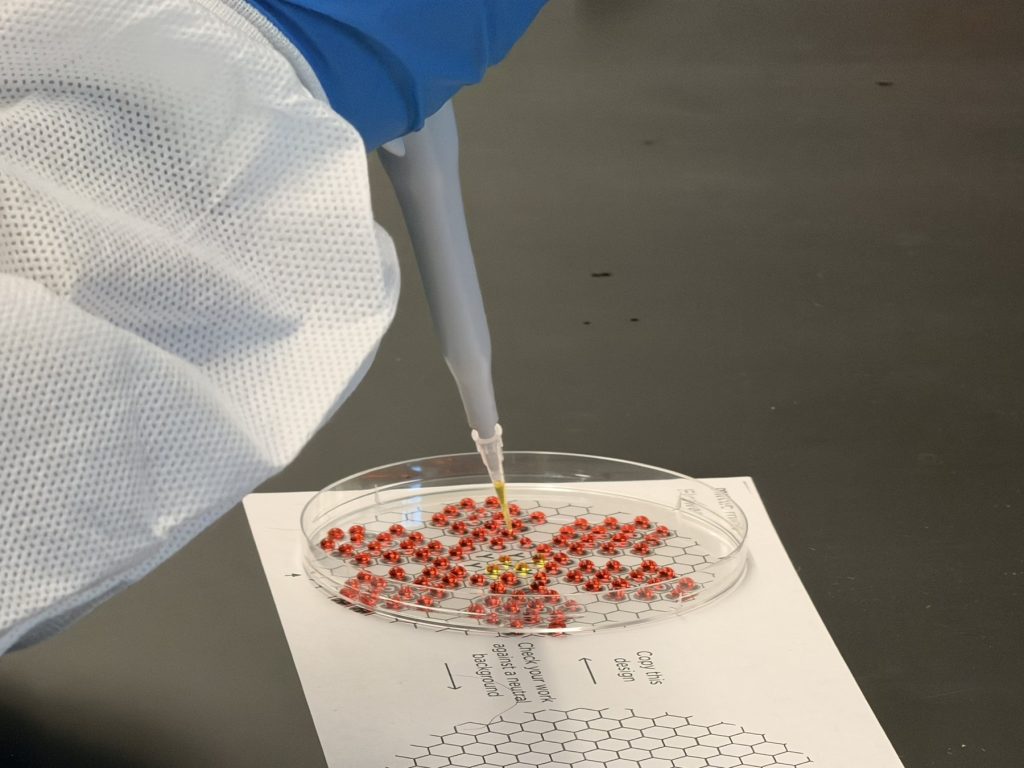
The days concluded with a cancer prevention presentation, offering students a comprehensive look at both the scientific and public health dimensions of cancer care.
Students and research staff assisting the students in the lab experiment and serving on the career panels included Kendra Fick from from the lab of Kebin Liu, PhD; Austin Lowery representing the lab of Peipei Zhu, PhD; Edidiong Usoro, PhD, a member of the team under Patricia Schoenlein, PhD; Karina Aguilar with the lab of Vinata Lokeshwar, PhD; Chidera Ogbu representing the lab of Ahmed Chadli, PhD; and Darryl Nettles, DPA, from the team for Jorge Cortes, MD. Behind the scenes GCC staff included Angela Maskey, Chris Middleton, Chris Curry, Christine Fiorino and Lindsey Morris, who all worked to ensure the days ran effortlessly.
Building the next generation of innovators
For Columbia and Richmond county students, these visits are more than academic exercises. They are glimpses into futures they may not have considered before setting foot in the GCC’s research corridors.
Ng, who has led all groups through the intricacies of PCR, says the goal is not only to teach techniques but to spark something deeper: curiosity. By working shoulder-to-shoulder with scientists and seeing research unfold in real time, students begin to understand that scientific discovery is not distant or abstract – it is something they can be part of.
As Augusta University continues to strengthen partnerships with local schools, these immersive experiences stand as a testament to what can happen when institutions open their doors and invite students to explore, question and imagine.
After all, the next breakthrough in cancer research may begin with a high school student pipetting DNA for the very first time.

 Miguelangelo Hernandez
 Felicia Baskett