 Augusta University
 Chris Curry
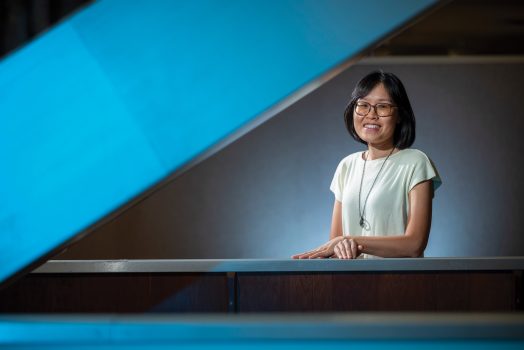
"Social and structural factors play a major role in determining who is diagnosed early, who receives timely treatment and who ultimately survives," says Meng-Han Tsai, PhD.
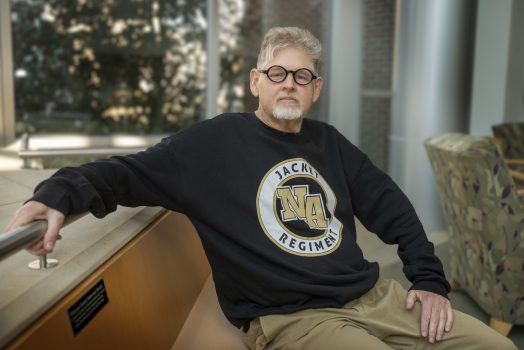
“Life is too short to not have humor, and thanks to a lucky fall and a brilliant surgical team, I have many more movements left to conduct," says Chuck Deen.
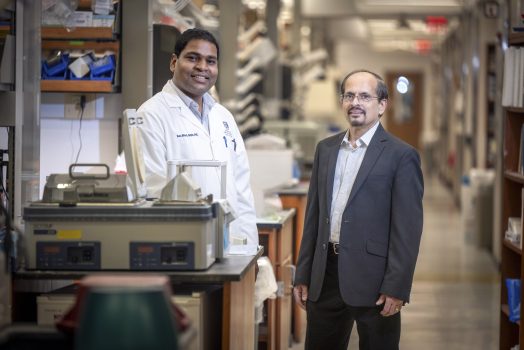
The CIMB Travel Award is very competitive, with only two winners chosen globally each year.
 Milledge Austin
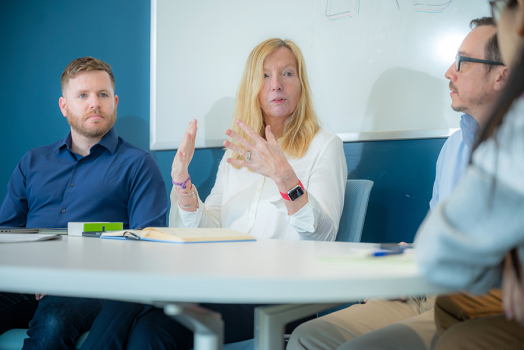
“I’m truly honored to work more closely with both organizations,” says Catherine "Lynn" Hedrick, PhD.
 Rhea-Beth Markowitz, PhD
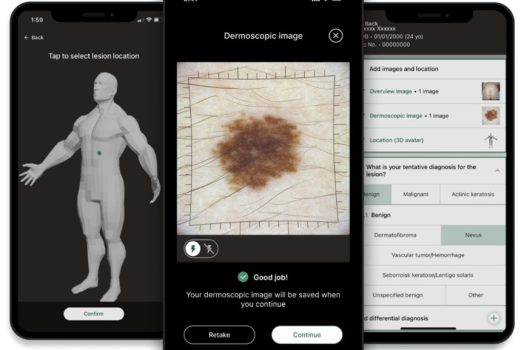
"Although skin cancer is one of the most common cancers in the United States, it is also one of the most preventable,” says Brenda Santellano, MD.
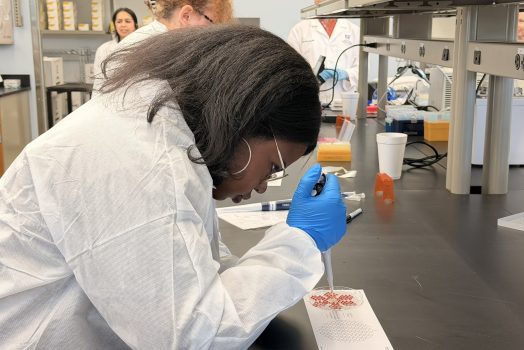
These programs are part of a broader effort to kindle interest in biomedical careers and give young learners authentic exposure to the techniques scientists rely on.
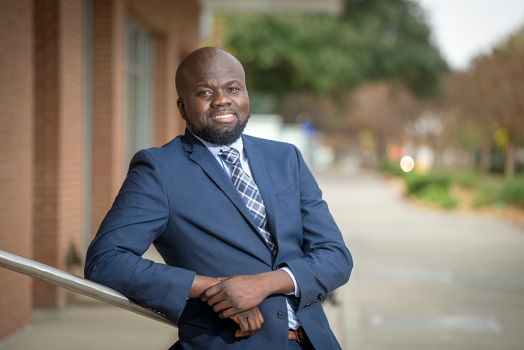
"If anyone asks me where they’ll find support, I have evidence that AU provides it," says Obed Koomson, PhD.
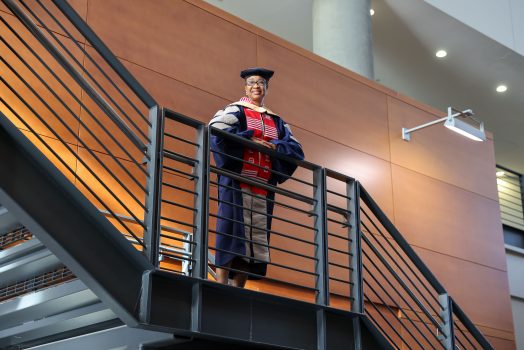
 Rebecca Gaylor
“I knew I wanted to go further in nursing. I didn’t imagine a terminal degree like the DNP at the time, but I knew I wanted to do more,” says Tyra Newton.

 Staff
Staff"Together, we can ensure students go out and do extraordinary things for our profession and for the communities that need us most," says Greg Griffin, DMD.
 Valerie Emerick
"If you feel something like a lump, you need to get it checked by your doctor, and if that doctor tells you ‘It’s nothing,’ go see another doctor," says Cecil Herrin.
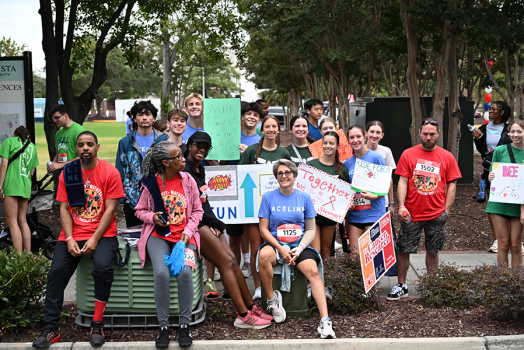
"It was wonderful seeing so many coming together to celebrate the people participating in PaceDay 2025," says Jorge E. Cortes, MD.
“This opportunity will enhance my commitment to community-based education initiatives and participatory research," says Ashanda R. Esdaille, MD.
 Lindsey Morris
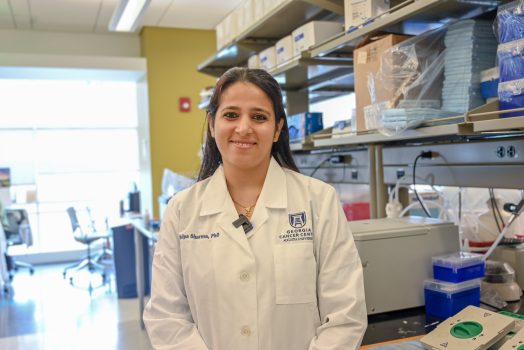
“This is a newer treatment approach, but the initial results have been promising,” says Shilpa Sharma, PhD.
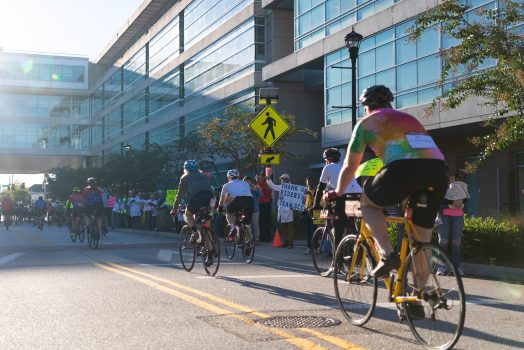
In addition to the bike ride and 5K run/walk, there will also be stationary bikes with an instructor offering several spin class sessions during the day.
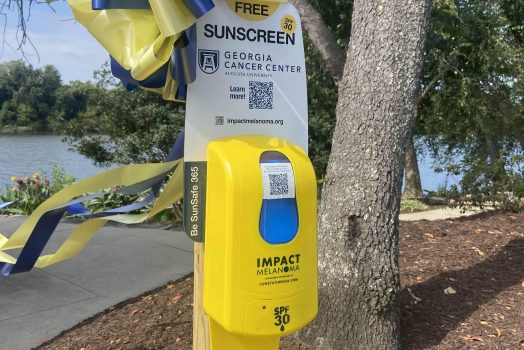
“Although skin cancer is the most common cancer in the U.S., it is also one of the most preventable and is highly treatable when detected early,” says Brenda Santellano, MD.
 Hannah Litteer
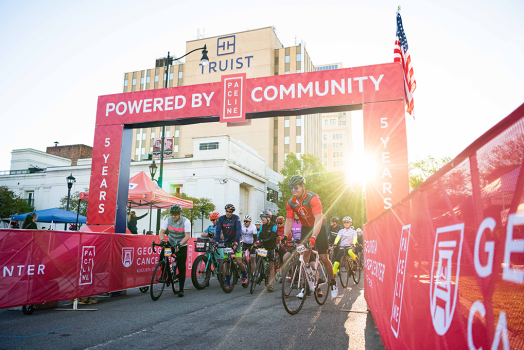
PaceDay is Sunday, Oct. 5, and as a participant or volunteer, you can embrace all the perks that come with signing up while helping to cure cancer faster.
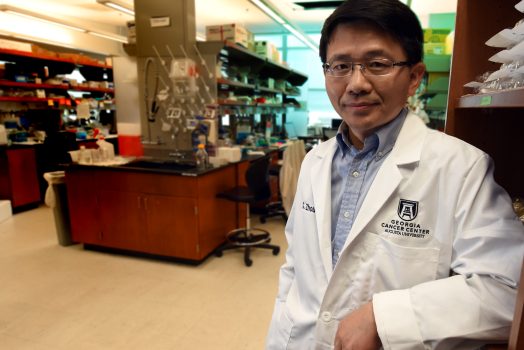
“For many years, it has been known that certain bacteria, including salmonella, are inherently immunogenic," says Gang Zhou, PhD.

 Denise Parrish
“We really rely on people like Hyundai who understand the need and give hope to these kids,” says David Munn, MD.
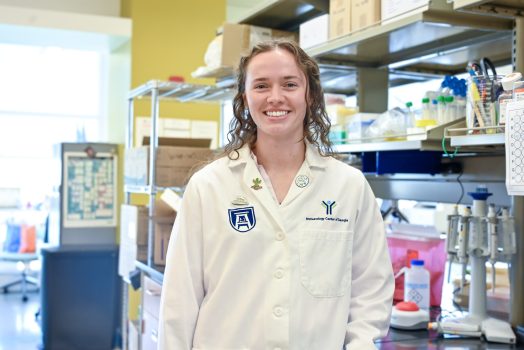
“I want to work toward more effective ways of treating and screening cancer, specifically, in my case, melanoma," says Elayne Benson.
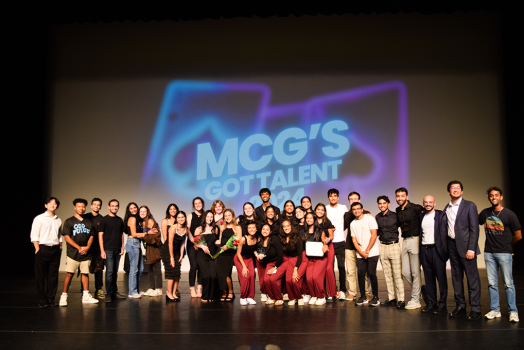
“It's bringing together all of your hobbies and talents and then putting it toward a bigger cause," says Anvi Peddi.